On this page
- The Medieval Old Town (Vanalinn): What’s Actually Worth Your Time
- Toompea Hill & the Upper Town: Viewpoints and Political History
- Kadriorg Park & Palace: The Best Two Hours Outside the Walls
- Telliskivi Creative City: Where Tallinn Feels Most Like Itself in 2026
- The Seaplane Harbour (Lennusadam): Estonia’s Best Museum
- Tallinn’s Lesser-Known Towers & Fortifications: Beyond the Obvious
- Kalamaja & Pelgulinn: Wooden Houses and Real Tallinn Life
- Tallinn Market Hall & Balti Jaama Turg: Eating and Shopping Like a Local
- Day Trip: Lahemaa National Park
- Pirita Beach & the Convent Ruins: Coastal Tallinn
- KUMU Art Museum: Estonia’s National Collection
- Nightlife & Live Music: Where to Go After 10pm
- Seasonal Events Worth Timing Your Visit Around
- Practical 2026 Tips for Visiting Tallinn
- 2026 Budget Breakdown: Daily Costs in Tallinn
- Frequently Asked Questions
💰 Click here to see Estonia Budget Breakdown
💰 Prices updated: October, 2026. Budget figures are estimates — always verify before travel.
Exchange Rate: $1 USD = €0.88
Daily Budget (per person)
Shoestring: €40.00 – €70.00 ($45.45 – $79.55)
Mid-range: €120.00 – €250.00 ($136.36 – $284.09)
Comfortable: €300.00 – €900.00 ($340.91 – $1,022.73)
Accommodation (per night)
Hostel/guesthouse: €15.00 – €40.00 ($17.05 – $45.45)
Mid-range hotel: €60.00 – €150.00 ($68.18 – $170.45)
Food (per meal)
Budget meal: €15.00 ($17.05)
Mid-range meal: €35.00 ($39.77)
Upscale meal: €100.00 ($113.64)
Transport
Single metro/bus trip: €2.00 ($2.27)
Monthly transport pass: €30.00 ($34.09)
Tallinn attracts around 4 million visitors a year, and in 2026, that pressure is visible everywhere. Cruise ships still unload thousands of passengers daily into the Old Town between May and September, and the most-photographed corners of Vanalinn get crowded before 10am. The honest advice most sites won’t give you: the medieval centre deserves your time, but it’s only a fraction of what Tallinn actually offers. This guide is built for people who want the real city alongside the iconic sights — not a padded list of castles you’ve already seen on Instagram.
The Medieval Old Town (Vanalinn): What’s Actually Worth Your Time
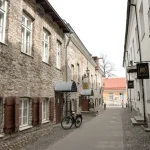
Tallinn’s Old Town is a genuine medieval city, not a reconstruction — the limestone walls, towers, and merchant houses have stood since the 13th and 14th centuries, and that physical reality is something you feel when you walk through Viru Gate at dusk and the stone reflects the amber glow of streetlights. It earned UNESCO World Heritage status for a reason.
The essential stops inside the Old Town:
- Town Hall Square (Raekoja plats): The Gothic town hall dates to 1404. The square around it fills with a famous Christmas market from late November through January. Outside peak season, early mornings here feel genuinely timeless.
- St. Olaf’s Church: Climb the tower (€5 in 2026) for the best elevated view in the lower town. The 124-metre spire was the world’s tallest building for a period in the 16th century.
- Katariina käik (St. Catherine’s Passage): A narrow medieval lane lined with artisan workshops — glass, ceramics, hats, leather. The workshops are real, not tourist theatre.
- The Dominican Monastery: Founded in 1246, the cloister ruins and small museum (€5) offer genuine quiet even in high summer.
What to skip: the overpriced souvenir shops on Pikk Street, the “medieval” restaurants with actors in chainmail, and the 45-minute queue for the most obvious tower photo. Walk two streets in any direction from the main drag and you’ll find the same architecture with none of the crowds.
Toompea Hill & the Upper Town: Viewpoints and Political History
Toompea is the limestone hill above the lower Old Town where Estonia’s parliament (Riigikogu) still sits inside a pink baroque palace. The area has a quieter, more residential feel than the streets below — fewer souvenir shops, more embassies and government buildings.
The two main viewing platforms — Patkuli and Kohtuotsa — both overlook the red-tiled rooftops of the lower town and, on clear days, the Baltic Sea beyond. Kohtuotsa is the more famous one; Patkuli, five minutes’ walk west along the wall, is nearly always less crowded and has a slightly better angle for photographs.
The Alexander Nevsky Cathedral (1900) dominates the Toompea square with its onion domes and dark stone. Entry is free. The interior smells of incense and warm candle wax, and the Russian Orthodox iconostasis is genuinely impressive regardless of your interest in religion. Photography is not allowed inside.
Toompea Castle itself is not fully open to visitors — the parliament works inside — but the exterior is worth seeing, and guided tours of the Riigikogu chamber are available on weekdays by prior arrangement (free, book online).
Kadriorg Park & Palace: The Best Two Hours Outside the Walls
Built by Peter the Great for Catherine I in the early 1700s, Kadriorg sits about 2 kilometres east of the Old Town and is easily reached by tram (line 1 or 3, stop Kadriorg — around €1.50 with the Tallinn Card or contactless). The park is free to enter and genuinely beautiful in every season: tulips in May, dense lime tree shade in July, crackling leaves underfoot in October.

Inside the park, two museums earn serious attention:
- Kadriorg Art Museum: The baroque palace houses a permanent collection of Dutch, German, and Russian art from the 17th–20th centuries. Ticket around €8. The building itself justifies entry.
- KUMU Art Museum: A short walk north from the palace, KUMU is Estonia’s national art museum and the largest art museum in the Baltic states. It opened in 2006 and has won multiple European Museum of the Year nominations. More on this further down.
The Japanese Garden inside Kadriorg is a small surprise — a manicured pond garden near the palace. It’s rarely mentioned in tourist guides but is one of the most peaceful 20 minutes you can spend in Tallinn.
Telliskivi Creative City: Where Tallinn Feels Most Like Itself in 2026
Telliskivi started as a Soviet industrial complex and has spent the last decade becoming the most creatively charged neighbourhood in the Baltic states. In 2026, it remains genuinely local despite growing visitor numbers — you’ll find Estonians working, eating, and shopping here alongside tourists.
The weekend market at Telliskivi (Saturday and Sunday, roughly 10am–5pm) is the best flea and artisan market in Tallinn. Vintage clothing, vinyl, handmade jewellery, local ceramics, and a rotating cast of street food stalls. The smell of grilled meats and chimney cake drifts across the courtyard from mid-morning.
Street art covers almost every available surface in the complex — much of it commissioned, some of it rotating. Dedicated street art tours of the area run from the Telliskivi entrance on Saturdays (€15–18, various operators).
The food hall inside the main building has around 15 vendors serving everything from Vietnamese pho to Estonian black pudding open sandwiches. Lunch here costs €8–14 and is a significantly better experience than any tourist-oriented restaurant in the Old Town.

The Seaplane Harbour (Lennusadam): Estonia’s Best Museum
This is the single best museum in Estonia and one of the most impressive maritime museums in Northern Europe — which is not a sentence travel writers usually apply to a city of 450,000 people. The Seaplane Harbour occupies three enormous historic hangars on Tallinn Bay, built between 1916 and 1917 using experimental parabolic concrete vaulting that was so structurally advanced that engineers couldn’t replicate the technique for decades afterward.
Inside: a 1930s submarine you can walk through, WWI and WWII naval vessels, seaplanes suspended from the ceiling, and an icebreaker moored alongside that you can board. The exhibits cover Estonian naval history with English language throughout. Ticket price in 2026: €18 adults, €10 children. Budget at least two hours.
The harbour promenade outside the museum is also one of the nicest waterfront walks in the city, with views back toward the Old Town walls and the TV tower on the eastern horizon.
Tallinn’s Lesser-Known Towers & Fortifications: Beyond the Obvious
Most visitors photograph the Fat Margaret tower near the harbour and the towers visible from Toompea. But the city’s medieval wall system stretches for nearly 2 kilometres and includes 26 towers, many of which are open to visitors and almost entirely missed by cruise-ship crowds.
- Kiek in de Kök: The name means “Peep into the Kitchen” in Low German — the tower was so tall that soldiers could allegedly see into the kitchens of houses below. Today it houses a museum covering Tallinn’s fortification history, with a tunnel system connecting to three other bastions underground. Ticket €9, genuinely worth it.
- The Bastion Passages: A network of 17th-century underground tunnels beneath Toompea, accessible via guided tours from Kiek in de Kök. The tunnels were used as bomb shelters as recently as WWII. Cool, dark, and atmospheric.
- Neitsitorn (Virgin’s Tower): A small tower in the southern wall that once served as a women’s prison. Now a café. You can drink coffee inside a 14th-century tower for the price of a latte.

Kalamaja & Pelgulinn: Wooden Houses and Real Tallinn Life
Kalamaja — literally “fish house” — sits directly north of Telliskivi and west of the Old Town port area, and it is the neighbourhood that best represents the Tallinn that locals actually live in. The streets are lined with wooden residential houses from the late 19th and early 20th centuries, painted in pastels and deep reds, many of them now converted into apartments, cafés, and small studios.
There are no major monuments here. That’s the point. Walk Kotzebue Street and Ilmarine Street on a Sunday morning when the city is quiet and you’ll understand why people who visit Tallinn once often return specifically to live in this neighbourhood.
Pelgulinn, one tram stop further west, is even quieter — more residential, fewer tourists. The local café scene here is excellent: small-batch coffee roasters, bakeries producing dark rye bread with caraway seeds, the kind of places where the staff remember your order if you come back twice.
Tallinn Market Hall & Balti Jaama Turg: Eating and Shopping Like a Local
Balti Jaama Turg (Baltic Station Market) sits directly behind Tallinn’s main train station and has been the city’s main working market for over a century. In 2026, it operates across three interconnected floors: a covered fresh produce hall on the ground level, a flea market and vintage clothing section upstairs, and a food court on the top floor with some of the cheapest hot meals in the city (€4–7 for a full plate).

This is not a tourist market — it’s functional, busy, and occasionally chaotic in the best way. The produce section sells local berries, pickled vegetables, smoked fish, honey, and seasonal mushrooms that cost a fraction of anything you’d find in Old Town shops. Go on a Saturday morning for the widest selection.
The Telliskivi and Balti Jaama area together form a natural half-day route: start at the market early, walk through Telliskivi’s courtyard, and follow the street art trail westward into Kalamaja.
Day Trip: Lahemaa National Park
Lahemaa is Estonia’s largest national park, covering 725 square kilometres of coastal forest, bog, manor houses, and fishing villages about 70 kilometres east of Tallinn. It’s one of the best day trips in the entire Baltic region and inexplicably undervisited compared to the Old Town.
Getting there in 2026: the most convenient option is still a rented car (1.5 hours from central Tallinn) or a guided tour departing from the city. Public buses reach Palmse and Võsu but require some planning around connections. The Rail Baltica construction has not added any direct service to the Lahemaa corridor as of 2026, though improved eastern highway connections have shortened drive times slightly.
What to do in a day: walk the Viru bog trail (flat, 3.5km loop, otherworldly landscape), visit Palmse Manor (a restored 18th-century Baltic German estate, €7), and end at the coastal village of Altja for smoked fish and beer at the local tavern. The bog trail is best in May when the water levels are high and the horizon feels infinite, or in October when the birch trees are gold.
Pirita Beach & the Convent Ruins: Coastal Tallinn
Pirita is Tallinn’s main beach suburb, about 5 kilometres northeast of the centre (bus 1A or 34 from the city). The beach itself is a 2-kilometre stretch of fine sand along a sheltered bay — genuinely swimmable in July and August when water temperatures reach 18–22°C.

The ruins of St. Bridget’s Convent (Pirita Klooster) sit at the mouth of the Pirita River, just back from the beach. The convent was founded in 1407 and destroyed during the Livonian War in 1575. What remains are the roofless walls of the church — substantial, Gothic, and completely open to the sky. Entry is €4. The walls are lit at night and visible from the river.
The Pirita promenade along the river is a favourite running and cycling route for Tallinn residents. Rent a bike from the city’s bike-share network (Boltr, available via app) and cycle the route from the city centre along the seafront in about 30 minutes.
KUMU Art Museum: Estonia’s National Collection
KUMU (Kumu Kunstimuuseum) in Kadriorg is a genuinely world-class art institution that most visitors skip because it’s not medieval. That’s their loss. The building alone — a seven-storey limestone and glass structure designed by Finnish architect Pekka Vapaavuori — won the European Museum of the Year Award in 2008 and remains architecturally striking.
The permanent collection covers Estonian art from the 18th century to the present, with particularly strong rooms dedicated to Soviet-era Estonian painting — work produced under ideological constraint that managed to be quietly subversive and technically brilliant. The contemporary exhibitions on the upper floors rotate several times a year.
Ticket: €14 adults in 2026, free on the last Friday of each month. Allow 2–3 hours.
Nightlife & Live Music: Where to Go After 10pm
Tallinn has a strong and varied after-dark scene that bears no resemblance to the stag-party reputation the city earned in the early 2000s. That tourism profile has substantially shifted, and the nightlife in 2026 reflects it.

- Telliskivi area: The cluster of bars around the creative city complex — Pimentado, Pudel Baar, F-Hoone’s bar section — stays busy Thursday through Saturday with a local crowd, craft beer, and occasional live music.
- HALL and Club Privé: Two of the main electronic music venues, both near the port area. International DJs, serious sound systems, and a crowd that takes the music seriously.
- Jazz: Tallinn has a disproportionately rich jazz scene. Philly Joe’s on Müürivahe Street (Old Town adjacent) and Jazz Club Tallinn near Viru Gate both run live sessions Thursday–Saturday.
- Rooftop bars: The Skybar at the Radisson Blu Sky Hotel on Rävala Avenue offers city panoramas with cocktails from €12. Book a table in advance during summer.
Seasonal Events Worth Timing Your Visit Around
Tallinn’s event calendar in 2026 has several fixed anchors worth knowing before you book flights:
- Tallinn Music Week (late March/early April): Baltic and Nordic indie, electronic, and experimental music spread across 30+ city venues. One of the best small-city music festivals in Europe.
- Tallinn Old Town Days (early June): Medieval markets, costumed performances, and craft demonstrations inside the Old Town. Good for families, manageable crowds.
- Õllesummer (July): Beer festival held at the Song Festival grounds in Pirita. Enormous, loud, and entirely Estonian in character.
- Black Nights Film Festival (PÖFF, November): One of the largest film festivals in Northern Europe, running the entirety of November. Screens internationally across multiple Tallinn cinemas.
- Christmas Market (late November–early January): Town Hall Square transforms into one of the genuinely best Christmas markets in Europe — not hype. The mulled wine (glögi) costs €4, the gingerbread stalls are legitimate, and the lights in the medieval setting earn the praise they receive.
Practical 2026 Tips for Visiting Tallinn
A few things that are specific to Tallinn in 2026 and worth knowing before you arrive:

- Tourist tax: €2 per person per night, applied for up to 7 nights. Collected by your accommodation provider.
- Trams and public transit: The Tallinn tram network expanded in 2025 with a new line connecting the Ülemiste area (near the airport) to the city centre more directly. In 2026, tram and bus fares are €1.50 per journey with contactless payment, or free if you’re registered as a Tallinn resident. The Tallinn Card (available in 24h, 48h, 72h options) covers public transit and entry to most city museums — worth buying if you’re doing more than two museum visits in a day.
- Getting from the airport: Tallinn Airport is 4 kilometres from the centre. Bus 2 runs to the city in about 20 minutes (€1.50). Taxis cost €8–12 via the Bolt app. Do not take unmetered taxis from the airport — they still exist and they overcharge.
- Safety: Tallinn is very safe by European standards. Pickpocketing in the Old Town during high season is the main risk. Keep bags in front of you in busy market areas.
- Language: Estonian is the official language. English is widely spoken — you’ll have no difficulty anywhere in the city. Russian was historically common in eastern suburbs; this has decreased noticeably since 2022.
- Water: Tap water is clean and drinkable throughout the city.
- Tipping: Not mandatory but appreciated. Rounding up the bill or leaving 10% at sit-down restaurants is normal. No obligation at coffee bars or market stalls.
2026 Budget Breakdown: Daily Costs in Tallinn
Tallinn remains one of the more affordable capitals in the EU, though prices have risen since 2022 in line with Estonian inflation. Here’s a realistic breakdown for 2026:
- Budget tier (€50–70/day): Hostel bed €20–30, meals at Balti Jaama Turg and Telliskivi food hall €6–10, public transit with the Tallinn Card, free walking in the Old Town and parks. Museum entry for 1–2 sights.
- Mid-range (€100–150/day): Mid-range hotel or apartment in Kalamaja or Telliskivi area €70–100/night, sit-down lunch and dinner at non-tourist restaurants €15–25 per meal, Seaplane Harbour and KUMU both, a tram day pass and one Bolt ride.
- Comfortable (€180–250+/day): Boutique hotel in or near the Old Town €130–200/night, quality restaurants with wine €40–60 per person, private guided tours, rooftop bar evening, day trip to Lahemaa with a car rental or private driver.

A note on dining: eating in Old Town restaurants carries a significant premium — expect to pay 30–40% more for the same quality food you’d find in Kalamaja or Telliskivi. Budget-conscious visitors who eat outside the tourist zone eat significantly better for less.
Frequently Asked Questions
How many days do you need in Tallinn?
Three full days covers the Old Town, Toompea, Kadriorg, Telliskivi, and the Seaplane Harbour comfortably, with a half-day spare for Kalamaja. Five days allows a day trip to Lahemaa and a slower pace. One or two days is enough for highlights only but leaves most of the city unseen.
Is Tallinn expensive compared to other European capitals?
Tallinn is mid-range by EU standards and noticeably cheaper than Helsinki, Stockholm, or Copenhagen. Budget travellers can get by on €50–70 per day. Prices inside the Old Town run higher than the rest of the city, so eating and drinking outside that area makes a material difference to your daily spend.
What is the best time to visit Tallinn?
June to August has the best weather and longest days, but also the highest crowds and prices. May and September offer good weather with significantly fewer tourists. December is worth considering specifically for the Christmas market — cold (around -2 to +2°C) but atmospheric and genuinely festive, with crowds that are manageable compared to midsummer.
Is Tallinn safe for solo travellers?
Yes. Tallinn is consistently ranked among the safer European city destinations. Solo travellers, including women travelling alone, generally report feeling comfortable throughout the city. Standard urban precautions apply in the Old Town during peak season — watch your pockets in busy market areas. The city is well-lit and well-policed in central areas.
Do you need cash in Tallinn, or is card payment accepted everywhere?
Card and contactless payment is accepted almost universally in Tallinn — restaurants, cafés, museums, transit, taxis, and most market stalls. Some individual vendors at Balti Jaama Turg prefer cash, and a small amount (€20–30) is useful for the flea market. ATMs are widely available throughout the city. Estonia is one of the most cashless societies in Europe.
Explore more
Best Restaurants in Tallinn Old Town: A Culinary Journey
Is Tallinn Expensive? A Budget Traveler’s Guide to Saving Money
Cheap Eats Tallinn: Delicious Food Without Breaking the Bank
📷 Featured image by Oona Ahonen on Unsplash.