On this page
- Day 1: Going Deep into the Old Town
- Day 2: The Creative Side of Tallinn — Kalamaja and Noblessner
- Day 3: Parks, Palaces, and the Baltic Shore
- Where to Eat Each Day: The Short List
- Getting Around Tallinn in 2026
- Where to Stay for 3 Days
- How to Beat the Crowds in 2026
- 2026 Budget Breakdown
- Practical Tips Before You Leave
- Frequently Asked Questions
💰 Click here to see Estonia Budget Breakdown
💰 Prices updated: October, 2026. Budget figures are estimates — always verify before travel.
Exchange Rate: $1 USD = €0.88
Daily Budget (per person)
Shoestring: €40.00 – €70.00 ($45.45 – $79.55)
Mid-range: €120.00 – €250.00 ($136.36 – $284.09)
Comfortable: €300.00 – €900.00 ($340.91 – $1,022.73)
Accommodation (per night)
Hostel/guesthouse: €15.00 – €40.00 ($17.05 – $45.45)
Mid-range hotel: €60.00 – €150.00 ($68.18 – $170.45)
Food (per meal)
Budget meal: €15.00 ($17.05)
Mid-range meal: €35.00 ($39.77)
Upscale meal: €100.00 ($113.64)
Transport
Single metro/bus trip: €2.00 ($2.27)
Monthly transport pass: €30.00 ($34.09)
Tallinn gets around 4.5 million visitors a year, and in summer 2026, roughly half of them seem to arrive on the same Tuesday morning. Cruise ships dock at the passenger terminal, tour buses park along Mere puiestee, and by 10am the narrow lanes of the Old Town are shoulder-to-shoulder. Three days, planned correctly, gives you enough time to see the postcard version and escape it — to the converted factory yards of Telliskivi, the quiet seaside park at Kadriorg, and the creative waterfront at Noblessner. This itinerary is built around that balance.
Day 1: Going Deep into the Old Town
Give the Old Town your full first day, but do it on your terms. Set an alarm. Being at the gates of Toompea by 8am means you have the cobblestones mostly to yourself, and the low morning light turns the limestone walls amber. By the time the first tour groups arrive around 10am, you’ll already be ahead of them.
Morning: Toompea Hill
Start at Toompea Castle, the seat of the Estonian Parliament. You can’t walk into the working government building, but the exterior — pink baroque facade against a pale sky — is one of Tallinn’s genuinely striking sights. From here, walk two minutes to Alexander Nevsky Cathedral. The interior smells of incense and warm candle wax; the gilded iconostasis is enormous and worth five quiet minutes even if you’re not religious.
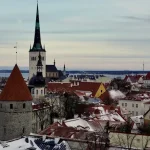
Two viewing platforms sit on Toompea: Patkuli and Kohtuotsa. Kohtuotsa is the famous one, with the red rooftops and spires spread below you. Patkuli, reached by a staircase down through the park, is less crowded and gives a different angle toward the port and Tallinn Bay. Go to both.
Afternoon: The Lower Old Town
Descend into the lower town via the covered Pikk jalg (Long Leg) passage and work your way through the merchant quarter. Pikk tänav (Long Street) runs the length of this area and holds the Guild halls, the Church of the Holy Ghost, and the Fat Margaret tower at its northern end, which now houses the Estonian Maritime Museum. If nautical history interests you, the ticket (€8 in 2026) gets you views over the port from the tower roof.

At Raekoja plats — Town Hall Square — take ten minutes to stand in the middle and look at the ensemble rather than rushing to photograph it. The medieval town hall itself offers rooftop access in summer for €5. By 2pm the square fills up, so aim to be there just after lunch or around 5pm when the crowds thin again.
Evening: Old Town Restaurants and Bars
Stay inside the walls for dinner on night one. Leib Resto ja Aed on Uus tänav has a courtyard garden that fills with the smell of woodsmoke from their kitchen. Rataskaevu 16 is reliable for Estonian comfort food in a vaulted cellar space. For a drink afterward, the streets around Müürivahe — the street running along the old city wall — have several small bars that stay lively without becoming rowdy.
Day 2: The Creative Side of Tallinn — Kalamaja and Noblessner
This is where the city stops being a postcard and starts feeling like somewhere real people actually live. The Kalamaja district sits about 1.5km northwest of the Old Town and takes 20 minutes on foot through the port area, or two stops on tram line 2.
Morning: Telliskivi Creative City
Telliskivi Loomelinnak is a complex of converted Soviet-era factory buildings that now holds independent cafés, design studios, vintage shops, a flea market (Saturdays and Sundays, 9am–3pm), and rotating street art on every wall. The colour here hits you immediately — murals in turquoise, rust, and gold cover entire building facades. Arrive for breakfast at one of the courtyard cafés, where weekend queues form by 10am.

The Balti jaam Market sits directly adjacent to Telliskivi, behind the train station. This covered market sells fresh produce, smoked fish, second-hand clothes, and Soviet-era trinkets in adjacent rows. The fish section in the morning has a sharp, briny smell that you either love or spend 30 seconds walking through quickly. Either way, it’s authentic Tallinn.
Afternoon: Kalamaja Neighbourhood and Noblessner
Walk the wooden house streets of Kalamaja — Kotzebue, Kasarmu, and Salme are the best. These 19th-century timber houses in faded yellow, blue, and green have been quietly gentrifying since the mid-2010s. Many are still family homes; some are now guesthouses or studios. The neighbourhood has no single attraction — the point is just to walk it.
Continue north to Noblessner, the former submarine factory on the waterfront that has been transformed into one of Tallinn’s most interesting mixed-use areas. The Seaplane Harbour Museum (Lennusadam) is here — its massive art nouveau hangar houses real submarines, seaplanes, and an icebreaker you can board. Budget 2 hours. Tickets cost €18 for adults in 2026. The museum café has terrace seating facing the bay, and on a clear afternoon the light on the water is genuinely beautiful.
Evening: Dinner in Kalamaja
F-Hoone inside Telliskivi is the anchor restaurant of the creative quarter — big portions, industrial decor, and a terrace that runs along the old factory wall. Pudel is a neighbourhood bar two streets away that locals actually use, with decent natural wine and no tourist markup. The area is calm enough for an evening walk back toward the Old Town along the waterfront, which is lit up along Kalasadama street.

Day 3: Parks, Palaces, and the Baltic Shore
Use your final day to move east and slow down. Kadriorg is only 2km from the Old Town and a completely different register — wide boulevards, baroque architecture, a seaside park, and one of the best art museums in the Baltic states.
Morning: Kadriorg Park and the Kumu Art Museum
Kadriorg Park was built by Peter the Great in 1718. The park itself is free and open at all hours. The formal rose garden near the baroque palace smells extraordinary in late June and July when the roses are in bloom. The Kadriorg Palace now holds the Estonian Art Museum’s foreign collection — Dutch masters, Russian imperial portraits — for €8 entry.
A ten-minute walk through the park takes you to Kumu, the main building of the Estonian Art Museum. The 2026 permanent collection covers Estonian art from the 18th century to now, with a particularly strong section on the Soviet-era work that artists produced under censorship. The building itself, designed by Pekka Vapaavuori, is worth seeing — a curved limestone and glass structure built into the hillside. Tickets are €14.
Afternoon: Pirita Beach and the TV Tower
Tram line 1 or bus 34A from Kadriorg gets you to Pirita in about 12 minutes. The beach here is a long sandy stretch facing the bay with a view back to Tallinn’s spires. In summer it’s popular but not packed — families, cyclists on the coastal path, and the occasional open-water swimmer. The water temperature in July averages around 17–19°C: cold but swimmable.
The Tallinn TV Tower (Teletorn) is five minutes from Pirita by bus. In 2026 the observation deck sits at 170 metres and has a glass floor section that most people stand on for approximately two seconds before retreating. The views to the islands of Aegna and Naissaar on a clear day are worth the €15 ticket. There’s also a modest café at the top.

Evening: Final Dinner and a Rooftop Drink
Come back toward the Old Town for your final evening. NOA Chef’s Hall on the Pirita coastal road is the serious-occasion restaurant choice — book ahead, expect €60–90 per person with wine, and get a window table facing the water. For something more casual, Fotografiska Tallinn on the Telliskivi edge has a rooftop bar that opened in 2024 and became a proper evening spot in 2025 and 2026 — good cocktails, art on the walls downstairs, views over the railway yard.
Where to Eat Each Day: The Short List
Rather than a general food overview, here’s the practical breakdown by location so you’re not wasting time searching while hungry.
- Old Town (Day 1): Leib Resto ja Aed (Uus 31), Rataskaevu 16, Vanaema Juures for a traditional lunch. For coffee, Röst on Mündi tänav is the best espresso in the medieval core.
- Kalamaja/Telliskivi (Day 2): F-Hoone for dinner, Frenchy for breakfast crêpes, Balti Jaama Turg market stalls for a cheap lunch. Kohvik on Telliskivi courtyard does a good fixed lunch for €8–10.
- Kadriorg/Pirita (Day 3): Café in Kumu for lunch (good soups, €7–9). Pirita beach promenade kiosks for ice cream or grilled corn in summer. NOA or Fotografiska rooftop for the final evening.
Tallinn’s food market scene has grown significantly since 2024. The Ülemiste City food hall near the airport expanded in late 2025 and is worth knowing about if you have an early flight out.
Getting Around Tallinn in 2026
Tallinn’s public transport is free for registered city residents but costs visitors €1.50 per single journey or €3 for a 24-hour pass (Ühiskaart card, loaded at machines in larger stops and at R-Kiosk shops). The card itself costs €2.

Trams cover the most useful routes for this itinerary. Line 2 runs from the city centre past Kalamaja to Kopli. Line 1 goes east toward Kadriorg. Both run frequently (every 8–10 minutes in daytime) and are reliable.
The new tram extension to Ülemiste, which began operating in late 2025, now connects the central tram network directly to the train station hub at Ülemiste, cutting the airport journey to around 25 minutes door-to-door without a transfer. This is the easiest airport transfer option in 2026 — tram 4 from the city centre, change at Ülemiste, then the airport bus shuttle (Line 2) covers the final 2km.
E-scooters (Bolt and Tuul both operate here) cost around €0.25/minute and are everywhere. Practical for the 1.5km stretch between the Old Town and Telliskivi. Cycling works well in Kalamaja and along the coastal path to Pirita — bike hire from City Bike near the Old Town starts at €15/day.
Taxis via Bolt or the local app Yandex Go (rebranded as Go Drive in the Baltics in 2025) are cheap by Western European standards — a cross-city ride rarely exceeds €8.
Where to Stay for 3 Days
Location matters more than star rating for a short visit. Here’s where to base yourself by budget:
Budget (under €60/night)
Tallinn Backpackers and Go Hotel Shnelli (near the train station) are the reliable picks. The Shnelli is technically a hotel, not a hostel, but its rates sit in this tier. Staying just outside the Old Town walls — around Viru or the train station area — keeps you walking distance from Day 1 sights without the Old Town premium.
Mid-Range (€80–€150/night)
The Kalamaja neighbourhood now has several boutique guesthouses and converted apartment hotels that didn’t exist before 2023. Staying here puts you perfectly placed for Day 2 and a short tram ride from everything else. Hotel Telegraaf inside the Old Town is at the top of this range and genuinely well-located.

Comfortable/Luxury (€150+/night)
Hotel Schlössle on Pühavaimu tänav is the Old Town’s most atmospheric property — 15th-century merchant house, stone walls, breakfast that involves dark rye bread cooling on wooden boards in the morning. Fotografiska Hotel (yes, the photography museum has rooms) is the design-forward alternative in Telliskivi.
How to Beat the Crowds in 2026
Summer 2026 is busier than 2025 was. Cruise ship arrivals at Tallinn port are up roughly 12% on 2024 figures, and most dock between 9am and 11am. The Old Town is most congested from 10am to 3pm, Tuesday through Saturday in July and August.
Practical moves that work: Walk Toompea before 9am. Visit the most popular viewpoints (Kohtuotsa) in the early morning or after 6pm. Book Kumu and Seaplane Harbour tickets online in advance — both sell out on summer Saturdays by midday. The Old Town’s back streets (Vene, Lai, Olevimägi) are always quieter than Pikk and Viru — same buildings, fewer people.
Shoulder season — May and September — is when Tallinn works best. Temperatures sit between 10–18°C, the light is excellent for photography (long evenings in May), and the cruise crowds drop significantly. October brings cold but beautiful autumn colour in Kadriorg Park and very manageable visitor numbers.
2026 Budget Breakdown
These are realistic daily figures for one person, including accommodation, food, transport, and two paid attractions per day.
- Budget traveller: €55–75/day. Hostel bed (€20–30), market lunches and mid-range dinner (€20–25), transport pass (€3), two museum entries (€10–16).
- Mid-range traveller: €120–160/day. Boutique hotel or apartment (€80–110), sit-down lunch and dinner with drinks (€35–50), taxis and transport (€8–12), attractions (€16–20).
- Comfortable traveller: €220–300/day. Design hotel (€150–180), lunch at a bistro and dinner at a destination restaurant (€70–90), private transfers or taxis (€20), premium museum tickets and any guided experiences (€25–40).

Note: Tallinn restaurant prices rose about 8% between 2024 and 2026, roughly in line with general Estonian inflation. A mid-range sit-down lunch now runs €12–18 per person without drinks. A pint of local beer (Saku or A. Le Coq) in a bar costs €4–5.50 in 2026.
Practical Tips Before You Leave
SIM cards: Tele2 and Elisa both sell tourist SIMs at the airport arrivals hall. A 10GB data plan runs €5–8. Alternatively, most EU visitors use roaming from home without issue — Estonia is EU, so EU roaming caps apply.
Language: Estonian is the official language and genuinely difficult. Everyone in the tourism and hospitality industry speaks English. Russian is still widely understood in Tallinn, though its social status has shifted significantly since 2022. Finnish is useful in some waterfront bars (Finnish day-trippers are common).
Tipping: Not compulsory, but 10% is standard at sit-down restaurants if service was good. Café counter service — no tip expected. Taxi drivers — round up the fare.
Safety: Tallinn is very safe by European standards. Pickpocketing in the Old Town during peak summer is the main risk — keep bags closed on Town Hall Square and Viru tänav. The areas covered in this itinerary are all fine to walk at night.
Water: Tap water is safe to drink throughout Tallinn. Most cafés will refill a bottle if you ask.
Cash vs card: Estonia is close to cashless. Every market stall in Telliskivi, every tram ticket machine, and every café accepts card. Keep €20–30 cash for the Balti Jaama Market stalls and occasional small vendors.
Frequently Asked Questions
Is 3 days enough time to see Tallinn?
Three days covers the Old Town, one creative neighbourhood like Kalamaja or Telliskivi, and the eastern parks and coast around Kadriorg. You’ll miss some areas — Pirita’s full coastline, the outer suburbs — but you’ll see the city properly rather than just rushing through its most photographed streets. Most visitors find 3 days leaves them satisfied without feeling rushed.

When is the best time to visit Tallinn?
May and September offer the best combination of decent weather (10–18°C), manageable crowds, and long daylight hours. July and August are warmest (up to 25°C) but significantly busier, especially when cruise ships are in port. December brings a Christmas market on Town Hall Square and genuine atmosphere, though temperatures drop to -5°C or below.
How do I get from Tallinn Airport to the city centre?
In 2026 the most practical option is tram line 4 from the city centre to Ülemiste station, then the airport shuttle bus — total journey around 25 minutes, cost €1.50. Taxis and Bolt take 10–15 minutes and cost €8–12 depending on traffic. There is no direct metro; the Rail Baltica project, which will eventually link Tallinn to Riga and Warsaw, is under construction and not yet operational for airport transfers.
Is Tallinn Old Town worth visiting, or is it too touristy?
The Old Town is genuinely one of the best-preserved medieval city centres in Europe and worth a full day, but timing matters. Before 9am and after 6pm it’s quiet enough to appreciate the architecture properly. The key is using it as a base for Day 1, then spending Days 2 and 3 in neighbourhoods where the tourist infrastructure thins out considerably.
Do I need cash in Tallinn, or is card payment enough?
Card payment works almost everywhere in Tallinn — cafés, restaurants, supermarkets, tram ticket machines, and most market vendors. Keep €20–30 in cash for smaller market stalls at Balti Jaama Turg and any street vendors. Contactless payment (including Apple Pay and Google Pay) is widely accepted as of 2026. ATMs are plentiful throughout the city centre.
Explore more
Best Shopping in Tallinn: Top Malls, Markets & Independent Boutiques
📷 Featured image by Julius Jansson on Unsplash.