On this page
- Farm Restaurants in Tartu County: Working Estates with Dining Rooms
- Island Dining Adventures: Saaremaa and Hiiumaa’s Maritime Farm Scene
- Viljandi County’s Lake District: Waterfront Dining with Local Producers
- Hidden Gems in Põlva and Võru Counties: Southern Estonia’s Best-Kept Secrets
- Seasonal Dining: What to Expect Throughout the Estonian Year
- 2026 Dining Costs: Budgeting for Your Countryside Culinary Tour
- Frequently Asked Questions
💰 Click here to see Estonia Budget Breakdown
💰 Prices updated: October, 2026. Budget figures are estimates — always verify before travel.
Exchange Rate: $1 USD = €0.88
Daily Budget (per person)
Shoestring: €40.00 – €70.00 ($45.45 – $79.55)
Mid-range: €120.00 – €250.00 ($136.36 – $284.09)
Comfortable: €300.00 – €900.00 ($340.91 – $1,022.73)
Accommodation (per night)
Hostel/guesthouse: €15.00 – €40.00 ($17.05 – $45.45)
Mid-range hotel: €60.00 – €150.00 ($68.18 – $170.45)
Food (per meal)
Budget meal: €15.00 ($17.05)
Mid-range meal: €35.00 ($39.77)
Upscale meal: €100.00 ($113.64)
Transport
Single metro/bus trip: €2.00 ($2.27)
Monthly transport pass: €30.00 ($34.09)
Estonia’s Countryside dining scene has exploded since 2024, with dozens of new farm-to-table restaurants opening across rural counties. Finding these hidden gems scattered through forests and farmland requires local knowledge that most travel guides miss entirely.
Farm Restaurants in Tartu County: Working Estates with Dining Rooms
Tartu County leads Estonia’s rural dining revolution, where actual working farms have opened sophisticated restaurants alongside their agricultural operations. These aren’t tourist traps—they’re legitimate farming operations that happen to serve extraordinary meals.
Mooste Manor Farm in Põlva Parish operates a 300-hectare organic farm while running their acclaimed restaurant in the restored 18th-century manor house. Chef Margot Kask sources ingredients directly from their own fields, dairy, and greenhouse. The morning walk through their vegetable gardens before breakfast reveals what will appear on your plate that evening—the earthy scent of freshly turned soil mixing with herbs still heavy with dew.
Luscher & Matiesen in Külitse village exemplifies the new wave of rural fine dining. This husband-wife team converted their great-grandmother’s farmhouse into a 14-seat restaurant where meals unfold over four hours. Every dish connects to their 50-hectare property, from wild garlic foraged from their forest to lamb raised in their own pastures.
Padise Abbey Farm, technically in Harju County but easily reached from Tartu, combines medieval history with modern farming. The 13th-century Cistercian monastery ruins provide the backdrop for dinners featuring produce from their heritage vegetable varieties. Their wood-fired oven, built into the original abbey walls, produces bread with a distinctive smoky flavor that locals drive an hour to buy.
Island Dining Adventures: Saaremaa and Hiiumaa’s Maritime Farm Scene
Estonia’s islands have developed their own distinct farm-to-table identity, where maritime influences meet agricultural traditions. The extra effort required to reach these restaurants—often involving ferry rides and country road navigation—rewards diners with truly unique experiences.

Kaali Crater Restaurant on Saaremaa sits adjacent to the famous meteorite crater, but locals visit for chef Rein Kivioja’s innovative use of island-specific ingredients. Sea buckthorn grows wild here, appearing in both savory sauces and dessert preparations. Their signature dish combines locally caught Baltic herring with juniper-smoked lamb from sheep that graze the crater’s rim—the meat carries subtle mineral notes from the unique soil conditions.
On Hiiumaa, Suuremõisa Castle Farm operates inside a 16th-century manor where the Swedish noble family de la Gardie once lived. The current owners maintain heritage breeds of Estonian Native cattle while serving multi-course meals in the castle’s grand dining hall. The experience feels transportive—candlelight flickering off stone walls while you taste cheese aged in the castle’s original wine cellars.
Kapten Kurgo on Saaremaa’s Sõrve Peninsula occupies a former lighthouse keeper’s house. Chef Kristiina Nurk specializes in seaweed cuisine, harvesting bladder wrack and sea lettuce from the rocks below the lighthouse. Her seaweed-salt-cured fish preparations showcase flavors impossible to replicate inland, where the constant Baltic wind and salt spray influence every ingredient.
Viljandi County’s Lake District: Waterfront Dining with Local Producers
Viljandi County’s numerous lakes create microclimates that support unique agricultural products, while the waterfront settings provide some of Estonia’s most scenic dining locations. This region produces some of the country’s finest freshwater fish and lake-irrigated vegetables.
Villa Margaretha on Lake Võrtsjärv specializes in freshwater preparations that rival any coastal restaurant. Their fish comes directly from the lake—pike-perch, bream, and vendace caught by local fishermen who’ve worked these waters for generations. The restaurant’s deck extends over the water, where the gentle lapping of waves accompanies meals as the sun sets behind reed beds.

Tihemetsa Nature Farm in Viljandi Parish operates as both a working organic farm and cooking school. Their restaurant serves only what grows on their 80-hectare property or can be foraged within walking distance. The owners, Mart and Liis Kadastik, maintain ancient Estonian grain varieties like emmer wheat, which appears in their remarkable sourdough bread with a nutty complexity lost in modern wheat varieties.
Heimtali Manor near Viljandi town combines historical grandeur with modern sustainability practices. The restored 19th-century manor operates a zero-waste restaurant where food scraps become compost, which feeds the gardens that supply the kitchen. Their root cellar, carved into the manor’s foundation, stores vegetables through winter using traditional preservation methods.
Hidden Gems in Põlva and Võru Counties: Southern Estonia’s Best-Kept Secrets
Southern Estonia’s less-visited counties hide some of the country’s most authentic farm dining experiences. These regions maintain stronger connections to traditional Estonian foodways while embracing modern culinary techniques.
Vastseliina Castle Restaurant in Võru County operates inside the ruins of a 14th-century stronghold. The medieval setting might seem gimmicky, but chef Anne Voikov’s commitment to historical cooking methods produces remarkable results. Her wood-fired ovens and traditional smoking techniques create flavors that modern appliances cannot match. The restaurant sources ingredients from farms within a 20-kilometer radius, maintaining relationships with producers who’ve supplied the castle for decades.
Rouge Valley Farm in Rõuge Parish sits in Estonia’s highest hills, where the elevation creates growing conditions unlike anywhere else in the country. Their microgreens and herbs develop intense flavors in the shorter growing season and temperature extremes. The dining room’s floor-to-ceiling windows frame views of the Rõuge Valley while you taste ingredients that exist nowhere else in Estonia.

Taevaskoda Cliffs Restaurant operates from a converted 1920s hunting lodge overlooking the Ahja River valley. Chef Indrek Saar forages extensively from the surrounding forests, where mushroom varieties thrive in the unique sandstone cliff ecosystem. His mushroom preparations change weekly based on what’s available, creating a constantly evolving menu that reflects natural cycles.
Seasonal Dining: What to Expect Throughout the Estonian Year
Estonian countryside restaurants operate on strict seasonal rhythms that city establishments cannot match. Understanding these patterns helps plan visits for peak experiences and explains why many establishments close during certain months.
Spring (April-May) brings wild edibles season, when restaurants feature ramp, wild garlic, and nettle preparations. Many establishments offer foraging tours combined with meals, teaching guests to identify edible plants in Estonian forests. The season’s brief intensity means spring menus change weekly as different plants emerge and fade.
Summer (June-August) represents peak season for most countryside restaurants. Farm gardens produce their maximum variety, while long daylight hours (nearly 19 hours in midsummer) create unique dining opportunities. Several restaurants offer midnight sun dinners that begin at 10 PM and continue past midnight under natural light.
Autumn (September-October) showcases preservation traditions as farms prepare for winter. Restaurants feature smoking, curing, and fermentation techniques that concentrate summer flavors into winter provisions. Mushroom season brings wild fungi preparations that disappear once frost arrives.
Winter (November-March) sees many seasonal restaurants close completely, while year-round establishments shift to preserved and stored ingredients. Root vegetables, cured meats, and fermented products dominate menus. The cozy atmosphere of candlelit dining rooms during long winter nights creates intimate experiences impossible during brighter months.
2026 Dining Costs: Budgeting for Your Countryside Culinary Tour
Countryside dining costs vary dramatically based on restaurant type and season, with prices generally lower than Tallinn’s top establishments but higher than rural restaurants in neighboring countries due to ingredient quality and preparation intensity.

Budget Options (€15-25 per person):
Simple farm cafés and manor house restaurants offer hearty meals with local ingredients but limited menu complexity. Examples include Mooste Manor’s weekday lunch specials and several Saaremaa farm cafés that serve traditional Estonian country fare.
Mid-Range Dining (€35-55 per person):
Most established farm-to-table restaurants fall into this category, offering multi-course meals with wine pairings. Expect 3-4 courses featuring seasonal ingredients with professional presentation. Restaurants like Villa Margaretha and Heimtali Manor provide excellent value at this price point.
Premium Experiences (€75-120 per person):
High-end establishments like Luscher & Matiesen and Vastseliina Castle Restaurant offer elaborate tasting menus with wine pairings, often including farm tours or foraging experiences. These represent Estonia’s finest rural dining and compete with top urban restaurants in quality and creativity.
Additional costs include transportation to remote locations (fuel or taxi fees), accommodation for multi-day culinary tours, and optional activities like cooking classes or farm tours. Many restaurants offer package deals combining dining with nearby accommodation at manor houses or farm stays.
Frequently Asked Questions
Do countryside restaurants accommodate dietary restrictions?
Most can handle common restrictions (vegetarian, gluten-free) with advance notice, but vegan options remain limited due to heavy reliance on local dairy and meat. Contact restaurants directly to discuss specific needs.
What’s the best time to visit countryside restaurants?
May through September offers the most variety and reliable hours. July-August provides peak ingredient availability but requires earlier reservations due to tourist season demand.
How far in advance should I make reservations?
Minimum 24-48 hours for most establishments, up to two weeks for premium restaurants during summer months. Some seasonal restaurants require booking before arrival in Estonia.
Is public transportation available to countryside restaurants?
Very limited. Most require private transportation, though some offer pickup services from nearby towns for an additional fee. Rental cars provide the most flexibility for countryside dining tours.
Do restaurants provide English menus and service?
Popular establishments typically offer English menus and English-speaking staff. Smaller farm cafés may have limited English, but staff usually accommodate international guests with patience and basic communication.
Explore more
Your Guide to Getting Around Regional Estonia: Car Rentals, Buses & Budgeting
Where to Stay in Rural Estonia: Best Areas & Unique Countryside Stays
Where to Find Authentic Estonian Handicrafts & Wool in Rural Estonia?
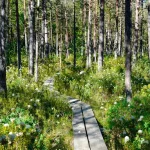
📷 Featured image by Miikka Luotio on Unsplash.