On this page
- Bus Travel: The Most Popular Route
- Driving Your Own Car: Routes and Road Conditions
- Train Service: Limited but Scenic Options
- Ride-sharing and Taxi Services
- Flying: When Air Travel Makes Sense
- Budget Breakdown: What Each Option Costs in 2026
- Timing Your Journey: Peak Season Considerations
- Frequently Asked Questions
Getting from Estonia’s capital to its beloved summer resort town has become significantly easier in 2026, but many travellers still wrestle with choosing the best transport option. With new express bus routes launching this year and ongoing Rail Baltica construction affecting some connections, knowing your options saves both time and money for the 130-kilometre journey south.
Bus Travel: The Most Popular Route
Buses remain the backbone of Tallinn-Pärnu travel, with Lux Express and Simple Express operating the most frequent services. The main departure hub is Tallinn’s central bus station (Autobussijaam), located next to Balti jaam railway station about 15 minutes walk from Old Town.
Lux Express runs their premium coaches every 30-45 minutes during peak hours, with journey times averaging 2 hours and 15 minutes. These buses feature free WiFi, power outlets, and comfortable reclining seats. The newer 2026 fleet includes climate-controlled cabins and larger windows for better coastal views during the final stretch into Pärnu.
Simple Express offers a more budget-friendly alternative with departures every hour. Their journey takes slightly longer at 2 hours and 30 minutes, but tickets cost about €3-4 less than Lux Express. Both companies stop at Pärnu bus station on Ringi street, just a 10-minute walk from the beach and old town centre.
For families with luggage, both bus companies allow one large suitcase per person in the cargo hold, plus standard carry-on items. Bicycles require advance booking and incur a €5 supplement with Lux Express.
Driving Your Own Car: Routes and Road Conditions
The drive from Tallinn to Pärnu via the A4 highway represents one of Estonia’s smoothest road experiences. This main route stretches 128 kilometres and typically takes 1 hour and 45 minutes in normal conditions.

The highway quality improved dramatically in 2025 with the completion of the final resurfacing project between Rapla and Pärnu. You’ll encounter minimal hills and several long straight sections perfect for maintaining steady speeds. The route passes through small towns like Keila, Rapla, and Paide, but bypass roads keep you moving without traffic light delays.
Fuel costs for the journey run approximately €12-15 for an average car, based on current petrol prices around €1.45 per litre. Two main service areas provide restroom facilities and snack options: the Keila stop at the 25-kilometre mark and the larger Türi complex around the halfway point.
Parking in Pärnu follows a zone system. The city centre uses paid parking (€1.20 per hour) from Monday to Saturday, 8:00 to 20:00. Free parking exists along Rüütli street and near Pärnu Hospital, both within walking distance of major attractions. The large shopping centre parking at Port Artur 2 offers three free hours and connects to the centre via a pleasant 15-minute stroll.
Winter driving requires extra attention, particularly on the stretch between Rapla and Türi where morning fog often reduces visibility. Estonian law mandates winter tyres from December through February, and many rental agencies enforce this requirement from November through March.
Train Service: Limited but Scenic Options
Elron operates a limited but charming train service between Tallinn and Pärnu, though it requires more planning than bus or car travel. The route runs twice daily in each direction during summer months, scaling back to weekends only during the October-April period.
The journey takes approximately 2 hours and 45 minutes, following a scenic inland route through Estonia’s agricultural heartland. Large windows in the modernised carriages showcase rolling farmland, forest patches, and traditional wooden houses that define rural Estonia’s character.

Tallinn departures leave from the central railway station (Balti jaam) at 8:15 and 17:30 during peak season. The train makes several intermediate stops including Keila, Haapsalu junction, and Lelle before reaching Pärnu station. This station sits about 2 kilometres from the city centre, but local bus number 3 provides regular connections.
Train tickets cost slightly less than premium bus fares, and the relaxed pace appeals to travellers who prefer a more leisurely journey. The afternoon departure offers particularly good light for photography enthusiasts interested in Estonia’s countryside landscapes.
One significant advantage: trains accommodate bicycles without advance booking for just €2 extra, making this an excellent option for cycling enthusiasts planning to explore Pärnu’s extensive bike trail network.
Ride-sharing and Taxi Services
Bolt dominates Estonia’s ride-sharing market and offers various service levels for the Tallinn-Pärnu route. A standard Bolt ride costs €45-60 depending on demand, while their premium option runs €65-80. The journey typically takes 1 hour and 50 minutes, slightly faster than bus travel thanks to fewer stops.
Bolt’s new 2026 advance booking feature allows you to reserve rides up to 24 hours ahead, particularly useful for early morning departures or late evening returns. The app shows estimated prices upfront, removing the uncertainty that previously made ride-sharing less attractive for longer distances.
Traditional taxi companies like Tulika and Takso still operate intercity services, though their rates generally exceed Bolt by 20-30%. These services work well for groups of 3-4 people where the per-person cost approaches bus fare levels while offering door-to-door convenience.
For budget-conscious travellers, BlaBlaCar connects drivers and passengers sharing the route. Prices typically range from €10-15 per person, though availability varies significantly by season and day of the week. Weekend availability peaks during summer months when many Tallinn residents head to their Pärnu summer houses.

Flying: When Air Travel Makes Sense
While no regular passenger flights connect Tallinn and Pärnu due to the relatively short distance, several scenarios make flying relevant for international visitors.
Pärnu Airport handles charter flights and private aircraft, making it accessible for business travellers or luxury tourism. The small terminal sits just 4 kilometres from the city centre, offering much quicker ground transfers than Tallinn Airport’s more complex logistics.
Some international visitors find it more convenient to fly directly into Pärnu during summer months when charter operators run seasonal services from major European cities. Nordica and LOT Polish Airlines have experimented with limited summer routes, though these remain irregular compared to Tallinn’s extensive flight network.
For travellers arriving internationally at Tallinn Airport, the most efficient connection involves taking the airport bus number 2 to the central bus station, then transferring to the Pärnu service. This combination adds about 45 minutes to your total journey time compared to a direct transfer.
Budget Breakdown: What Each Option Costs in 2026
Understanding the true cost of each transport option helps you make informed decisions based on your priorities and group size.
Budget Options (under €20 per person):
- Simple Express bus: €13-16 depending on advance booking
- BlaBlaCar ride-share: €10-15 when available
- Train service: €12-14 for standard seats
Mid-range Options (€20-30 per person):
- Lux Express premium bus: €18-23 with advance booking
- Fuel costs for personal car: €12-15 plus parking €5-10 daily
- Train first-class upgrade: €18-22
Comfortable Options (€30+ per person):
- Bolt ride-share solo: €45-60 total journey
- Traditional taxi services: €55-75 total journey
- Car rental including insurance: €35-45 daily plus fuel
Group travel significantly affects the economics. Four people sharing a Bolt ride pay roughly the same per person as premium bus tickets while enjoying door-to-door service. Families with young children often find the flexibility worth the extra cost, especially when factoring in luggage convenience and schedule flexibility.

Seasonal pricing kicks in during June through August, with bus fares increasing €2-4 during peak weekend periods. Advanced booking typically secures lower rates, particularly for Friday and Sunday travel when demand peaks.
Timing Your Journey: Peak Season Considerations
Summer transforms the Tallinn-Pärnu corridor into one of Estonia’s busiest travel routes, requiring strategic timing for the smoothest experience. The peak period runs from the last week of June through the first week of August, when Estonian schools close and international tourism reaches its zenith.
Friday afternoons represent the week’s most challenging travel window. Buses fill up quickly after 15:00 as weekend visitors begin their coastal migration. The A4 highway experiences its heaviest traffic between 16:00 and 19:00, potentially adding 20-30 minutes to driving times. Smart travellers either depart before 14:00 or wait until after 20:00 to avoid the worst congestion.
Sunday evenings create the reverse scenario, with heavy return traffic to Tallinn. The period between 17:00 and 21:00 sees packed buses and busy highways as the weekend concludes. Booking return journeys immediately upon arrival in Pärnu prevents disappointment during these high-demand windows.
Winter travel operates on a completely different rhythm. Fewer services run, but those available rarely fill to capacity. Road conditions require extra attention, particularly during the January-February period when ice and snow affect driving times.
Frequently Asked Questions
How early should I book my bus ticket during summer?
For weekend travel in July and August, book at least 3-4 days ahead. Weekday travel usually allows same-day booking, though morning departures fill faster than afternoon options.
Can I bring my bicycle on the bus?
Lux Express accepts bicycles with 24-hour advance notice and a €5 fee. Simple Express has limited bike space and requires calling their customer service to confirm availability before booking.

Is the train service reliable during winter?
Yes, but service frequency drops to weekends only from October through April. Weather delays are rare, but always check Elron’s website for seasonal schedule changes before travelling.
What’s the cheapest way for a family of four to travel?
Driving your own car typically offers the best value for families, especially when factoring in luggage convenience and schedule flexibility. Total costs including fuel and parking rarely exceed €25-30 for the entire group.
Are there direct connections from Tallinn Airport to Pärnu?
No direct bus service exists. The fastest route involves taking airport bus #2 to central Tallinn, then connecting to the Pärnu bus. Total journey time runs 3-3.5 hours including connection time.
Explore more
The Best Day Trips from Pärnu: Unforgettable Adventures Beyond the Beach
Pärnu: Beach District vs. Old Town vs. City Center – Which Area is Best For Your Stay?
Pärnu Summer Nightlife: Where to Find the Best Bars, Clubs & Live Music
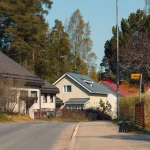
📷 Featured image by Marek Lumi on Unsplash.