On this page
- Traditional Palmse Manor Gift Shop: Historic Estate Treasures
- Käsmu Maritime Museum Store: Nautical Crafts & Sea-Themed Souvenirs
- Vihula Manor Artisan Workshop: Contemporary Estonian Design Meets Heritage
- Sagadi Manor Forest Centre: Nature-Inspired Handicrafts & Local Products
- Village Markets & Seasonal Craft Fairs: Rotating Pop-Up Shopping
- Altja Fishing Village: Authentic Maritime Folk Art & Handwoven Items
- Budgeting Your Lahemaa Souvenir Shopping: 2026 Price Guide
- Frequently Asked Questions
💰 Click here to see Estonia Budget Breakdown
💰 Prices updated: October, 2026. Budget figures are estimates — always verify before travel.
Exchange Rate: $1 USD = €0.88
Daily Budget (per person)
Shoestring: €40.00 – €70.00 ($45.45 – $79.55)
Mid-range: €120.00 – €250.00 ($136.36 – $284.09)
Comfortable: €300.00 – €900.00 ($340.91 – $1,022.73)
Accommodation (per night)
Hostel/guesthouse: €15.00 – €40.00 ($17.05 – $45.45)
Mid-range hotel: €60.00 – €150.00 ($68.18 – $170.45)
Food (per meal)
Budget meal: €15.00 ($17.05)
Mid-range meal: €35.00 ($39.77)
Upscale meal: €100.00 ($113.64)
Transport
Single metro/bus trip: €2.00 ($2.27)
Monthly transport pass: €30.00 ($34.09)
Lahemaa National Park’s souvenir scene has evolved dramatically since Estonia’s tourism boom accelerated in 2025. What was once limited to basic postcards and generic trinkets now offers some of the Baltic’s most authentic handcrafted treasures. The challenge for 2026 visitors isn’t finding souvenirs — it’s choosing between the manor workshops, village artisans, and seasonal markets scattered across this stunning coastal region.
Traditional Palmse Manor Gift Shop: Historic Estate Treasures
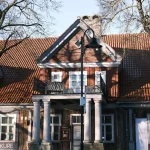
The restored 18th-century Palmse Manor houses Lahemaa’s most sophisticated souvenir destination. Inside the baroque manor house, the gift shop occupies three ground-floor rooms where the Estonian nobility once entertained. The scent of aged wood and lavender sachets fills the air as you browse hand-carved wooden items crafted by local artisans using traditional Baltic techniques.
The manor’s signature items include miniature wooden replicas of the estate’s distinctive copper weather vanes, priced at €45-85 depending on size and detail. Master woodcarver Mart Kivisild creates these using 300-year-old techniques, with each piece taking 2-3 days to complete. His workshop, visible through the shop’s back window, operates Tuesday through Saturday from April to October.
Textile enthusiasts shouldn’t miss the handwoven woollen scarves featuring patterns inspired by the manor’s original tapestries. These cost €65-95 and come with authentication cards detailing the historical design origins. The shop also stocks locally-made honey from beehives maintained on the estate grounds — the wildflower variety (€8 for 250g) captures the essence of Lahemaa’s coastal meadows.
The manor’s book selection focuses on Estonian cultural history, with several English-language titles about Baltic manor life and traditional crafts. The beautifully illustrated “Lahemaa Through Four Seasons” (€28) makes an excellent coffee table book, featuring photography by acclaimed Estonian nature photographer Sven Začek.

Käsmu Maritime Museum Store: Nautical Crafts & Sea-Themed Souvenirs
Käsmu village’s maritime heritage comes alive in the museum shop located within the former sea captain’s residence. The building itself tells the story — thick stone walls that once protected ships’ charts and navigation instruments now display handcrafted nautical items that capture centuries of Baltic seafaring tradition.
The museum shop’s crown jewels are scale model ships built by retired fishing boat captain Rein Mägi. His 1:50 scale replica of a traditional Estonian fishing vessel takes three months to build and costs €320. For smaller budgets, his miniature lighthouses (€45-75) recreate famous Lahemaa coastal beacons with working LED lights powered by tiny solar panels.
Käsmu’s rope work tradition continues through local artisan Liis Kuusk, whose nautical rope products range from practical items like keychains (€12) to decorative wall hangings (€85-150). She uses authentic hemp rope from Estonian flax, treated with traditional pine tar methods that give each piece its distinctive aroma and weather resistance.
The shop’s amber jewelry collection features stones gathered from Lahemaa’s beaches. Local amber hunter Jaak Saar provides pieces ranging from simple pendants (€25) to complex necklaces incorporating driftwood elements (€180-250). Each amber piece comes with information about where along Lahemaa’s 100-kilometre coastline it was discovered.
Maritime books and charts fill two large display cases, including reproductions of 19th-century navigation charts of the Gulf of Finland (€35) and a comprehensive guide to Baltic lighthouses in Estonian, Russian, and English (€42).
Vihula Manor Artisan Workshop: Contemporary Estonian Design Meets Heritage
Vihula Manor’s converted stable buildings now house Estonia’s most innovative craft workshops, where traditional techniques meet contemporary design sensibilities. The complex opened its artisan quarter in late 2025, attracting designers who work with historical methods but create thoroughly modern pieces.
Ceramic artist Kadri Poldmaa operates her studio in the former horse stalls, where the stone floors and thick walls maintain perfect humidity for her clay work. Her contemporary interpretations of medieval Estonian pottery start at €35 for small bowls and reach €450 for large decorative vessels. Each piece incorporates ash from local birch and oak trees, creating unique glazes that reflect Lahemaa’s forest character.

The manor’s textile studio showcases designer Elina Vööbus, who creates contemporary clothing using traditional Estonian weaving techniques. Her signature linen dresses incorporate patterns from archaeological textiles found in Tallinn’s medieval layers. Prices range from €180 for simple tunics to €680 for complex ceremonial-style garments. The cool stone floors of her workshop maintain ideal conditions for working with natural fibers.
Glassblower Toomas Sink creates contemporary interpretations of traditional Estonian drinking vessels in his forge-like workshop. His hand-blown pieces range from simple shot glasses (€28) to elaborate decanters (€350) that reference historical designs while serving modern functions. The intense heat from his furnace creates a dramatic contrast with the manor’s cool corridors.
The manor’s shop also features collaborative pieces where multiple artisans contribute skills — such as wooden boxes with ceramic inlays, or textile art mounted in handcrafted frames. These unique items typically cost €150-400 and come with documentation about each contributing artist.
Sagadi Manor Forest Centre: Nature-Inspired Handicrafts & Local Products
Sagadi Manor’s Forest Centre shop reflects its location within Estonia’s most biodiverse ecosystem. The shopping experience begins with the earthy aroma of pine and birch wood shavings from the active carpentry workshop adjacent to the retail space. Every product here connects directly to Lahemaa’s forests, from raw materials to finished designs inspired by local flora and fauna.
Master carpenter Andres Kask creates furniture and decorative items exclusively from trees felled within Lahemaa National Park. His carved wooden bowls (€55-95) showcase different Estonian wood grains, while his larger pieces like small tables (€280-450) feature live edges that preserve each tree’s natural character. The workshop’s large windows allow visitors to watch him work with traditional hand tools.

The centre’s botanical products include herbal teas blended from plants growing within the park boundaries. Foraging expert Marja Kallas leads seasonal expeditions that supply ingredients for teas like the signature “Lahemaa Forest Blend” (€14 for 50g), combining bilberry leaves, meadowsweet, and wild mint. Her field guides to Estonian forest plants (€32) include detailed photos and traditional uses.
Local beekeeper Toivo Tamm maintains hives throughout Sagadi’s forest clearings, producing distinctive honeys that reflect seasonal blooms. Spring dandelion honey (€12 for 350g) offers bright, floral notes, while late summer heather honey (€18 for 350g) provides rich, almost wine-like complexity. His bee products include handmade beeswax candles (€8-25) and traditional Estonian mead (€35 per bottle).
The shop’s fiber arts section features items made from wool of sheep that graze Sagadi’s historical meadows. Hand-spun yarns (€8-15 per skein) come in natural colors reflecting local dyes — grey from alder bark, yellow from birch leaves, and deep red from madder root grown in the manor’s herb gardens.
Educational Souvenirs and Field Guides
Sagadi specializes in educational materials that enhance understanding of Estonian ecosystems. The detailed “Birds of Lahemaa” field guide (€28) includes audio QR codes linking to actual bird calls recorded in the park. Similarly, the “Lahemaa Mushroom Guide” (€32) helps visitors identify the 200+ fungal species found within the park’s diverse habitats.
Village Markets & Seasonal Craft Fairs: Rotating Pop-Up Shopping
Lahemaa’s village markets operate on rotating schedules that follow Estonia’s agricultural calendar, offering the most authentic shopping experiences for visitors willing to plan around local rhythms rather than tourist schedules. These markets showcase products you won’t find in permanent shops, created by artisans who supplement farming or fishing income with traditional crafts.

The Võsu Summer Market runs every Saturday from June through August in the village centre, 200 metres from the main beach. Early morning arrival (before 9:00) ensures the best selection as vendors display items completed during the week. Regular vendors include elderly fisherman Oskar Tamm, who carves intricate fishing lures from local juniper (€15-30) that actually function for Baltic fishing while serving as distinctive decorative items.
Käsmu’s autumn craft fair occurs the first weekend of September, coinciding with the traditional end of the fishing season. Local families display year-long projects including hand-knitted sweaters featuring maritime motifs (€120-280) and carved wooden ship wheels ranging from decorative miniatures (€45) to functional pieces for boat restoration (€350-500).
The Altja Winter Market operates indoors at the village community centre every second Saturday from December through February. The warm interior provides relief from sub-zero temperatures while showcasing traditional winter crafts. Hand-woven woollen mittens featuring ancient Estonian symbols cost €35-45, while thick woollen socks designed for fishing boots range from €25-35.
Spring markets in April and May focus on Easter traditions and forest products. Wooden Easter eggs carved with traditional patterns cost €12-25, while birch bark items — from simple containers (€18) to complex decorative boxes (€85) — showcase techniques practiced for centuries in Estonian forests.
Altja Fishing Village: Authentic Maritime Folk Art & Handwoven Items
Altja village maintains Estonia’s most authentic fishing community atmosphere, where traditional crafts continue serving practical purposes alongside their tourist appeal. The village’s three small shops operate from converted fishermen’s cottages, preserving the intimate scale and personal relationships that define authentic folk art purchasing.

Fisherman’s wife Aino Kõrv operates her textile workshop from her family’s 150-year-old cottage, where the smell of wool and fish oil creates an authentic maritime atmosphere. Her hand-knitted fisherman’s sweaters (€180-320) use patterns passed down through five generations, with each design originally indicating a fisherman’s home village for identification if lost at sea. The natural grey and white colors come from undyed Estonian wool, treated with lanolin for water resistance.
Master net-maker Jüri Vesk continues repairing fishing nets while creating decorative versions for visitors. His smaller decorative nets (€25-45) work perfectly as wall hangings, while larger pieces (€85-150) can serve functional purposes for boat owners. Each net uses traditional Estonian knots that differ from Scandinavian or Russian techniques.
The village’s cooperative shop, housed in the former fishing gear storage building, showcases work by multiple families. Hand-carved wooden fish sculptures (€35-120) represent species commonly caught in Lahemaa waters, created by fishermen during winter months when seas become too rough for regular work. Traditional fishing floats made from local pine and sealed with tar (€15-35) serve as unique decorative items while maintaining their original functionality.
Altja’s specialty items include traditional Estonian fish-smoking spices (€8-12) blended according to recipes used by local families for generations. These spice mixtures work equally well for home smoking or as unique gifts for cooking enthusiasts. The shop also stocks traditional Estonian fishing lines made from horse hair (€45 for 50 metres), still preferred by some local fishermen for their sensitivity to fish movements.
Traditional Food Preservation Items
Several Altja families continue traditional food preservation methods, creating products that serve as both functional items and cultural artifacts. Hand-carved wooden butter molds (€45-85) bearing traditional Estonian patterns allow visitors to recreate historical food presentation. Traditional Estonian fish-curing salt blends (€12-18) include juniper berries and other Baltic seasonings that create distinctive flavor profiles impossible to replicate with commercial substitutes.

Budgeting Your Lahemaa Souvenir Shopping: 2026 Price Guide
Planning your Lahemaa souvenir budget requires understanding the pricing structure that reflects both authenticity and craftsmanship quality. Prices have stabilized since the tourism surge of 2025, with clear tiers emerging across different product categories and shopping venues.
Budget-Friendly Options (€5-25)
Small handcrafted items provide affordable authentic souvenirs without compromising quality. Hand-carved wooden spoons cost €8-15 depending on wood type and carving complexity. Traditional Estonian bookmarks featuring folk patterns range from €5-12, while small pottery items like tea light holders cost €12-18. Local honey products, including 250g jars of wildflower or heather honey, typically cost €8-14.
Textile items in this range include hand-knitted woollen keychains (€8-12) and small embroidered patches featuring Estonian folk motifs (€6-10). Traditional Estonian postcards featuring local artwork cost €2-4 each, while reproduction historical maps of Lahemaa region range from €15-25.
Mid-Range Selections (€25-100)
This category offers the best balance between authenticity and practicality. Hand-carved wooden bowls range from €35-75, while traditional Estonian cutting boards cost €45-85. Handwoven scarves and small textiles typically range from €40-80, depending on complexity and materials used.
Ceramic items include decorative plates (€35-65), traditional Estonian beer mugs (€25-45), and medium-sized vases (€50-95). Amber jewelry falls primarily in this range, with simple pendants costing €25-45 and more elaborate necklaces reaching €65-95.
Books and educational materials cost €25-45 for quality field guides and cultural histories, while traditional Estonian board games and puzzles range from €30-55.
Comfortable Purchases (€100-500)
Higher-end items represent significant craftsmanship and authentic cultural artifacts. Hand-knitted traditional sweaters cost €120-320, while complex woodworking pieces like carved boxes or small furniture items range from €180-450. Large ceramic pieces and complex glasswork typically cost €150-350.

Authentic maritime antiques and reproduction historical items fall in this range, including ship models (€200-400) and traditional navigation instruments (€150-300). High-quality textile art and tapestries range from €200-500, depending on size and complexity.
Special Commission Work (€300-1000+)
Custom commissioned pieces represent the highest level of Estonian craftsmanship. Full-sized traditional costumes cost €400-800, while major woodworking projects like custom furniture pieces start at €500. Large-scale ceramic works and major textile projects can exceed €1000, particularly for pieces requiring several weeks of work.
Payment and Shipping Options
Most Lahemaa shops accept major credit cards, though small village vendors often prefer cash. Estonian retailers provide VAT refunds for non-EU visitors on purchases exceeding €38. Shipping services to major international destinations cost €15-45 for packages under 2kg, with most shops offering secure packaging for fragile items.
Several shops offer “collect on departure” services, holding purchased items until visitors complete their Estonia travels. This service typically costs €5-10 and proves especially valuable for fragile items or large purchases.
Frequently Asked Questions
What makes Lahemaa handicrafts authentic compared to mass-produced souvenirs?
Lahemaa artisans create items using traditional techniques passed down through generations, often incorporating materials sourced locally within the national park. Each piece shows individual craftsmanship variations that distinguish handmade items from factory production.
Are Lahemaa shops open year-round or only during tourist season?
Manor shops operate year-round with reduced winter hours (typically 10:00-16:00). Village shops often close November through March, while markets follow seasonal schedules. Always check current hours before visiting, especially October through April.
Can I watch artisans creating items before purchasing?
Most major locations offer workshop viewing opportunities. Palmse Manor, Vihula Manor, and Sagadi Forest Centre provide scheduled demonstration times. Village artisans often welcome visitors but appreciate advance notice to ensure someone’s working when you visit.
Do Lahemaa shops ship internationally, and how reliable is shipping?
Established shops offer international shipping through Omniva and DPD, with delivery times of 7-14 days to major destinations. Shipping costs €15-45 depending on package size and destination. Fragile items receive professional packaging, and tracking numbers are provided.
What’s the best time of year for the widest selection of handcrafted items?
Late spring through early autumn (May-September) offers the fullest selection, as artisans complete winter projects and seasonal markets operate regularly. However, winter shopping provides a more intimate experience with artisans having more time for detailed conversations about their work.
Explore more
Where to Go Out in Lahemaa After Dark: Võsu’s Best Bars & Evening Experiences
Where to Stay in Lahemaa: Palmse, Sagadi, Käsmu or Võsu? Your Guide to the Best Areas
Your Essential Guide to a Day Trip to Tallinn from Lahemaa National Park
📷 Featured image by Julius Jansson on Unsplash.