On this page
- Tallinn’s Medieval Magic Meets Modern Innovation
- Neighborhoods Guide: From Old Town Cobblestones to Hipster Enclaves
- Must-See Attractions: Towers, Views, and Digital Wonders
- Where to Eat: From Market Halls to Michelin Stars
- Getting Around: Trams, E-scooters, and Smart City Solutions
- Perfect Day Trips: Islands, Forests, and Soviet Relics
- After Dark: Rooftop Bars and Underground Scenes
- Shopping Districts: Craft Markets to Designer Boutiques
- Where to Stay: Castle Views to Seaside Retreats
- Timing Your Visit: Weather, Crowds, and Festival Magic
- Practical Essentials: Digital Life in Europe’s Most Connected City
- Daily Budget Breakdown: Euros and Expectations
- Frequently Asked Questions
💰 Click here to see Estonia Budget Breakdown
💰 Prices updated: October, 2026. Budget figures are estimates — always verify before travel.
Exchange Rate: $1 USD = €0.88
Daily Budget (per person)
Shoestring: €40.00 – €70.00 ($45.45 – $79.55)
Mid-range: €120.00 – €250.00 ($136.36 – $284.09)
Comfortable: €300.00 – €900.00 ($340.91 – $1,022.73)
Accommodation (per night)
Hostel/guesthouse: €15.00 – €40.00 ($17.05 – $45.45)
Mid-range hotel: €60.00 – €150.00 ($68.18 – $170.45)
Food (per meal)
Budget meal: €15.00 ($17.05)
Mid-range meal: €35.00 ($39.77)
Upscale meal: €100.00 ($113.64)
Transport
Single metro/bus trip: €2.00 ($2.27)
Monthly transport pass: €30.00 ($34.09)
Planning a trip to Tallinn in 2026 means navigating a city that’s transformed dramatically since the pandemic. Estonia’s capital now balances its UNESCO-protected medieval core with cutting-edge digital infrastructure, but many travelers struggle to understand which neighborhoods suit their style and how to avoid the cruise ship crowds that can overwhelm the Old Town during peak summer months.
Tallinn’s Medieval Magic Meets Modern Innovation
Tallinn feels like stepping into a fairy tale that someone equipped with fiber optic cables. The medieval Old Town, encircled by 13th-century walls and punctuated by Gothic spires, sits at the heart of what’s arguably Europe’s most digitally advanced city. You’ll find yourself ordering coffee through an app while standing beneath towers where merchants once traded amber and furs.
The contrast hits you immediately. Cobblestone streets lead to startup offices where teenagers code the next unicorn company. Medieval guild halls neighbor co-working spaces filled with digital nomads taking advantage of Estonia’s e-residency program. The scent of cinnamon and cardamom from traditional pastries mingles with specialty coffee from third-wave roasters who’ve set up shop in converted merchant houses.
This isn’t a museum city playing dress-up. Tallinn works as a living, breathing capital where 440,000 residents go about their daily lives. The medieval core serves as the ceremonial heart, but the real energy flows through neighborhoods like Kalamaja, where Soviet-era wooden houses have become galleries and craft beer bars, and Rotermann Quarter, where 19th-century industrial buildings now house tech companies and design studios.
The city’s compact size makes it perfect for exploration on foot, though you’ll want to pace yourself. The Old Town alone packs enough attractions for two full days, while the surrounding districts each offer their own distinct personalities. Most visitors find three to four days ideal for experiencing both the historical highlights and the contemporary culture that makes Tallinn special.

Neighborhoods Guide: From Old Town Cobblestones to Hipster Enclaves
The Old Town (Vanalinn) divides into two distinct areas. The Lower Town surrounds the main square with its pastel-colored guild houses and outdoor café terraces. This area buzzes with tourists during summer days but transforms into something more intimate in the early mornings and evenings. The Upper Town, centered around Toompea Castle and the cathedral, offers the best views but fewer dining options.
Kalamaja has evolved into Tallinn’s creative quarter since 2020. The neighborhood’s colorful wooden houses, many dating from the early 1900s, now shelter art studios, vintage shops, and some of the city’s best restaurants. The weekly Balti Jaam Market brings together local producers every Saturday, filling the air with the aroma of fresh bread and smoked fish. This area suits travelers who prefer boutique guesthouses over chain hotels.
Rotermann Quarter represents new Tallinn perfectly. The restored 19th-century industrial complex houses flagship stores, contemporary restaurants, and the city’s main shopping center. The architecture alone makes it worth visiting, with red brick factories converted into glass-and-steel showpieces. It’s walking distance from both the Old Town and the port, making it practical for cruise passengers with limited time.
Kadriorg feels more residential and refined. Built around Peter the Great’s baroque palace and its surrounding park, this district attracts visitors to the KUMU art museum and the presidential palace grounds. The seaside location provides a different perspective on Tallinn, especially during summer when locals flock to the beach areas.
Telliskivi Creative City occupies a former industrial complex that’s been transformed into studios, shops, and event spaces. Thursday through Saturday, it hosts flea markets and food trucks. The area works best for younger travelers interested in alternative culture and nightlife.
Must-See Attractions: Towers, Views, and Digital Wonders

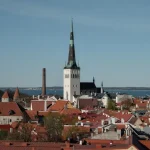
Start with Toompea Castle and Alexander Nevsky Cathedral for the essential Tallinn experience. The cathedral’s onion domes dominate the skyline, while the castle houses Estonia’s parliament. The real prize here is the viewing platform behind the cathedral, which provides the classic postcard view over the Old Town’s red-tiled roofs toward the Baltic Sea.
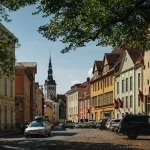
Town Hall Square serves as the Old Town’s beating heart. The Gothic town hall, dating from the 15th century, anchors a square lined with merchant houses that now contain restaurants and souvenir shops. During winter, the Christmas market fills the square with wooden stalls selling mulled wine and woolen mittens. Summer brings outdoor dining and street performers.
The medieval city walls and towers offer a different perspective on the city’s history. You can climb several towers, including Fat Margaret near the port and Tall Hermann at the castle. The walk along the preserved sections of wall provides excellent photo opportunities and helps you understand the Old Town’s layout.
KUMU Art Museum in Kadriorg showcases both classical and contemporary Estonian art. The building itself, completed in 2006, won the European Museum of the Year award. Plan at least two hours here, especially for the Soviet-era collection that provides context for understanding modern Estonia.
The Seaplane Harbour Museum transforms a massive seaplane hangar into an interactive maritime museum. The highlight is a full-size submarine you can explore, along with historical ships and aircraft. The building’s architecture rivals the exhibitions, with soaring concrete arches that create dramatic lighting throughout the day.
For a glimpse into Estonia’s digital revolution, visit the e-Estonia Briefing Centre near the Old Town. Free presentations explain how this small nation became a world leader in digital governance, from online voting to blockchain integration in government services.

Where to Eat: From Market Halls to Michelin Stars
Balti Jaam Market provides the best introduction to Estonian ingredients and flavors. The renovated train station now houses food vendors, local producers, and casual restaurants. Try the smoked fish from vendors who’ve been selling here for decades, or sample craft beers from Estonian microbreweries. The market stays open until 8 PM most days, making it perfect for early dinner.
The Old Town concentrates most tourist-oriented restaurants, but quality varies dramatically. Stick to places like Olde Hansa for theatrical medieval dining (complete with costumed servers and candle-lit halls), or Restaurant O for modern European cuisine in a 14th-century setting. Avoid the obvious tourist traps around Town Hall Square during lunch hours when cruise groups arrive.
Kalamaja offers the most exciting dining scene for food enthusiasts. Restaurant Ö emerged as Estonia’s first Michelin-starred establishment in 2022, serving innovative Nordic cuisine that emphasizes local ingredients and traditional preservation techniques. The tasting menu changes seasonally but always showcases the best Estonian producers.
For casual meals, explore the Rotermann Quarter food court in the shopping center, which brings together local fast-casual concepts under one roof. The selection includes everything from traditional Estonian soups to Korean-Estonian fusion, reflecting Tallinn’s increasingly diverse population.
Telliskivi Creative City hosts weekend food markets where young chefs experiment with pop-up concepts. These temporary restaurants often become permanent fixtures if they prove popular. The area also houses several established restaurants focusing on contemporary Estonian cuisine with international influences.
The craft beer scene has exploded since 2020, with breweries like Põhjala and Tanker opening tasting rooms throughout the city. Many restaurants now pair Estonian microbrews with traditional dishes, creating combinations that highlight both local ingredients and brewing innovation.

Getting Around: Trams, E-scooters, and Smart City Solutions
Tallinn’s public transportation system runs on a comprehensive network of buses, trams, and trolleys. The city introduced free public transport for residents in 2013, and visitors can purchase day passes through the official app for €3. The tram system expanded significantly in 2025, with new lines connecting the airport to the city center and extending service to previously underserved neighborhoods.
Trams provide the most scenic way to travel, especially lines 1 and 2, which pass through multiple neighborhoods and offer views of both the Old Town and the sea. The new airport tram, operational since early 2025, connects Lennart Meri Tallinn Airport to the city center in 25 minutes for €2.
E-scooters and bike-sharing systems blanket the city through companies like Bolt and Tier. These work particularly well for covering the distance between neighborhoods, though they’re not allowed in the Old Town’s pedestrian areas. The flat terrain makes cycling pleasant, and dedicated bike lanes connect most major districts.
Walking remains the best option within individual neighborhoods. The Old Town is entirely pedestrian-friendly, though the cobblestones can be challenging in wet weather or for those with mobility issues. Most attractions within each district are within 10-15 minutes of each other on foot.
Taxi services operate through apps like Bolt (Estonian-founded) and Uber. Rides within the city typically cost €5-8, while airport transfers run €12-15. The taxi market is well-regulated, so you won’t encounter the pricing issues common in some other European capitals.
For longer excursions, car rental makes sense, especially for exploring Lahemaa National Park or the western islands. Most international chains operate at the airport and downtown, with daily rates starting around €35 for economy cars.
Perfect Day Trips: Islands, Forests, and Soviet Relics

Lahemaa National Park (1 hour drive) showcases Estonia’s natural landscape at its finest. The park combines coastal cliffs, ancient forests, and restored manor houses. Viru Bog offers a 3.5-kilometer boardwalk trail through pristine wetlands where you can spot wild cranberries and, with luck, elk. The crunch of wooden planks underfoot and the earthy smell of peat create an immersive wilderness experience just an hour from the capital.
Naissaar Island (45-minute ferry) provides a fascinating day trip focused on military history. This former Soviet naval base remained closed to civilians until the 1990s. Today, you can explore abandoned bunkers, a submarine base, and gun emplacements while walking through forests that have reclaimed much of the infrastructure. Ferries run daily from May through September.
Tartu (2.5 hours by bus) makes an excellent day trip for those interested in Estonian intellectual life. The university town features a beautifully restored old town centered around one of Northern Europe’s oldest universities. The journey takes you through classic Estonian countryside dotted with manor houses and small farms.
Saaremaa Island requires more time but rewards visitors with medieval castles, traditional windmills, and distinctive local culture. The Kuressaare Castle, completely surrounded by a moat, looks like something from a storybook. Plan a full day including ferry transfers, or consider an overnight stay to explore the island properly.
Paldiski (1 hour by bus) offers a glimpse into recent history as a former closed Soviet submarine base. The town now features dramatic coastal cliffs and the restored Pakri Lighthouse. The contrast between crumbling Soviet-era buildings and pristine natural beauty creates a uniquely Baltic experience.
After Dark: Rooftop Bars and Underground Scenes
Tallinn’s nightlife divides between sophisticated cocktail culture and underground club scenes. The Old Town attracts tourists with medieval-themed pubs and beer gardens, but locals increasingly avoid these areas after dark due to crowds and inflated prices.

Kalamaja has emerged as the epicenter of craft cocktail culture. Bars like Whisper Sister and HUMALAKODA serve creative drinks in intimate settings housed within converted wooden buildings. The neighborhood’s quiet streets create a more relaxed atmosphere compared to the tourist-heavy Old Town.
Rooftop bars capitalize on Tallinn’s compact skyline and northern latitude’s extended summer daylight. Hotel Telegraaf’s rooftop offers Old Town views with upscale cocktails, while the Swissotel’s top-floor bar provides panoramic vistas across the entire city and Baltic Sea.
Telliskivi Creative City houses several clubs and alternative venues that showcase local DJs and live music. The industrial setting provides excellent acoustics, and the variety of spaces means you can find everything from electronic dance music to indie rock on any given weekend.
The Rotermann Quarter offers a middle ground with stylish wine bars and gastropubs that stay open late but maintain a more sophisticated atmosphere than typical nightclubs. Many establishments feature outdoor terraces that remain pleasant through Estonia’s long summer evenings.
Live music venues have multiplied since 2024, with many focusing on the thriving Estonian folk and electronic music scenes. Check local listings for concerts at venues like Von Krahl Theatre and Philly Joe’s Jazz Club, which regularly feature both international and local performers.
Shopping Districts: Craft Markets to Designer Boutiques
Viru Keskus anchors mainstream shopping in the city center, housing international brands alongside Estonian retailers. The shopping center connects directly to the Old Town and includes a large supermarket useful for stocking up on local specialties to take home.
Rotermann Quarter focuses on premium and designer shopping, with flagship stores for Scandinavian brands and Estonian fashion designers. The architecture enhances the shopping experience, with glass-roofed passages connecting historical buildings to contemporary additions.

The Old Town specializes in handicrafts, amber jewelry, and woolen goods. Quality varies significantly, so focus on shops that clearly indicate local production. The Guild Shop and Estonian Design House offer guaranteed authentic Estonian crafts, including traditional textiles and contemporary ceramics.
Balti Jaam Market provides the best selection of local food products, craft beers, and artisanal goods. Saturday mornings feature additional vendors selling vintage clothing, handmade jewelry, and small-batch cosmetics made with local ingredients like sea buckthorn and birch extract.
Kalamaja harbors numerous boutiques and vintage shops along Telliskivi and Kopli streets. These smaller retailers often stock unique items you won’t find elsewhere, including upcycled Soviet-era goods transformed into contemporary designs and limited-edition prints by local artists.
For authentic Estonian wool products, visit shops that source directly from the islands, particularly Saaremaa and Hiiumaa, where traditional knitting patterns have been preserved for centuries. These items cost more than mass-produced alternatives but provide genuine cultural artifacts and superior quality.
Where to Stay: Castle Views to Seaside Retreats
Budget accommodations (€25-50/night) cluster around Telliskivi and the edges of Kalamaja. Hostels like Euphoria and Tallinn Backpackers Inn provide clean, modern facilities with shared kitchens and common areas. Many occupy converted Soviet-era buildings that have been thoughtfully renovated while maintaining interesting architectural details.
Mid-range options (€60-120/night) in the Old Town offer the most convenient location for sightseeing. Hotels like Merchant’s House and Old Town Maestro’s provide boutique experiences within medieval buildings, complete with stone walls and vaulted ceilings. However, expect some noise from late-night revelry in the surrounding streets.
Luxury accommodations (€150-300/night) divide between historical properties and contemporary business hotels. Hotel Telegraaf occupies a restored 19th-century post office with individually designed rooms, while the Swissotel offers modern amenities and stunning city views from upper floors.

Kalamaja provides the most authentic local experience through guesthouses and apartment rentals. Staying here puts you within walking distance of the best restaurants and bars while maintaining some distance from tourist crowds. Many properties occupy restored wooden houses with original details and modern amenities.
Kadriorg suits travelers who prefer a quieter, more residential atmosphere. The area offers easy access to both the city center and seaside recreation areas, with several small hotels and B&Bs housed in early 20th-century villas.
Book accommodations well in advance for summer visits, especially during the White Nights festival in June and the medieval festival in July. Winter offers significantly lower rates and authentic seasonal atmosphere, though some smaller establishments close during the coldest months.
Timing Your Visit: Weather, Crowds, and Festival Magic
Summer (June-August) brings the warmest weather and longest days, with temperatures reaching 20-25°C and daylight lasting until nearly 11 PM. This is peak tourist season, meaning higher prices and crowded attractions, especially when cruise ships dock. The medieval festival in July transforms the Old Town into a living history exhibit, complete with period costumes and traditional crafts.
Spring (April-May) offers excellent weather with fewer crowds as temperatures climb to 15-18°C. The city shakes off winter’s quiet atmosphere, outdoor café terraces reopen, and locals emerge for evening strolls. This period provides the best balance between pleasant weather and manageable tourist levels.
Autumn (September-October) delivers beautiful fall colors in parks and forests, with comfortable temperatures around 12-16°C. September particularly shines with warm days and crisp evenings perfect for exploring on foot. The Estonian autumn flavors—wild mushrooms, berries, and harvest vegetables—dominate restaurant menus.
Winter (November-March) transforms Tallinn into a Nordic wonderland, especially when snow blankets the Old Town’s red roofs and medieval towers. Temperatures hover around -2 to -8°C, but the Christmas markets, cozy indoor attractions, and authentic seasonal atmosphere compensate for the cold. Hotel rates drop significantly, and you’ll experience the city as locals do.

The White Nights Festival in late June celebrates the summer solstice with outdoor concerts, art installations, and extended museum hours. This has become one of Tallinn’s signature events, showcasing contemporary Estonian culture alongside traditional celebrations.
Practical Essentials: Digital Life in Europe’s Most Connected City
Estonia leads Europe in digital infrastructure, and Tallinn showcases this advancement daily. Free WiFi covers most public areas, including buses, trams, and parks. Most services—from parking to public transport tickets—can be handled through smartphone apps, making cash increasingly unnecessary.
Language poses minimal barriers for English speakers. Most Tallinn residents under 40 speak fluent English, and all tourist-facing businesses operate comfortably in English. Restaurant menus, museum displays, and public transport information appear in multiple languages, including English.
Safety ranks among Europe’s highest levels. Violent crime is exceptionally rare, and petty crime occurs mainly in tourist areas during peak season. The biggest risks involve pickpocketing in crowded Old Town areas and overcharging at tourist-oriented restaurants and bars.
Currency is the euro, and card payments are accepted virtually everywhere, including street vendors and public transport. Many establishments no longer accept cash, so ensure you have a working debit or credit card. ATMs are widely available but rarely necessary.
Tipping follows European standards: 10-15% for table service in restaurants, rounding up for taxi rides, and small tips for exceptional service. Many establishments now include service charges, so check your receipt before adding additional gratuity.
Download essential apps before arrival: the official Tallinn transport app for public transit, Bolt for taxis and e-scooters, and mobile banking if your bank supports international use. The Tallinn Card app provides museum information and real-time crowd updates for major attractions.

Daily Budget Breakdown: Euros and Expectations
Budget travelers (€40-60/day): Hostel accommodation €25-30, public transport €3, lunch at market or casual restaurant €8-12, dinner at local restaurant €12-18, one museum/attraction €8-15, drinks €15-20. This budget works best outside summer peak season and requires cooking some meals or eating at markets.
Mid-range travelers (€80-120/day): Three-star hotel or quality guesthouse €60-80, taxi rides when needed €10-15, lunch at good restaurant €15-25, dinner with wine €25-40, multiple attractions €20-30, evening drinks €20-30. This range provides comfortable experiences without luxury pricing.
Comfortable travelers (€150-250/day): Four or five-star hotel €100-160, private transport €20-40, quality restaurant meals €35-55, premium attractions and experiences €40-60, fine dining dinner €60-100, cocktails and entertainment €40-60. This budget allows for luxury experiences and spontaneous activities.
Costs increase significantly during summer months (June-August) when accommodation rates can double and restaurant prices rise 20-30%. Winter visits offer the best value, with hotel rates dropping by 40-50% and many restaurants offering special seasonal menus at reduced prices.
Money-saving strategies include purchasing the Tallinn Card for museum entries, eating lunch at markets rather than restaurants, taking advantage of happy hour specials (typically 17:00-19:00), and booking accommodations outside the immediate Old Town area.
Frequently Asked Questions
How many days do I need in Tallinn? Three to four days provide sufficient time to explore the Old Town thoroughly, visit major museums, experience different neighborhoods, and take one day trip. Two days covers the essential highlights but feels rushed for most visitors.
Is Tallinn expensive compared to other European capitals? Tallinn costs significantly less than Nordic capitals but more than other Baltic cities. Expect prices roughly 60-70% of Copenhagen levels, with accommodation and dining representing the largest expenses for most travelers.
Can I visit Tallinn without speaking Estonian or Russian? English works perfectly throughout Tallinn, especially in tourist areas, restaurants, and among younger residents. German is also widely understood, while Russian remains common among older residents but isn’t necessary for visitors.
What’s the best way to get from the airport to the city center? The new airport tram (operational since 2025) provides the most convenient connection for €2, taking 25 minutes to reach the city center. Taxis cost €12-15, while buses remain the budget option at €2 but require transfers.
Is Tallinn worth visiting in winter? Winter visits offer authentic atmosphere, dramatically lower prices, and unique experiences like Christmas markets and winter festivals. The main drawbacks are shorter daylight hours (7-8 hours in December) and cold temperatures requiring appropriate clothing.
Explore more
The Ultimate Guide to Tallinn Nightlife: Where to Party Until Dawn
The Ultimate Guide to Shopping in Tallinn: Where to Find Everything You Need
Kalamaja Tallinn: A Local’s Guide to the Trendiest District
Is Tallinn Old Town Worth Visiting? Beyond the Main Square
📷 Featured image by Ilja Tulit on Unsplash.