On this page
- Estonia’s Unique Appeal in the European Context
- The World’s Most Advanced Digital Society
- Medieval Tallinn and Living History
- Pristine Natural Landscapes
- Authentic Cultural Experiences
- Estonia’s Culinary Renaissance
- Island Hopping Adventures
- Seasonal Travel Considerations
- Travel Logistics and Accessibility
- Value for Money Analysis
- Honest Assessment of Limitations
- 2026 Budget Breakdown
- Frequently Asked Questions
💰 Click here to see Estonia Budget Breakdown
💰 Prices updated: October, 2026. Budget figures are estimates — always verify before travel.
Exchange Rate: $1 USD = €0.88
Daily Budget (per person)
Shoestring: €40.00 – €70.00 ($45.45 – $79.55)
Mid-range: €120.00 – €250.00 ($136.36 – $284.09)
Comfortable: €300.00 – €900.00 ($340.91 – $1,022.73)
Accommodation (per night)
Hostel/guesthouse: €15.00 – €40.00 ($17.05 – $45.45)
Mid-range hotel: €60.00 – €150.00 ($68.18 – $170.45)
Food (per meal)
Budget meal: €15.00 ($17.05)
Mid-range meal: €35.00 ($39.77)
Upscale meal: €100.00 ($113.64)
Transport
Single metro/bus trip: €2.00 ($2.27)
Monthly transport pass: €30.00 ($34.09)
With overtourism plaguing many European destinations in 2026, savvy travelers increasingly ask whether Estonia—one of Europe’s least crowded gems—delivers authentic experiences worth the journey. The short answer: absolutely, but perhaps not for the reasons you’d expect.
Estonia’s Unique Appeal in the European Context
Estonia occupies a rare sweet spot in European travel. This Baltic nation combines Nordic efficiency with post-Soviet grit, digital innovation with medieval charm, and untouched wilderness with sophisticated urban culture. Unlike its Scandinavian neighbors, Estonia remains refreshingly unpretentious and affordable.
The country’s compact size—smaller than Switzerland—means you can experience pristine bog landscapes at dawn, explore a UNESCO medieval old town by afternoon, and enjoy cutting-edge Estonian cuisine by evening. This isn’t possible in larger European countries where such diversity requires extensive travel between regions.
What strikes first-time visitors most is Estonia’s emptiness in the best possible way. While Prague and Barcelona groan under tourist masses, you’ll often have Estonian castles, nature trails, and beaches virtually to yourself. The scent of pine forests and the sound of silence become your constant companions outside Tallinn.
The Estonian mentality adds another layer of appeal. Locals embrace both tradition and innovation without contradiction—they’ll explain ancient midsummer rituals while showing you how to use digital parking meters. This unique cultural balance creates travel experiences unavailable elsewhere in Europe.
The World’s Most Advanced Digital Society
Estonia leads the world in digital governance, and travelers can experience this firsthand. Since 2014, over 100,000 foreigners have become e-residents, accessing Estonian digital services remotely. While full e-residency requires commitment, visitors can sample this digital future during their stay.
Free WiFi blankets the entire country—not just cities, but forests, beaches, and remote villages. You’ll never lose connectivity, making Estonia perfect for digital nomads testing the waters. The capital operates cashless systems for public transport, parking, and most services.
The practical benefits extend beyond convenience. Estonia’s digital infrastructure means shorter queues, faster service, and less bureaucracy. Museum tickets, restaurant reservations, and even hiking permits happen through streamlined apps that work flawlessly.
For tech-curious travelers, Estonia offers unique experiences like visiting the birthplace of Skype, exploring blockchain initiatives, and witnessing how an entire society operates digitally. This isn’t just novelty—it’s a glimpse into Europe’s future.
Medieval Tallinn and Living History
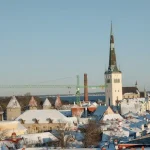
Tallinn’s Old Town deservedly holds UNESCO status, but Estonia’s historical appeal extends far beyond the capital. The medieval walls and cobblestones aren’t museum pieces—they form the backdrop for contemporary Estonian life.
Unlike Prague or Dubrovnik, where historic centers feel like theme parks, Tallinn’s Old Town houses working restaurants, functioning shops, and actual residents. You’ll hear Estonian conversations echoing off medieval walls, not just tourist chatter in a dozen languages.
Beyond Tallinn, Estonia’s smaller towns offer equally compelling historical experiences without crowds. Tartu, the university town, blends 13th-century architecture with vibrant student energy. Haapsalu’s episcopal castle ruins overlook a charming resort town where locals still practice traditional handicrafts. Pärnu combines medieval church towers with Art Nouveau beach architecture, creating a historical blend unique in the Baltic region.
The key difference from other European destinations: Estonia’s history feels accessible rather than precious. You can touch ancient walls, climb medieval towers, and explore castle ruins without ropes and barriers. This hands-on historical experience has become increasingly rare across Europe.
Pristine Natural Landscapes
Estonia’s natural environment offers experiences impossible in more populated European countries. Nearly half the country remains forested, and much of this wilderness sees fewer annual visitors than popular European cities receive in a single day.

Lahemaa National Park, just an hour from Tallinn, showcases Estonia’s natural diversity. Ancient pine forests give way to coastal meadows, restored manor houses dot pristine landscapes, and traditional fishing villages operate as they have for generations. The park’s bog walks provide otherworldly experiences—wooden boardwalks lead through landscapes that feel more Siberian than European.
Estonia’s islands offer another dimension of natural beauty. Saaremaa island combines medieval fortresses with unspoiled coastlines, traditional windmills with luxury spa resorts. The island’s Kaali meteorite crater provides a unique geological attraction, while its juniper-scented landscapes feel timelessly peaceful.
Soomaa National Park transforms completely with seasons. Spring floods create temporary lakes perfect for canoe expeditions through submerged forests. Winter brings bog skiing across frozen landscapes stretching to the horizon. These seasonal transformations offer return visitors completely different experiences.
The real appeal lies in accessibility. Unlike Nordic wilderness requiring expensive guides and equipment, Estonia’s natural areas welcome independent exploration. Well-marked trails, excellent infrastructure, and proximity to services mean you can experience pristine nature without expedition-level planning.
Authentic Cultural Experiences
Estonian culture operates on subtle wavelengths that reward attentive travelers. The infamous Estonian reserve—often mistaken for unfriendliness—actually reflects a culture that values genuine connection over superficial pleasantries.
The country’s song tradition offers profound cultural insights. Every five years, the Song and Dance Festival brings 30,000 performers together in Tallinn’s Song Festival Grounds. But smaller events throughout the year provide more intimate experiences. Local choir rehearsals in village community centers, folk dancing in town squares, and traditional craft workshops offer authentic cultural encounters.
Estonian midsummer (Jaanipäev) celebration on June 24th reveals the culture’s pagan roots. Bonfires dot the countryside, traditional foods emerge from family recipes, and locals welcome respectful visitors to community celebrations. The white nights and festive atmosphere create magical travel memories.

Seasonal festivals showcase different cultural aspects. Winter’s Christmas markets emphasize handicrafts and traditional foods. Spring’s jazz festivals highlight Estonia’s surprising musical sophistication. Autumn harvest festivals connect visitors with agricultural traditions still practiced in rural areas.
The craft beer and artisan food movements provide contemporary cultural experiences. Estonian brewers experiment with local ingredients like sea buckthorn and juniper berries, creating flavors impossible elsewhere. Farm-to-table restaurants showcase ingredients foraged from local forests and coastlines.
Estonia’s Culinary Renaissance
Estonia’s food scene has transformed dramatically since 2020, evolving from simple comfort food to sophisticated Nordic cuisine. This culinary revolution makes Estonia increasingly attractive to food-focused travelers.
Tallinn’s Kalamaja district has become the epicenter of Estonian food innovation. Former industrial buildings now house artisan bakeries, craft breweries, and restaurants experimenting with traditional ingredients. The aroma of sourdough bread and roasting coffee beans fills former factory spaces converted into food halls.
Local markets reveal Estonia’s culinary potential. Tallinn’s Balti Jaam Market showcases traditional Estonian products alongside international offerings. Vendors sell wild mushrooms, local honey, artisan cheeses, and seasonal berries that form the backbone of contemporary Estonian cuisine.
The craft beer movement deserves special mention. Estonian breweries like Põhjala and Lehe have gained international recognition for innovative brewing techniques. Many incorporate traditional Estonian ingredients—bog myrtle, sea buckthorn, birch juice—creating unique flavor profiles unavailable elsewhere.
Regional specialties add culinary adventure to travels outside Tallinn. Saaremaa’s juniper beer and smoked fish represent island traditions. Tartu’s student-influenced food scene combines international influences with local ingredients. Rural restaurants increasingly offer sophisticated takes on Estonian classics using hyperlocal ingredients.
The affordability factor makes Estonia’s culinary scene particularly appealing. Michelin-quality meals cost significantly less than equivalent experiences in Copenhagen or Stockholm, making fine dining accessible for more travelers.

Island Hopping Adventures
Estonia’s 2,300 islands and skerries offer unique travel experiences impossible on the mainland. While most remain uninhabited, several provide fascinating day trips or extended stays.
Saaremaa, Estonia’s largest island, functions as a destination within a destination. Kuressaare’s medieval bishop’s castle anchors a charming resort town, while the island’s interior reveals traditional windmills, ancient meteorite craters, and traditional farming landscapes. Ferry connections from the mainland take just 30 minutes, making day trips feasible.
Hiiumaa island offers a more remote experience. Famous for its historic lighthouses and traditional handicrafts, Hiiumaa moves at a pace forgotten elsewhere in Europe. The island’s residents maintain traditional lifestyles—fishing, farming, and forestry—creating authentic cultural encounters.
Smaller islands provide adventure-focused experiences. Kihnu island, recognized by UNESCO for its cultural traditions, remains a matriarchal society where women preserve traditional costumes, customs, and dialect. Overnight stays in guesthouses offer intimate cultural immersion.
Ruhnu island requires more commitment—accessible only by small aircraft or seasonal ferry—but rewards visitors with untouched landscapes and a population of 60 residents maintaining centuries-old traditions.
Island hopping logistics have improved significantly in 2026. Updated ferry schedules, better accommodation booking systems, and improved inter-island connections make multi-island itineraries practical for independent travelers.
Seasonal Travel Considerations
Estonia’s dramatic seasonal changes create four distinct travel experiences, each with unique advantages and considerations.
Summer (June-August) offers white nights, warmest weather, and peak cultural events. Temperatures reach 20-25°C, perfect for outdoor activities and island exploration. However, this peak season brings higher prices and larger crowds, particularly in Tallinn’s Old Town.
Spring (April-May) and autumn (September-October) provide ideal travel conditions for many visitors. Mild temperatures, fewer tourists, and beautiful seasonal colors create perfect conditions for hiking and cultural exploration. Spring brings wildflowers and migrating birds, while autumn offers mushroom foraging and harvest festivals.

Winter (December-March) presents Estonia at its most dramatic. Snow transforms landscapes into Nordic fairytales, Christmas markets create festive atmospheres, and aurora borealis occasionally illuminates northern skies. Winter sports like cross-country skiing and bog skiing become accessible. However, short daylight hours (6 hours in December) and cold temperatures (-5 to -15°C) require proper preparation.
Each season offers unique cultural experiences. Summer’s Song Festival and Midsummer celebrations, autumn’s jazz festivals and harvest events, winter’s Christmas markets and traditional crafts workshops, and spring’s folk festivals and outdoor activity season resumption.
Travel Logistics and Accessibility
Estonia’s compact size and excellent infrastructure make travel logistics surprisingly simple. The entire country measures just 350 kilometers north to south, meaning you can traverse it in a single day.
Tallinn Airport connects to major European cities with budget and full-service carriers. The 2026 completion of Rail Baltica’s initial phase improved regional connectivity, though the full Warsaw-Tallinn route won’t open until 2030. Ferry connections from Helsinki take just 2 hours, providing scenic arrival options.
Internal transportation works efficiently. Bus networks reach every populated area with reliable schedules and comfortable vehicles. Car rental offers maximum flexibility for exploring rural areas and islands, with excellent road conditions and clear signage.
Language barriers remain minimal. English proficiency among younger Estonians is excellent, and most tourism services operate in English. Older generations may speak Russian or German rather than English, but communication rarely poses serious problems.
Digital infrastructure eliminates many traditional travel hassles. Mobile payments work everywhere, WiFi connectivity reaches even remote areas, and English-language apps handle everything from public transport to restaurant reservations.

The tourism infrastructure has matured significantly since 2020. More English-language guided tours, improved signage at attractions, and better accommodation booking systems make independent travel increasingly straightforward.
Value for Money Analysis
Estonia provides excellent value compared to other European destinations, particularly Nordic countries offering similar experiences at much higher costs.
Accommodation costs significantly less than Scandinavian equivalents. Quality hotels in Tallinn cost 30-50% less than comparable properties in Stockholm or Copenhagen. Rural guesthouses and boutique properties offer exceptional value, often including locally-sourced meals.
Dining represents particular value. Restaurant meals cost roughly 40-60% less than Nordic capitals while quality has improved dramatically. Local craft beer costs less than mass-market imports in many European cities.
Activity costs remain reasonable. Museum admissions, guided tours, and outdoor activities price competitively, often including more comprehensive experiences than budget-focused alternatives elsewhere.
Transportation within Estonia costs considerably less than other European countries. Bus travel between cities, ferry tickets to islands, and even car rental rates remain budget-friendly.
The value extends beyond pure costs. Estonia offers experiences—pristine wilderness, uncrowded historical sites, authentic cultural encounters—that have become expensive or impossible in more popular destinations.
Honest Assessment of Limitations
Estonia isn’t perfect for every traveler, and honest assessment requires acknowledging potential drawbacks.
Weather unpredictability can challenge some visitors. Baltic coastal climate means rain possibility year-round, and temperatures can swing dramatically within single days. Summer heat waves and winter cold snaps require flexible packing.
Limited nightlife outside Tallinn may disappoint party-focused travelers. While Tallinn offers sophisticated bars and clubs, smaller towns roll up sidewalks early. Cultural evening entertainment emphasizes concerts and theater rather than club scenes.
Language barriers with older generations can create communication challenges in rural areas. While younger Estonians speak excellent English, accessing local knowledge from elderly residents may require patience or translation apps.

Beach lovers might feel disappointed. While Estonia’s coastline stretches over 3,800 kilometers, Baltic Sea temperatures rarely exceed 20°C even in summer. Beaches appeal more for walks and contemplation than swimming and sunbathing.
Shopping enthusiasts will find limited options. Estonia lacks major fashion centers or unique shopping districts beyond traditional crafts and local products. For serious shopping, Tallinn’s Old Town offers quality rather than quantity.
Finally, Estonia’s reserved culture might feel cold to visitors expecting Mediterranean warmth. Estonian friendliness emerges through actions rather than words, requiring cultural adjustment from more expressive societies.
2026 Budget Breakdown
Current pricing in Estonia varies significantly by season and location, but remains competitive with Central European destinations while offering superior value to Nordic alternatives.
Budget Travel (EUR 45-65 per day):
- Accommodation: Hostel beds EUR 15-25, rural guesthouses EUR 25-35
- Food: Supermarket meals EUR 5-8, local restaurants EUR 8-12
- Transport: Local buses EUR 1-2, intercity buses EUR 3-8
- Activities: Museum admissions EUR 3-6, national park access free
Mid-Range Travel (EUR 90-130 per day):
- Accommodation: 3-star hotels EUR 60-80, boutique properties EUR 70-90
- Food: Restaurant meals EUR 15-25, craft beer EUR 3-5
- Transport: Car rental EUR 25-35, ferry tickets EUR 8-15
- Activities: Guided tours EUR 20-40, spa treatments EUR 30-60
Comfortable Travel (EUR 180-250 per day):
- Accommodation: 4-5 star hotels EUR 120-180, luxury rural properties EUR 150-200
- Food: Fine dining EUR 40-70, wine pairings EUR 25-40
- Transport: Private transfers EUR 50-100, domestic flights EUR 80-120
- Activities: Private tours EUR 80-150, luxury experiences EUR 100-200
Seasonal price variations affect accommodation most significantly, with summer rates 20-40% higher than shoulder seasons. Island destinations command premium pricing during peak summer months.
Frequently Asked Questions
Is Estonia safe for solo travelers?
Estonia ranks among Europe’s safest countries with extremely low crime rates. Solo travelers, including women, can explore confidently day and night. Standard precautions apply in crowded areas, but violent crime remains virtually nonexistent for tourists.

How many days are needed to see Estonia properly?
A minimum of 5-7 days allows you to experience Tallinn, visit one national park, and explore either Tartu or an Estonian island. Two weeks enables comprehensive exploration including multiple regions, islands, and seasonal activities.
Can you visit Estonia without speaking Estonian?
Absolutely. English proficiency is excellent among younger Estonians and tourism industry workers. Restaurant menus, attraction signage, and transportation information are widely available in English throughout the country.
What’s the best way to get around Estonia?
Buses connect all major destinations efficiently and affordably. Car rental provides maximum flexibility for rural areas and islands. Tallinn’s public transport is excellent, and the compact distances make cycling feasible for some routes.
Is Estonia expensive compared to other European countries?
Estonia costs significantly less than Nordic countries while offering similar experiences. Prices comparable to Central European destinations like Czech Republic or Poland, but with better infrastructure and English-language accessibility than many alternatives.
Explore more
Best Restaurants in Tartu: A Foodie’s Guide to Estonia’s University City
10 Best Day Trips from Tallinn: Your Ultimate Guide to Regional Estonia
Where to Party in Tallinn: Top Clubs for an Epic Night Out
📷 Featured image by Sergei Gussev on Unsplash.