On this page
- Beach Bliss and Waterfront Adventures
- Medieval Streets and Historic Discoveries
- Green Spaces and River Walks
- Art, Culture, and Local History
- Festival Season and Summer Events
- Spa Capital Wellness Experiences
- Culinary Adventures and Market Discoveries
- Active Pursuits and Outdoor Adventures
- Day Trips and Regional Exploration
- After Dark Entertainment
- Shopping Districts and Local Crafts
- Where to Stay by Budget
- Seasonal Timing and Weather Considerations
- Budget Planning for Different Travel Styles
- Frequently Asked Questions
💰 Click here to see Estonia Budget Breakdown
💰 Prices updated: October, 2026. Budget figures are estimates — always verify before travel.
Exchange Rate: $1 USD = €0.88
Daily Budget (per person)
Shoestring: €40.00 – €70.00 ($45.45 – $79.55)
Mid-range: €120.00 – €250.00 ($136.36 – $284.09)
Comfortable: €300.00 – €900.00 ($340.91 – $1,022.73)
Accommodation (per night)
Hostel/guesthouse: €15.00 – €40.00 ($17.05 – $45.45)
Mid-range hotel: €60.00 – €150.00 ($68.18 – $170.45)
Food (per meal)
Budget meal: €15.00 ($17.05)
Mid-range meal: €35.00 ($39.77)
Upscale meal: €100.00 ($113.64)
Transport
Single metro/bus trip: €2.00 ($2.27)
Monthly transport pass: €30.00 ($34.09)
Pärnu transforms from a quiet coastal city into Estonia’s buzzing summer playground each year, but many visitors miss the magic that exists beyond July beach parties. While 2026 brings new direct flights from Helsinki and improved Rail Baltica connections making the city more accessible than ever, the real question isn’t how to get here — it’s how to experience both the legendary summer energy and the quieter gems that make Pärnu special year-round.
Beach Bliss and Waterfront Adventures
Pärnu Beach stretches for 3 kilometers of fine white sand backed by pine forests, creating Estonia’s most celebrated coastal playground. The main beach area centers around Pärnu Beach Park, where wooden boardwalks connect beach volleyball courts, children’s playgrounds, and the famous Pärnu Beach Promenade lined with cafés and ice cream stands.
The beach experience varies dramatically by season. Summer brings crowds, beach bars pumping music until sunset, and water temperatures reaching 20°C in July. Visit early morning for peaceful walks while listening to waves lap the shore and breathing the fresh Baltic air. The golden hour before sunset transforms the white sand into warm amber tones, creating perfect conditions for photography.
Beach activities extend beyond sunbathing. Rent kayaks or paddleboards from the Pärnu Yacht Club to explore the coast from water level. The Pärnu River mouth offers calmer conditions for beginners, while experienced paddlers can venture along the coastline toward Pärnu Bay. Windsurfing and kitesurfing schools operate during summer months, taking advantage of consistent coastal breezes.
Winter transforms the beach into a completely different experience. Cross-country skiing trails replace beach volleyball courts, and the frozen shoreline creates dramatic ice formations. The Pärnu Beach Park Ice Bar operates January through March, serving hot drinks with views of the snow-covered Baltic.

Medieval Streets and Historic Discoveries
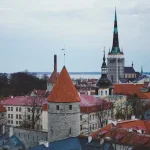
Pärnu’s Old Town compacts 700 years of history into walkable medieval streets centered around Town Hall Square. The Red Tower (Punane Torn) anchors the historic district as Pärnu’s most recognizable landmark. This 15th-century fortification now houses a small museum, but its real appeal lies in climbing to the observation deck for panoramic views over red-tiled rooftops.
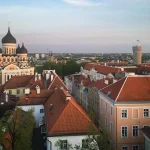
Rüütli Street forms the Old Town’s main artery, lined with colorful merchant houses dating from the 17th and 18th centuries. Many buildings now house galleries, cafés, and boutiques, but their baroque and classicist facades tell stories of Pärnu’s trading past. The Catherine Church, built during Russian rule, anchors the street’s eastern end with its distinctive white tower and blue dome.
Hidden courtyards branch off main streets, revealing quiet gardens and artisan workshops. The former city walls create green parkland surrounding the historic core, perfect for peaceful walks between sightseeing. Look for remaining wall sections near Karja Street and the Tallinn Gate ruins.
St. Elizabeth’s Church offers another perspective on Pärnu’s religious heritage. This Lutheran church, rebuilt after WWII bombing, features modern stained glass windows that cast colorful light patterns across the interior during afternoon visits. The adjacent cemetery contains graves of prominent Pärnu families spanning three centuries.
Green Spaces and River Walks
The Pärnu River creates the city’s most scenic walking route, connecting downtown to the coast through parks and gardens. Start at the Koidula Bridge and follow the southern riverbank east toward Sindi, where the path winds through dense forest dotted with traditional Estonian summer houses.
Central Park (Keskpark) provides urban green space just minutes from the Old Town. The park’s rose garden blooms spectacularly from June through August, while its network of walking paths offers year-round recreation. Children’s playgrounds and exercise equipment serve families and fitness enthusiasts.

Rannapark (Beach Park) bridges the gap between city and coast, featuring formal gardens, an outdoor stage for summer concerts, and direct beach access. The park’s highlight is its collection of carved wooden sculptures created during annual art symposiums. Each piece tells part of Estonian folklore, creating an outdoor museum experience.
For serious nature immersion, head to Pärnu Bay Nature Reserve just south of the city. This protected wetland area hosts over 170 bird species, including migrating cranes and geese during spring and autumn. Observation towers provide elevated views across reed beds and shallow waters. The reserve’s 5-kilometer nature trail includes information boards explaining local ecosystems.
Art, Culture, and Local History
Pärnu Museum occupies an elegant 19th-century mansion on Aida Street, chronicling the city’s evolution from medieval trading post to modern resort destination. The museum’s strength lies in its recreation of period rooms showing how wealthy Pärnu families lived during different eras. Interactive exhibits explain the development of Estonia’s spa culture.
The Contemporary Art Museum of Estonia (EKKM) Pärnu showcases cutting-edge Estonian and international artists in rotating exhibitions. Located in a converted warehouse, the space itself becomes part of the artistic experience, with high ceilings and industrial elements complementing modern installations.
Lydia Koidula Museum celebrates Estonia’s beloved 19th-century poet who spent her youth in Pärnu. The small museum occupies her childhood home, displaying personal belongings, manuscripts, and period furnishings. Garden views from the windows show the same scenery that inspired her nature poetry.
Gallery Chaplin operates as both exhibition space and artist workshop, allowing visitors to observe contemporary Estonian artists at work. The gallery emphasizes textile arts and ceramics, fields where Estonian artists excel internationally. Regular workshops allow hands-on experience with traditional techniques.

Pärnu Concert Hall, reopened in 2025 after extensive renovation, presents classical music, jazz, and world music performances year-round. The hall’s acoustic design creates an intimate setting even for large orchestral works. Summer programming includes outdoor concerts in the adjacent park.
Festival Season and Summer Events
Pärnu’s festival calendar peaks during summer but extends throughout the year with diverse cultural events. The Pärnu Music Festival, held each July since 1985, brings together Estonian and international classical musicians for two weeks of concerts in venues ranging from medieval churches to beach pavilions.
Beach concerts occur weekly during summer months on the outdoor stage in Rannapark. These free events feature everything from folk music to electronic dance, creating a relaxed atmosphere where families spread blankets on the grass while teenagers dance near the stage. The smell of grilled corn and funnel cake from nearby food stalls adds to the festival atmosphere.
Pärnu Film Festival in July showcases Estonian and international cinema, with outdoor screenings on the beach after sunset. Arrive early to claim spots on the sand and watch stars appear above the screen as darkness falls. The festival emphasizes documentaries and art house films not typically shown in commercial theaters.
Christmas markets transform Town Hall Square each December, bringing traditional Estonian crafts, mulled wine, and holiday treats to the medieval setting. Local artisans demonstrate woodcarving, knitting, and glass blowing techniques passed down through generations. The market operates weekends from early December through early January.
David Oistrakh Festival honors the legendary violinist who spent summers in Pärnu during the Soviet era. This chamber music festival occurs each August, featuring performances in intimate venues that allow close interaction between musicians and audiences.

Spa Capital Wellness Experiences
Pärnu’s reputation as Estonia’s spa capital rests on centuries of therapeutic tradition and modern wellness innovation. The city’s unique position at the mouth of the Pärnu River creates mineral-rich mud deposits used in treatments since the 1830s. Today’s spa facilities combine traditional therapies with contemporary luxury.
Estonia Resort Hotel & Spa anchors the modern wellness scene with comprehensive treatment menus including signature mud wraps, seaweed therapies, and hydrotherapy pools. The facility’s highlight is its thermal complex featuring saunas with different temperature ranges and humidity levels, plus a mineral pool overlooking the river.
Villa Ammende Spa offers boutique wellness experiences in a beautifully restored Art Nouveau mansion. Treatment rooms feature period details like stained glass windows and carved wooden ceilings, creating an atmosphere of refined luxury. Signature treatments incorporate Estonian herbs and pine extracts.
For authentic local experience, visit Pärnu Beach Spa’s traditional mud bath facility. These treatments use therapeutic mud harvested from Pärnu Bay, heated to optimal temperature and applied in private treatment rooms. The mineral-rich mud is said to improve circulation and skin condition.
Hedon Spa & Hotel provides family-friendly wellness with water parks, children’s pools, and gentle treatment options suitable for all ages. The facility’s multiple saunas include a traditional Estonian smoke sauna where sessions end with plunges into cold pools.
Culinary Adventures and Market Discoveries
Pärnu’s food scene blends coastal Estonian traditions with international influences brought by summer visitors. The Pärnu Market operates year-round in a historic market hall on Akadeemia Street, where local vendors sell everything from smoked fish to fresh berries. Morning visits reveal the best selection, with fishermen bringing daily catches and farmers offering seasonal produce.

Rüütli Street concentrates many of Pärnu’s best restaurants within easy walking distance. Restaurant Mahedik specializes in modern Estonian cuisine using locally sourced ingredients, while Stefani Pizzeria serves wood-fired pizzas popular with families. The street comes alive during summer evenings when restaurants extend seating onto sidewalks.
For authentic Estonian flavors, head to Supelsaksad on Ringi Street, where traditional dishes like blood sausage and sauerkraut appear alongside contemporary preparations. The restaurant’s interior recreates a 19th-century Estonian farmhouse, complete with wooden furnishings and traditional ceramics.
Pärnu’s coastal location makes seafood a specialty. Visit the fishing harbor early morning to buy fresh catch directly from boats, or try restaurants like Raimond specializing in Baltic Sea fish prepared with Estonian herbs and techniques. Local favorites include smoked sprat, pickled herring, and pan-fried perch with dill.
The Pärnu Beach area offers casual dining with sea views. Beach bars serve simple grilled fish and salads perfect for lunch between swimming sessions. Food trucks operating near the beach park provide quick snacks like Estonian-style hot dogs and ice cream made with local berries.
Active Pursuits and Outdoor Adventures
Cycling ranks among Pärnu’s most popular activities, with dedicated bike paths connecting the city center to coastal areas and surrounding forests. The Pärnu-Ikla coastal route follows the shoreline south for 30 kilometers through fishing villages and pine forests, suitable for riders of all skill levels.
Bike rental shops cluster around the beach area and Old Town, offering everything from basic city bikes to electric models for longer journeys. The flat terrain makes cycling accessible even for beginners, while the network of forest trails provides challenges for mountain biking enthusiasts.

Kayaking on the Pärnu River offers peaceful exploration through the city and surrounding countryside. Put in at the city center and paddle downstream toward Pärnu Bay, passing through reed beds where herons and other waterfowl gather. Rental companies provide guided tours for beginners and equipment for experienced paddlers.
Tennis and beach volleyball facilities operate throughout the summer at various locations near the beach. Courts can be reserved through the Pärnu Sports Center, which also coordinates tournaments and lessons for visitors wanting to improve their skills while traveling.
Winter sports transform Pärnu’s recreational opportunities. Cross-country skiing trails wind through city parks and surrounding forests when snow conditions permit. Ice fishing on frozen rivers and coastal areas provides a uniquely Estonian winter experience, with equipment rental available through local sporting goods stores.
Day Trips and Regional Exploration
Kihnu Island, located 45 minutes by ferry from Pärnu’s Munalaid harbor, preserves traditional Estonian island culture recognized by UNESCO. The island’s 400 residents maintain customs including traditional dress, folk music, and handicrafts largely unchanged for centuries. Visit the Kihnu Museum to learn about island history, then explore by bicycle rented at the ferry terminal.
Soomaa National Park lies 45 kilometers east of Pärnu, offering wilderness experiences including bog walking and canoeing through pristine wetlands. The park’s “fifth season” occurs during spring flooding when canoe trails replace hiking paths. Guided bog shoe hiking provides access to landscapes impossible to explore independently.
Virtsu Peninsula extends north from Pärnu into Pärnu Bay, featuring lighthouse visits, coastal hiking, and bird watching opportunities. The Virtsu-Kuivastu ferry connects to Muhu Island and eventually Saaremaa, Estonia’s largest island. This journey can be done as a long day trip or extended overnight visit.

The coastal town of Häädemeeste, 30 kilometers south of Pärnu, offers quieter beach experiences and the Kabli Nature Center. This area specializes in bird migration research and provides excellent opportunities for spotting rare species during spring and autumn migrations.
Pärnu County’s manor houses provide glimpses into Estonia’s aristocratic past. Mõisaküla Manor and Pööravere Manor offer guided tours showcasing Baltic German architecture and lifestyle from the 18th and 19th centuries. These properties often host classical music concerts and art exhibitions during summer months.
After Dark Entertainment
Pärnu’s nightlife varies dramatically between summer and winter, with beach bars and outdoor venues dominating warm months while cozy pubs and cultural events take precedence during colder seasons. The Sunset Bar at Pärnu Beach operates as the city’s premier beach club, featuring DJ sets, cocktails, and dance floors extending onto the sand.
Rüütli Street hosts several bars and pubs within walking distance of each other, creating natural pub crawl routes. Kellerbam offers craft beers in a medieval cellar setting, while Postimees Pub combines traditional Estonian atmosphere with live music performances. These venues appeal to both locals and visitors seeking authentic Estonian social experiences.
St. Petersburg Hotel’s rooftop bar provides elevated city views along with creative cocktails inspired by Estonian ingredients. The venue operates year-round, with heated outdoor areas allowing winter enjoyment of panoramic vistas over Pärnu’s rooftops and the distant coastline.
Cultural evening events include regular concerts at Pärnu Concert Hall, theater performances at Endla Theatre, and art gallery openings often accompanied by wine receptions. The city’s cultural calendar maintains year-round programming despite tourist season fluctuations.
Casino Admiral provides gaming entertainment for visitors seeking that type of nightlife activity. The facility operates slot machines, table games, and regular poker tournaments in a modern setting near the city center.

Shopping Districts and Local Crafts
Pärnu’s shopping scene centers around pedestrian-friendly Rüütli Street and adjacent areas in the Old Town. Local boutiques emphasize Estonian design, particularly textiles, ceramics, and wooden handicrafts created by regional artisans. Quality tends to be high, reflecting Estonia’s strong craft traditions.
The Pärnu Market Hall on Akadeemia Street offers the best selection of Estonian food products including locally produced honey, herbal teas, and preserved fruits. Vendors often provide samples and explain production methods, making shopping an educational experience about Estonian culinary traditions.
Gallery shops throughout the Old Town sell original artwork by Estonian artists, from paintings and photographs to handmade jewelry and glasswork. These galleries often represent artists from across the Baltics, providing exposure to regional artistic movements and styles.
Woolen goods represent Estonia’s textile traditions particularly well in Pärnu shops. Look for mittens featuring traditional patterns, sweaters made from local sheep wool, and blankets using natural dyes. These items provide practical souvenirs suitable for Estonia’s climate.
Port Artur 2 shopping center serves practical needs for travelers requiring clothing, electronics, or other general merchandise. Located outside the historic center, it houses international brands alongside Estonian retailers and includes a large grocery store for self-catering visitors.
Where to Stay by Budget
Budget accommodations in Pärnu include hostels and guesthouses primarily located within walking distance of both the Old Town and beach areas. Lounge Hostel offers dormitory beds and private rooms in a renovated historic building, while Guesthouse Põltsamaa provides family-run hospitality with breakfast included in rates.
Mid-range hotels dominate Pärnu’s accommodation scene, reflecting the city’s appeal to Estonian families and international visitors seeking comfort without luxury pricing. Hotel Pärnu features modern amenities in a convenient location, while Frost Hotel combines boutique design with reasonable rates. These properties typically include spa access or beach equipment loans.

Luxury stays center around historic properties and modern resort hotels. Villa Ammende represents the pinnacle of elegant accommodation in a restored Art Nouveau mansion, while Estonia Resort Hotel & Spa provides comprehensive amenities including multiple restaurants, spa facilities, and beach access. The Grand Resort Häädemeeste offers secluded luxury 30 kilometers from the city center.
Summer rental apartments provide alternatives for longer stays or families requiring kitchen facilities. Properties cluster around the beach area and Old Town, with prices varying significantly based on proximity to water and historic attractions. Book early for summer stays as availability decreases substantially during peak season.
Seasonal Timing and Weather Considerations
Summer defines peak season in Pärnu, with July temperatures averaging 18°C and occasional peaks reaching 25°C. Beach conditions are optimal from June through August, when water temperatures climb to 18-20°C and daylight extends until nearly 11 PM. This period brings crowds but also maximum entertainment options and warmest weather.
Shoulder seasons offer distinct advantages for different traveler types. Spring (April-May) brings mild weather, blooming gardens, and reduced accommodation costs, though water remains too cold for swimming. Autumn (September-October) provides comfortable temperatures for walking and cycling, beautiful foliage colors, and harvest festivals celebrating local food culture.
Winter transforms Pärnu into a different destination entirely. Snow typically covers the ground December through March, creating opportunities for cross-country skiing and ice activities. Many beach facilities close, but spa hotels remain busy as visitors seek indoor wellness experiences. Accommodation rates drop significantly, and the city takes on a peaceful, local character.
Weather can change quickly due to Pärnu’s coastal location. Pack layers regardless of season, and prepare for occasional rain even during summer months. Wind often affects beach conditions, so check forecasts before planning water activities.

Festival timing influences both crowds and pricing. Book accommodations well in advance for July music festival periods, or visit during spring and autumn for cultural events with smaller audiences and easier hotel availability.
Budget Planning for Different Travel Styles
Budget travelers can experience Pärnu for €30-45 per day by staying in hostels (€15-20/night), eating at markets and casual restaurants (€12-18/day), and focusing on free activities like beach time and park walks. Public transportation within the city costs €1-2 per trip, while bike rentals add €10-15 daily.
Mid-range visitors spending €60-90 daily enjoy comfortable hotel rooms (€40-60/night), restaurant meals with local specialties (€25-35/day), and paid attractions like spa treatments or museum entries. This budget allows occasional taxis, guided tours, and souvenir shopping without financial stress.
Comfortable travel at €100-150+ daily includes luxury hotel stays (€80-120/night), fine dining experiences (€40-60/day), private spa treatments, and convenient transportation options. This level permits spontaneous activities, quality shopping, and premium experiences like helicopter tours or private boat trips.
Families with children should budget an additional 25-30% for larger accommodations, family restaurant portions, and child-specific activities like amusement parks or guided nature programs. Many hotels offer family packages including breakfast and recreational activities.
Summer pricing runs 40-60% higher than off-season rates for accommodations and some activities. Restaurant prices remain relatively stable year-round, but seasonal menu availability affects dining choices significantly.
Frequently Asked Questions
Is Pärnu worth visiting outside of summer?
Absolutely. While beach activities are summer-focused, winter offers spa experiences, cultural attractions, and peaceful exploration of the city without crowds. Many visitors prefer the authentic local atmosphere during off-season months.
How do I get from Tallinn to Pärnu?
Regular buses run every 1-2 hours taking approximately 2 hours, costing €8-12. Car rental provides flexibility for exploring surrounding areas. The new Rail Baltica connection will improve train service by 2027.
Can I swim in the Baltic Sea year-round in Pärnu?
Water temperature allows comfortable swimming June through August (18-20°C). Hardy locals swim May through September, but most visitors find conditions too cold outside summer months without wetsuit protection.
What language do people speak in Pärnu?
Estonian is the primary language, but English is widely spoken in hotels, restaurants, and tourist attractions. Russian is also common among older residents. German appears frequently due to historical connections.
Do I need a car to explore Pärnu?
No, the city center, beach, and main attractions are easily walkable. Bikes handle longer distances efficiently. Cars become useful for day trips to national parks, islands, or manor houses outside the immediate area.
Explore more
Where to Eat in Pärnu: The Ultimate Foodie Guide
Top Pärnu Restaurants You Can’t Miss This Summer
📷 Featured image by Aliaksei Lepik on Unsplash.