On this page
💰 Click here to see Estonia Budget Breakdown
💰 Prices updated: October, 2026. Budget figures are estimates — always verify before travel.
Exchange Rate: $1 USD = €0.88
Daily Budget (per person)
Shoestring: €40.00 – €70.00 ($45.45 – $79.55)
Mid-range: €120.00 – €250.00 ($136.36 – $284.09)
Comfortable: €300.00 – €900.00 ($340.91 – $1,022.73)
Accommodation (per night)
Hostel/guesthouse: €15.00 – €40.00 ($17.05 – $45.45)
Mid-range hotel: €60.00 – €150.00 ($68.18 – $170.45)
Food (per meal)
Budget meal: €15.00 ($17.05)
Mid-range meal: €35.00 ($39.77)
Upscale meal: €100.00 ($113.64)
Transport
Single metro/bus trip: €2.00 ($2.27)
Monthly transport pass: €30.00 ($34.09)
Pärnu has become one of the most searched summer destinations in the Baltics for 2026, partly because Estonian tourism boards finally started marketing it beyond just “beach town.” That success has brought a familiar problem: travelers arrive not knowing whether to book a place near the beach, the old town, or somewhere quieter — and end up in the wrong spot for their travel style. This guide breaks down every major neighbourhood so you can make that decision before you get on the bus from Tallinn.
Old Town (Vanalinn): Pärnu’s Historic Core
If you walk through the Red Tower gate on Hommiku Street in the early morning, before the café terraces fill up, you get a rare version of Pärnu — quiet timber houses in mint green and butter yellow, pigeons on the Lutheran church roof, and the faint smell of fresh pastry drifting from a bakery on Rüütli Street. The Old Town is compact enough to cross in 15 minutes on foot, but dense enough to fill a full day without repeating yourself.
The central artery is Rüütli Street, a pedestrian strip lined with independent shops, coffee spots, and a few restaurants that stay good year-round — not just in July. The surrounding streets are mostly residential, with beautifully maintained 18th and 19th century wooden architecture. Pärnu is one of the few Estonian towns where this building stock is intact and lived-in rather than turned into a museum.
What the Old Town is good for
- Walking without a plan — the grid is simple and nothing is hidden behind a tourist map
- Café hopping: places like Maiasmokk’s Pärnu outpost and several independent spots on Rüütli operate year-round
- Seeing the Red Tower (Punane Torn), the oldest standing structure in the city, dating to the 15th century
- Evening dinners at restaurants that cater to locals as much as visitors
- The covered market on Sepa Street for local produce, especially in summer

The Old Town sits roughly 1.5 kilometres from the beach, which is exactly far enough to feel like a different world. It has its own rhythm — slower, more year-round, less dependent on sun and sand. Families with children, couples on short city breaks, and anyone visiting outside peak season (July–August) will feel most at home here.
Who the Old Town suits
It works best for travelers who want walkability, a sense of place, and access to both the beach and the river without being in the thick of the resort crowd. Solo travelers and couples in their 30s and 40s consistently rate this area highest for satisfaction outside peak beach season.
The Beach District (Rannarajoon): Where Summer Pärnu Lives
The Beach District is what most people picture when they think of Pärnu. A wide, white sand beach stretches for roughly 3 kilometres, backed by a promenade lined with wooden villas, spa hotels, and outdoor bars that appear sometime in May and disappear again by September. In high summer, the beach fills up fast — Estonian families, Finnish tourists crossing on the Tallinn–Helsinki ferry and then driving south, and a growing wave of Latvian weekend visitors who arrived in larger numbers after the Rail Baltica construction in Riga pushed some travelers to look northward.
The neighbourhood itself extends from the beachfront inland to roughly Supeluse Street and Mere Boulevard. The further from the water you go, the quieter and cheaper it gets. The beachfront hotels and the promenade area operate almost exclusively in summer, with most venues shutting or reducing hours from October through April.

The promenade experience
Walking the promenade in late June around 9pm, the light is still golden and the air smells like sunscreen and grilled fish from the beach bar kiosks. The wooden walkway is smooth and wide enough for cyclists, families with prams, and runners to coexist without friction. Several of the older spa buildings — including the Ammende Villa, a restored Art Nouveau mansion — face the sea and are now operating as upscale guesthouses and restaurants.
The beach itself is shallow and calm, making it genuinely safe for children. The water temperature in July typically reaches 20–22°C, warm enough for comfortable swimming. Blue Flag status has been maintained consistently, which matters for families checking water quality before visiting.
Who the Beach District suits
- Families with young children who want immediate beach access
- Couples who want the resort feel — spa hotels, evening cocktails on a terrace
- Visitors planning a stay of 5 or more days who want to settle into beach life
- Anyone visiting specifically in July or August when the full seasonal programme is running
The trade-off is real: outside July and August, this neighbourhood is noticeably quieter, with limited dining options and a slightly melancholy out-of-season atmosphere. If you’re visiting in May, September, or beyond, base yourself in the Old Town instead and day-trip to the beach.
Ülejõe: The Neighbourhood Most Visitors Skip
Cross the Pärnu River heading east and you’re in Ülejõe — literally “over the river.” Almost no travel content covers this area, which is exactly why it’s worth knowing about. It’s a working residential neighbourhood with a mix of Soviet-era apartment blocks, older wooden houses, and a river embankment that locals use for evening walks and picnics.
There are no major tourist sights here. That’s the point. Ülejõe has a handful of local restaurants and cafés that price for neighbourhood regulars rather than visitors, a couple of Soviet-era parks along the river that are genuinely pleasant in summer, and a different perspective on the city entirely. Standing on the riverbank here, looking back across the water toward the Old Town’s spires, you see Pärnu from an angle that most visitors never find.
Why travelers end up here
Mostly budget reasons — accommodation in Ülejõe is cheaper than anywhere else in Pärnu, and if you have your own transport or don’t mind a 10-minute riverside walk into the Old Town, the location is practical. A few apartment rental hosts have set up here specifically to offer lower-cost options for longer-stay visitors.
There’s also a small but growing group of workationers and digital nomads who choose Ülejõe for exactly the combination of affordability, quiet, and river access. A good flat with a view of the water and fast enough WiFi for video calls rents for significantly less here than in the Old Town.
What to do in Ülejõe
- Walk the river embankment south toward the estuary — the views improve the further you go
- Find the local market on weekday mornings near the main street for cheaper produce than the Old Town market
- Cycle across to the Old Town and beach — the river bridge is flat and the distance is minimal
- Watch the sunset over the Old Town from the eastern riverbank — genuinely one of Pärnu’s best free views
Raeküla: Pärnu’s Forest-Edge Quarter

Southwest of the beach, past the main resort zone, Raeküla is where Pärnu becomes something different again. Large timber villas sit on generous plots behind wooden fences, pine trees outnumber people, and the pace slows to something that feels closer to a rural village than a resort town. The sand dunes here are visible from the road, and the forest behind the neighbourhood connects directly to the wider coastal landscape.
Raeküla is primarily residential — locals who want the peace of the forest edge with town amenities nearby. There are almost no tourist services here: no hotel strip, no restaurant row, no souvenir shops. What there is: a quiet stretch of beach that’s less crowded than the main promenade beach, pine-scented air, and the specific kind of silence that only comes from a neighbourhood where not much is happening.
Who Raeküla is right for
This neighbourhood works best for two specific types of traveler. First, those renting a villa or house for a full week or more — Raeküla has some of the most beautiful holiday rental properties in Pärnu, large enough for families or groups, with gardens and outdoor space. Second, anyone who specifically wants to access both the forest and the beach from the same base, without the noise of the resort strip.
Getting around without a car is possible but limited. Pärnu’s local bus routes serve Raeküla, but frequency drops in the evenings. If you’re planning to eat out regularly, you’ll either cycle or drive to the Old Town. The neighbourhood has one or two local shops but no significant dining scene of its own.
The seasonal factor
Raeküla is best in summer, full stop. The forest and beach combination only makes sense when the weather cooperates. In winter, it becomes one of the quietest corners of Pärnu — not unpleasant, but quite isolated. Several of the larger holiday rentals close from October to April.

Getting Around Between Neighbourhoods
Pärnu is a small city — the whole urban area covers roughly 32 square kilometres, and the four main neighbourhoods described here are all within 5 kilometres of each other. This makes getting around easier than in most European resort towns.
On foot
The Old Town to the beach is a 20-minute walk via Supeluse Street — flat, well-paved, and pleasant in good weather. Old Town to Ülejõe is 10 minutes across the river bridge. Raeküla to the beach promenade is about 25 minutes on foot along the coast.
By bicycle
Cycling is the most practical way to move around Pärnu in summer. The city has a network of dedicated cycling paths that connect all major areas. Bike rentals are available from several shops near the beach district and from some accommodation providers. Expect to pay €10–15 per day for a standard city bike in 2026. Electric bike rentals have become much more common and run €20–25 per day.
By bus
Pärnu’s local bus network is small but functional. Routes connect the bus station (the main arrival point from Tallinn and Riga) to the beach district and to Raeküla. In 2026, the city added a summer shuttle service running every 20 minutes between the bus station and the beach promenade from June through August — a practical improvement for visitors arriving by coach.
By taxi and rideshare
Bolt operates in Pärnu with reasonable reliability. A cross-city trip — say, Old Town to Raeküla — typically costs €5–8. For airport transfers from Tallinn, most visitors use the Lux Express or Flixbus coach rather than taxis, given the 130-kilometre distance.

2026 Budget Reality: What Things Cost Across Pärnu
Pärnu is one of the more affordable resort towns in Northern Europe, but costs have risen meaningfully since 2023. The following figures reflect 2026 reality across all four neighbourhoods.
Accommodation (per night, two adults)
- Budget: Apartment rental in Ülejõe or Old Town basic room — €40–65
- Mid-range: Boutique guesthouse in Old Town or mid-beach hotel — €85–130
- Comfortable: Spa hotel on beach promenade or Ammende Villa area — €150–250
- Villa rental in Raeküla: €180–350 per night depending on size and season
Food and drink
- Breakfast at a café on Rüütli Street: €8–12 per person
- Lunch at a local restaurant (soup plus main): €12–18 per person
- Dinner at a mid-range restaurant with wine: €30–45 per person
- Beer at a beach bar: €5–6
- Coffee (espresso or filter): €3–4
- Groceries for a day (self-catering): €15–20 per person
Activities and transport
- Bike rental per day: €10–25 depending on type
- Spa hotel day pass (pool and sauna access): €25–45
- Local bus ride: €1.50
- Bolt ride across the city: €5–8
- Tallinn–Pärnu coach (Lux Express, one way): €9–16 depending on booking time
A realistic daily budget for a couple staying in mid-range Old Town accommodation, eating one meal out and one self-catered, cycling around, and doing one paid activity is €120–160 per day total. Beach district spa hotels push this higher. Ülejõe self-catering with home cooking can bring it down to €80–100.
Frequently Asked Questions
Which neighbourhood in Pärnu is best for families with young children?
The Beach District is the strongest choice for families. You get immediate beach access, shallow calm water, and hotels with family facilities. The promenade is stroller-friendly and flat. For longer stays with kitchen access, Raeküla villa rentals with garden space are also popular with families who want more room and privacy.
Is Pärnu worth visiting outside summer?
Yes, but your neighbourhood choice matters more. The Old Town functions well year-round — cafés stay open, restaurants operate, and the architecture is beautiful in winter light. The Beach District and Raeküla become very quiet from October onward. Shoulder season (May, September) gives you mild weather, fewer crowds, and lower prices.
How far is Pärnu from Tallinn, and how do you get there in 2026?
Pärnu is approximately 130 kilometres south of Tallinn. The fastest and most practical option is the Lux Express or Flixbus coach, which takes about 2 hours and runs multiple times daily. Rail Baltica construction continues to affect rail options through 2026, so the bus remains the standard choice for most visitors.
Is it easy to get around Pärnu without a car?
For most of the city, yes. The Old Town, Beach District, and Ülejõe are all walkable and well-connected by bicycle paths. Raeküla is slightly harder without a car in the evenings, though local buses do serve the area.
Which neighbourhood has the best restaurant scene?
The Old Town has the most consistent dining options year-round, with the strongest concentration on and around Rüütli Street. The Beach District has more restaurants in summer but quality varies considerably. For a genuinely good dinner outside July and August, the Old Town is the reliable choice by a clear margin.
Explore more
The Best Shopping in Pärnu: Where to Find Souvenirs, Handicrafts & Local Treasures
The Best Day Trips from Pärnu: Unforgettable Adventures Beyond the Beach
How to Get to Pärnu from Tallinn: Your Essential Travel Guide
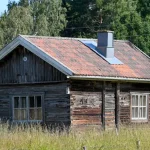
📷 Featured image by Margo Evardson on Unsplash.