On this page
- What Jaanipäev Actually Is
- The Bonfire: Heart of the Celebration
- Jaanipäev Food and Drink Traditions
- The Role of Nature: Forests, Fields, and the Midnight Sun
- Jaanipäev Music, Song, and Dancing
- Jaanik, Jaaniöö, and the Folklore Layer
- How to Experience Jaanipäev as a Visitor in 2026
- 2026 Budget Reality for Midsummer Celebrations
- Frequently Asked Questions
Every June, Estonia essentially shuts down. Shops close early, roads fill with cars heading out of town, and city apartments go quiet. If you land in Tallinn on June 23rd without knowing about Jaanipäev, you might think something has gone wrong. Nothing has. Estonians have simply gone to the countryside to do what they do every year — light a massive fire, stay up through a night that never fully gets dark, and mark the peak of summer in a way that feels both ancient and completely alive. In 2026, with more visitors arriving during June than ever before, understanding what Jaanipäev actually is will help you either join in properly or at least get out of the way respectfully.
What Jaanipäev Actually Is
Jaanipäev — literally “John’s Day” — falls on June 24th, with the main celebrations happening on the evening of June 23rd, known as Jaaniõhtu. It is Estonia’s most important secular holiday, and in terms of emotional weight for Estonians, it rivals Christmas. The date is a public holiday, and the surrounding days form a long weekend that the entire country treats as sacred.
The holiday has layered origins. The Christian calendar placed the feast of Saint John the Baptist on June 24th, which conveniently overlapped with pre-existing pagan celebrations of the summer solstice. Estonia’s solstice traditions predate Christianity by centuries. When the church arrived, it renamed the festival but couldn’t fully overwrite what people were already doing — gathering outdoors, lighting fires, celebrating fertility and light at the longest stretch of the year. That blend of pagan practice and Christian naming is very Estonian: pragmatic, unsentimental, and deeply rooted.
During the Soviet occupation, Jaanipäev was officially discouraged as a nationalist and religious celebration. Estonians kept observing it anyway, quietly and in private. After independence was restored in 1991, the holiday came back fully into public life. Today it carries an extra layer of meaning — a symbol of cultural continuity that survived everything thrown at it.

The Bonfire: Heart of the Celebration
The lõke — the bonfire — is the centerpiece of Jaanipäev. Not a small campfire. A proper, tall, crackling structure that can be seen for kilometres. In the countryside, communities and families spend days building their bonfires, stacking wood and branches into configurations that can reach several metres high. The goal is both practical (a long-lasting fire) and symbolic (the bigger the flame, the better the summer and harvest to come).
Lighting the fire traditionally happens at dusk, which in Estonia in late June means somewhere around 10 or 11 PM — and even then, the sky never goes fully black. The sun drops below the horizon but leaves behind a deep amber glow that lingers through the night. Standing beside a tall bonfire while the sky above stays the colour of pale gold is one of those experiences that genuinely disorients your sense of time in the best possible way. The heat from the flames pushes against your face even from ten metres away, and the smell of birch and pine smoke settles into your clothes and hair for days.
There is a specific tradition of jumping over the bonfire once it dies down to embers. Couples jump together for luck. Young people jump alone for bravery. Nobody is forced to jump, but those who do get a visible boost of respect from the crowd watching. This is not a tourist performance — it happens whether visitors are present or not.
Large communal bonfires are lit in parks and public spaces in cities for those who stay in town, but the real experience is at someone’s summer house (suvilad or maakoht) or a village gathering. If you get invited to a private family bonfire, treat that invitation seriously.
Jaanipäev Food and Drink Traditions
Midsummer food is outdoor food. Grilling is the dominant cooking method, and the Estonian word for it — grillima — has become so embedded in the holiday that “grilling” and “Jaanipäev” are practically synonymous in everyday conversation.
The centerpiece of the grill is sausage — not thin cocktail sausages, but thick, handmade or butcher-quality lihavorstid cooked slowly over wood embers until the casing chars and splits. These are eaten with dark rye bread (leib), which provides a dense, slightly sour base that holds up to the smoky meat. Mustard — Estonian mustard tends to be sharper and more vinegary than German or French varieties — goes on the side.
Alongside the sausages, you will find salads that are distinctly Estonian in character: rosolje, the beetroot and herring salad that appears at nearly every major Estonian gathering, and various potato-based salads dressed with sour cream rather than mayonnaise. Grilled vegetables have become more common in the 2020s as dietary habits shift, but the rye bread and sausage combination remains the non-negotiable core.
Strawberries deserve their own mention. Estonian Midsummer lands exactly at the start of the local strawberry season, and the berries sold from roadside stands in late June are small, intensely sweet, and nothing like what you buy from a supermarket in February. Eating them with fresh cream or simply on their own is a Jaanipäev ritual that feels almost spiritual after a long, cold winter.

Drinking on Jaanipäev is relaxed and mostly beer-focused. Estonian craft brewing has expanded significantly since 2022, and by 2026 there are dozens of small breweries producing seasonal Jaanipäev releases — light lagers and wheat ales designed for warm evenings. Kali, a lightly fermented malt drink similar to Russian kvass, is the non-alcoholic option that appears at most family gatherings. Home-brewed beer (kodukali or kodune õlu) is also common at rural celebrations, made by older family members who treat the recipe as private inheritance.
The Role of Nature: Forests, Fields, and the Midnight Sun
Estonia in late June is at its absolute peak. The forests are dense and green, the days are impossibly long, and the light has a quality that photographers travel specifically to capture — soft, golden, angled low even at midnight. The country sits far enough north that on June 23rd, Tallinn experiences nearly 19 hours of daylight and a twilight that never fully resolves into darkness.
Estonians have a profound relationship with their forests and land that is not performative. For most families, the goal on Jaanipäev is to be somewhere with trees behind them and a field or water in front. Lakes, rivers, and the Baltic coast all feature heavily in where people choose to celebrate. Swimming at midnight in a lake while the sky is still light enough to see clearly is the kind of experience that gets described in Estonian literature and song — and it happens all over the country every June 23rd.
The islands — Saaremaa and Hiiumaa in particular — have their own Midsummer character. The light over the sea at 11 PM has a different quality than inland: broader, more open, reflecting off water. Island communities tend toward longer, slower celebrations that stretch into the following day. Traveling to the islands for Jaanipäev requires booking ferries weeks in advance, especially in 2026 when demand continues to outstrip capacity on peak summer crossings.

Foraging is also part of the Midsummer tradition. Estonians gather herbs, particularly St. John’s Wort (naistepuna), which blooms exactly at this time of year. Wreaths woven from wildflowers and birch branches are traditional decorations for the evening, worn as crowns or hung in doorways.
Jaanipäev Music, Song, and Dancing
Music at Jaanipäev ranges from folk tradition to whatever is popular on Estonian radio that summer, often in the same evening. A family celebration might start with someone playing an accordion (lõõtspill) or kannel — Estonia’s traditional zither — and end with a Bluetooth speaker cycling through contemporary Estonian pop.
The folk layer is genuinely worth understanding. Regilaul, Estonia’s ancient runic song tradition, has specific Midsummer songs that were sung to accompany the lighting of the fire and the gathering of herbs. These are not commonly sung at most private celebrations today, but at organised folk events — particularly at the Viljandi Folk Music Festival, which falls just weeks after Jaanipäev — you will hear the connection between the two traditions clearly.
Round dances, called ringmängud, are another traditional feature. These are circular group dances with sung accompaniment, usually performed by mixed-age groups. Children learn them at school; grandparents remember them from childhood. They look informal and welcoming, and at public celebrations, observers are generally invited to join after watching one round.
Community singing around the bonfire is the most spontaneous musical element of the night. Songs like “Tuljak” and various regional Midsummer folk tunes are known by most Estonians of every generation. If you do not know the words, standing quietly and listening is completely appropriate. If you do manage to hum along, you will get warm looks.

Jaanik, Jaaniöö, and the Folklore Layer
Jaanipäev has a rich folklore underneath the bonfire and beer. Most Estonians know these stories from childhood, even if they apply them lightly as adults.
The night itself — Jaaniöö, Midsummer Night — is considered a time when the boundaries between the ordinary world and something older and stranger become thin. In old Estonian belief, the night had magical properties: dew collected on Midsummer morning had healing power, animals could speak briefly at midnight, and the forest revealed things it kept hidden the rest of the year.
The most famous piece of Jaanipäev folklore is the fern flower — sõnajalaõis. According to tradition, the fern blooms only on Midsummer Night, and whoever finds it gains the ability to understand the language of animals and the locations of hidden treasure. Ferns do not actually flower (they reproduce by spores), which the tradition acknowledges indirectly — finding the fern flower is by definition nearly impossible. The point is the search through dark forest at midnight, preferably with someone you are romantically interested in. The folklore was always as much about courtship as botany.
Jaanik is the name-day attached to June 24th. In Estonia, name days are taken seriously alongside birthdays, and anyone named Jaan, Jaanus, Janika, or Janne celebrates on this date. In a country where Jaan has historically been among the most common male names, this adds a personal celebration layer to an already communal holiday. If you know an Estonian named Jaan, acknowledging his name day on June 24th is a small gesture that will be genuinely appreciated.

The tradition of fortune-telling on Jaaniöö — asking the night to reveal who you would marry, what the harvest would bring, what the coming year held — is mostly historical now, but traces of it survive in games and jokes at family gatherings. Young women traditionally floated wreaths on water at midnight: the direction the wreath drifted indicated where a future husband might come from.
How to Experience Jaanipäev as a Visitor in 2026
The most common mistake visitors make is staying in Tallinn and assuming the city will put on a show. Tallinn does have public events — Kadriorg Park and the Tallinn Song Festival Grounds host organised programmes — but the real celebration happens outside cities. If you have any way of getting to the countryside, take it.
The best legitimate entry point for visitors without Estonian contacts is a public village or community bonfire. These happen in virtually every municipality and are open to anyone who shows up. Search for “Jaanipäev avalik lõke” (public bonfire) plus the name of a region you plan to be in — local government websites list these events each year, typically updated by mid-June.
Regional differences in 2026 are worth planning around. Saaremaa celebrations have a strong island folk character and tend to be larger and more communal. Setomaa in southeastern Estonia incorporates Seto singing traditions and a more ethnically distinct cultural flavour. Southern Estonia around Võru and Otepää tends toward quieter, forest-focused celebrations. The north coast near Lahemaa combines bonfire tradition with sea views.
If you are invited to a private Jaanipäev by an Estonian acquaintance or colleague, bring something to contribute: a pack of good sausages, a case of beer, fresh strawberries, or a bottle of something. Show up when you say you will. Do not leave immediately after the bonfire — the point of the evening is staying, talking, and being present for the long, strange twilight. Leaving early signals that you found it disappointing, even if you didn’t mean it that way.

Dress practically. June in Estonia can be warm (18–24°C on good years) but evenings cool quickly, especially near water. Mosquitoes are a genuine factor in forested areas — bring repellent. Wearing light layers that you can add as the night progresses is standard.
2026 Budget Reality for Midsummer Celebrations
Jaanipäev itself is not an expensive holiday — the traditions are deliberately simple and outdoor-focused. Where costs mount is in accommodation and transport, since the entire country moves at once.
Accommodation
- Budget: Camping at designated sites near Lahemaa, along the coast, or at rural camping farms costs €10–20 per night per person in 2026. Book well in advance — sites sell out by early June.
- Mid-range: A room at a rural guesthouse (talu) or small countryside hotel runs €70–130 per night over the Jaanipäev weekend. Prices are 30–50% higher than off-peak.
- Comfortable: Renting a private country house or cottage for the Midsummer weekend typically costs €200–450 for the full property per night, depending on size and location. Booking platforms like Airbnb and Estonian-specific site Puhkaeestis.ee carry these listings.
Food and Drink
- Budget: Self-catering a full Jaanipäev spread — sausages, rye bread, salads, beer — costs roughly €15–25 per person from a supermarket. Strawberries from roadside stands run €3–5 per litre box.
- Mid-range: Attending a ticketed public event with food included: €20–40 per person covers entry, a meal, and access to the programme.
- Comfortable: A Jaanipäev dinner at an upscale rural restaurant or estate that hosts themed evenings with traditional menus and live folk music: €60–90 per person, drinks separate.
Transport
- Budget: Bus connections from Tallinn to major towns continue operating over the holiday, with prices around €8–20 one-way. Elron trains serve the main lines. Note that some rural routes reduce service on the holiday itself.
- Mid-range: Car rental in Tallinn for the Midsummer weekend (June 22–25) runs €60–100 per day in 2026 — significantly up from standard rates due to demand. Book the car before you book anything else.
- Island ferries: Tallink ferries to Saaremaa and Hiiumaa fill completely for the Jaanipäev weekend. In 2026, the online booking system opens ferry slots 90 days in advance. If you plan to travel to the islands, book the moment that window opens.

Frequently Asked Questions
When exactly is Jaanipäev in 2026?
The main celebration, Jaaniõhtu, takes place on the evening of June 23rd, 2026. Jaanipäev itself is June 24th, which is a public holiday. Most Estonians treat June 22–24 as a long weekend and leave the city from Sunday afternoon onward. Plan your travel accordingly and expect road congestion heading out of Tallinn on Sunday, June 21st.
Is Jaanipäev suitable for families with children?
Completely. Jaanipäev is one of the most family-oriented holidays in the Estonian calendar. Children stay up late for the bonfire, participate in games, eat strawberries, and run around in ways that simply do not happen on school nights. The atmosphere at communal bonfires is relaxed and genuinely welcoming to families of all sizes and compositions.
Can visitors participate in Jaanipäev if they don’t know any Estonians?
Yes. Public bonfires organised by municipalities and cultural institutions are open to everyone. Ticketed events at open-air museums provide a structured experience. Estonians are not unfriendly — they are reserved — and a visitor who shows up at a public celebration, behaves respectfully, and makes no demands will be welcomed without fuss, even if conversation takes time to develop.

What is the weather typically like during Jaanipäev in Estonia?
Late June in Estonia averages 18–23°C during the day, dropping to 10–14°C overnight, particularly near the coast and in forested areas. Rain is possible — Estonia’s summer weather is variable. In 2026 the forecast window will only be reliable within about a week of the holiday. Pack layers, a waterproof jacket, and insect repellent regardless of what the forecast says.
Are there any rules or things visitors should avoid doing at Jaanipäev?
Do not light your own bonfire on someone else’s land or in protected natural areas — this requires permission and in some zones is prohibited outright due to fire risk. Do not wander into private property to observe someone’s family celebration uninvited. If you photograph people, especially children, at community events, be discreet and ask if in doubt. Estonians are not hostile to cameras, but they do value privacy in personal moments.
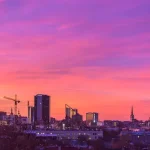
📷 Featured image by Margo Evardson on Unsplash.