On this page
- Tallinn’s Nightlife Scene in 2026: What’s New and What’s Shifted
- Old Town After Dark: Medieval Walls, Modern Drinks
- Telliskivi Creative City & Kalamaja: The Indie and Alternative Scene
- Ülemiste City and Lasnamäe: Nightlife Beyond the Tourist Belt
- Live Music Venues: Bands, Jazz, and Electronic Nights
- Rooftop Bars and Seasonal Spots: Summer Terraces and Winter Retreats
- LGBTQ+ Nightlife: Welcoming Spaces in 2026
- 2026 Budget Reality: What a Night Out in Tallinn Actually Costs
- Practical Nightlife Tips: Hours, Entry, and Getting Around
- Frequently Asked Questions
💰 Click here to see Estonia Budget Breakdown
💰 Prices updated: August, 2026. Budget figures are estimates — always verify before travel.
Exchange Rate: $1 USD = €0.86
Daily Budget (per person)
Shoestring: €45.00 – €70.00 ($52.33 – $81.40)
Mid-range: €120.00 – €170.00 ($139.53 – $197.67)
Comfortable: €250.00 – €420.00 ($290.70 – $488.37)
Accommodation (per night)
Hostel/guesthouse: €10.00 – €40.00 ($11.63 – $46.51)
Mid-range hotel: €50.00 – €140.00 ($58.14 – $162.79)
Food (per meal)
Budget meal: €10.00 ($11.63)
Mid-range meal: €25.00 ($29.07)
Upscale meal: €80.00 ($93.02)
Transport
Single metro/bus trip: €1.50 ($1.74)
Monthly transport pass: €30.00 ($34.88)
Tallinn’s Nightlife Scene in 2026: What’s New and What’s Shifted
If you last visited Tallinn a few years ago expecting the same stag-party chaos that once defined the Old Town on a Saturday night, you’re in for a different experience. Since the mid-2020s, the city has actively repositioned itself — tighter venue licensing, a stronger emphasis on local culture, and a creative scene that has firmly moved beyond the medieval walls. The tram network expansion completed in late 2025 now connects Kalamaja and Ülemiste to the centre with greater ease, which means you can actually bar-hop between neighbourhoods without depending on taxis. This guide covers the real picture of where Tallinn drinks, dances, and stays up late in 2026.
Old Town After Dark: Medieval Walls, Modern Drinks
Old Town still pulls a crowd every night of the week, and it would be dishonest to write it off as purely tourist territory. Yes, the streets around Raekoja plats (Town Hall Square) fill with tour groups by early evening, but by 10pm the dynamic shifts. The visitors with early museum plans have gone to bed, and what’s left is a mix of locals, expats, and switched-on travellers who know to stay out late.
Hell Hunt on Pikk Street has been pouring pints since 1993 and remains the most enduring bar in the city. The stone walls and low wooden ceilings make it feel genuinely cosy — a fireplace bar rather than a theme pub. Estonian craft beer from Põhjala and Tanker sits alongside imported options, and the kitchen runs until midnight. It gets crowded but never rowdy.
Nimeta Baar (literally “bar with no name”) on Suur-Karja draws a younger mix of locals and long-term expats. The vibe is loud, unpretentious, and cheap by Tallinn standards. Pool tables, strong cocktails, and no dress code. It is exactly what it sounds like — the kind of place you end up staying at longer than planned.
Club Hollywood on Vana-Posti has been the Old Town’s main club venue for years. In 2025 it underwent a sound system upgrade and added a second floor with a separate DJ booth focusing on house and techno nights. The main floor still runs commercial tracks and chart hits. Lines form after midnight on Friday and Saturday — arrive before 11pm to avoid a wait.
Drink Bar & Grill on Väike-Karja is worth mentioning as the late-late option — it runs until 5am on weekends and attracts the crowd that isn’t ready to stop. It is not a polished experience, but it is an authentic one.
Telliskivi Creative City & Kalamaja: The Indie and Alternative Scene
This is where Tallinn’s creative class drinks. Telliskivi Creative City — a converted factory complex about 15 minutes’ walk from Old Town, or two stops on the new tram line — has evolved into the most interesting nightlife neighbourhood in the city. The buildings still show their industrial bones: exposed brick, raw concrete, mismatched furniture dragged onto outdoor terraces when the weather allows.
Pudel Bar inside the Telliskivi complex is the anchor of the neighbourhood’s bar scene. It runs a rotating selection of Estonian craft beers on tap — usually around 12 options — and the staff actually know what they’re serving. The terrace fills on warm evenings with a crowd that leans 25–40, creative-professional, and genuinely interested in what’s in their glass. The faint smell of malt and hops drifts from the nearby brewing equipment that decorates the interior walls.
F-Hoone, also in Telliskivi, doubles as a restaurant and bar. The kitchen runs late and the bar keeps going after the last plates go out. Thursday and Friday evenings see live acoustic sets in the back section, and the Negroni here is among the better ones in the city.
Just outside the Telliskivi gates, the Kalamaja neighbourhood has quietly developed its own bar strip along Telliskivi Street and surrounding side streets. Kohvik Moon is technically a café-restaurant but runs a solid wine and natural wine list until late. The clientele is neighbourhood locals — young families earlier in the evening, couples and friend groups after 9pm.
Põhjala Tap Room, open on weekends, lets you drink directly from one of Estonia’s most respected craft breweries. It is worth planning your Friday or Saturday evening to start here. The unfiltered seasonal beers change monthly, and you won’t find those versions anywhere else in the city.
Ülemiste City and Lasnamäe: Nightlife Beyond the Tourist Belt
Most travel guides stop at Telliskivi. That’s a mistake if you want to understand how Tallinn actually socialises. The Ülemiste and Lasnamäe districts — home to a large portion of the city’s Russian-speaking population and its growing tech workforce — have their own nightlife infrastructure that operates almost entirely separately from the Old Town circuit.
Ülemiste City, the tech park adjacent to Tallinn Airport, has added several after-work bars since 2024 to cater to the thousands of people who work in its offices. Woodnote Bar inside the complex is a clean, modern wine bar that fills from 5pm on weekdays. Not a late-night destination, but the wine list is thoughtful and the food pairings are well-executed.
In Lasnamäe, the Astri Kaubanduskeskus mall area around Peterburi Road has a cluster of bars and clubs that run Eastern European music nights — a mix of Russian pop, Ukrainian dance tracks, and 2000s Eurodance. This is not a curated experience. It’s local, often loud, and on weekends it packs out completely. Venues here typically charge a 3–5 EUR entry after 10pm.
The Laagna tee strip slightly further east also has several larger club-format venues that have built loyal local followings. These aren’t on any tourist map, which is precisely what makes them worth seeking out if you’re spending more than a few days in the city.
Live Music Venues: Bands, Jazz, and Electronic Nights
Tallinn’s live music scene has strengthened considerably since 2024. Several new venue licences were issued, and the closure of some smaller Old Town clubs actually pushed promoters to find and develop better spaces elsewhere in the city.
Rock Café on Tartu maantee remains the main mid-capacity live music room. It holds around 800 standing, the acoustics are reasonable, and the booking policy has broadened in the past two years to include jazz nights, hip-hop shows, and electronic live acts alongside the rock programming the name suggests. Check their calendar — there is usually something on Thursday through Saturday.
Sveta Bar in Telliskivi is a smaller, more intimate space — capacity around 100 — that hosts some of the city’s most interesting bookings. Local experimental electronic artists, visiting DJs from Helsinki and Riga, the occasional avant-garde jazz quartet. The sound system was replaced in 2025 and the difference is audible. Standing room only, drinks are cheap, and the nights tend to run late.
Jazzkaar, Estonia’s premier jazz festival, takes over multiple venues across the city every April. In 2026 the festival expanded its club night programming, meaning that jazz performances now extend into the smaller bars of Kalamaja and Telliskivi rather than being confined to concert halls. If your trip coincides with April, this transforms your entire nightlife experience.
Tallinn Music Week in late March is another calendar anchor. In 2026 it featured over 200 acts across 30+ venues over five days. Many of the small venue showcases are free, and the combination of emerging Baltic, Nordic, and European acts makes it one of the most concentrated live music experiences available anywhere in Northern Europe at that time of year.
Rooftop Bars and Seasonal Spots: Summer Terraces and Winter Retreats
Estonia’s climate creates a sharp seasonal split in nightlife geography. From May to September, terraces and rooftops dominate. From October to April, the game shifts indoors to candle-lit basements and wood-panelled rooms where the warmth is as much a feature as the drinks.
Lounge24 at the Radisson Blu Sky Hotel is the city’s highest rooftop bar, sitting on the 24th floor with panoramic views over Old Town’s copper rooftops and the bay beyond. On a clear June evening, the Baltic light lingers until nearly 11pm and the silhouette of the medieval towers against a pale sky is something you don’t forget. It is priced accordingly — cocktails run 14–18 EUR — but the view earns it.
Fotografiska Tallinn, the photography museum that opened in a converted power plant on Ahtri Street, runs a top-floor bar and restaurant with harbour views. The museum stays open late on Thursday and Friday evenings, meaning the bar draws a culturally-engaged crowd rather than a purely drinks-focused one. The natural wine list here is the strongest in the city as of 2026.
For winter, the basement bars of Old Town come into their own. Gloria Wine Cellar on Müürivahe is a formal but genuinely excellent wine bar in a vaulted medieval cellar. The stone walls hold the chill, so dress warmly, but the wine selection and knowledgeable staff make this a very different proposition from the Old Town’s beer-focused venues.
The Telliskivi Christmas Market, running from late November through December, transforms the creative complex into an evening destination with mulled wine stalls, fire pits, and extended bar hours from the resident venues. The scent of cinnamon and juniper-spiked glögg in the cold air makes this one of the more atmospheric ways to spend a December evening in the city.
LGBTQ+ Nightlife: Welcoming Spaces in 2026
Estonia became the first Baltic state to legalise same-sex marriage, which took full legal effect in 2024. This has had a measurable effect on the social atmosphere — not that Tallinn was ever particularly hostile to LGBTQ+ visitors, but the formal legal equality has been accompanied by a visible increase in openly welcoming venues and a Pride season that now extends well beyond a single weekend.
X-Baar on Sauna Street in Old Town is the city’s longest-running LGBTQ+ bar and remains a community anchor. It is unpretentious, the drinks are fairly priced, and on weekend nights it draws a mixed crowd of regulars and visitors. Drag events run monthly and are typically advertised on their social media a few weeks in advance.
Club Privé on Harju Street has developed into one of the more genuinely inclusive club spaces in the city — mixed orientation, strong queer nights on the second Saturday of each month, and a management team that takes the door policy seriously. No tolerance for harassment, which is enforced rather than just stated.
Tallinn Pride, now running for its 20th year in 2026, has expanded into a week-long programme of events including film screenings, art openings, and a dedicated nightlife programme at venues across Telliskivi and Old Town. The main march and outdoor festival take place in late June.
2026 Budget Reality: What a Night Out in Tallinn Actually Costs
Tallinn is no longer the cheap European capital it was a decade ago, but it remains noticeably more affordable than Helsinki, Stockholm, or Copenhagen — the cities many of its visitors compare it against. Here’s what you’re actually looking at in 2026.
- Budget night out: 20–35 EUR per person. This covers drinks at Nimeta Baar or Pudel Bar, maybe a shared snack. You’re drinking Estonian craft beer (3.50–5 EUR per pint) or house wine (5–7 EUR per glass). No entry fees if you stick to bars rather than clubs.
- Mid-range night out: 40–65 EUR per person. A cocktail or two at a smarter bar (9–13 EUR each), dinner at a Telliskivi restaurant before heading out, entry to a club or ticketed live music event (8–15 EUR).
- Comfortable/splurge night out: 80–130 EUR per person. This includes a full dinner, rooftop cocktails at Lounge24 or Fotografiska, entry to a premium club night, and a taxi home. Wine by the bottle at Gloria Wine Cellar starts around 35 EUR.
Entry fees at Old Town clubs: 5–12 EUR on weekends. Some waive the fee before midnight. Larger events and international DJ nights at Rock Café or elsewhere: 15–25 EUR. Festival wristbands for Tallinn Music Week or Jazzkaar club nights: 10–20 EUR per evening.
Getting home: Bolt (the dominant ride-hailing app in Estonia) runs well in Tallinn. A ride from Old Town to Kalamaja is 4–6 EUR. From Old Town to Lasnamäe: 8–12 EUR. The night buses run on reduced frequency after midnight — every 30 minutes on main routes — but the expanded tram network now gives you reliable options until 1am on the Kalamaja and Ülemiste routes.
Practical Nightlife Tips: Hours, Entry, and Getting Around
A few things that save confusion once you’re actually out in the city.
Opening Hours and When to Arrive
Estonian bars typically open from around 4–5pm and run until 1–2am on weekdays. On weekends, clubs stay open until 3am, and the hardiest venues (Drink Bar, a handful of Old Town spots) go until 4 or 5am. The sweet spot for most bars is 9pm to midnight — after the tourist dinner rush and before the late-night crowd thins into diehards.
Age and ID
The legal drinking age in Estonia is 18. ID checks are common at club doors. Bring your passport or EU ID card — Estonian bouncers are thorough and a driving licence from outside the EU is not always accepted.
Dress Codes
Most Tallinn venues are casual. Telliskivi bars expect nothing more than a clean outfit. Clubs like Hollywood or Privé have a vague “no sportswear” policy but it’s loosely enforced. The rooftop bars at Radisson and Fotografiska are smart-casual by default — you won’t be turned away in jeans, but the clientele generally dresses up.
Cashless and Card Payments
Estonia is one of the most cashless societies in Europe. Almost every bar and club accepts contactless card payment — many have stopped handling cash entirely as of 2025. Bring a card, not a wallet full of notes.
Safety
Tallinn’s nightlife zones are safe by any European standard. The Old Town patrols were increased in 2024 and have remained consistent. The main nuisance is aggressive souvenir sellers on Vana-Posti late at night — ignore and walk on. Keep your phone in your front pocket in busy club queues.
Frequently Asked Questions
What is the best neighbourhood for nightlife in Tallinn?
It depends on what you’re after. Old Town is convenient and always active, with venues for every budget. Telliskivi Creative City offers the most interesting craft beer and indie music scene. For a local, non-touristy experience, Kalamaja’s bar strip and the Lasnamäe club scene are both worth exploring once you’re comfortable with the city’s geography.
What time do clubs close in Tallinn?
Most clubs close between 3am and 4am on Friday and Saturday nights. A handful of Old Town venues, including Drink Bar & Grill, operate until 5am on weekends. Weekday closing times are typically 1–2am. The Tallinn party scene starts late — arriving at a club before midnight means you’ll be in an empty room.
Is Tallinn nightlife expensive compared to other European capitals?
Tallinn sits in the mid-range bracket in 2026. It’s cheaper than Helsinki, Copenhagen, or London, but it’s no longer the bargain destination it was before 2020. A craft beer costs 3.50–5 EUR, a cocktail 9–13 EUR. Budget around 40–65 EUR for a full evening out including entry fees, and you’ll be comfortable without overspending.
Is Tallinn safe for solo nightlife travellers?
Yes, generally. Old Town is well-patrolled and the public transport is reliable. The main risk is petty theft in crowded club queues — keep valuables secure. Women travelling solo report feeling safe in the main nightlife areas. The Bolt ride-hailing app is reliable for getting home at any hour, which removes the taxi-flagging uncertainty common in other cities.
Are there good nightlife options in Tallinn outside of summer?
Absolutely. Winter nightlife in Tallinn has its own appeal — medieval cellars and wood-panelled bars come into their own when it’s minus 10°C outside. The Christmas market season in Telliskivi (November–December) adds an atmospheric outdoor element. Jazzkaar in April and Tallinn Music Week in March give the spring shoulder season a strong events calendar. Summer gets the most attention, but the other seasons hold up well.
Explore more
Top Estonian Countryside Day Trips: Viljandi, Soomaa & Beyond
Where to Find Authentic Estonian Handicrafts & Wool in Rural Estonia?
Your Guide to Getting Around Regional Estonia: Car Rentals, Buses & Budgeting
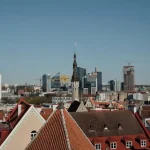
📷 Featured image by Denis Shlenduhhov on Unsplash.