On this page
- Why Saaremaa’s Beaches Still Surprise Visitors in 2026
- The Best Beaches on Saaremaa — An Island-Wide Breakdown
- Swimming, Water Sports & What the Baltic Actually Feels Like
- Beach Camping & Staying Near the Shore
- What to Eat and Drink Around Saaremaa’s Coastline
- Getting to Saaremaa and Reaching the Beaches
- When to Visit for the Best Beach Experience
- Beach Safety, Conditions & Practical Coastal Know-How
- Budget Breakdown for a Saaremaa Beach Trip
- Frequently Asked Questions
💰 Click here to see Estonia Budget Breakdown
💰 Prices updated: October, 2026. Budget figures are estimates — always verify before travel.
Exchange Rate: $1 USD = €0.88
Daily Budget (per person)
Shoestring: €40.00 – €70.00 ($45.45 – $79.55)
Mid-range: €120.00 – €250.00 ($136.36 – $284.09)
Comfortable: €300.00 – €900.00 ($340.91 – $1,022.73)
Accommodation (per night)
Hostel/guesthouse: €15.00 – €40.00 ($17.05 – $45.45)
Mid-range hotel: €60.00 – €150.00 ($68.18 – $170.45)
Food (per meal)
Budget meal: €15.00 ($17.05)
Mid-range meal: €35.00 ($39.77)
Upscale meal: €100.00 ($113.64)
Transport
Single metro/bus trip: €2.00 ($2.27)
Monthly transport pass: €30.00 ($34.09)
In 2026, Saaremaa is finally getting the international attention it deserves — and that’s creating a real tension for first-time visitors. The island’s beaches are genuinely spectacular, but the best ones are spread across a large, mostly rural island with limited public transport. If you arrive without a plan or a car, you’ll end up at the two or three spots everyone photographs and miss the twenty that most visitors never find. This guide fixes that.
Why Saaremaa’s Beaches Still Surprise Visitors in 2026
Most people expecting a Baltic beach are braced for grey skies, cold water, and a thin strip of sand between a car park and a pine forest. Saaremaa consistently breaks that expectation. The island’s western and northern coastlines are lined with pale, almost white sand beaches that stretch for kilometres with almost no development behind them. The water is shallow and calm on the sheltered eastern side. The western shores catch more wind and deliver a completely different mood — raw, dramatic, and quiet even in July.
What makes Saaremaa distinct from mainland Estonian beaches like Pärnu is the almost complete absence of resort infrastructure. There are no beach bars pumping music, no rows of hired sun loungers, no vendors walking the waterline. What you get instead is a clean shoreline, juniper scrubland, and the faint smell of the sea mixing with pine resin when the wind drops. That combination is genuinely rare in northern Europe at any price point.
The island also benefits from Estonia’s everyman’s right (igaüheõigus), which allows anyone to access and camp on uncultivated land. For beach lovers, this is transformative. You can walk any coastline, set up a tent above the tideline, and light a small campfire without needing permission. In 2026, this right remains fully intact and is actively encouraged by Saaremaa’s local tourism board as part of a slow-travel positioning strategy.
The Best Beaches on Saaremaa — An Island-Wide Breakdown
Järve Beach
The most developed and most accessible beach on the island, located on the southwestern coast near Salme. Järve has a lifeguard tower in summer, designated swimming zones, basic changing facilities, and a small snack kiosk. The sand here is fine and the water is unusually warm for the Baltic because the bay is shallow and south-facing. It’s the right choice for families with young children and anyone who wants a traditional beach day without logistics. In July and August the car park fills by 11am on weekends — arrive earlier or on a weekday.
Mändjala Beach
About 10 kilometres west of Kuressaare, Mändjala is the island’s most popular beach and the one most likely to appear in promotional photography. A long, gently curved bay with white sand, backed by a narrow belt of pines, it has enough space to absorb the summer crowds without ever feeling claustrophobic. The water is clear and the bottom is sandy all the way out. Standing ankle-deep here on a calm August afternoon, the water has that particular Baltic quality — cool enough to feel refreshing, warm enough to stay in for an hour without complaint.
Panga Cliff Coast
Not a swimming beach, but one of the most dramatic coastal experiences on the island. The Panga cliffs on the northern coast rise around 21 metres above the sea — the highest sea cliffs in Estonia — and run for several kilometres. Below them is a narrow pebble and boulder shoreline that is accessible by scrambling down marked paths. Almost nobody swims here, but the views out across the open Baltic are extraordinary, and the cliffs themselves are geologically fascinating: exposed Silurian dolomite with visible fossil beds.
Harilaid Peninsula Beaches
The Harilaid Peninsula in the northwest is where Saaremaa gets genuinely wild. A narrow spit of land extending into the sea, it’s protected as a nature reserve and the beaches here see almost no visitors outside the summer peak weeks. The sand is coarser than at Mändjala, the water is colder, and you’ll need to walk 20–40 minutes from the nearest parking area. The reward is an entirely undeveloped coastline where you can walk for an hour without seeing another person. Seal sightings are not uncommon in early morning.
Muhu Island’s Kogula Beach
Muhu is the smaller island you cross by causeway to reach Saaremaa from the ferry. Kogula Beach on Muhu’s northern coast is a short detour — less than 15 minutes off the main road — and it sees very few visitors because most people drive straight through. Wide, flat, and completely sheltered from westerly winds, it’s excellent for paddleboarding and kayaking. The water colour here on a clear day shifts between silver and pale green depending on the light.
Swimming, Water Sports & What the Baltic Actually Feels Like
The Baltic Sea around Saaremaa is notably less salty than the open ocean — roughly 5–8 parts per thousand compared to the Atlantic’s 35. That affects how the water feels and how it behaves. You float slightly less easily. There’s no sharp salt sting. The water has a softness to it that takes a little getting used to.
Temperatures at Mändjala and Järve typically reach 18–22°C in July and August, occasionally higher in sheltered southern bays after a long warm spell. The northern and western coasts run 2–4 degrees cooler. For most Europeans used to Mediterranean swimming, July and August are genuinely comfortable. June and September are manageable for confident swimmers but cool for long sessions.
Windsurfing and kitesurfing are well established on the island’s western coast, particularly around Kihelkonna and the Harilaid area, where consistent westerly winds arrive off the open sea. Rent equipment through operators in Kuressaare — several now offer lessons as of 2026 targeting beginners. Expect to pay €45–75 for a half-day equipment rental and €80–110 for a two-hour beginner lesson.
Stand-up paddleboarding (SUP) is better suited to the calmer eastern and southern coasts. Muhu’s Kogula Beach and the sheltered bays near Leisi are the main spots. Several guesthouses near the coast now include SUP boards in their amenity packages, particularly those targeting the active-travel market that has grown significantly on Saaremaa since 2024.
Kayak touring has become one of the island’s fastest-growing activities. Multi-day coastal routes now connect Saaremaa’s main bays, with overnight stops at designated coastal camping spots. Guided tours run from late May through September. A full-day guided kayak excursion from Kuressaare along the southern coast typically costs €65–90 per person including equipment and a packed lunch.
Beach Camping & Staying Near the Shore
Thanks to everyman’s right, camping directly on Saaremaa’s beaches is legal and widely practiced. There are a few practical rules: keep at least 150 metres from private buildings, take all rubbish with you, and don’t cut living trees for firewood. Fires are permitted except during official fire bans (check the Estonian Emergency Management Agency’s website before lighting anything — summer 2025 saw several bans extended into early September).
For those who prefer a managed site, Mändjala Camping is the largest on the island, sitting right behind the beach. It has electrical hookups, a shower block, a small shop, and a sauna available to rent by the hour. Prices in 2026 run €15–22 per night for a tent pitch depending on the week, and €55–85 for a wooden camping cabin. Booking ahead for July and the first two weeks of August is essential — the site fills completely.
Järve area has two smaller private camping sites within cycling distance of the beach. These are quieter and cheaper (€10–15 per tent pitch) but have fewer facilities. Good option if you have your own gear and prefer a calmer atmosphere.
For glamping, two new operations opened near Saaremaa’s western coast in 2025 and are now fully operational. They offer canvas tent structures on wooden platforms with beds, small wood stoves, and outdoor fire pits, positioned within a short walk of the shoreline. Rates run €95–140 per night for two people. Not budget travel, but the combination of coast access and comfortable sleeping is genuinely appealing.
What to Eat and Drink Around Saaremaa’s Coastline
Food options near the actual beaches are limited — which is part of the island’s character. Mändjala has a seasonal kiosk selling grilled sausages, ice cream, and cold drinks from June through August. Järve has a similar setup. Beyond those two spots, bring your own food if you’re heading to the wilder beaches.
Kuressaare, the island’s main town 8–15 kilometres from most beaches, is where you eat properly. The Thursday market on Kuressaare’s town square runs through the summer and is the best place on the island to pick up smoked fish, fresh bread, local cheeses, and the herb spirits produced by small Saaremaa distilleries. The fish here — particularly the smoked sprats and smoked flounder — are caught locally and sold by the people who caught them. The smoky, slightly oily scent of a bag of fresh-wrapped smoked sprats carried back to a campfire is one of those Saaremaa experiences that visitors consistently mention years later.
For sit-down meals, the restaurant at Mändjala’s main guesthouse complex serves locally sourced food and has a terrace facing the tree line. Arrive by 7pm in peak season or expect a wait. In Kuressaare, the area around Lossi Street near the bishop’s castle has the highest concentration of restaurants including seafood-focused options and a craft brewery that produces Saaremaa-exclusive seasonal beers.
Beach picnic supplies: the Maxima supermarket in Kuressaare is the most practical option. Stock up here before heading out — opening hours run 8am–10pm daily. There is no convenience shopping near any of the remote beaches.
Getting to Saaremaa and Reaching the Beaches
As of 2026, getting to Saaremaa involves a ferry crossing from Virtsu on the mainland to Kuivastu on Muhu Island, followed by a drive across the Muhu-Saaremaa causeway. The ferry crossing takes about 25 minutes. TS Laevad operates the route and online booking is strongly recommended during summer — weekend sailings in July can be fully booked a week in advance. Prices for a standard car plus two passengers run approximately €25–32 each way in high season.
From Tallinn, the drive to Virtsu takes about 1 hour 45 minutes on well-maintained roads. From Pärnu, it’s closer to 1 hour. Bus connections from Tallinn to Kuressaare run daily and include the ferry crossing in the ticket price — journey time is around 3.5–4 hours total, with prices starting at €14 for advance bookings.
Within Saaremaa, a car is essentially mandatory for accessing any beach beyond Mändjala. Public buses serve the main towns but don’t go to most beaches. Cycling is a genuine option for the Kuressaare-to-Mändjala route (about 10km, flat terrain, a designated cycle path exists for most of it), but the more remote western beaches are 40–60km from town — a long day on a bike. Car rental in Kuressaare starts at €45–65 per day for a compact car in 2026 high season. Book in advance — the local fleet is small and sells out.
Kuressaare Airport operates seasonal connections to Tallinn (flight time under 30 minutes), with Nordica and regional operator NyxAir both running summer schedules in 2026. Useful if you want to island-hop without the ferry queue, though you’ll still need a rental car on arrival.
When to Visit for the Best Beach Experience
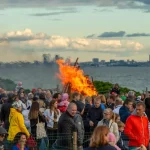
July is peak season and the warmest month — average air temperatures around 20–23°C, sea temperatures at their highest, longest daylight hours (sunset after 10pm in early July), and the highest concentration of events, open restaurants, and active tourism services. It’s also the busiest month, particularly the two weeks around Estonian midsummer (Jaanipäev falls on June 24) and the last two weeks of July when mainland Estonians take their main summer holidays.
June is excellent for those who want warmth without the peak crowds. Sea temperatures lag behind air temperatures so early June swimming is for the determined, but the island feels spacious and prices are lower. Late June is genuinely ideal — long days, reasonable temperatures, and noticeably fewer visitors than July.
August stays warm and the sea holds its heat from July. Crowds thin slightly after the first week. The quality of light in late August — lower, golden, present all evening — is exceptional for photography and for simply sitting on a beach watching the water.
September is for those who want a completely different experience: almost empty beaches, cooler temperatures (14–17°C air, 14–17°C sea), dramatic skies, and an island that returns to its quieter self. Swimming is for the committed, but coastal walking and cycling are better in September than any summer month.
Beach Safety, Conditions & Practical Coastal Know-How
Saaremaa’s beaches are generally very safe for swimming. The Baltic is shallow and calm on the sheltered coasts, currents are minimal, and there are no tides to speak of — tidal range around Saaremaa is under 20 centimetres. The main risks are weather-related rather than sea-related.
Lifeguard coverage exists at Mändjala and Järve from late June through mid-August. All other beaches are unguarded. The island’s emergency services cover the whole coast but response times to remote beaches are long — this is worth factoring into decisions about swimming conditions in unsettled weather.
Jellyfish appear annually, typically in late July and August. Moon jellyfish are common and their sting is mild — most people barely notice contact. The less common lion’s mane jellyfish appears occasionally and does sting significantly. Check local Facebook groups or the Saaremaa tourism board’s social channels for current jellyfish reports before swimming.
Blue-green algae blooms are a recurring issue in the Baltic in hot summers. In 2025, blooms affected several southern coast beaches in late July. Swimming during a bloom is not recommended — it causes skin irritation and, in heavy concentrations, can be more serious. The Estonian Environment Agency posts daily water quality data online and the Saaremaa tourism app now surfaces these alerts directly.
Sun protection is frequently underestimated at northern latitudes. UV levels can be significant between 11am and 3pm in July, even when it doesn’t feel intensely hot. The light angle and the reflective surface of the water compound this. Use SPF 30 minimum.
Budget Breakdown for a Saaremaa Beach Trip
Budget Tier — approximately €45–65 per person per day
- Camping on the beach or at a basic campsite: €10–15 per night
- Self-catering from Kuressaare’s Maxima supermarket: €10–15 per day
- Ferry crossing (shared car cost): €6–8 per person
- Car rental split between travellers significantly reduces daily costs
Mid-Range Tier — approximately €100–150 per person per day
- Guesthouse or small hotel near Mändjala: €60–95 per room per night
- Mix of supermarket supplies and one restaurant meal per day: €25–35
- Half-day kayak or SUP rental: €25–40
- Ferry and car rental: €35–55 per day split two ways
Comfortable Tier — approximately €200–300 per person per day
- Boutique hotel or glamping near the coast: €120–200 per room/unit per night
- Restaurant meals twice daily: €45–70
- Guided water sports or private boat excursion: €80–120
- Direct flight Tallinn–Kuressaare rather than ferry: €85–130 one way
A three-night beach trip for two people sharing costs comfortably done at mid-range for €600–800 total including transport, accommodation, food, and one or two water activities. Budget travellers with their own camping gear and a shared car can manage the same trip for €250–350 for two.
Frequently Asked Questions
Are Saaremaa’s beaches clean and safe to swim at?
Generally yes. Mändjala and Järve have regular water quality testing and EU Blue Flag standards are met most seasons. Remote beaches are clean but unmonitored. The main seasonal risk is blue-green algae in hot summers — check the Estonian Environment Agency’s daily water quality data before swimming at any location.
Do you need a car to reach Saaremaa’s best beaches?
For most of them, yes. Mändjala is reachable by bicycle from Kuressaare on a dedicated path. All other notable beaches require a car or a very long cycle. Car rental starts at around €45–65 per day in 2026. Shared rental between two or three travellers makes this the single most practical investment in your Saaremaa trip.
What is the water temperature like in summer?
At sheltered southern bays, July water temperatures typically reach 18–22°C — comfortable for most swimmers. Northern and western coasts run cooler at 15–18°C. The Baltic is not the North Sea, but it’s not the Mediterranean either. Most visitors find July and August genuinely enjoyable for swimming.
Is Saaremaa suitable for families with children?
Järve and Mändjala beaches are excellent for families — shallow water, sandy bottoms, minimal currents, and summer lifeguard coverage. The island is also very child-friendly overall: low traffic on most roads, clean beaches, and space. Accommodation near the main beaches often has playgrounds and family-oriented facilities.
How far in advance should you book the Saaremaa ferry in summer?
For Friday to Sunday crossings in July, book at least one to two weeks in advance. For midsummer weekend (around June 24) and the last two weeks of July, book as early as possible — some sailings sell out a month ahead. Weekday crossings in June, late August, and September are usually available without advance booking.
Explore more
Saaremaa Ferry Travel: Essential Tips for a Smooth Journey
Where to Eat in Kuressaare: Top Picks for Every Budget
What Are the Best Souvenirs to Buy in Saaremaa, Estonia?
📷 Featured image by Marek Lumi on Unsplash.