On this page
- Why Tartu Nights Hit Different
- The Bar Districts You Need to Know
- Student Bars & Cheap Pints
- Craft Beer & Tap Room Scene
- Wine Bars & Cocktail Lounges
- Live Music Venues
- Clubs & Late-Night Dancing
- Night Owls’ Food Stops
- Seasonal Nightlife
- Practical Nightlife Tips
- Budget Breakdown for a Night Out
- Frequently Asked Questions
💰 Click here to see Estonia Budget Breakdown
💰 Prices updated: October, 2026. Budget figures are estimates — always verify before travel.
Exchange Rate: $1 USD = €0.88
Daily Budget (per person)
Shoestring: €40.00 – €70.00 ($45.45 – $79.55)
Mid-range: €120.00 – €250.00 ($136.36 – $284.09)
Comfortable: €300.00 – €900.00 ($340.91 – $1,022.73)
Accommodation (per night)
Hostel/guesthouse: €15.00 – €40.00 ($17.05 – $45.45)
Mid-range hotel: €60.00 – €150.00 ($68.18 – $170.45)
Food (per meal)
Budget meal: €15.00 ($17.05)
Mid-range meal: €35.00 ($39.77)
Upscale meal: €100.00 ($113.64)
Transport
Single metro/bus trip: €2.00 ($2.27)
Monthly transport pass: €30.00 ($34.09)
If you’ve been relying on blog posts from 2022 to plan your Tartu nights out, you’re walking into a city that has genuinely moved on. Several beloved old venues have closed, a wave of craft tap rooms opened along the river in 2024–2025, and Tartu’s stint as European Capital of Culture in 2024 left behind a more confident, experimental arts-and-nightlife scene than the city had before. This guide reflects what’s actually open and worth your evening in 2026.
Why Tartu Nights Hit Different
Tallinn gets the tourism headlines, but locals across Estonia will tell you that Tartu is where people actually go to have a good time. The difference is atmosphere. Tartu is a university city — the University of Tartu was founded in 1632 and still dominates the city’s rhythm — so there’s a permanent population of young, curious, internationally minded people who make even a Tuesday night feel alive. But it’s not just students. The city draws researchers, artists, tech workers, and the kind of Estonians who find Tallinn too tourist-heavy.
The Emajõgi river runs through the centre, and much of the city’s nightlife clusters within comfortable walking distance of its banks. Distances between venues are short — you can walk from the student quarter to the river bars in under ten minutes — which makes bar-hopping genuinely easy on foot. There’s no single “nightlife strip” the way some cities have. Instead, Tartu has pockets: a street here, a courtyard there, a basement you’d never find without someone pointing at the door.
The vibe skews unpretentious. Dress codes are almost nonexistent outside of a couple of clubs. Conversations with strangers happen more easily here than in Tallinn’s more tourist-oriented bars. And prices — even after the inflation of the past two years — remain noticeably lower than the capital.
The Bar Districts You Need to Know
Rüütli Street and the Old Town Core

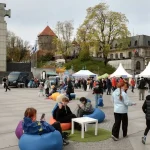
Rüütli tänav and the streets immediately surrounding Town Hall Square form the most concentrated drinking area in the city. This is where you’ll find a mix of long-running pubs, wine bars, and craft spots within a few hundred metres of each other. The square itself is beautiful at night — the neoclassical Town Hall lit up, the fountain running in summer — and several bars have tables or terraces that face it directly. This area suits people who want variety within a short walk and don’t mind a slightly more tourist-mixed crowd.
Kalevi Quarter and the South Bank
The Kalevi area, south of the river, has developed significantly since 2023. What was once mostly residential has a growing cluster of independent bars and small venues, many of them opened by younger Estonians who were priced out of the Old Town. Expect fewer tourists, more locals, and a rawer feel. Some spaces double as gallery venues or small event spots during the week.
The Emajõgi Riverfront
In summer, the riverfront between Kaarsild (the arch bridge) and Kivisild becomes the social spine of Tartu after dark. Several bars operate outdoor terraces right on the water, and on warm evenings the strip feels genuinely festive — the smell of grilled food drifting from food trucks, the sound of music overlapping between venues. In winter this strip quiets considerably, but a few indoor river-facing spots stay lively year-round.
Student Bars & Cheap Pints
The University of Tartu’s presence means the city has a strong tradition of affordable, no-nonsense drinking spots that have survived decades of student generations. These aren’t grungy dives — most are clean, well-run, and serve decent food alongside their beer lists.
Zavood on Lai tänav is the kind of place where a large Saku costs around €3.50 and the wooden benches are always occupied by a mix of students, older regulars, and confused tourists who wandered in and decided to stay. The interior is warm and slightly chaotic, with Estonian-language music posters covering most of the walls.

Illegaard is a Tartu institution. Tucked into a courtyard off Ülikooli tänav, it functions as a bar, jazz club, and cultural venue simultaneously. Entry is often free on weeknights. The low ceilings and exposed brick give it a basement warmth even though it’s not technically underground. This is where you’ll hear people arguing about Estonian literature and European politics over €4 beers, which is exactly the kind of thing that makes Tartu nights memorable.
Wilde Irish Pub near the university has been a fixture for over two decades. Yes, it’s an Irish pub, but in Tartu it functions as something genuinely local — a meeting point between international students and Estonian regulars, with a long tap list and occasional live music.
Craft Beer & Tap Room Scene
Tartu has quietly become one of the more interesting craft beer cities in the Baltics. It’s not just about Estonian macro lagers here — the city has a cluster of venues that take local and regional brewing seriously.
Põhjala Tap Room (Põhjala is based in Tallinn but opened a Tartu outpost) serves a rotating selection of Estonian craft beers in a bright, modern space near the river. Expect IPAs, dark lagers, sours, and seasonal releases. Prices run around €5–7 for a 0.4L pour, which for craft beer is reasonable by Baltic standards.

Lehe Pruulikoda is a smaller, Tartu-native brewery with a tap room that pours its own production — including some genuinely unusual fermented grain beers that nod to older Estonian brewing traditions without being gimmicky about it. The space fits maybe 40 people and fills up on weekends, so arriving before 9pm is sensible.
Beer House Tartu on the main square is a larger, more tourist-accessible spot that brews on-site and serves its own lagers and ales alongside Estonian bar food. Less adventurous than Lehe, but reliable and centrally located.
The craft scene in Tartu tends toward conversation-friendly venues rather than loud music. These are places for tasting and talking, not dancing.
Wine Bars & Cocktail Lounges
Tartu’s grown-up drinking scene has expanded noticeably since 2024. Several wine bars opened in the wake of the Capital of Culture year, catering to an audience that wants a more considered evening.
Vein ja Vine on Küütri tänav is the standout wine bar in the city. The list leans heavily toward natural and low-intervention European wines, with a good selection by the glass. The room is small — stone walls, low lighting, perhaps 30 seats — and the staff know their list. A glass of wine runs €6–10 depending on the pour. The atmosphere is hushed in a good way; you can actually hear the person across the table.
Möku functions as a cocktail bar with a food menu that runs late. The cocktails are well-made and seasonally influenced — in winter 2025/26 they were doing a lingonberry and rye whisky sour that tasted exactly like a cold Estonian evening in the best possible way. Prices for cocktails sit around €9–12.
For something slightly more theatrical, Gunpowder Cellar in the Old Town occupies a 17th-century cellar space with vaulted ceilings. It doubles as a cocktail bar and event venue. The drinks list is smaller but well-chosen, and the setting does most of the atmosphere work.
Live Music Venues
Live music in Tartu runs the range from jazz quartets in basement bars to full indie rock shows in converted industrial spaces. The city’s music scene benefits from the university — there’s always a pool of talented young musicians looking for stages.
Illegaard (mentioned earlier for its student bar credentials) hosts jazz performances most Friday and Saturday nights from around 10pm. The quality is consistently high. Entry is usually €5–8, sometimes free for early arrivals. The narrow room fills fast and the sound bounces off the walls in a way that feels close and immediate rather than overwhelming.
Tartu Ülikooli Aula — the university’s main hall — hosts classical and chamber music performances that are often open to the public at low ticket prices (€8–15). Check the university’s events page for the current programme. The hall itself is stunning: a neoclassical interior with exceptional acoustics.
Genialistide Klubi is Tartu’s most experimental live music venue, hosting everything from noise acts to folk singers to poetry-and-music hybrids. It functions as a cultural club with membership, but walk-in access to events is usually possible for a small door charge. This is where you find the side of Tartu that doesn’t care at all about being commercial.
Keep an eye on the Rock Café near the market hall for heavier touring acts. It’s a straightforward rock venue — sticky floors, loud sound system, enthusiastic regulars — that books both Estonian and international artists.
Clubs & Late-Night Dancing
Tartu doesn’t have a huge club scene by any major city’s standards, but what it has functions well and stays busy on weekends from about midnight onward.
Club Tallinn (confusingly named) near the river is the largest club in the city, with a capacity around 500 and a main floor that plays commercial house and techno. It’s the default choice for a late night of dancing. Entry runs €5–10 depending on the night and any touring DJ. Drinks prices are Tartu-level affordable: €4–6 for a mixed drink.
Ristiisa Juures is smaller and quirkier, with more eclectic programming — you might get a disco night followed by a weekend of Baltic techno. The crowd is younger and more student-oriented. Entry is often €3–5.
Atlantis on the riverfront operates as a club on Friday and Saturday nights after functioning as a restaurant and events space earlier in the evening. The riverside terrace in summer is a genuine draw. In 2026 it has been booking more regional electronic acts, which has raised its profile considerably among the local nightlife crowd.
Last entry at most Tartu clubs is around 2am. Closing time is typically 4am on Friday and Saturday nights.
Night Owls’ Food Stops
After a long night, Tartu has a few reliable places that stay open late or operate specifically for the post-bar crowd.
Burger Factory near the market area runs until 4am on weekends and is exactly what it sounds like — big, honest burgers at €7–10 that absorb an evening’s drinking without complaint.
Tartu Turg (the central market) has a handful of stalls that open early morning — by 5am on weekdays, sometimes earlier — which means a late enough night circles back around to fresh market bread and coffee. The smell of cardamom rolls warming in the early morning air is the kind of specific detail that stays with you long after you’ve left the city.
Kebab stands cluster around Kaubamaja (the department store area) and operate late on weekends. Quality varies, but at €4–6 for a full wrap, the risk-reward calculation is straightforward.
Seasonal Nightlife
Tartu’s after-dark scene changes dramatically with the seasons, more so than in most comparable European cities. Understanding this saves disappointment.
Summer (June–August)
This is the city at its most social. The riverfront terraces run until midnight or later on warm nights. Jüriöö and Midsummer (Jaanipäev) in late June bring city-wide outdoor events, bonfires, and concerts. The long daylight hours mean evenings don’t feel dark until after 10pm, which shifts the whole social rhythm later. Terraces fill fast — arriving before 7pm to claim a riverside table on a warm Friday is the move.
Autumn & Spring
The academic year’s rhythm kicks in. Bars fill from September as students return, and there’s a busy energy through to December. These shoulder seasons often have the best combination of lively venues and manageable crowds. Spring (March–May) brings increasing terrace culture as soon as temperatures allow.
Winter (December–February)
Tartu doubles down on indoor warmth. Candlelit bars, mulled wine at market stalls around Town Hall Square in December, and a general sense of retreating into cosy spaces together. The Christmas market is genuinely beautiful, and several venues run special events through January and February rather than going quiet. This is not a dead season — just a different one.
Practical Nightlife Tips
Getting home: Tartu’s city bus service runs until around midnight on most lines. After that, taxis and rideshare apps (Bolt is dominant in Estonia) are your options. A Bolt across the city centre costs €4–8. Walking is genuinely safe — Tartu has very low crime rates and well-lit central streets.
ID requirements: Estonia’s minimum drinking age is 18. ID checks are routine at clubs and some bars, especially early in the evening. A passport or EU ID card is fine. Non-EU visitors should carry their passport.
Payment: Card payment is accepted almost everywhere in Tartu — Estonia is one of the most cashless societies in Europe. You can realistically go an entire night without touching cash. That said, some smaller venues and market stalls appreciate cash for small amounts.
Cover charges: Most bars in Tartu charge no cover. Clubs charge €3–10 depending on the night and acts booked. Check venue social media pages before heading out — in 2026 most Tartu venues post their weekly programmes on Instagram and Facebook by Wednesday.
Language: English is widely spoken among bar staff and most venue workers, especially anyone under 35. You will not struggle to communicate.
Safety: Tartu is very safe by European standards. Petty theft is rare but possible in crowded club environments, so the usual rules apply — keep your phone in a front pocket, don’t leave drinks unattended.
Budget Breakdown for a Night Out
Here’s what a night out actually costs in Tartu in 2026, across three realistic spending levels:
Budget Night (€20–30 total)
- Start at a student bar — 3–4 beers at €3.50–4.50 each
- Free entry to a live music night at Illegaard or a student event
- Kebab on the way home: €5
- Bolt home: €5–6
Mid-Range Night (€50–70 total)
- Dinner and drinks at a restaurant before 8pm: €20–25
- Craft beers at a tap room: 3 pours at €6 each
- Club entry: €7
- 2–3 club drinks: €12–15
- Late-night food: €8–10
- Bolt home: €6
Comfortable Night (€90–120 total)
- Wine bar with a full bottle between two people: €35–45
- Cocktails at Möku: 2–3 at €10–12 each
- Premium club or ticketed live music: €15–20
- Drinks through the night: €20–25
- Taxi home: €8
Tartu remains noticeably more affordable than Tallinn for an equivalent night out. You consistently get more for your money here, which is one reason the city has developed a reputation for good-value travel among visitors to Estonia.
Frequently Asked Questions
What time do bars close in Tartu?
Most bars in Tartu close between midnight and 2am on weeknights. On Friday and Saturday nights, clubs stay open until 4am. A handful of late-night food spots then pick up from around 4–5am. Sundays are quieter, with most venues closing by midnight or earlier.
Is Tartu nightlife good for solo travellers?
Yes — Tartu is one of the easier cities in the Baltics for solo nightlife. The student culture means people are generally open to conversation, English is widely spoken, the city is compact and walkable, and Bolt taxis are available throughout the night. Illegaard and the riverfront bars are particularly welcoming to lone visitors.
Are there any rooftop bars in Tartu?
Tartu doesn’t have a dedicated rooftop bar scene the way Tallinn does. The city’s architecture is lower and the building stock older. Your best elevated drinking view comes from the terrace at Tartu Observatory or from a few Old Town spots with upper-floor terraces. The riverside terraces in summer are the real draw instead.
How does Tartu nightlife compare to Tallinn?
Tartu’s scene is smaller but more local in character. Prices are 20–30% lower, crowds are less tourist-heavy, and the student population gives it consistent energy during the academic year. Tallinn has larger clubs and more international DJ bookings. Tartu suits people who want an authentic local night out over a polished commercial club experience.
What is the best area in Tartu to stay for nightlife?
Staying in the Old Town or within five minutes of Town Hall Square puts you within walking distance of almost every bar, venue, and club mentioned in this guide. The area around Rüütli tänav and Küütri tänav is the sweet spot — central, walkable, and easy to navigate safely on foot at any hour of the night.
📷 Featured image by Maksim Shutov on Unsplash.