On this page
- What Makes Lahemaa Different
- The Manor Houses: Palmse, Sagadi, Kolga, and Vihula
- Coastal Villages and the Shoreline
- Hiking and Nature Trails
- Wildlife and the Forest Interior
- Getting There and Getting Around
- Where to Eat and Drink In and Around the Park
- Where to Stay
- Best Time to Visit
- Day Trip vs Multi-Day Stay
- Budget Breakdown
- Practical Tips
- Frequently Asked Questions
💰 Click here to see Estonia Budget Breakdown
💰 Prices updated: October, 2026. Budget figures are estimates — always verify before travel.
Exchange Rate: $1 USD = €0.88
Daily Budget (per person)
Shoestring: €40.00 – €70.00 ($45.45 – $79.55)
Mid-range: €120.00 – €250.00 ($136.36 – $284.09)
Comfortable: €300.00 – €900.00 ($340.91 – $1,022.73)
Accommodation (per night)
Hostel/guesthouse: €15.00 – €40.00 ($17.05 – $45.45)
Mid-range hotel: €60.00 – €150.00 ($68.18 – $170.45)
Food (per meal)
Budget meal: €15.00 ($17.05)
Mid-range meal: €35.00 ($39.77)
Upscale meal: €100.00 ($113.64)
Transport
Single metro/bus trip: €2.00 ($2.27)
Monthly transport pass: €30.00 ($34.09)
In 2026, Lahemaa National Park is getting more attention than ever — partly because Rail Baltica construction has pushed some travelers to explore Estonia beyond Tallinn by car, and partly because word has spread that this place is genuinely wild in a way that Western Europe simply cannot offer anymore. The problem most visitors face is that they treat it as a half-day detour from Tallinn and leave feeling like they missed something. They did. Lahemaa rewards the people who slow down.
What Makes Lahemaa Different
Lahemaa — the name translates roughly as “land of bays” — covers around 725 square kilometres of Estonia’s northern coastline. It became the Soviet Union’s first national park in 1971, which is a strange piece of history given how politically loaded the concept of protected wilderness was at the time. That Soviet-era decision accidentally preserved something extraordinary: a stretch of Baltic coastline, dense boreal forest, raised bogs, glacial erratic boulders the size of small houses, and a cluster of historic manor estates, all within 70 kilometres of a capital city.
What separates Lahemaa from other European coastal parks is the layering. You get genuine wilderness — wolves, lynx, brown bears — sitting alongside 18th-century German-Baltic manor architecture, active fishing villages that still haul nets from the Baltic, and forests so thick that in fog they feel genuinely ancient. There are no theme park elements here. No gondola rides or visitor centres selling branded merchandise every 500 metres. The park infrastructure is minimal and honest.
The Manor Houses: Palmse, Sagadi, Kolga, and Vihula
The four main manor estates inside Lahemaa are each distinctly different, and most visitors make the mistake of only visiting Palmse because it appears first in search results.
Palmse Manor
Palmse is the showpiece. The main building — a pale yellow Baroque structure dating from the 1780s — has been fully restored and houses a museum covering Baltic German noble life. The surrounding park includes a distillery (now a visitor centre), a bathhouse, a swan lake, and rose gardens. In summer, the scent of old roses mixed with cut grass drifts across the courtyard. Entry to the estate grounds costs around €5 in 2026; the museum interior is separate at €8. It gets busy on summer weekends, so arriving before 10:00 makes a real difference.
Sagadi Manor
Sagadi sits deeper in the forest and has a quieter, more intimate feel. The main building is white with a Classical facade, and the estate now functions as a forestry museum — fitting, given that it’s surrounded by some of the park’s oldest managed woodland. There’s a guesthouse on the property, a small café, and a nature education centre that’s genuinely useful if you’re planning to hike. Entry is around €6 for combined museum access.
Kolga Manor
Kolga is partially ruined and unreconstructed, which actually makes it the most atmospheric of the four. The shell of the main house still stands, and ongoing restoration work has been slow — you can walk the grounds freely and the decay feels honest rather than neglected. There’s no entrance fee. The surrounding village is small and quiet, with the manor reflected in a pond that freezes solid and beautifully in January.
Vihula Manor
Vihula has been converted into a luxury country hotel and spa. The estate complex includes multiple historic buildings, a restaurant, and accommodation. Even if you’re not staying here, the grounds are worth a short visit. The restoration is high quality and the setting — a river valley surrounded by old hardwoods — is genuinely lovely.

Coastal Villages and the Shoreline
Lahemaa’s coastline is defined by four peninsulas that jut into the Gulf of Finland, creating sheltered bays and exposed headlands in close succession. The villages along this coast are among the most photographed in Estonia, but they’re not decorative — people actually live and work in them.
Altja
Altja is the one everyone visits, and for good reason. The village is essentially unchanged in its basic layout from the 18th century: a single track through old wooden houses and fish-drying racks, ending at a rocky shingle beach facing the gulf. The water here is extraordinarily clear on calm days, pale grey-green over smooth stones. There’s a traditional tavern — Altja Kõrts — serving simple Estonian food that’s been operating since the 1970s. The surrounding coastal forest trail is one of the park’s best short walks.
Käsmu
Käsmu sits on its own peninsula and has a slightly different character — it was historically a captains’ village, home to sea captains who built solid stone-and-timber houses that still stand. The Maritime Museum here is small but genuine, with navigation charts, model ships, and photographs of the ice-blocked gulf in winter. The beach at Käsmu is sandy rather than rocky, and the shallow bay warms up enough for swimming by July. On a clear morning, the light on the water at Käsmu is the kind that makes people stop walking and just stand there.
Võsu
Võsu is the most developed of the coastal settlements — it has a proper beach strip, a few guesthouses, a grocery store, and summer cafés. It functions as a low-key beach resort for Tallinn residents and is busiest in July and August. It’s not the most scenic village, but it’s the most practical if you need supplies or a meal without planning ahead.

Hiking and Nature Trails
The park has a network of marked trails, but the signage quality varies and some older maps (including some still circulating online in 2026) show trails that have been rerouted. The Lahemaa national park website has downloadable GPX files that are reliable.
Altja–Oandu forest trail: Around 8 kilometres one way through mixed coastal and boreal forest. You’ll pass the Oandu nature trail loop (3.5 km), which has good interpretive boards about forest ecology. The full Altja–Oandu stretch takes 2–3 hours at a comfortable pace. Look for the Beaver Trail section near the Oandu stream — the dams are visible from the path.
Viru Bog trail: This is Lahemaa’s most-visited single trail and the best introduction to Estonian raised bog landscape. A 3.5-kilometre boardwalk loop takes you out over the open bog, which feels almost lunar in early morning fog. The bog surface is bright orange-gold in September. Allow 1.5 hours. Parking is on the main Tallinn–Narva road and fills early in summer.
Käsmu Peninsula coastal walk: A loose 10-kilometre loop around the peninsula. The route passes massive granite erratic boulders left by glaciers — one called Tammispea is about the size of a small house — and a lighthouse at the tip. No boardwalk here; the terrain is rocky coastal forest with exposed roots. Proper footwear is necessary.
Lahetaguse–Palmse trail: A quieter 6-kilometre route through farmland and forest connecting two sections of the park’s interior. Good for birdwatching in spring.
Wildlife and the Forest Interior
Lahemaa is one of the few places in the European Union where you can walk in forest that genuinely contains all of its original apex predators. Brown bears, grey wolves, and Eurasian lynx all live in the park. Sightings are rare but not unusual — particularly in winter when tracks in snow tell you exactly what passed through the night before. In 2026, guided wildlife tracking tours (operating from Sagadi and from Käsmu) have become increasingly popular, running primarily from October to March.

The forest interior — away from the main marked trails — is old-growth spruce and pine mixed with birch and alder in the wetter zones. White-tailed eagles nest near the coastal wetlands. Roe deer are common enough that you’ll almost certainly see one if you spend more than a few hours on any trail. Flying squirrels are present but nocturnal and genuinely elusive.
The bogs are their own ecosystem. Lahemaa has several raised bogs in various stages of development. Beyond Viru Bog (the accessible one), Põhja-Kõrvemaa to the park’s south has wilder bog terrain accessible only with navigation tools and dry boots.
Getting There and Getting Around
Lahemaa sits about 70–80 kilometres east of Tallinn along the E20 highway. The honest truth about getting here in 2026 is that a car makes the difference between seeing 20% of the park and seeing all of it. Public transport exists but is limited.
By car: The drive from Tallinn takes 55–75 minutes depending on your destination within the park. Car rental from Tallinn Airport starts around €35–50/day for a standard vehicle. Many of the smaller forest roads and coastal tracks are unpaved but manageable in a normal car during dry conditions. After rain, some tracks become muddy enough to need higher clearance.
By bus: Lux Express and regional buses run to Rakvere and Võsu from Tallinn. From Võsu you can walk or cycle to some coastal points. Getting to Altja or Palmse by public transport requires a local bus connection that runs only a few times per day — check the peatus.ee timetable app before you commit to this plan.
Guided tours: In 2026, several Tallinn-based tour operators offer day trips to Lahemaa covering Palmse Manor, Viru Bog, and Altja. These typically run €45–75 per person including transport and a guide. They cover the highlights efficiently but leave no room for wandering. For first-time visitors who don’t drive, this is the most practical option.
Cycling: Bikes can be rented in Käsmu and Võsu in summer. The coastal roads between villages are flat and scenic. The distance from Käsmu to Altja by road is about 15 kilometres.
Where to Eat and Drink In and Around the Park
Altja Kõrts (Altja village): The tavern in the village has been serving traditional Estonian food since the 1970s. The menu changes seasonally — in summer expect smoked fish, rye bread, and thick soups. Outdoor seating in the courtyard, weather permitting. Closed on Mondays. No reservations; arrive early or expect a wait in July.
Sagadi Manor Café: A small café inside the manor complex serving sandwiches, pastries, and coffee. Nothing elaborate, but clean and reliable. Good stop mid-hike.
Vihula Manor Restaurant: The restaurant at Vihula serves the most ambitious food in the park area — seasonal Estonian ingredients in a formal manor dining room. Dinner mains run €18–28. Booking ahead is essential in summer and on weekends.
Võsu village: Has a grocery store (the only reliable one inside the park perimeter) and a few seasonal cafés along the beach strip. Options in Võsu are simple and variable — don’t expect anything beyond basic café food.
Loksa town: About 15 minutes from Käsmu, Loksa is a small town with a supermarket, a couple of local restaurants, and a petrol station. Practical rather than atmospheric, but useful for stocking up.
Where to Stay
Budget (under €50/night): Camping is available at designated sites within the park — the Oandu and Altja camping areas are the most used, with basic facilities (firepit, outhouse, picnic tables). Wild camping outside designated areas is not permitted. Simple guesthouses in Võsu and the surrounding villages offer rooms from €35–55 in summer.
Mid-range (€60–120/night): Sagadi Manor Guesthouse offers rooms in a historic outbuilding on the estate — quiet, well-located, and genuinely atmospheric without being precious about it. Several farm stays and holiday homes are available through Estonian booking platforms, often more characterful than guesthouses.
Comfortable (€130–250/night): Vihula Manor is the clear choice at this level — a full-service spa hotel in a beautifully restored manor complex, with a restaurant, pool, and grounds to explore. Käsmu has a handful of boutique guesthouses with sea views that also sit in this range during peak season.
Best Time to Visit
June–August: The most popular period. Days are long (18+ hours of light in June), coastal swimming is possible in July and August, wildflowers cover the bog and meadows, and all restaurants and cafés are open. The trade-off is crowds on weekends at Palmse and Viru Bog, and accommodation prices at their highest.
September–October: The best month for most independent travelers. Crowds thin, the forest turns deep amber and red from late September, bog surfaces go golden, and wildlife activity increases as animals prepare for winter. Temperatures drop to 5–12°C, which is comfortable for hiking. Most facilities still open through September.
November–March: Cold, dark, and genuinely quiet. Snow transforms the manor park at Palmse into something straight from a Nordic fairy tale. Frozen bogs can be walked across safely when temperatures stay below -5°C for several consecutive days — an entirely different experience of the landscape. This is the season for wildlife tracking. Many cafés and guesthouses close or reduce hours; check ahead.
April–May: Spring is wild in Lahemaa — migrating birds arrive in large numbers (the park is an important stopover on Baltic flyways), and the forest floor blooms before the canopy closes. May can be cold and wet, but the light in late May is extraordinary.
Day Trip vs Multi-Day Stay
A full day from Tallinn lets you cover Palmse Manor, Viru Bog, and Altja village with some time to breathe. That’s a satisfying day and most people leave feeling they’ve genuinely experienced the park. But it’s the surface layer.
Two nights — ideally with a car — gives you time to reach Käsmu for a morning walk, do a longer forest trail, explore Sagadi at a real pace, and sit in Altja Kõrts for a proper meal rather than a rushed lunch. The pace changes completely when you’re sleeping inside the park rather than returning to Tallinn after dark.
Three or more nights suits hikers, photographers, wildlife watchers, and anyone who genuinely wants to understand the ecology of the place. With this kind of time, you can walk trail sections that most visitors never reach and experience the park in its early morning and evening light, which is when it’s most alive.
Budget Breakdown
Budget traveller (camping, self-catering, public transport or shared tour): €40–65 per day. Campsite fee €5–10/night, basic groceries €10–15, guided day tour from Tallinn if needed €45–75 one-off cost.
Mid-range (guesthouse, car rental, café meals): €90–140 per day. Guesthouse accommodation €55–90/night, car rental split between 1–2 people, lunch at Altja Kõrts or Sagadi Café, manor entry fees (total park entry costs are low).
Comfortable (manor hotel, own car, restaurant dinners): €180–280 per day. Vihula Manor or Käsmu boutique guesthouse, dinner at Vihula restaurant, day’s activities and manor entries.
Practical Tips
Ticks: This is the most important practical point for Lahemaa specifically. The park has a significant tick population from April through October. Wear long trousers tucked into socks on any forest trail, use DEET-based repellent, and check yourself thoroughly after any time in the undergrowth. Lyme disease is present in Estonia. If you’re planning an extended stay in forested areas, ask your doctor about tick-borne encephalitis vaccination before you travel.
Connectivity: Mobile signal (4G/5G) covers the main roads and villages but drops out in the forest interior. Download offline maps — maps.me or OSMand with Estonia data — before entering the park. The GPX trails from the national park website are reliable.
Park rules: Fires only at designated fireplaces. Wild camping is prohibited. Dogs must be kept on leads on marked trails during breeding season (April–July). No off-road driving. These rules are enforced.
Language: English is widely understood at Palmse, Sagadi, and Vihula. In smaller villages, Estonian only. A few basic Estonian phrases (aitäh = thank you, tere = hello) go a long way and are genuinely appreciated.
Water: Tap water is safe to drink throughout Estonia. Natural springs in the park are generally clean but not guaranteed — carry filtered water on longer hikes.
Footwear: Waterproof hiking boots are not optional for bog walks or any forest trail after rain. Trainers will survive Viru Bog boardwalk in dry conditions but nothing more demanding.
Frequently Asked Questions
How far is Lahemaa National Park from Tallinn?
The western edge of the park at Viru Bog is about 65 kilometres from central Tallinn — roughly 55 minutes by car on the E20 highway. Altja village on the coast is closer to 85 kilometres and takes around 75 minutes. Public buses reach Võsu in about 90 minutes via Rakvere.
Do you need a car to visit Lahemaa National Park?
You don’t need a car, but it changes your experience significantly. Without one, you’re relying on infrequent local buses or joining a guided day tour from Tallinn. A car lets you reach Käsmu, Kolga, Altja, and the forest interior in a single day — which is the park’s real appeal.
Is Lahemaa National Park free to enter?
The park itself has no entry fee. You pay separately for manor museums: Palmse Museum is around €8, Sagadi around €6. Viru Bog trail parking is free. Camping at designated sites costs €5–10 per night. Overall, Lahemaa is one of the most affordable national park experiences in northern Europe.
What is the best trail in Lahemaa National Park?
For first-time visitors, the Viru Bog boardwalk (3.5 km) gives the most dramatic landscape experience with minimal effort. For hikers, the Altja–Oandu forest trail (8 km one way) is the most rewarding, passing old-growth forest, beaver dams, and the Oandu nature loop. The Käsmu coastal walk is best for sea views and geology.
Are there bears and wolves in Lahemaa National Park?
Yes — brown bears, grey wolves, and Eurasian lynx all live within the park. Direct encounters are rare, as these animals are naturally wary of humans and use the less-visited forest interior. Winter wildlife tracking tours, offered by licensed guides based at Sagadi and Käsmu, give the best realistic chance of finding fresh tracks and signs.
Explore more
Where to Eat in Pärnu: Top Restaurants & Summer Cafes by the Baltic Sea
What Are the Best Souvenirs to Buy in Estonia?
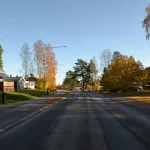
📷 Featured image by Margo Evardson on Unsplash.