On this page
- Estonia in June 2026: What to Expect Before You Arrive
- Why June Beats July and August for Most Visitors
- How to Structure Your Days Around 19 Hours of Daylight
- The Best Destinations in Estonia for June
- Jaanipäev: Understanding Estonia’s Midsummer Celebration
- 2026 Budget Reality: What June in Estonia Actually Costs
- Getting There, Getting Around, and What to Pack
- Frequently Asked Questions
Estonia in June 2026: What to Expect Before You Arrive
June in Estonia is genuinely one of the best travel experiences in northern Europe — but a lot of visitors arrive underprepared. The main issue in 2026 is that accommodation near Tallinn’s Old Town and in popular coastal areas books out fast, particularly around Midsummer weekend (June 23–24). If you’re planning to be in Estonia for Jaanipäev, the national Midsummer celebration, and you haven’t sorted accommodation yet, this article will help you make fast, smart decisions. If you’re still in the planning phase, you’re in exactly the right place.
Why June Beats July and August for Most Visitors
Most travellers default to July and August for summer trips, which means Estonia in June is quieter, cheaper, and honestly more atmospheric. The crowds that pack Tallinn’s Old Town in peak July — tour groups, cruise ship day-trippers, bachelor parties — haven’t fully arrived yet. You can walk through the medieval limestone streets of the lower town at 9pm and actually hear your own footsteps.
The weather in June 2026 follows the long-established pattern: average temperatures sit between 14°C and 21°C, with longer warm spells possible. Rain happens, but June tends to be drier than August. The big draw, though, is the light. By the summer solstice on June 21, Tallinn sees around 18.5 hours of daylight, and it never gets fully dark — just a soft, amber dusk that lingers for hours. This is not hyperbole. The sky at midnight looks like a winter sunset in central Europe.
For photographers, hikers, and anyone who wants to feel genuinely energised by their surroundings, that persistent golden light changes everything. You stop thinking about closing times. Dinner at 9pm feels natural. A kayak trip at 7pm is just an evening activity. The rhythm of the day stretches out in a way that feels almost luxurious.
How to Structure Your Days Around 19 Hours of Daylight
The biggest mistake visitors make in June is treating Estonia like a normal trip where evening equals downtime. The light rewires that assumption completely. Here’s a practical way to think about the day:
Morning (7am–11am)
Tallinn’s Old Town is genuinely peaceful before 10am. Walk up to Toompea Hill before the tour buses arrive. The smell of fresh bread from the bakeries on Pikk Street drifts out early, and the cobblestones are cool and quiet. Morning is also the best time for birdwatching in Lahemaa — Estonia’s forests are loud with activity in early June, and the light through the silver birch and pine is remarkable.
Afternoon (12pm–6pm)
This is when temperatures peak and the main attractions get busiest. Use this block for beaches — Pärnu’s sandy shore is warm enough for swimming by mid-June — or for driving through the Estonian countryside, where the fields of bright yellow rapeseed have usually given way to lush green by late June. The Estonian open-air museum at Rocca al Mare outside Tallinn is worth a full afternoon, especially on a clear day.
Evening and Night (7pm–midnight)
This is where June in Estonia becomes genuinely special. Dinner doesn’t feel rushed. Outdoor restaurant terraces stay warm and lit by natural light until well past 9pm. A walk along the Pärnu promenade at 10pm, with soft golden light on the water and families still out, feels completely different from anywhere else in Europe. Take a kayak or SUP board out on a lake. Sit by a fire. The evening hours are not wasted hours — they’re the best hours.
The Best Destinations in Estonia for June
Tallinn
The capital works well in June because the medieval Old Town, a UNESCO World Heritage Site, is best experienced in long, unhurried loops — which the extended daylight makes easy. June also sees the start of various outdoor festivals and markets. The city’s Kadriorg Park, with its baroque palace and rose gardens, is at its most beautiful in June when everything is in full bloom.
Lahemaa National Park
About 70 kilometres east of Tallinn, Lahemaa is Estonia’s largest national park and arguably its most rewarding destination in June. The coastal forests, boulder fields, manor houses, and bog trails are all accessible, and the crowds are minimal compared to July. Hiring a bike and spending a full day cycling between the fishing villages of Käsmu and Altja is one of the best low-cost experiences Estonia offers. The smell of pine warmed by afternoon sun and the sound of the Baltic lapping at granite boulders along the shore stay with you.
Pärnu
Estonia’s “summer capital” comes alive in June. The beach town in the southwest draws Estonians and visitors alike for its long sandy beach, spa hotels, and easy-going atmosphere. Water temperatures reach around 16–19°C by late June — cold by Mediterranean standards, but perfectly swimmable for most visitors willing to commit.
Saaremaa Island
The ferry crossing from Virtsu to Kuivastu takes about 30 minutes and opens up Estonia’s largest island. Saaremaa in June means windmill landscapes, juniper meadows, and the crater lake at Kaali — a meteorite impact site that feels genuinely surreal surrounded by midsummer green. The island has a distinct, slower pace that suits multi-day stays.
Jaanipäev: Understanding Estonia’s Midsummer Celebration
June 23–24 is the most important secular celebration in the Estonian calendar. Jaanipäev (Midsummer, or St. John’s Day) is a public holiday, and Estonians take it seriously — it’s one of the few moments in the year when even Tallinn empties out as people head to the countryside, islands, and family properties to light bonfires and stay up through the bright night.
For visitors, this is both an opportunity and a logistical challenge. The atmosphere around a traditional bonfire — the crackle and heat of a massive fire against a sky that barely darkens, surrounded by singing, grilled meats, and the sharp scent of pine smoke — is something genuinely hard to replicate anywhere else. Many rural guesthouses, farms, and campgrounds host Jaanipäev events that visitors can join, and local tourism organisations often publish listings of public celebrations.
The logistical challenge: public transport runs on a reduced schedule on June 23–24. Rental cars book out early. Restaurants in Tallinn may close or run limited menus. Plan ahead, or base yourself outside the capital for these two days — a countryside guesthouse with bonfire access is the ideal base.
2026 Budget Reality: What June in Estonia Actually Costs
Estonia is no longer the bargain destination it was a decade ago, but it remains meaningfully cheaper than Scandinavia and competitive with countries like Latvia and Lithuania. Here’s a realistic picture for June 2026:
- Budget traveller: €45–65 per day. This covers a hostel dorm or basic guesthouse (€18–30/night), self-catering or cheap lunch spots (€6–10 per meal), and free or low-cost activities like hiking, beaches, and city walking. Public transport between cities is affordable — bus tickets between Tallinn and Tartu, for example, run around €8–12.
- Mid-range traveller: €100–150 per day. A private room in a well-located guesthouse or 3-star hotel (€60–90/night), meals at sit-down restaurants (€15–25 per main), and occasional entrance fees or bike hire.
- Comfortable traveller: €200–300+ per day. Boutique hotels in Tallinn’s Old Town or spa resorts in Pärnu (€130–220/night), fine dining (€40–70 per person with wine), and private tours or car hire.
Specific costs to note in June 2026: a pint of local beer in a Tallinn bar runs €4–6. A sit-down lunch in a non-tourist Tallinn neighbourhood is €10–14. A return ferry to Saaremaa costs around €5–10 per person by foot. Entrance to Lahemaa’s manor houses is typically €5–10.
Getting There, Getting Around, and What to Pack
Getting to Estonia
Tallinn Airport (TLL) connects to most major European hubs, with direct flights from cities including Helsinki, Stockholm, London, Amsterdam, Frankfurt, and Warsaw. Flight times from London are around three hours. Tallinn is also reachable by ferry from Helsinki (2.5 hours) and Stockholm (overnight), both of which are well-established routes with multiple daily sailings.
Getting Around
Within Estonia, the intercity bus network is reliable and well-priced. Lux Express and FlixBus operate routes between Tallinn, Tartu, Pärnu, and Narva. Train service exists between Tallinn and Tartu, though journey times are longer than the bus for most routes. For Lahemaa and rural areas, a rental car gives far more flexibility — book well in advance for Midsummer weekend. Tallinn’s city buses, trams, and trolleybuses cover the capital effectively.
What to Pack for June
The key is layers. A warm afternoon can drop to 12°C by 11pm, even in full sunlight. Pack a light waterproof jacket, comfortable walking shoes capable of cobblestones and forest paths, and — critically — a sleep mask. The near-constant light in late June genuinely disrupts sleep for visitors not used to it. Estonian accommodation rarely has fully blackout curtains, so bringing your own sleep mask or a light-blocking eye mask is one of those small details that makes a real difference to how you feel after a few nights.
Sunscreen is worth taking seriously, especially for outdoor days. The long hours of indirect but persistent UV exposure catch people off guard.
Frequently Asked Questions
Does it actually stay light all night in Estonia in June?
It doesn’t go fully dark around the solstice, but it’s not 24-hour daylight either. From roughly June 15–28, Tallinn experiences a long dusk that never fully darkens — the sky stays a deep blue-grey at its darkest point around midnight. By 3am, it’s already getting lighter again. A sleep mask is genuinely useful.
Is June a good time to visit Tallinn’s Old Town?
Yes, with a caveat. June is noticeably quieter than July and August, making it one of the better months for the Old Town. Weekday mornings are the calmest. Weekends attract more visitors, and cruise ship days can be busy — check ship schedules in advance if crowd avoidance matters to you.
Can you swim in Estonia in June?
Yes, particularly in the second half of June. Sea temperatures along the west coast and in Pärnu reach around 16–19°C by late June. Inland lakes warm faster and can hit 20–22°C by late June in good weather. Cold by some standards, but absolutely swimmable.
Do I need a visa to visit Estonia in June 2026?
Estonia is a Schengen Area member. Citizens of EU and EEA countries, the UK, the US, Canada, Australia, and many other nations can enter without a visa for short stays. Requirements vary by nationality — always verify current entry requirements with the Estonian Police and Border Guard Board or your country’s foreign affairs ministry before travel.
What is Jaanipäev and can tourists participate?
Jaanipäev is Estonia’s Midsummer celebration on June 23–24, the most important holiday in the Estonian calendar. It centres on bonfires, outdoor gatherings, and staying up through the bright night. Tourists are warmly welcomed — many rural guesthouses and farms host events open to visitors. Joining a genuine Estonian family bonfire, if invited, is one of the most memorable experiences the country offers.
Explore more
Estonia in June 2026: Embrace the Brightest Days of Summer
Celebrating Jaanipäev in Estonia: Your June 2026 Guide
Estonia in May 2026: Experiencing Mild Days and Vibrant Nature
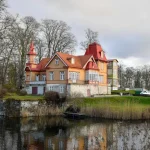
📷 Featured image by Jan Ledermann on Unsplash.