On this page
- Why Haapsalu’s Food Scene Has Its Own Character
- Where Restaurants Cluster: The Old Town Eating Zone
- Top Restaurants for a Proper Sit-Down Meal
- Cafés and Bakeries Worth Your Morning
- Seafood and Local Catch: Coastal Eating at Its Best
- Market and Street Food: Haapsalu’s Grab-and-Go Scene
- Where to Drink: Wine, Beer, and Evening Options
- What Eating in Haapsalu Costs: 2026 Budget Breakdown
- Practical Eating Tips for Haapsalu in 2026
- Frequently Asked Questions
💰 Click here to see Estonia Budget Breakdown
💰 Prices updated: October, 2026. Budget figures are estimates — always verify before travel.
Exchange Rate: $1 USD = €0.88
Daily Budget (per person)
Shoestring: €40.00 – €70.00 ($45.45 – $79.55)
Mid-range: €120.00 – €250.00 ($136.36 – $284.09)
Comfortable: €300.00 – €900.00 ($340.91 – $1,022.73)
Accommodation (per night)
Hostel/guesthouse: €15.00 – €40.00 ($17.05 – $45.45)
Mid-range hotel: €60.00 – €150.00 ($68.18 – $170.45)
Food (per meal)
Budget meal: €15.00 ($17.05)
Mid-range meal: €35.00 ($39.77)
Upscale meal: €100.00 ($113.64)
Transport
Single metro/bus trip: €2.00 ($2.27)
Monthly transport pass: €30.00 ($34.09)
Haapsalu gets overlooked by food travellers who assume small Estonian coastal towns mean limited options. In 2026, that assumption costs you. The town of around 10,000 people has quietly developed a food scene that rewards curiosity — smoked fish from the bay, honest Estonian home cooking, a handful of genuinely ambitious restaurants, and café culture that punches well above its weight. The challenge isn’t finding somewhere decent to eat; it’s knowing where to start when your time is limited and the Old Town lanes all look equally promising.
Why Haapsalu’s Food Scene Has Its Own Character
Haapsalu sits on a shallow bay on Estonia’s western coast, and that geography shapes everything on local menus. The Haapsalu Bay is known for its eel, the surrounding farmland supplies vegetables and dairy, and the town’s history as a 19th-century resort destination — Russian aristocracy came here for the mud baths — left behind a culture of leisure that still flavours the pace of eating here. Nobody rushes a lunch in Haapsalu.
The town also benefits from being the gateway to Noarootsi Peninsula and the Estonian islands, so local chefs draw on Swedish-Estonian coastal traditions that you won’t find easily in Tallinn. Dill, smoked fish, dark rye, and pickled vegetables appear everywhere, but the execution in Haapsalu’s best spots goes beyond simple tradition into something that feels considered and current.
Since 2024, a few new venues have opened that push the scene forward — notably a wine bar with a serious natural wine list and a bakery that changed the morning routine for locals overnight. The town’s food scene is small enough that word travels fast, and the better restaurants fill up on summer weekends without much warning.
Where Restaurants Cluster: The Old Town Eating Zone
Haapsalu’s eating life concentrates in and immediately around the Old Town. The main artery is Karja tänav, which runs from the central square toward the castle ruins, and the parallel street Posti tänav. Between these two streets and the small lanes connecting them, you’ll find the majority of cafés, restaurants, and bars within a ten-minute walk.
The area around Raekoja plats (Town Hall Square) anchors the café scene, with outdoor terraces that fill up from May through September. On summer evenings, the square smells of grilled fish and woodsmoke from kitchen exhausts, and the light lingers past 10pm, which means dinner stretches long and unhurried.
A second cluster sits near the Haapsalu Castle and the promenade along the bay. A handful of spots here capitalise on the water view, and the atmosphere on a calm evening — the bay going flat and gold, swans drifting near the reeds — makes even average food taste better. Aim for the castle-adjacent spots for atmosphere; aim for the Karja tänav cluster for quality.
Top Restaurants for a Proper Sit-Down Meal
Kongo Restoran
Kongo is the closest thing Haapsalu has to a destination restaurant — the kind of place locals book for birthdays and visitors remember months later. The kitchen works with Estonian seasonal produce and frames it clearly: roasted root vegetables with smoked curd, slow-braised pork with juniper, pike-perch from local waters with dill butter and pickled cucumber. The dining room feels warm and deliberate, with wooden details and candlelight that softens the Estonian winter when you visit off-season. Main courses run €18–€28. Book ahead for Friday and Saturday evenings in summer — tables go quickly.
Restaurang Vanaema Juures (Haapsalu branch concept)
Taking inspiration from the grandmother’s-kitchen style that works so well elsewhere in Estonia, this spot on Karja tänav serves honest home cooking elevated just enough to feel special without pretension. Think pork cutlet with lingonberry sauce and mashed potato, or barley porridge with butter and smoked fish alongside it. The portions are substantial, the prices reasonable at €12–€19 for mains, and the lunch special — available weekdays until 3pm — is genuinely one of the best value meals in town at around €8–€10.

Promenaadi Restoran
Positioned along the promenade with a terrace that faces the bay, Promenaadi leans into its setting. The menu skews toward grilled and smoked fish, seasonal salads, and lighter coastal dishes. It’s the right choice for a long summer lunch — a cold Estonian lager, a plate of smoked eel with rye bread and horseradish cream, the sound of water birds out on the reeds. Service can be stretched thin when fully booked, so patience helps. Mains fall between €15–€24.
Cafés and Bakeries Worth Your Morning
Haapsalu’s café culture is one of its quiet strengths. The pace of the town lends itself to long breakfasts, and several spots have turned the morning ritual into something genuinely worth getting up early for.
Kohvik Kuursaal
Set inside the historic Kuursaal pavilion near the promenade — a restored 19th-century wooden hall that hosted resort guests when Russian nobles summered here — this café serves excellent coffee alongside pastries that lean toward the rich and buttery. The cardamom bun here, still warm from the oven, leaves a faint spice on your fingers long after you’ve finished it. The setting is extraordinary: high ceilings, old timber, large windows framing the bay. Expect to pay €3–€6 for coffee and a pastry.
Bakery on Karja
The newer bakery that opened in late 2024 on Karja tänav has become a fixture fast. They bake dark rye loaves, sourdough with sunflower seeds, and a rotating selection of open-faced sandwiches using local dairy and smoked fish. The earthy scent of dark rye bread cooling on a wooden board hits you from the door. Take one of the window seats, order the smoked salmon sandwich with soft-boiled egg and capers, and block out an hour. Coffee is filter or espresso-based, both done well. Budget €4–€9 for a breakfast here.
Café Hapsal
A reliable Old Town option for a quick coffee and something sweet. The cake selection leans toward traditional Estonian baking — honey cake, curd cheesecake, berry pies in season. It gets busy mid-morning in summer when day-trippers arrive from Tallinn, so go early or late to avoid the queue. Prices are gentle: coffee from €2.50, cakes from €3.
Seafood and Local Catch: Coastal Eating at Its Best
If there’s one thing to prioritise eating in Haapsalu, it’s the seafood from local waters. Haapsalu Bay and the broader West Estonian Archipelago produce eel, perch, pike-perch, bream, and flounder, and the best restaurants source directly from local fishermen.
Smoked eel is the signature local product. It’s fattier and more intensely flavoured than most smoked fish, with a faint sweetness from the bay-reed-smoke used in traditional preparation. It’s served cold, sliced thin, on dark rye with horseradish or sour cream. If you only try one local speciality, make it this.
For the freshest catch, ask your restaurant where they source their fish. The best spots work with two or three local fishermen directly and change their fish dishes based on what came in that week. Promenaadi Restoran and Kongo both do this consistently.
There is also a small fish seller near the harbour market area who occasionally sells smoked fish directly — the operation is informal, seasonal, and worth the detour if you catch it open. The fish comes wrapped in paper, still warm, and eating it on a bench by the water with a piece of rye bread is one of Haapsalu’s honest pleasures.
Market and Street Food: Haapsalu’s Grab-and-Go Scene
Haapsalu has a small but functional market — the Haapsalu turg — located a short walk from the Old Town centre. In 2026, it operates year-round with the most activity on Friday and Saturday mornings. This is where local producers bring vegetables, dairy, pickles, smoked goods, and seasonal berries. It’s not a large or theatrical market, but it’s genuine: the people selling here grew or made what they’re selling.
Summer brings the best selection — strawberries in June and July, chanterelles from July onward, cucumbers and tomatoes in August, apples and root vegetables into autumn. Prices are lower than supermarkets and the quality is notably better.
Street food in the traditional sense is limited in Haapsalu. The closest equivalent is the snack kiosks and small takeaway windows that appear along the promenade and near the castle during summer. Grilled sausages, smoked fish rolls, and ice cream from local dairy producers are the mainstays. None of it is remarkable, but it’s useful and cheap — a grilled sausage in a bun runs around €3–€4.
For a more interesting grab-and-go option, the bakery on Karja tänav sells takeaway sandwiches and pastries that travel well if you’re heading to the beach or the castle ruins for a picnic.
Where to Drink: Wine, Beer, and Evening Options
Haapsalu isn’t a late-night city, but the evening drinking scene is better than visitors expect. The concentration is small enough that you can walk between spots comfortably.
The Wine Bar on Posti
Opened in 2024 and now firmly established, this small bar on Posti tänav has a natural and low-intervention wine list that would hold its own in Tallinn. The selection changes regularly, leans toward European producers including Baltic and Georgian labels, and the staff know the list properly. It’s a narrow, intimate space — around 25 covers — with local cheese and charcuterie plates to accompany your glass. Wine by the glass starts at €6, bottles from €28. It fills up Thursday through Saturday evenings; getting there before 7pm secures a seat.
Craft Beer at the Old Town Pubs
Two or three pub-style spots around the Old Town carry a rotating selection of Estonian craft beers alongside the standard Saku and A. Le Coq taps. Põhjala, Õllenaut, and Tanker are the craft labels most commonly on rotation in 2026. A half-litre of draft runs €4–€6. The atmosphere is low-key and local, especially on weeknights.
Kuursaal Terrace
In summer, the Kuursaal building operates an outdoor terrace bar in the evenings. It’s the most atmospheric drinking spot in town — the wooden pavilion lit up, the bay visible beyond, live music on occasional summer weekends. Cocktails and local spirits alongside wine and beer. Prices are mid-range: cocktails €9–€13.
What Eating in Haapsalu Costs: 2026 Budget Breakdown
Estonia has seen food prices stabilise somewhat in 2026 after the inflation pressure of 2022–2024, but Haapsalu remains more affordable than Tallinn for comparable quality. Here’s a realistic daily food budget at three levels:
- Budget (€20–€35/day): Market breakfast or bakery grab-and-go (€4–€6), a weekday lunch special at a sit-down restaurant (€8–€10), evening groceries from the local Selver supermarket or a sausage from the promenade kiosk (€5–€8). This is tight but workable.
- Mid-range (€45–€70/day): Café breakfast with coffee and a proper open sandwich (€7–€10), lunch at a restaurant with a drink (€15–€20), dinner at one of the better venues with a glass of wine (€25–€35). This is comfortable and covers the best of what Haapsalu offers.
- Comfortable (€80–€120+/day): Slow breakfast at Kuursaal, two-course lunches, dinner at Kongo Restoran with wine and dessert, drinks at the wine bar afterward. You’re not spending for excess at this level — you’re simply not choosing the cheapest option at each meal and adding drinks properly.
Note that tipping is appreciated but not mandatory in Haapsalu. Rounding up to the nearest euro or adding 5–10% for good service is the norm. No one will chase you out for not tipping.
Practical Eating Tips for Haapsalu in 2026
Seasonal closures are real. Several of Haapsalu’s restaurants operate on reduced hours or close entirely from November through March. If you’re visiting in the off-season, check current opening hours directly — Google listings and restaurant websites are not always updated accurately. Calling ahead takes two minutes and saves a wasted walk.
Lunch is the better deal. Most restaurants offer weekday lunch specials (päevapakkumine) that represent significantly better value than evening à la carte. For €8–€12 you typically get a soup, main course, and sometimes a drink. The food is identical to what you’d pay €20+ for in the evening.
Dietary requirements. Vegetarian options have improved noticeably in Haapsalu since 2024 — the newer venues especially make a real effort. Vegan options remain limited, though not impossible. Gluten-free is available at several spots but requires checking individually. Seafood allergy travellers should note that fish appears in many sauces and stocks even in non-fish dishes — always ask.
Language. All restaurant staff in Haapsalu’s tourist-facing venues speak adequate to fluent English. Menus at the better spots have English translations. At the market, some vendors are Estonian or Russian-speaking only, but numbers and pointing work fine.
Supermarket backup. The Selver supermarket near the town centre carries good local dairy, bread, smoked fish vacuum-packs, and Estonian beer. It’s a reliable fallback for self-catering or assembling a picnic.
Frequently Asked Questions
What is Haapsalu’s most famous local food?
Smoked eel from Haapsalu Bay is the signature local product. It’s served in most traditional restaurants on dark rye bread with horseradish or sour cream. The eel is caught locally and smoked using traditional methods — the flavour is distinctly richer and more complex than commercially produced smoked fish you’d find in supermarkets.
Are there good vegetarian restaurants in Haapsalu?
Haapsalu doesn’t have a dedicated vegetarian restaurant in 2026, but several venues — particularly the newer cafés and Kongo Restoran — offer solid vegetarian mains and are willing to adapt dishes. The bakeries and café spots handle vegetarian breakfasts and lunches easily. It’s worth calling ahead for dinner reservations to confirm options.
When is the best time to visit Haapsalu for food?
Late June through August offers the widest choice of open restaurants, the best market produce, active promenade food kiosks, and evening terrace dining. September is excellent for mushrooms, berry preserves, and apple produce at the market with fewer crowds. Winter visits mean a much smaller selection of open venues but a quieter, more local atmosphere.
How far in advance should I book restaurants in Haapsalu?
For summer weekends — Friday and Saturday evenings in July and August especially — book the top restaurants at least three to five days ahead. On weekdays and during shoulder season (May–June, September), same-day bookings are usually fine. Cafés and lunch spots don’t take reservations; just arrive early if you want the best seats.
Is eating in Haapsalu expensive compared to Tallinn?
Haapsalu is noticeably cheaper than Tallinn for restaurant meals in 2026. Expect to pay roughly 15–25% less for equivalent quality. The weekday lunch special culture here also keeps midday eating very affordable. Only the town’s top evening restaurants approach Tallinn pricing, and even those remain competitive against comparable Tallinn venues.
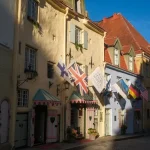
📷 Featured image by Margo Evardson on Unsplash.