On this page
- Where to Eat in Pärnu: Top Restaurants & Summer Cafes by the Baltic Sea
- The Old Town Core: Restaurants on and Near Rüütli Street
- The Beach Strip: Cafes and Bars Along Rannapark and the Seafront Promenade
- Summer Terrace Culture: Open-Air Dining That Only Exists June–August
- Local Market Eating: Pärnu Market Hall and Street Food Worth Stopping For
- Where Locals Actually Eat: Neighbourhood Spots Away From the Tourist Drag
- Vegetarian, Vegan and Allergy-Friendly Options in 2026
- 2026 Budget Reality: What a Meal Costs in Pärnu
- Practical Tips: When to Book, Where to Sit, What to Skip
- Frequently Asked Questions
💰 Click here to see Estonia Budget Breakdown
💰 Prices updated: October, 2026. Budget figures are estimates — always verify before travel.
Exchange Rate: $1 USD = €0.88
Daily Budget (per person)
Shoestring: €40.00 – €70.00 ($45.45 – $79.55)
Mid-range: €120.00 – €250.00 ($136.36 – $284.09)
Comfortable: €300.00 – €900.00 ($340.91 – $1,022.73)
Accommodation (per night)
Hostel/guesthouse: €15.00 – €40.00 ($17.05 – $45.45)
Mid-range hotel: €60.00 – €150.00 ($68.18 – $170.45)
Food (per meal)
Budget meal: €15.00 ($17.05)
Mid-range meal: €35.00 ($39.77)
Upscale meal: €100.00 ($113.64)
Transport
Single metro/bus trip: €2.00 ($2.27)
Monthly transport pass: €30.00 ($34.09)
Where to Eat in Pärnu: Top Restaurants & Summer Cafes by the Baltic Sea
Pärnu fills up fast in summer. By late June 2026, the city’s best terraces are packed by noon on weekends, and restaurants that take no reservations will turn you away at the door if you show up at 7pm without a plan. That’s the honest reality of eating in Estonia‘s favourite summer capital. This guide cuts through the noise — no vague recommendations, no “charming little places” without addresses — just a clear map of where to eat, drink, and graze, whether you’re here for a weekend or the whole of July.
The Old Town Core: Restaurants on and Near Rüütli Street
Rüütli tänav is Pärnu’s main pedestrian spine, and the concentration of good restaurants within two blocks of it is genuinely impressive for a city of 40,000 people. This is where you eat dinner when you want a proper table, a wine list, and something that took more than ten minutes to cook.
Mahedik
Mahedik sits just off Rüütli on Hospidali tänav and has quietly become one of the most consistent kitchens in the city. The menu leans on Estonian seasonal produce — think roasted beetroot with smoked curd in April, chilled cucumber soup with dill oil in peak summer. The dining room is small and bare-brick, with wooden tables that smell faintly of beeswax polish. Book ahead for Friday or Saturday evenings — they fill up by 6pm in high season.
Seegi Maja
One of the oldest restaurants in the city, Seegi Maja occupies a 17th-century building on Hospidali tänav with low ceilings and candlelit corners. The food is solidly Estonian — pork dishes, pickled herring, dark rye bread that arrives warm and earthy from the kitchen. It skews slightly tourist-facing, but the kitchen doesn’t cut corners. Good for groups who want something atmospheric without adventurous cooking.
Plekk-Pann
A local favourite that’s survived many seasons precisely because it doesn’t try too hard. Plekk-Pann serves straightforward Baltic food — grilled fish, pork cutlets, thick soups — in a relaxed setting near the Old Town. Prices are honest, portions are large, and the staff don’t make you feel rushed. It’s the kind of place locals recommend to visiting relatives.
Ammende Villa
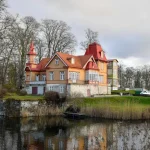
If you’re looking for one genuinely special dinner in Pärnu, the restaurant inside Ammende Villa on Mere puiestee delivers it. The Art Nouveau building alone is worth the visit — ornate ceilings, parquet floors, garden tables under old linden trees. The kitchen produces refined Estonian-European cooking with serious attention to presentation. Expect to pay accordingly, and book at least a week ahead in July and August.
The Beach Strip: Cafes and Bars Along Rannapark and the Seafront Promenade
The walk from the end of Rüütli street through Rannapark to the beach is lined with food options ranging from excellent to forgettable. The closer you get to the water, the more you’re paying for location rather than food quality — which isn’t always a bad trade-off when the sun is out and the Baltic is glittering in front of you.
Ranna Restoran
Right at the beach pavilion, Ranna Restoran is the obvious choice for lunch after a swim. The menu is casual — fish and chips, grilled salmon, cold beers, fresh lemonade — but the kitchen uses decent ingredients and the terrace faces directly onto the sand. Go for lunch rather than dinner; the evening crowd gets loud and the service slows down considerably after 6pm.
Surf Café
A relaxed spot at the northern end of the beach strip with a surfer-casual aesthetic that suits Pärnu’s summer vibe perfectly. Good smoothies, solid açaí bowls, decent coffee, and a flat-bread menu that works well for a mid-morning stop. By 2026, they’ve added a small shade structure over the terrace, which makes midday sitting significantly more comfortable than it used to be.
Rannapark Kiosk Stands
Along the park path between the town and the beach, a row of small kiosk stands operate from June through August. These aren’t tourist traps — locals use them too. You’ll find Estonian-style sausage rolls, potato pastries called pirukad, cold kvass, and ice cream bars. Prices are low, speed is high, and they’re perfect if you’re heading to the beach with towels under your arm and don’t want a sit-down meal.
Summer Terrace Culture: Open-Air Dining That Only Exists June–August
Pärnu’s seasonal restaurant culture is genuinely distinctive. A handful of venues only open their full terrace operations for the summer months, and some pop-up dining spaces appear for just eight to ten weeks before closing again. If you’re visiting in winter or early spring, you’ll find the city’s dining scene noticeably smaller.
Sunset Boulevard Terrace
On warm evenings, the long wooden terrace at Sunset Boulevard on Ranna puiestee becomes the social centre of the city. It’s loud, it’s busy, and the cocktails are better than you’d expect. The food menu is secondary — bar snacks, sharing plates, the occasional grilled dish — but nobody comes here primarily to eat. Come for drinks at 8pm, stay for the atmosphere as the light drops over the park.
Kohvik Georg
A seasonal café that sets up chairs and parasol tables in a courtyard just off the main pedestrian zone. Georg operates as a proper café during the day — good espresso, cakes, cold brew — and transitions into a wine-and-small-plates spot by evening. The courtyard catches afternoon sun until about 6pm, making it the best spot in the Old Town for a late-afternoon coffee without feeling like you’re sitting in a traffic corridor.
Beach Club Pop-Ups
Since 2024, the southern end of Pärnu Beach has hosted two or three rotating pop-up food and bar installations each summer, organised under a loose municipal licensing framework. In 2026, the confirmed operators include a wood-fired pizza trailer and a Nordic-style open-sandwich counter. These move around slightly between seasons, so check the Pärnu city tourism website (visipärnu.ee) for the current map before you arrive.
Local Market Eating: Pärnu Market Hall and Street Food Worth Stopping For
The covered market on Suur-Sepa tänav is where you see Pärnu without the tourist filter. It’s a proper working market — produce stalls, meat counters, a dairy section — not a boutique food hall. But it also has a small ring of takeaway counters along the inner edge that produce some of the most honest eating in the city.
The hot counter near the market’s east entrance does a rotating lunch of traditional Estonian dishes: pork stew with pearl barley, sauerkraut soup, pan-fried sprat with boiled potato. Portions are heavy and prices are low — a full plate with bread and a drink runs around €6–8. The seating is communal, plastic-topped, and absolutely without atmosphere, which somehow makes it feel more authentic.
The fish stall at the far end of the market sells smoked sprat, smoked eel, and cold-smoked salmon directly from small local producers. In summer, you can buy smoked fish by weight and eat it on a bench outside the market with dark bread bought from the bakery counter two stalls over. This is genuinely one of the best cheap meals in Pärnu, and most visiting tourists walk straight past it.
On Saturday mornings from June through September, a small farmers’ market sets up in the car park adjacent to the main hall. Local growers bring strawberries, chanterelles (from late July), fresh herbs, and homemade preserves. It wraps up by noon, so arrive before 10am for the best selection.
Where Locals Actually Eat: Neighbourhood Spots Away From the Tourist Drag
The area south of the Old Town along Papiniidu and the streets around Ülejõe has a cluster of everyday restaurants and cafes that rarely appear in travel recommendations. These aren’t hidden gems in the clichéd sense — they’re just neighbourhood places that don’t bother marketing to visitors.
Café Positiiv
A neighbourhood lunch café on Papiniidu tänav with a daily-changing menu written on a chalkboard. The cooking is simple, Estonian-inflected, and priced for people who eat here three times a week — which many of the regulars do. Lunch specials hover around €7–9 and include soup, a main, and sometimes a small dessert. It closes at 4pm most days, so this is strictly a daytime stop.
Pärnu Kohvik
Old-school Estonian café culture in its purest surviving form. Pärnu Kohvik on the edge of Ülejõe serves strong coffee, sweet pastries, and open sandwiches on thick rye bread to a clientele that includes pensioners, tradespeople, and the occasional surprised tourist who wandered off the main drag. There’s nothing trendy about it, which is precisely why it’s worth visiting. Cash is still preferred here, so carry euros.
Pizza Moment
A consistently good pizza restaurant in the Ülejõe neighbourhood that locals rate above any of the Old Town pizza options. Thin crust, proper wood-fired oven, sensible toppings without gimmick. A large pizza runs €13–16. It’s busy on weekend evenings, and they don’t take reservations, so go on a weeknight or arrive before 6pm.
Vegetarian, Vegan and Allergy-Friendly Options in 2026
Pärnu has improved noticeably in this area since 2023. The city’s proximity to Tallinn’s food culture, combined with a younger summer crowd that includes many Scandinavian visitors, has pushed more restaurants to put genuine plant-based options on the menu rather than a single sad pasta dish.
- Mahedik reliably carries two or three fully plant-based dishes on its seasonal menu. The kitchen takes cross-contamination seriously — if you have a specific allergy, call ahead and they’ll accommodate.
- Kohvik Georg is probably the most vegan-friendly spot in the city centre, with several plant-based sharing plates and oat-milk options across all coffee drinks.
- Surf Café by the beach is gluten-aware and has always leaned plant-forward — smoothie bowls, avocado flatbreads, and dairy-free alternatives are standard rather than special-request.
- The market hot counter is harder for strict vegetarians — most of the daily dishes involve meat or fish — but the dairy and bread stalls offer good options for self-catering.
One gap remains: strictly vegan restaurants in the standalone sense don’t exist in Pärnu in 2026. The city is too seasonal to support a dedicated venue year-round. But the mainstreaming of plant-based options across the better restaurants means this is rarely a serious obstacle in summer.
2026 Budget Reality: What a Meal Costs in Pärnu
Pärnu is cheaper than Tallinn but not by as much as it used to be. Summer 2026 prices reflect both inflation across the Estonian hospitality sector and the city’s growing confidence in charging Riga or Helsinki rates during peak season. Here’s an honest breakdown by tier.
Budget (under €12 per person, food only)
- Market lunch counter: €6–8 for a full hot meal with bread and a drink
- Rannapark kiosk snacks: €2–5 per item
- Smoked fish from the market stall with rye bread: €5–9 depending on quantity
- Café Positiiv lunch special: €7–9
- Pizza Moment (shared between two): €7–9 per person
Mid-Range (€12–25 per person, food only)
- Plekk-Pann dinner: €14–20
- Ranna Restoran lunch: €14–22
- Seegi Maja dinner: €18–26
- Kohvik Georg evening small plates and wine: €15–25
- Mahedik seasonal menu: €18–24
Comfortable (€30+ per person, food and drinks)
- Ammende Villa full dinner with wine: €50–80 per person
- Sunset Boulevard cocktails and sharing plates: €30–45 per person
A note on drinks: a 0.5L beer at a terrace bar in summer 2026 costs €4.50–6.50 depending on the venue. Tap water is free on request almost everywhere. A glass of house wine sits at €5–8. Coffee (espresso or filter) is €2.50–4 across the city.
Practical Tips: When to Book, Where to Sit, What to Skip
A few things that will save you frustration if you’re eating in Pärnu for the first time in 2026.
Reservations in summer
For Ammende Villa, book a minimum of one week ahead in July and August — two weeks if you want a specific date. For Mahedik and Seegi Maja, two to three days ahead is usually enough on weekdays, but Friday and Saturday dinners should be booked before you arrive in the city. Most restaurants accept reservations by phone; online booking platforms like Bolt Food and Wolt are primarily used for delivery in Pärnu rather than table reservations.
Where to sit
In peak summer, Pärnu’s covered terraces fill up before indoor tables do. If you want shade with your meal, arrive early or ask specifically when booking. The south-facing terraces along Rüütli get direct afternoon sun until about 7pm — fine in mild weather, oppressive on hot July days unless there’s parasol cover.
What to skip
The cluster of fast-casual restaurants immediately adjacent to the main bus station on Ringi tänav is uniformly disappointing — designed for transit traffic, not people who care about eating well. Similarly, a few highly promoted “seaside” restaurants on the northern edge of the beach road turn out to be 300 metres from the actual waterfront. Check the map before you commit.
Payment and tipping
Card payment is accepted everywhere in 2026, including small market stalls that have added tap-to-pay terminals since 2024. Contactless works reliably. Tipping is not obligatory in Estonia but has become more common in tourist-facing restaurants — 10% is generous and appreciated; leaving nothing is not rude. Cash tips are preferred by servers over card surcharges.
Frequently Asked Questions
What is the best restaurant in Pärnu for a special occasion?
Ammende Villa is the standout choice for a genuinely special meal. The Art Nouveau building, the garden terrace, and the kitchen’s Estonian-European cooking combine to make it the most complete dining experience in the city. Book well ahead for summer dates — demand in July and August 2026 is high.
Are there good seafood restaurants in Pärnu?
Yes, though Pärnu’s seafood scene is more casual than formal. Ranna Restoran on the beach does straightforward grilled fish and salmon well. The market hall is the best place for smoked and fresh fish from local producers. Mahedik incorporates Baltic fish into its seasonal menu with more culinary ambition than most.
When do Pärnu’s summer restaurants open and close?
Most seasonal terraces and summer-only venues open in early June and close between late August and mid-September. The permanent restaurants operate year-round but with reduced hours outside the June–August peak. If you’re visiting in May or October, expect roughly half the options to be available compared to peak season.
Is Pärnu expensive for food compared to Tallinn?
Marginally cheaper in 2026, but the gap has narrowed. Budget eating at markets and local cafés remains clearly affordable. Mid-range restaurants are roughly 10–15% cheaper than Tallinn equivalents. High-end dining at Ammende Villa is competitive with Tallinn’s top restaurants in price, though not necessarily in scale.
Can I find good food in Pärnu without speaking Estonian or Russian?
Easily. English is widely spoken across Pärnu’s restaurants and cafés in 2026, particularly in the Old Town and beach areas. Menus at tourist-facing venues are routinely in Estonian, English, and often Finnish. At the market hall, pointing and basic numbers are enough — and the prices are displayed clearly on each stall.
Explore more
Where to Find Authentic Estonian Handicrafts & Wool in Rural Estonia?
How to Get Around Estonia: Your Ultimate Transport Guide
Best Restaurants in Tartu: A Foodie’s Guide to Estonia’s University City
📷 Featured image by Alexander Van Steenberge on Unsplash.