On this page
- Winter Tallinn in 2026: Why This Season Finally Gets the Attention It Deserves
- The Christmas Market Scene: Town Hall Square and the Spots Most Visitors Miss
- Snowy Adventures: Getting Outside When Tallinn Turns White
- Eating and Drinking Through the Cold: Where to Actually Go
- Getting Around Tallinn When It’s Icy and Dark by 3:30pm
- Tallinn After Dark in Winter: Saunas, Bars, and Low-Light Culture
- What the Snow Actually Does to Tallinn’s Sights
- Where to Stay: Tallinn Winter Accommodation by Budget
- Budget Breakdown: What a Winter Trip to Tallinn Actually Costs in 2026
- When to Go: December Spectacle vs January Calm vs February Sport
- Practical Tips for Surviving and Enjoying Tallinn in Winter
- Frequently Asked Questions
💰 Click here to see Estonia Budget Breakdown
💰 Prices updated: October, 2026. Budget figures are estimates — always verify before travel.
Exchange Rate: $1 USD = €0.88
Daily Budget (per person)
Shoestring: €40.00 – €70.00 ($45.45 – $79.55)
Mid-range: €120.00 – €250.00 ($136.36 – $284.09)
Comfortable: €300.00 – €900.00 ($340.91 – $1,022.73)
Accommodation (per night)
Hostel/guesthouse: €15.00 – €40.00 ($17.05 – $45.45)
Mid-range hotel: €60.00 – €150.00 ($68.18 – $170.45)
Food (per meal)
Budget meal: €15.00 ($17.05)
Mid-range meal: €35.00 ($39.77)
Upscale meal: €100.00 ($113.64)
Transport
Single metro/bus trip: €2.00 ($2.27)
Monthly transport pass: €30.00 ($34.09)
Winter Tallinn in 2026: Why This Season Finally Gets the Attention It Deserves
For years, travelers rushed to Tallinn in summer, booked Old Town apartments months in advance, and left before the cold arrived. That’s changing fast. By 2026, winter visitor numbers to Tallinn have climbed steadily, driven partly by the city’s expanding Christmas market reputation and partly by travelers tired of sweating through peak-season crowds. The main pain point this year: flight seat availability into Tallinn during December has tightened considerably since new direct winter routes launched from Amsterdam, Warsaw, and Stockholm on Ryanair and Wizz Air. Book flights before October if you’re targeting the market weeks. Everything else — hotels, restaurant tables, sauna slots — remains genuinely easy to arrange on shorter notice than most European winter destinations.
The Christmas Market Scene: Town Hall Square and the Spots Most Visitors Miss
Tallinn’s main Christmas market on Raekoja plats (Town Hall Square) has run since 1441, which makes it one of the oldest in Europe by documented record. In 2026, the market runs from late November through January 7th, slightly longer than previous years following a city council decision to capture post-Christmas tourist traffic. The centerpiece spruce tree — usually over 20 metres tall — is lit by a ceremony in late November that draws several thousand people to the square. The smell of cinnamon, pine smoke, and mulled wine (called glögi here, served hot and dark) hits you as soon as you turn onto Raekoja plats from the Viru Gate. Wooden stall operators sell hand-knitted wool socks, smoked meats, gingerbread, and Estonian handicrafts. Prices at the main market are slightly inflated compared to regular shops, but the atmosphere is the product.
Most visitors see only the Town Hall Square market and miss the other clusters. The Telliskivi Creative City market, held on weekends throughout December, draws a younger crowd and focuses on independent Estonian designers — ceramics, leather goods, small-batch candles, illustrated prints. It’s about 2 kilometres northwest of the Old Town, reachable on tram line 2. The Balti jaama turg (Baltic Station Market) runs its own quieter winter version indoors, where local vendors sell pickled vegetables, sausages, rye bread, and seasonal produce. This is where actual Tallinn residents shop rather than tourists, and prices reflect that.

Snowy Adventures: Getting Outside When Tallinn Turns White
Tallinn itself doesn’t have ski slopes, but it sits within striking distance of several legitimate winter outdoor destinations. Lahemaa National Park, 70 kilometres east of Tallinn, transforms completely under snow. Forest trails that feel ordinary in summer become genuinely beautiful in winter — the spruce branches hold snow for days after a fall, and the bogs freeze into flat white plains you can walk across safely (check conditions with the park website before attempting bog walks in early December when ice may not yet be stable). The Viru bog trail is manageable in winter boots without specialist gear.
For actual skiing, Otepää in southern Estonia is the country’s main winter sports hub. It’s 185 kilometres from Tallinn — about 2.5 hours by car or a bus from Tartu. Otepää hosts cross-country skiing, a small alpine slope at Kuutsemäe, and ice skating. The annual Tartu Marathon, one of Europe’s major cross-country ski events, takes place in February, and Otepää fills up completely around that weekend. If you’re a serious skier, Latvia’s Sigulda is 90 minutes from Tallinn with a bobsled track and downhill runs. For families or casual participants, Nõmme-Mustamäe Landscape Reserve on Tallinn’s southwestern edge has walking and light snowshoe trails within city limits.
Ice swimming has grown significantly as a winter activity in Tallinn. Pirita beach, 6 kilometres from the Old Town, has an organised cold-water swimming community that gathers on weekend mornings. The Baltic Sea at Pirita typically reaches between -1°C and +2°C water temperature in January and February. The sensation of plunging in — and the sharp, almost electric warmth that rushes through your skin as you climb back out — is something genuinely difficult to describe until you try it. Locals pair this immediately with a sauna, usually at the adjacent facilities.
Eating and Drinking Through the Cold: Where to Actually Go
For a sit-down meal near the square, Rataskaevu 16 on Rataskaevu Street serves heavy Estonian comfort food — slow-cooked meats, blood sausage in December specifically, and elk dishes — in a vaulted stone room that feels like eating inside the medieval city itself. Booking ahead for dinner is essential in December.
For a coffee break out of the cold, Komeet on Telliskivi and Röst in Kalamaja serve serious specialty coffee and are genuinely warm inside — important when you’ve been standing in -10°C for two hours. Kalamaja neighbourhood’s wooden houses and quiet snow-covered streets make the 20-minute walk there from the Old Town worthwhile on a clear day. The Põhjala Tap Room in Ülemiste (near the airport, accessible by tram) is Estonia’s most respected craft brewery and has heated indoor seating with year-round taps. It’s a solid post-flight or pre-departure option.
For the specific experience of glögi beyond the market, Gloria Wine Cellar in the Old Town and Hell Hunt on Pikk Street both serve warm spiced wine variations. Hell Hunt is particularly good for a casual late afternoon drink — it’s one of Tallinn’s oldest pubs, the wooden interior absorbs warmth well, and it doesn’t feel like a tourist trap even in high December.
Getting Around Tallinn When It’s Icy and Dark by 3:30pm
Tallinn’s public transport is free for residents and costs €3 for a 24-hour tourist pass or €5 for 72 hours in 2026 — the same efficient system that’s run since 2013. The tram network is the most reliable in winter. Lines 1, 2, and 4 cover the main tourist corridors, and trams don’t get delayed by ice the way buses sometimes do. The new tram extension toward Ülemiste, completed in 2025, makes the journey between the airport and Old Town significantly easier — about 20 minutes on tram from Ülemiste City to the Hobujaama stop near Old Town.
The Old Town itself is almost entirely pedestrianised, which is great in summer and genuinely treacherous in winter. Cobblestones ice over and the city does not always grit them quickly after snowfall. Wear boots with proper grip — not fashion boots, not regular trainers. The limestone pavements in particular, especially on Toompea Hill and the steep lane called Lühike jalg (Short Leg Street) leading up to it, become ice rinks after a freeze. Take it slow, use the handrails, and accept that everyone around you is doing the same.
Taxis and Bolt rides are affordable and widely available. A Bolt from the airport to Old Town typically runs €8–13 in 2026, depending on surge pricing. Surge is common on Friday and Saturday evenings in December. Book slightly early if you’re heading to dinner from outside the Old Town.
Tallinn After Dark in Winter: Saunas, Bars, and Low-Light Culture
Winter nightlife in Tallinn benefits from the darkness. By 4:00pm the city is fully dark, and the Old Town’s amber streetlights, lit church spires, and candlelit restaurant windows create an atmosphere that no amount of Instagram filters can replicate. The bar district along Suur-Karja and Väike-Karja streets in the Old Town fills up from 9pm on weekends, though it skews toward bachelor parties and stag weekends. For something quieter and more local, Pudel Bar in Kalamaja and Frank in the Telliskivi area are the spots actual Tallinn residents frequent in winter.
Saunas deserve serious attention as a winter social activity in Estonia. Kalma Saun on Vana-Kalamaja Street is a traditional public sauna dating to 1928, operating Thursday through Sunday. Entry costs around €12–15 in 2026. You sit in a communal steam room with locals, step out into the cold air, and return. It’s not a spa — it’s a functional, slightly rough-edged neighbourhood institution, and that’s exactly its appeal. The Iglupark pop-up sauna experience at Pirita has returned in 2026 for its third season, featuring wood-heated saunas with views over the frozen bay.
Live music runs at Rock Café near Tartu Road and at Sveta in Telliskivi, which books a mix of Estonian indie bands and international touring acts through December and January. The Estonian Concert Hall (Estonia kontserdisaal) runs a packed winter classical program — tickets typically run €15–45 and sell out quickly for December performances.
What the Snow Actually Does to Tallinn’s Sights
The Old Town — already a UNESCO World Heritage Site — earns its most extraordinary appearance under snow. The medieval walls along Laboratooriumi Street with their towers, the Toompea Castle courtyard, and the view from the Kohtuotsa viewing platform looking down at the terracotta-roofed Lower Town all become dramatically more photogenic when dusted white. The viewing platform is about 1 kilometre from the Town Hall Square on foot, uphill, and is uncrowded before 10:00am.
Kadriorg Park, 2 kilometres east of Old Town, is one of Tallinn’s most underrated winter destinations. The baroque palace, the ornamental gardens, and the long tree-lined avenues that lead through the park turn into a walking winter landscape that feels nothing like a city. The KUMU Art Museum sits at the park’s eastern edge — it’s warm inside, houses Estonia’s best collection of modern and contemporary art, and entry costs €10 in 2026. Combining a park walk with a museum visit is a sensible two-hour winter itinerary.
The TV Tower (Teletorn), 3 kilometres from the Old Town at the edge of Tallinn Bay, offers a 360-degree winter panorama from 175 metres. On clear days in January you can see across the frozen Bay of Finland. The tower has an observation deck and café; entry is €12 for adults in 2026.
Where to Stay: Tallinn Winter Accommodation by Budget
The Old Town is the most atmospheric location for a winter stay and the most convenient for the Christmas market, but it’s also the priciest and noisiest on weekends. For budget travelers, hostels like Vana Tom and several well-reviewed smaller guesthouses in the Kalamaja neighbourhood offer dorm beds for €20–30 per night and private rooms from €55–75. Kalamaja is 15 minutes on foot to the Old Town and has its own local café and bar scene.
For mid-range travelers (€90–160 per night), hotels just outside the Old Town walls — on Toompea, along the Viru area, or in Telliskivi — give better value than equivalent prices inside the walls. The Hotel Telegraaf and My City Hotel both sit at this price tier and are well-heated, which matters more in winter than you’d think — some cheaper Old Town apartments have inconsistent heating systems.
For comfortable or luxury stays (€170–350+), the Schlössle Hotel inside the Old Town is a genuine 15th-century merchant house with thick stone walls, excellent heating, and a breakfast that includes local cheeses and rye bread. The Ülemiste Hotel near the airport is less romantic but functionally excellent, connected directly to the tram for Old Town access, and significantly cheaper per night than Old Town luxury options.
Budget Breakdown: What a Winter Trip to Tallinn Actually Costs in 2026
- Budget tier (€50–80/day): Hostel dorm or basic guesthouse (€25–35), market food and supermarket meals (€10–15), public transport pass (€2–3/day averaged), one or two paid attractions (€10–15). Tallinn is one of the most affordable winter city-break destinations in northern Europe at this tier.
- Mid-range tier (€120–180/day): Three-star hotel outside Old Town (€90–130), two restaurant meals (€25–40 combined including drinks), taxis and transport (€10–15), entry to KUMU and the TV Tower (€22).
- Comfortable tier (€220–350+/day): Boutique Old Town hotel (€160–250), dinner at Rataskaevu 16 or equivalent (€40–60 per person with wine), day trip by hired car (€80–120), sauna session and optional spa (€30–50).
Christmas market spending is extra and highly variable. Budgeting €20–30 per person per market visit for food, drinks, and small purchases is realistic. Handmade craft items range from €10 (a small carved wood item) to €80–120 for quality knitwear.
When to Go: December Spectacle vs January Calm vs February Sport
The window between December 1st and January 7th is the most festive and the busiest. The Christmas market is open, hotel prices are at their winter peak, and the city has its most distinctive seasonal character. If the atmosphere is your primary goal, this is your window. Expect weekend accommodation prices 20–30% higher than January rates.
January — specifically the two weeks after January 7th — is Tallinn’s quietest period. The market stalls are gone, many restaurants run on reduced hours, but prices drop sharply and the snow-covered Old Town is almost entirely yours to walk. This suits travelers who want the aesthetic without the crowds. Daylight runs from roughly 9:00am to 3:30pm, so plan outdoor activities for midday.
February is increasingly popular with active travelers. Daylight is recovering (sunset moves to around 5:30pm by mid-February), temperatures are still cold enough for snow, and events like the Tallinn Winter Festival and ice sculpture exhibitions appear. Cross-country skiing excursions to Lahemaa or Otepää work well in February when snow coverage is most reliable.
Practical Tips for Surviving and Enjoying Tallinn in Winter
Temperatures in Tallinn run between -15°C and +3°C from December through February, with January typically the coldest month. Layer properly: a thermal base layer, an insulating mid-layer, and a windproof outer shell are necessary, not optional. Hands, ears, and feet are where the cold hits first — budget for proper gloves and wool-lined boots before the trip.
Tallinn is almost entirely cashless in 2026. Restaurants, markets, taxis, and even most Christmas market stalls accept contactless card payments. Carry no more than €30 cash for genuine emergencies. A local SIM from Tele2 or Elisa, available at the airport and at convenience stores like Rimi, costs around €5–10 for a tourist data package.
Safety is not a major concern in Tallinn in winter. The main hazard is the ice — watch your footing on cobblestones and hills, especially after dark. Tourist scams occasionally occur around the Christmas market (overcharging at certain bars that target groups), but these are avoidable by checking menus before ordering.
Estonian isn’t easy to pick up, but nearly everyone under 50 in Tallinn speaks English fluently. A few words in Estonian — aitäh (thank you), tere (hello) — go a long way for the warmth they generate in response. Tipping is appreciated but not expected. Rounding up the bill or leaving 10% at restaurants is the local norm.
Water from the tap is clean and drinkable. Pharmacies (apteek) are common throughout the city and staff typically speak English. The medical infrastructure is solid — European Health Insurance Cards (EHIC) are valid for EU citizens, and travel insurance is recommended for non-EU visitors.
Frequently Asked Questions
Is Tallinn worth visiting in winter if I don’t like extreme cold?
Yes, with the right clothing. Tallinn’s Old Town is compact and walkable, most attractions are indoors or close together, and warming up in a café or pub takes less than five minutes from anywhere in the centre. The cold is manageable with proper layering. The Christmas market period specifically offers an atmosphere that justifies the temperatures.
When does Tallinn’s Christmas market open and close in 2026?
The Town Hall Square Christmas market opens in late November — typically the last Friday of the month — and runs through January 7th, 2026. The opening ceremony with tree lighting usually takes place on the first day.
What is the average temperature in Tallinn in December and January?
December averages between -3°C and +2°C, with snowfall possible from mid-month. January is the coldest month, typically ranging from -8°C to -1°C, sometimes dropping to -15°C during cold snaps. Snow is usually present on the ground through January and into February, making it the most photogenic winter period.
How do I get from Tallinn Airport to the Old Town in winter?
The tram connection from Ülemiste City (near the airport) to the Old Town area opened in 2025 and takes around 20 minutes. Take the tram to Hobujaama or Viru stops. Alternatively, a Bolt taxi costs €8–13 and takes 10–15 minutes. Bus line 2 also connects the airport to the city centre for €1.50 with a purchased ticket.
Are there English-speaking guides for winter tours of Tallinn’s Old Town?
Yes. Multiple licensed English-language walking tours operate year-round, including in winter. Several specifically focus on the Christmas market and medieval history combination. Tours typically cost €15–25 per person and last 1.5–2 hours. In December, evening lantern-lit tours of the Old Town run on weekends and are worth booking a few days ahead.
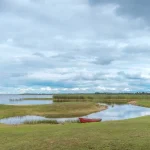
📷 Featured image by Jaanus Jagomägi on Unsplash.