On this page
- Why Pärnu Surprises Most Visitors
- Hidden Neighborhoods Worth Wandering
- Unusual Attractions You Won’t Find in the Brochures
- Where Locals Actually Eat and Drink
- Getting Around Pärnu Like a Resident
- Day Trips That Beat the Obvious Choices
- After Dark in a Quiet City
- Shopping the Real Pärnu
- Best Time to Go Beyond Peak Summer
- Practical Tips for Visiting Pärnu in 2026
- Budget Reality for Pärnu in 2026
- Frequently Asked Questions
💰 Click here to see Estonia Budget Breakdown
💰 Prices updated: October, 2026. Budget figures are estimates — always verify before travel.
Exchange Rate: $1 USD = €0.88
Daily Budget (per person)
Shoestring: €40.00 – €70.00 ($45.45 – $79.55)
Mid-range: €120.00 – €250.00 ($136.36 – $284.09)
Comfortable: €300.00 – €900.00 ($340.91 – $1,022.73)
Accommodation (per night)
Hostel/guesthouse: €15.00 – €40.00 ($17.05 – $45.45)
Mid-range hotel: €60.00 – €150.00 ($68.18 – $170.45)
Food (per meal)
Budget meal: €15.00 ($17.05)
Mid-range meal: €35.00 ($39.77)
Upscale meal: €100.00 ($113.64)
Transport
Single metro/bus trip: €2.00 ($2.27)
Monthly transport pass: €30.00 ($34.09)
Most people who visit Pärnu in 2026 still follow the same script: arrive in June or July, spend three days on the beach, eat at one of the promenade restaurants, and leave. That’s a fine trip. But Pärnu has quietly built a second identity over the past few years — one that has nothing to do with sunbathing. The city’s wellness scene has expanded, its cultural calendar has grown, and a handful of genuinely unusual places have opened that nobody is writing about yet. If you’ve already done the beach, or you’re visiting in the wrong season for it, this guide is for you.
Why Pärnu Surprises Most Visitors
Pärnu is Estonia’s fourth-largest city, but it feels nothing like Tallinn or Tartu. There’s no medieval old town, no university crowd, no startup energy. What it has instead is a particular kind of unhurried confidence — wide tree-lined streets, wooden villas that have survived since the 19th century, and a population that seems genuinely comfortable with the pace of life here.
The city sits at the mouth of the Pärnu River where it meets Pärnu Bay. That geography shapes everything: the flat terrain, the long evenings in summer, the wind that arrives without warning in autumn. Walk away from the beach and you’ll find a compact city centre that mixes Art Nouveau architecture with Soviet-era concrete and a growing number of quietly stylish independent businesses.
In 2026, Pärnu has continued its push as a year-round wellness and spa destination, a role it’s been building since the mud bath culture of the 19th century. Several spa hotels have upgraded their facilities, and there’s a noticeable shift toward health tourism from Finland, Latvia, and Germany. The city is no longer just a summer resort — it just takes a little digging to see what it offers the rest of the year.
Hidden Neighborhoods Worth Wandering
The beach promenade and Rüütli Street get all the attention, but Pärnu’s most interesting walking is found elsewhere.
The Villa District South of the Centre
Between the city centre and the beach lies a quiet residential grid of streets where wooden summer villas — some painted in faded greens and ochres, others freshly restored — sit behind garden gates. Streets like Seedri, Tammsaare, and Papiniidu rewards slow walking. Many of these buildings date from the 1920s and 1930s when Pärnu was a fashionable resort for Estonian and foreign middle classes. Almost no tourists come here. The neighbourhood smells of cut grass and old timber in summer, and in early autumn the apple trees in the gardens drop fruit onto the pavements.
Ülejõe — The Neighbourhood Across the River
Cross the Pärnu River heading north and you’re in Ülejõe, a working neighbourhood that the tourist infrastructure hasn’t reached. It’s rough around some edges — Soviet apartment blocks mixed with older wooden houses — but it has a genuine local feel. A small daily market operates near the bridge most mornings. This is where you find Pärnu residents doing actual errands, not performing leisure for visitors.
The Western Shoreline Path
Most visitors walk the main beach. Few follow the path that curves west along the shore past the camping areas toward the Rannapark forest. The transition from resort beach to quiet pine forest happens within about 15 minutes of walking. In the early morning, before the beach fills, this stretch has a stillness that the main promenade never achieves.
Unusual Attractions You Won’t Find in the Brochures
Pärnu’s main visitor attractions — the beach, the mud baths, St. Catherine’s Church — are well documented. These are the places most guides skip.
The Ammende Villa
Even people who walk past it don’t always stop. This Art Nouveau villa on Mere puiestee was built in 1905 as a private residence and is now a hotel and restaurant. The building itself is the attraction: the facade’s organic curves, the ornate iron railings, the stained glass details. You don’t need to stay or eat here to appreciate it from outside. If you go inside for coffee, the interior maintains its original woodwork in the main rooms.
The Red Tower (Punane torn)
Tucked into the old town remnants near the river, this medieval defensive tower is one of the only surviving pieces of Pärnu’s original town walls. It’s small, easy to miss, and not heavily promoted. The tower dates from the 15th century. There’s a modest exhibition inside during summer months. What makes it worth the detour is the contrast — a genuinely ancient structure in a city that otherwise shows little of its medieval past.
Lydia Koidula Museum
Lydia Koidula was one of Estonia’s most important poets and playwrights, and she was born in the Pärnu region. This museum, housed in a former school building, covers her life and the 19th-century cultural awakening she was central to. It’s quiet, well-maintained, and completely ignored by most foreign visitors. The staff speak English and are genuinely enthusiastic about the collection.
The Coastal Flood Marker Wall
Near the riverside, a section of wall carries marked water levels from historic flood years. It’s not a formal tourist attraction — just a piece of practical urban history that has been preserved. For anyone interested in how climate and coastal geography shape a city, this is more interesting than it sounds.
Where Locals Actually Eat and Drink
The restaurant strip along the beach promenade and Rüütli Street handles most of the tourist traffic. The food there is fine — adequate burgers, standard Estonian mains, reliable coffee. But Pärnu has a separate food geography that locals navigate.
The Market Hall Area
Pärnu’s central market on Karja Street is the real starting point. The covered section runs mornings from Tuesday through Saturday. You’ll find local farmers selling produce, a few stalls with smoked fish, dark rye bread still warm from the bakery van that pulls up around 9am — the loaves are dense and slightly sour, the crust firm enough to knock against the wooden trestle table. In 2026, the market has a small expansion on its eastern side with a handful of prepared food stalls where you can get a bowl of soup or a pastry for under 5 EUR.
Supelrand Street and the Western Side Streets
A few independent cafés and a wine bar have established themselves on the quieter side streets west of the centre. These aren’t tourist destinations — they’re places where locals go for a glass of wine on a Thursday evening or a slow weekend lunch. Prices here run noticeably lower than on the promenade.
Craft Beer and Local Drinking Culture
Pärnu has a small but committed craft beer scene. Pärnu Õlletehas, the local brewery, has a tap room that operates in the warmer months. A few bars in the centre stock regional Estonian beers alongside the standard lager options. The bar culture is relaxed — nobody is trying to impress anyone, which makes it easy to settle in.
Getting Around Pärnu Like a Resident
Pärnu is small enough that you can walk most of it. The centre to the beach is about 1.5 kilometres — a comfortable 20-minute walk on flat ground. But there are better options for covering more ground.
Cycling
Pärnu has an expanding cycle path network, and in 2026 this is genuinely the best way to see the city beyond the centre. Bike rental is available from several points near the beach and from a few hotels. Expect to pay around 10–15 EUR per day for a standard city bike. The flat terrain makes cycling accessible for almost anyone. The path network connects the centre, the beach, Rannapark forest, and extends north toward the river.
Public Bus
The local bus network covers the main routes between the centre, the bus station, and outlying residential areas. For most visitors, the routes to Ülejõe and the northern parts of the city are the most useful. A single journey costs around 1–1.50 EUR in 2026. Contactless card payment works on most buses.
Arriving and Leaving
The Pärnu bus station handles regular connections to Tallinn (roughly 2 hours, buses run every 30–60 minutes) and Tartu (around 2.5 hours). Rail Baltica infrastructure work continues to affect the regional rail picture in 2026 — direct train service to Pärnu from Tallinn remains limited, with buses still the practical choice for most travellers. Pärnu Airport handles occasional charter and private flights but no scheduled commercial routes as of 2026.
Day Trips That Beat the Obvious Choices
Häädemeeste and Kihnu Island get mentioned in most Pärnu guides. These are the day trips that don’t.
Soomaa National Park
About 50 kilometres east of Pärnu, Soomaa is one of Estonia’s most distinctive landscapes: flood plains, raised bogs, and river systems that expand dramatically in spring. In 2026, the park has improved its English-language trail information and added a new canoe launch point on the Halliste River. You can reach the park boundary by car in under an hour. Without a car, organised day tours depart from Pärnu — ask at the tourist information centre for current operators. Bring waterproof boots regardless of the forecast.
Virtsu and the Muhu Island Ferry
Drive or take a bus north about 80 kilometres to Virtsu, where the ferry crosses to Muhu Island and on to Saaremaa. Muhu itself is worth time — it’s quieter than Saaremaa, with traditional thatch-roofed farmsteads and a slower pace. You can spend half a day on Muhu and return to Pärnu the same evening if you start early. The ferry is frequent in summer and runs year-round, though schedules reduce in winter.
Pärnu County Bog Walks
Several raised bogs within 20–30 kilometres of Pärnu have boardwalk trails that most visitors don’t know about. The Tolkuse bog near Häädemeeste has a well-maintained 3-kilometre loop. In autumn, the bog takes on red and gold tones that are genuinely spectacular — the light in late September hits the open water between the sedge tussocks at an angle that photographers spend entire days trying to capture. No organised tours run here regularly; you’ll need a car or a rented bike with ambition.
Lihula Medieval Town
About 55 kilometres north, Lihula is a small town with the ruins of a medieval order castle and a museum covering the region’s complicated military history — the area changed hands repeatedly between German, Danish, Swedish, and Russian powers. It’s a half-day trip at most, but it gives Pärnu’s own relatively sparse medieval history some context.
After Dark in a Quiet City
Pärnu is not a nightlife city for most of the year. In July, the beach bars and outdoor venues create a genuine summer party atmosphere that draws visitors from across Estonia and from Finland. Outside of that window, the evening scene is modest but real.
A cluster of bars on and around Rüütli Street stays active through the weekend. Live music — mostly acoustic, occasionally louder — appears in a few venues on Friday and Saturday nights. Päikese Paviljon near the beach operates as a cultural venue with film screenings, small concerts, and art exhibitions in the shoulder seasons. Check their programme in advance; they run events that don’t get promoted widely online.
For a quieter evening, the spa hotels offer evening sauna programmes that are open to non-guests at some properties — a genuinely Estonian way to spend a few hours, and significantly more relaxing than most nightlife options.
Shopping the Real Pärnu
The souvenir shops on Rüütli Street sell the standard Estonian gift range: linen, amber, handmade woollen goods, chocolate. Some of it is good quality, some of it is manufactured elsewhere. For more interesting shopping, look in different directions.
The market on Karja Street carries locally produced honey, jams, and dried herbs — straightforward, honest goods at honest prices. A few artisan studios in the villa district area sell ceramics and handmade jewellery directly from the maker. These aren’t always easy to find — look for handwritten signs and half-open gate doors on weekend mornings.
Pärnu has a small antique and second-hand book trade concentrated around one or two shops near the old town. For Estonian-language books, folk music recordings on CD, and regional maps, these shops are worth an hour of browsing even if you can’t read Estonian — the visual material alone is interesting.
Best Time to Go Beyond Peak Summer
July is Pärnu’s peak month without question. The city’s population roughly doubles, accommodation prices spike, and the beach — which is genuinely beautiful — gets crowded. If the beach is your primary reason for coming, July and early August are the right choice. If it isn’t, these are actually the worst months to visit.
May and June offer warming temperatures (typically 15–20°C), lower prices, and a city that’s preparing itself rather than performing. The gardens are blooming, the outdoor venues are opening, and the beach is usable on warm days without the July crowds.
September is increasingly popular among returning visitors. Temperatures stay reasonable — often 15–18°C into the third week — the summer visitors have gone, and the landscape around the city starts its autumn shift. The bog walks and forest paths are at their most atmospheric.
Winter (December–February) is quiet, cold (regularly dropping below -10°C), and mainly for people drawn to the spa scene. A few hotels offer winter wellness packages that represent genuinely good value compared to summer rates. The city is stripped back, a little melancholy, and worth seeing if you want to understand what Pärnu actually is outside its resort identity.
The Pärnu Film Festival (focused on human rights documentary film) runs in July and is one of the more intellectually serious cultural events in Estonia. The David Oistrakh classical music festival, which has taken place in summer, draws a distinctly different crowd than the beach tourism peak.
Practical Tips for Visiting Pärnu in 2026
Safety: Pärnu is a safe city. The main practical issues are the same as anywhere in Estonia — watch your belongings in crowded summer beach areas, and be aware that some residential streets are poorly lit at night. There’s no significant street crime concern for visitors.
Language: Estonian is the official language and what you’ll hear in shops and markets. English is widely spoken in any tourist-facing business, and among younger residents generally. Russian is still understood by many older residents. German is useful in the spa hotel context — a significant proportion of health tourism visitors are German-speaking.
Connectivity: Mobile coverage in Pärnu is excellent. A local SIM card from Tele2, Elisa, or Telia gives you 4G/5G access across the city and most of the surrounding countryside. Estonian e-SIM options work well for short visits if your phone supports them. Public WiFi is available in most cafés and the tourist information centre.
Water: Tap water in Pärnu is safe to drink and consistently good quality. No need for bottled water.
Tipping: Not obligatory in Estonia, but a 10% tip in restaurants is appreciated and increasingly common in tourist-facing venues. Rounding up a café bill is standard. No tipping expected for market stalls or transport.
What’s changed in 2026: The Pärnu waterfront development project has progressed, with new riverside seating areas and an improved pedestrian path along the river. Several spa hotels completed facility upgrades in 2025–2026. The bus connections to Tallinn have improved frequency, with some operators now running services every 30 minutes during peak travel periods.
Budget Reality for Pärnu in 2026
- Budget tier (under 60 EUR/day): Hostel or guesthouse accommodation (15–30 EUR per night outside peak), market lunches, self-catered breakfasts, free beach and park access. Very achievable outside July–August.
- Mid-range (60–130 EUR/day): A comfortable guesthouse or 3-star hotel (50–90 EUR/night in shoulder season, 90–150 EUR in July), sit-down restaurant meals for lunch and dinner (12–20 EUR per main course), bike rental, museum entries (3–8 EUR each), a spa session (20–40 EUR).
- Comfortable (130–250 EUR/day): Spa hotel accommodation with wellness access, quality restaurant dinners, private guided experiences. The upper spa hotels charge 150–250 EUR per night in July; the same rooms run 90–130 EUR in May or September.
Eating cheaply in Pärnu is genuinely easy. A market lunch of rye bread, smoked fish, and a drink costs 5–8 EUR. A sit-down lunch special (päevapakkumine) at a local café runs 9–13 EUR and typically includes a main course and sometimes soup. Coffee is 2.50–3.50 EUR in most places.
Frequently Asked Questions
Is Pärnu worth visiting outside of summer?
Yes, but with adjusted expectations. The beach is the city’s main summer draw and loses its appeal in cold weather. From September through May, Pärnu works well as a spa and nature destination. Prices drop significantly, crowds disappear, and the city’s quieter personality — which is actually quite appealing — comes through clearly.
How do I get from Tallinn to Pärnu in 2026?
Buses are the standard option. Multiple operators run the Tallinn–Pärnu route, taking roughly 2 hours. Buses depart from Tallinn bus station frequently — every 30 to 60 minutes on busy days. Tickets cost around 7–14 EUR depending on operator and booking time. Direct train service remains limited in 2026 due to ongoing Rail Baltica work.
What is Pärnu known for besides the beach?
Historically, mud bath and spa culture — Pärnu has been a health resort since the 19th century. Today it’s also known for the Pärnu Film Festival, its wooden villa architecture, proximity to Soomaa National Park, and a growing wellness tourism sector that draws visitors from Finland, Germany, and Latvia year-round.
Is Pärnu suitable for families with young children?
Very much so. The beach is wide, shallow at the shoreline, and well-supervised in summer. The flat terrain makes cycling and pushchair navigation easy. The city has a relaxed pace, good public green spaces, and the surrounding nature areas offer manageable walks for families. The Rannapark forest next to the beach has play areas and easy trails.
What is the best area to stay in Pärnu?
For first-time visitors, the area between the city centre and the beach — roughly the villa district streets — puts you within walking distance of both without the noise of the promenade itself. Mid-range guesthouses and smaller hotels concentrate here. For full spa access and beach proximity, the large spa hotels sit directly adjacent to the beach and are worth the premium if wellness is your priority.
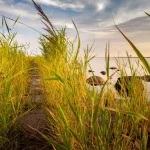
📷 Featured image by Kylli Kittus on Unsplash.