On this page
- Planning a long stay in Estonia in 2026? The visa rules have changed.
- Digital Nomad Visa vs. Other Long-Stay Options
- E-Residency: What It Does (and Doesn’t) Do for Nomads
- The 2026 Cost of Living Reality
- Health Insurance and Healthcare Access
- Banking, Tax, and Money Logistics
- Internet, SIM Cards, and Connectivity
- Frequently Asked Questions
Planning a long stay in Estonia in 2026? The visa rules have changed.
Since late 2024, Estonia has tightened the income thresholds for its Digital Nomad Visa and updated the documentation requirements in response to a surge in applications from non-EU remote workers. If you’re planning to live and work from Estonia for anywhere between one and six months, the pathway you choose matters enormously — and picking the wrong one can get you turned away at the border or create tax headaches you don’t want. This guide cuts through the confusion and gives you the exact logistics, costs, and steps you need for 2026.
Digital Nomad Visa vs. Other Long-Stay Options
Estonia’s Digital Nomad Visa (DNV) remains one of the most straightforward legal routes for non-EU remote workers who want to stay longer than the standard 90-day Schengen limit. In 2026, the visa allows stays of up to one year and is issued for a single entry. The core requirement is proof that you work remotely for a company registered outside Estonia, or that you run a location-independent business. You are explicitly not allowed to take local employment on this visa.
The income threshold was revised in January 2026. You now need to demonstrate a minimum monthly income of €4,500 — up from €3,504 in 2024. This figure represents 1.5 times Estonia’s average gross monthly wage. You’ll need to show three to six months of bank statements proving consistent income at or above this level. A contract letter, invoices, or a letter from your employer confirming remote work arrangements must accompany the application.
The application is submitted through the Estonian Police and Border Guard Board (PPA). Processing time is typically 15 to 30 working days. The visa fee is €100 for a standard application. There is no fast-track option at the consulate level in 2026, so apply well before your planned arrival date.
If you’re an EU or EEA citizen, none of this applies to you. You have the right to live and work in Estonia without any visa. You should, however, register your residence with the local municipal office if you stay longer than three months. This is a simple administrative step and costs nothing.
For non-EU freelancers who want to stay longer than one year, the Temporary Residence Permit for Entrepreneurship is an option — but it requires registering a business in Estonia (typically via the e-residency route) and demonstrating sustainable income from that business. It’s a longer, more bureaucratic process and not worth pursuing unless you’re planning a genuinely permanent or semi-permanent move.
E-Residency: What It Does (and Doesn’t) Do for Nomads
E-residency is probably the most misunderstood thing about Estonia among digital nomads. The confusion comes up constantly in online forums: people assume that getting Estonian e-residency means they can legally live in Estonia, or that it somehow grants them the right to stay past the Schengen 90-day limit. It does neither of those things.
E-residency is a digital identity, not a physical residency status. It gives you a government-issued smart card and access to Estonia’s digital infrastructure — meaning you can open and manage a company registered in Estonia, sign documents digitally, and use Estonian e-services. That’s genuinely useful if you want to run a legally compliant EU company without being based in Europe full-time. The initial application fee is €120–€150 (depending on pickup location), and annual company maintenance costs — including accounting and state fees — typically run €500–€1,500 per year depending on the service provider you use.
What e-residency does not do: it doesn’t let you open a personal Estonian bank account as a non-resident (business accounts are a separate matter), it doesn’t give you an Estonian address, and it has no bearing on your immigration status whatsoever. If you want to live in Estonia, you need a separate visa or permit — the DNV described above, or EU freedom of movement rights if applicable.
The practical reason a nomad might want e-residency combined with a DNV: running an EU-registered company is cleaner for invoicing European clients, and the Estonian corporate tax structure (0% on reinvested profits, 20% on distributions) is genuinely competitive. But this is a business and tax decision, not an immigration one. Sort your visa first, then think about e-residency if it makes sense for your specific work situation.
The 2026 Cost of Living Reality
Estonia is not cheap in the way that Southeast Asia or the Balkans are cheap. But it is significantly more affordable than Western Europe, and for the quality of infrastructure, safety, and digital connectivity you get, most nomads find it very good value. Here are the actual 2026 figures:

Accommodation
- Tallinn (city centre, 1-bedroom apartment): €900–€1,400/month for a furnished flat on a monthly contract. Longer stays (3+ months) can sometimes bring this down to €750–€1,000 if you negotiate directly with landlords rather than going through short-term platforms.
- Tallinn (further from centre, still connected by tram or bus): €650–€950/month for a 1-bedroom furnished apartment.
- Tartu (university city, Estonia’s second city): €600–€900/month for a furnished 1-bedroom. Cheaper than Tallinn with a genuinely vibrant, walkable atmosphere.
- Pärnu (coastal, seasonal): €500–€750/month off-season (October–April). Summer rates spike significantly — expect €1,100–€1,600/month in July and August for a decent 1-bedroom.
Monthly Living Costs (not including rent)
- Budget tier: €600–€800/month. Cooking most meals at home, using public transport, minimal eating out.
- Mid-range: €900–€1,300/month. Mix of cooking and eating out 3–4 times a week, occasional cultural events, public transport plus the odd taxi.
- Comfortable: €1,400–€2,000/month. Eating out regularly, gym membership (€30–€50/month at most gyms), cultural activities, weekend trips within Estonia.
Groceries at Estonian supermarkets (Rimi, Prisma, Maxima) are noticeably more affordable than in Scandinavia or Western Europe. A weekly shop for one person covering basics — dark rye bread still warm from the bakery shelf, local dairy, vegetables, and a few Estonian craft beers — runs about €40–€65. Eating lunch at a local canteen-style restaurant (the Estonian lõuna culture is alive and well) costs €6–€10 for a full meal with a drink.
Public transport in Tallinn is free for registered residents. For non-residents, a monthly pass costs €30. Tallinn’s tram network expanded in 2025 with two new lines connecting the Ülemiste development zone and the airport corridor, making car-free living significantly easier across more of the city.
Health Insurance and Healthcare Access
This is the area most nomads underestimate, and it can become genuinely serious if you skip it. Estonia has a public health system called the Estonian Health Insurance Fund (EHIF/Haigekassa), but as a DNV holder or non-resident EU citizen who hasn’t contributed to the system, you are not automatically covered by it. You need private health insurance.
The requirement for the Digital Nomad Visa application is that you show proof of health insurance valid for the entire duration of your planned stay, covering a minimum of €30,000 in medical costs. Standard EU travel insurance policies often don’t meet this threshold or exclude “work-related” contexts — read the fine print carefully before submitting.
In 2026, a comprehensive private health insurance policy covering Estonia for a 30–45 year old typically costs €60–€120/month depending on the provider and coverage level. International insurers with solid Estonia coverage include Cigna Global, SafetyWing (their Remote Health product, not the basic nomad plan), and several Baltic-region insurers like Seesam and If. SafetyWing’s nomad basic plan is popular but is designed as travel insurance, not comprehensive health cover — it may not satisfy the DNV requirement.

Pharmacies (apteek) are well-stocked and accessible across Estonia, including in smaller towns. For routine GP visits as a private patient, expect to pay €30–€60 per consultation. Dental care is good quality and reasonably priced by Western European standards — a standard checkup and clean runs €40–€70.
Banking, Tax, and Money Logistics
Opening a personal Estonian bank account as a non-resident is genuinely difficult. The major Estonian banks — LHV, SEB, Swedbank — generally require either residency registration or a strong local connection (employment, business registration, etc.) to open a personal account. Don’t plan on walking into a branch and opening one in your first week.
The practical solution most nomads use in 2026 is Wise (formerly TransferWise) or Revolut. Both work smoothly in Estonia, are accepted for rent payments via bank transfer, and handle EUR transactions without fees. Revolut’s Lithuanian banking licence means it’s a proper EU bank account, which satisfies most landlords and service providers. Wise’s multi-currency account is ideal if your income arrives in USD or GBP.
On tax: Estonia uses a 183-day rule for tax residency. If you spend more than 183 days in a calendar year in Estonia, you can be considered a tax resident and liable for Estonian income tax (flat rate of 22% in 2026, up from 20% following the 2024 tax reform). For stays under six months on a DNV, this typically doesn’t apply — but it depends on your home country’s tax treaty with Estonia and your specific circumstances. If your situation is even slightly complicated, spend €150–€200 on an hour with a local accountant who handles expat cases. It’s money well spent.
ATMs (sularahaautomaadid) are common across Estonia. Contactless card payment is the norm everywhere — even at market stalls and small kiosks. Cash is rarely needed.
Internet, SIM Cards, and Connectivity
Estonia’s digital infrastructure is genuinely excellent. The country consistently ranks among the top five in Europe for broadband speed and coverage. Average fixed-line broadband in apartments runs at 100–1,000 Mbps, and most furnished apartments aimed at longer stays include internet as part of the rental price. If it’s not included, a standalone broadband plan costs around €15–€25/month.

Mobile data is fast and cheap. The three main providers — Telia, Elisa, and Tele2 — all offer prepaid SIM cards that you can buy at their shops, at Rimi supermarkets, or at the airport. A SIM with 20–30 GB of 5G data per month costs €10–€20. Full monthly contracts with unlimited data run €20–€35. Coverage across the country is strong — even in Lahemaa National Park or on the islands, you’ll generally find workable 4G signal, though deep forest hikes are a different matter.
For nomads who work on video calls all day, the connectivity in Estonia simply isn’t a concern the way it might be in some other European countries. Cafés, libraries, and public spaces routinely offer fast, stable Wi-Fi. The chill of autumn settling over Tallinn’s Old Town might make you want to stay indoors — and when you do, you’ll have the connection to back it up.
One thing to plan around: Estonia has public holidays where some services close, and the country essentially quiets down in late June around Jaanipäev (Midsummer). If you’re working to deadlines, be aware that local contacts and government offices may be hard to reach for a few days around June 23–24.
Frequently Asked Questions
Can I apply for Estonia’s Digital Nomad Visa while already in Estonia on a tourist visa?
No. The Estonian Digital Nomad Visa must be applied for from outside Estonia at an Estonian embassy or consulate. You cannot switch your status from tourist to DNV holder while inside the country. Plan ahead and apply before your trip, allowing at least 15–30 working days for processing.
Does e-residency count as legal residency in Estonia?
No. E-residency is a digital identity program that lets you register and manage an Estonian company remotely. It carries zero immigration status and does not grant the right to live, work physically, or travel within the Schengen Area. For actual residency, you need a separate visa or permit based on your nationality and circumstances.
What is the minimum income required for the Estonian Digital Nomad Visa in 2026?
As of January 2026, the minimum monthly income requirement is €4,500. This figure is set at 1.5 times Estonia’s average gross monthly wage and was revised upward from the 2024 threshold of €3,504. You must demonstrate this income consistently over three to six months through bank statements and supporting documentation.

Is Estonia a good value destination for long-term remote work compared to other EU countries?
For the combination of digital infrastructure, safety, English-language accessibility, and cost, Estonia is one of the strongest options in the EU in 2026. It’s more expensive than Eastern Balkans alternatives but significantly cheaper than Germany, the Netherlands, or Scandinavia — and the quality of connectivity and services is comparable to or better than those countries.
Do I need to pay Estonian income tax if I stay for five months on a Digital Nomad Visa?
Generally no, because five months falls under the 183-day threshold for tax residency. However, Estonia’s tax obligations depend on your specific situation, your home country’s tax treaty with Estonia, and where your income is sourced. Anyone with a complex financial situation should consult a local tax adviser before arriving.
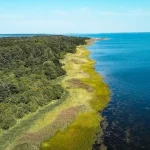
📷 Featured image by Vitaly Gariev on Unsplash.