On this page
- What Makes Rakvere Castle Different from Other Estonian Fortresses
- The Castle Grounds: What You’re Actually Walking Into
- Interactive Experiences and Hands-On Activities
- The Medieval Tavern: Eating and Drinking Inside the Fortress
- Day Trip or Overnight? Planning Your Visit from Tallinn or Tartu
- Getting to Rakvere: Trains, Buses, and Driving
- 2026 Budget Reality: Tickets, Food, and Extras
- Practical Tips Before You Go
- Frequently Asked Questions
💰 Click here to see Estonia Budget Breakdown
💰 Prices updated: August, 2026. Budget figures are estimates — always verify before travel.
Exchange Rate: $1 USD = €0.86
Daily Budget (per person)
Shoestring: €45.00 – €70.00 ($52.33 – $81.40)
Mid-range: €120.00 – €170.00 ($139.53 – $197.67)
Comfortable: €250.00 – €420.00 ($290.70 – $488.37)
Accommodation (per night)
Hostel/guesthouse: €10.00 – €40.00 ($11.63 – $46.51)
Mid-range hotel: €50.00 – €140.00 ($58.14 – $162.79)
Food (per meal)
Budget meal: €10.00 ($11.63)
Mid-range meal: €25.00 ($29.07)
Upscale meal: €80.00 ($93.02)
Transport
Single metro/bus trip: €1.50 ($1.74)
Monthly transport pass: €30.00 ($34.88)
Most Estonian castle ruins hand you a laminated map and leave you to it. Rakvere Castle does the opposite — it puts a crossbow in your hands, seats you at a medieval feast table, and lets you explore a torture chamber without a velvet rope in sight. For families with kids who zone out at museums, or couples who want something more memorable than another church tower view, Rakvere has become one of the most-visited heritage sites in Estonia for good reason. In 2026, with Rail Baltica construction reshaping travel patterns across the country, Rakvere is also easier than ever to reach as a standalone day trip or the anchor of a short northern Estonia circuit.
What Makes Rakvere Castle Different from Other Estonian Fortresses
Estonia has no shortage of medieval ruins. Haapsalu, Viljandi, Vastseliina — all atmospheric, all worth seeing. But most of them are exactly that: ruins. You look, you imagine, you move on. Rakvere took a different path. Since the 1990s, the castle has been developed as a living history site, which means reconstructed interiors, costumed staff, and activities designed to put visitors inside the medieval experience rather than outside it looking in.
The fortress itself dates to the 13th century, built by Danish crusaders on a hill above what was then a small trading settlement. It passed through Livonian Order hands, survived Swedish and Russian campaigns, and was largely left as rubble after the Great Northern War in the early 18th century. What stands today is a partial reconstruction — honest about what’s original and what’s been rebuilt — and that transparency actually makes it more interesting, not less.
The famous bronze aurochs statue outside the main gate has become the symbol of Rakvere city itself. The aurochs — an extinct wild ox — is enormous, muscular, and slightly unnerving up close. It was installed in 2002 to mark the 700th anniversary of the castle’s first written mention. Locals are quietly proud of it.
The Castle Grounds: What You’re Actually Walking Into
The castle sits on Vallimägi hill, a short uphill walk from Rakvere’s compact town centre. The grounds cover several connected sections: the outer walls and courtyard, the main tower, the reconstructed great hall, underground chambers, and a separate weapons and armour exhibition space.
The views from the upper walls stretch across Rakvere town and toward the forested lowlands of Lääne-Viru county. On a clear morning, you can make out the haze of the Gulf of Finland to the north. The wind up there can be sharp even in May, so an extra layer is worth carrying if you visit outside summer.

The underground section of the castle is genuinely atmospheric — low stone ceilings, flickering artificial torchlight, and a chamber dedicated to medieval punishment that is graphic enough to make adults pause. It is not particularly child-friendly in that specific room, though the rest of the castle absolutely is. The smell of cool stone and faint wood smoke from nearby demonstration fires follows you through the lower levels.
Interactive Experiences and Hands-On Activities
This is where Rakvere genuinely earns its reputation. The castle runs a rotating programme of hands-on activities throughout the year, and in 2026 the summer season (late May through August) runs the fullest schedule.
- Archery and crossbow shooting — guided sessions in the courtyard, no experience needed. Staff are patient with children and adults alike.
- Sword fighting demonstrations — scheduled performances on weekends, with brief participation opportunities after the show.
- Alchemy workshop — a popular indoor activity during wet weather, held in the reconstructed alchemist’s chamber. Visitors mix basic compounds under instruction.
- Knightly dress-up — chainmail, helmets, and period clothing available for photos. Popular with families.
- Torture chamber tour — guided walk with historical commentary. The tone is educational rather than sensationalist, though the exhibits are blunt.
The activity schedule is posted weekly on the castle’s website. If you’re visiting specifically for one activity, check it in advance — some sessions require minimum group sizes and may not run on quiet weekday mornings in shoulder season.
The Medieval Tavern: Eating and Drinking Inside the Fortress
The tavern inside the castle walls is not a gift-shop café with a medieval theme painted on the wall. It functions as a proper restaurant with a kitchen producing food rooted in historical Estonian and northern European recipes — heavy on smoked meats, dark bread, root vegetables, and honey-based drinks.
The interior is dim and candlelit even during the day, with long wooden tables, iron chandelier fittings, and the faint smell of roasting meat that hits you as you step through the low doorway. Mead is served in ceramic cups. The pork knuckle with sauerkraut and rye bread is consistently recommended by staff and regularly appears as the day’s main feature. Vegetarian options exist but are limited — if you don’t eat meat, the bean soup and cheese board are your best bets.

Prices are moderate by Estonian standards — expect to pay €12–18 for a main course. The tavern gets busy on weekend lunchtimes. If you’re visiting with a group larger than six, a reservation is worth making ahead.
Day Trip or Overnight? Planning Your Visit from Tallinn or Tartu
Rakvere sits roughly 100 kilometres east of Tallinn and about 140 kilometres northwest of Tartu, which puts it squarely in day-trip range from both cities. Most visitors from Tallinn treat it as exactly that — a half-day or full-day excursion.
From Tallinn: A comfortable day trip. Leave by 9:00, arrive around 10:00, spend four to five hours at the castle and town, and be back in Tallinn by early evening. The train is the easiest option (see below).
From Tartu: Slightly longer journey, but still very manageable as a day trip. Combine it with a stop in Palmse Manor or Lahemaa National Park on the way for a fuller northern Estonia circuit.
Staying overnight in Rakvere: The town itself is small and quiet — a population of around 15,000 — but it has a handful of decent guesthouses and one business hotel near the centre. Staying overnight makes sense if you want to explore the surrounding Lääne-Viru countryside, visit Lahemaa the same trip, or attend one of the evening castle events without rushing for a return train. There is nothing wrong with Rakvere as an overnight stop, but it doesn’t have the restaurant or nightlife depth of Tartu or Haapsalu.
Getting to Rakvere: Trains, Buses, and Driving
Rakvere is one of the better-connected regional towns in Estonia, which makes the logistics straightforward.
By train: Elron trains run between Tallinn Balti jaam and Rakvere station multiple times daily. The journey takes approximately 1 hour 10 minutes. In 2026, Elron’s northern corridor still operates reliable service, and the Rakvere station is about 1.2 kilometres from the castle — an easy 15-minute walk uphill or a short taxi ride. Check Elron’s live timetable, as weekend schedules differ slightly from weekday services.
By bus: Lux Express and regional Lääne-Viru county buses connect Tallinn and Tartu to Rakvere. Journey times are slightly longer than the train but comparable, and buses stop closer to the town centre on some routes. Useful if you’re coming from a direction the train doesn’t serve directly.

By car: Tallinn to Rakvere via the E20 highway takes around 1 hour in normal traffic. Parking near the castle hill is free and generally easy to find, even in summer.
2026 Budget Reality: Tickets, Food, and Extras
Rakvere Castle is one of the more affordable major heritage attractions in Estonia. Here’s what to expect in 2026:
- Adult entry: €12
- Child entry (ages 5–17): €7
- Family ticket (2 adults + up to 3 children): €32
- Guided tour add-on: €5 per person (English-language tours available, book at the ticket desk)
- Activity extras (archery, alchemy, etc.): €3–6 per activity
Budget visit (entry + self-guided + packed lunch): €12–15 per adult
Mid-range (entry + one activity + tavern lunch): €25–35 per adult
Comfortable (family of four with activities, lunch, and guided tour): €90–120 total
The Estonian Museum Card (valid at many heritage sites nationwide) does not currently cover Rakvere Castle. The castle’s own website occasionally offers seasonal discount codes, particularly in May and September.
Practical Tips Before You Go
- Wear shoes you don’t mind getting muddy. The outer grounds are unpaved and can be wet after rain. Cobblestones inside can be uneven.
- Opening hours in 2026: April–October daily 10:00–18:00; extended to 21:00 on Thursday evenings in June–August; November–March Wednesday–Sunday 11:00–17:00. Always verify on the official site before travelling in low season.
- The castle is stroller-accessible in the main courtyard but the underground chambers and upper tower sections require stairs. Families with very young children should factor this in.
- Photography is unrestricted throughout the grounds. The dungeon section is dark enough that a phone flash will help.
- English signage covers all major exhibits. Staff speak English at the ticket desk and most activity stations. Finnish and Russian signage is also present in some areas.
- Rakvere town centre is a 10-minute walk downhill from the castle. There’s a small market square, a few cafés, and a local history museum if you want to extend your time in town.
Frequently Asked Questions
How long should I spend at Rakvere Castle?
Plan for a minimum of two hours if you’re self-guiding. Three to four hours gives you time for a guided tour, one or two hands-on activities, and lunch in the tavern. Families with children who want to try everything should budget closer to a full half-day, especially on weekends when the activity programme runs in full.

Is Rakvere Castle suitable for young children?
Yes, with one caveat. The main courtyard, great hall, and most interactive activities are genuinely well-suited to children aged five and up. The torture chamber and dungeon section contains graphic exhibits that may disturb sensitive younger children. Parents can skip that room without missing the main experience of the castle.
Can you visit Rakvere Castle in winter?
Yes. The castle operates a reduced winter schedule (Wednesday–Sunday) from November through March. The interactive programme is smaller, but the indoor exhibitions, tavern, and main hall remain open. A winter visit has its own appeal — fewer crowds, candlelit atmosphere, and occasional Christmas market events in December near the castle grounds.
Is there parking at Rakvere Castle?
Free parking is available near the base of Vallimägi hill, a short walk from the castle entrance. The area rarely fills completely, even on busy summer weekends. If you’re arriving by train, the walk from Rakvere station to the castle takes about 15 minutes on a clear path through the town centre.
What is the best time of year to visit Rakvere Castle?
Late June through August offers the fullest activity programme and the best weather for exploring the outer grounds. May and September are excellent for avoiding crowds while still getting reasonable weather and a solid schedule of events. July weekends tend to be the busiest — arrive before 11:00 to get ahead of group tours and school excursions.
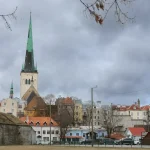
📷 Featured image by Urlaubstracker on Unsplash.