On this page
- Why Saaremaa Has Become Estonia’s Top Spa Destination in 2026
- The Best Spa Hotels & Resorts on Saaremaa
- Kuressaare’s Spa Scene: What the Town Offers Beyond the Big Resorts
- Mud Therapy & Halotherapy: Saaremaa’s Signature Treatments Explained
- Outdoor & Nature-Based Wellness Experiences
- What a Spa Getaway in Saaremaa Actually Costs in 2026
- How to Get to Saaremaa for Your Spa Trip
- Best Time to Visit Saaremaa for a Spa Retreat
- Practical Tips for First-Time Spa Visitors in Saaremaa
- Frequently Asked Questions
💰 Click here to see Estonia Budget Breakdown
💰 Prices updated: October, 2026. Budget figures are estimates — always verify before travel.
Exchange Rate: $1 USD = €0.88
Daily Budget (per person)
Shoestring: €40.00 – €70.00 ($45.45 – $79.55)
Mid-range: €120.00 – €250.00 ($136.36 – $284.09)
Comfortable: €300.00 – €900.00 ($340.91 – $1,022.73)
Accommodation (per night)
Hostel/guesthouse: €15.00 – €40.00 ($17.05 – $45.45)
Mid-range hotel: €60.00 – €150.00 ($68.18 – $170.45)
Food (per meal)
Budget meal: €15.00 ($17.05)
Mid-range meal: €35.00 ($39.77)
Upscale meal: €100.00 ($113.64)
Transport
Single metro/bus trip: €2.00 ($2.27)
Monthly transport pass: €30.00 ($34.09)
Saaremaa has quietly become one of the Baltic region’s most compelling wellness destinations — and in 2026, demand for its spa resorts has pushed booking windows out significantly, especially during summer and around Estonian public holidays. If you’re planning a regenerating break on Estonia’s largest island, you need to plan earlier than you think, understand what makes the island’s spa culture genuinely different, and know which properties are worth your money and which are coasting on reputation. This guide covers all of it.
Why Saaremaa Has Become Estonia’s Top Spa Destination in 2026
Saaremaa’s appeal isn’t manufactured. The island sits in the Baltic Sea off Estonia’s western coast, separated from the mainland by a strait crossed by ferry. Its low population density, clean air, and almost total absence of industrial noise create a baseline sense of calm that urban spa complexes simply can’t replicate. You feel it the moment you step off the ferry at Virtsu and cross to Muhu Island — the air changes, the pace slows, the horizon opens up.
What’s pushed Saaremaa further into prominence recently is a combination of factors. Rail Baltica’s ongoing construction on the mainland has made Pärnu and Tallinn more chaotic for weekend travellers, nudging wellness-seekers toward quieter destinations. Simultaneously, Saaremaa’s spa operators have invested heavily since 2023 in upgrading their thermal pools, treatment menus, and accommodation standards. The result is a destination that now confidently competes with Scandinavian wellness retreats at a fraction of the price.
The island also has a natural advantage that no resort can manufacture: therapeutic dolomite mud, harvested from local bogs and coastal deposits. This mud has been used medicinally since the late 19th century, and several Kuressaare spas have built their identity entirely around it.
The Best Spa Hotels & Resorts on Saaremaa
Georg Ots Spa Hotel
Located directly on Kuressaare’s seafront, Georg Ots is the island’s most consistently rated spa property. The thermal pool faces the sea, and on cold days — the island gets genuinely raw Baltic winds from October through March — the contrast between the warm water and the grey outside view is one of those simple pleasures that stays with you. The spa offers a full range of treatments including dolomite mud wraps, hot stone massage, and various hydrotherapy options. The hotel’s rooms are comfortable and well-maintained, though the upper-floor sea-view rooms are worth the premium if you’re making a dedicated wellness trip.
Saaremaa Spa Hotels (Rüütli & Mändjala)

This group operates two linked properties. Rüütli sits in Kuressaare town centre, while Mändjala is located about 8 kilometres west in a forested coastal setting — a more secluded atmosphere if you want distance from the town. Both share access to spa facilities and guests can use amenities across both locations. Mändjala particularly suits families and those who want forest walking directly from the hotel door. The scent of juniper and pine on the footpaths leading to the beach in the morning is something Kuressaare town-centre hotels simply can’t offer.
Spa Hotel Arensburg
Arensburg is positioned in the heart of Kuressaare, steps from the medieval castle. It’s a smaller, more intimate operation than Georg Ots, which suits travellers who find large resort-style hotels impersonal. The spa menu leans toward Nordic-influenced treatments: birch scrubs, cold plunge sequences, and aromatherapy using local herbs. The sauna suite is particularly well designed — traditional Estonian smoke sauna aesthetics with modern ventilation and temperature control.
Pädaste Manor
Technically located on Muhu Island, which connects to Saaremaa by a causeway, Pädaste is Estonia’s most acclaimed luxury manor hotel and a serious wellness destination. It isn’t primarily a spa hotel, but its treatments — deeply personalised, using local botanical ingredients — are exceptional in quality. The setting alone, a restored manor surrounded by meadows and sea views, contributes to the restorative experience. If budget allows, a night or two at Pädaste bookending a longer stay at a Kuressaare spa hotel makes for an exceptional itinerary.
Kuressaare’s Spa Scene: What the Town Offers Beyond the Big Resorts
Not everything worth experiencing in Kuressaare is inside a large hotel. The town itself — small, walkable, with a well-preserved medieval bishop’s castle at its core — has developed a secondary layer of smaller wellness operators since 2023.
Several day spa studios and treatment rooms have opened in the old town area, offering massages, facial treatments, and halotherapy sessions without requiring an overnight stay at a spa hotel. This is useful if you’re staying in self-catering accommodation or a smaller guesthouse and want access to professional treatments without paying resort prices.

The Kuressaare sea promenade, which runs along the coast and past several spa hotel grounds, is freely accessible and connects the town centre to the beach areas. Walking it in the early morning — especially in spring, when the light over the Baltic is pale and clean — is its own kind of therapy that costs nothing.
There are also public saunas in the town, a deeply Estonian tradition. These shared facilities are nothing like hotel spa saunas — they’re rougher, more social, and considerably cheaper. For travellers comfortable with the format, they offer an authentic slice of local wellness culture that polished resort experiences don’t.
Mud Therapy & Halotherapy: Saaremaa’s Signature Treatments Explained
Dolomite Mud Treatments
Saaremaa’s therapeutic mud is the island’s most distinctive spa offering. The mud is rich in minerals including calcium, magnesium, and sulphur compounds, and has documented use in treating joint conditions, skin inflammation, and muscular tension. Treatments typically involve a mud application to specific body areas or the full body, followed by a rest period allowing absorption, then a shower and optional hydrotherapy sequence.
A standard mud wrap at a Kuressaare spa hotel runs 30–50 minutes and costs between €35–€65 depending on the property and coverage area. Full-body mud immersion baths — rarer and more intensive — are offered at Georg Ots and cost €55–€80. These aren’t frivolous luxury treatments; if you have chronic back pain or joint stiffness, the relief after a proper mud session can be noticeably real.
Halotherapy (Salt Therapy)
Several Saaremaa spas have salt rooms — enclosed chambers where fine salt particles are dispersed into the air. Sessions typically last 40–45 minutes and are promoted for respiratory benefits and skin conditions. The clinical evidence for halotherapy is still debated, but many regular visitors report subjective improvements in breathing, particularly those with mild asthma or allergies. Practically, it’s a quiet, warm, restful environment — reason enough for most people to try it once.
Combining Treatments
Most Saaremaa spa hotels offer package sequences that combine mud therapy, hydrotherapy pool access, sauna, and massage into two- or three-hour programmes. These packages generally offer better value than booking treatments individually. Ask specifically about the Saaremaa Wellness Package or equivalent — the exact name varies by hotel, but this island-specific treatment sequence is a consistent offering across the major properties.
Outdoor & Nature-Based Wellness Experiences
Saaremaa’s spa culture doesn’t stop at the hotel door. The island has a genuinely usable outdoor landscape — flat enough for easy cycling, with coastal paths, juniper forests, and limestone cliffs that make physical movement feel rewarding rather than effortful.

The Viidumäe Nature Reserve, in the island’s interior, has marked trails through forest and peatland. Walking these trails, particularly in autumn when the ground is soft underfoot and the birch trees have turned, is a grounding experience that complements whatever treatment programme you’re following at your hotel. The air carries a faintly resinous, earthy quality here — old forest and damp peat — that is genuinely unlike anything you’ll find closer to a city.
Wild swimming in the Baltic is practiced year-round by locals, with organised winter swimming groups active around Kuressaare and Nasva. If you’re visiting between May and September, the sea temperature is reasonable for swimming (17–22°C at peak summer) and the beaches around Järve and Mändjala are clean, quiet, and accessible.
Several hotels offer guided Nordic walking sessions, kayaking on coastal waters, and cycling routes to the island’s landmarks, including the Kaali meteor crater and the Angla windmills. These are worth integrating into a multi-day spa itinerary — movement outdoors changes the effect of passive treatments in a way that’s hard to explain but consistent enough that most spa therapists actively recommend it.
What a Spa Getaway in Saaremaa Actually Costs in 2026
Saaremaa is genuinely good value by Western European standards, but costs have risen since 2023. Here’s an honest breakdown by tier.
Budget (under €80/night per person)
Staying in a guesthouse or apartment and visiting day spas or public facilities for treatments. Budget accommodation in and around Kuressaare ranges from €40–€70 per room per night. A single spa treatment at a day spa costs €25–€45. A full day pass at one of the spa hotels (pool and sauna access, no accommodation) costs €20–€35. Meals at casual restaurants in Kuressaare run €10–€18 per main course. This tier is entirely viable for a satisfying wellness break if you’re comfortable with self-directed planning.
Mid-Range (€80–€160/night per person)
Staying at Spa Hotel Arensburg or the Saaremaa Spa Hotels Rüütli property, with breakfast included and one or two treatments per day. A two-night mid-week package including accommodation, breakfast, and a spa treatment sequence typically costs €200–€320 per person total. This is the most popular tier for Estonian and Finnish visitors and represents excellent value for the quality delivered.
Comfortable (€160–€300+/night per person)
Georg Ots premium rooms or Pädaste Manor. At Pädaste, expect to pay €300–€500 per room per night for manor rooms; treatments are additional at €70–€150 each. Georg Ots sea-view rooms with spa packages range from €180–€260 per person per night. Food at this tier — Pädaste’s restaurant is one of the best in Estonia — adds €60–€100 per person per dinner.

How to Get to Saaremaa for Your Spa Trip
Getting to Saaremaa requires a short ferry crossing, which is straightforward once you understand the logistics.
From Tallinn: Drive or take a bus to Virtsu (roughly 2 hours by car, 2.5–3 hours by bus from Tallinn bus station). From Virtsu, the ferry to Kuivastu on Muhu Island runs every 30–60 minutes throughout the day and takes about 25 minutes. From Kuivastu, it’s a 45-minute drive across Muhu causeway to Kuressaare. Total journey time from Tallinn: approximately 3.5–4 hours door to door.
By bus: Lux Express and several regional operators run direct Tallinn–Kuressaare services with the ferry crossing included. Journey time is around 4–4.5 hours. In 2026, these services are reliable and reasonably priced at €12–€22 each way depending on booking time.
By air: Avies operates small turboprop flights between Tallinn and Kuressaare Airport. Flights take around 35 minutes. Schedules are limited — typically a few flights per day on weekdays — and prices vary significantly by booking window, ranging from €40–€120 one way. Worth considering for a short trip when time matters more than cost.
Car rental: Having a car on Saaremaa gives you flexibility to reach the quieter spa hotels at Mändjala or Pädaste, and to explore the island’s nature sites. Rental from Tallinn with the ferry crossing is straightforward. Check current ferry booking requirements — as of 2026, vehicle reservations are strongly recommended, particularly on summer weekends and public holidays.
Best Time to Visit Saaremaa for a Spa Retreat
Spring (April–May) is underrated. The island emerges from winter without the summer crowds, prices are lower, and the juniper meadows are beginning to green. Weather is mild but unpredictable — pack layers. Spa facilities are quieter and you’ll get more personal attention from therapists.
Summer (June–August) is peak season. The island is genuinely lovely — long daylight, warm sea, outdoor dining — but spa hotels fill up and prices reflect demand. Book 6–10 weeks ahead minimum for a summer weekend. The summer solstice period around Jaanipäev (Midsummer, June 23–24) is particularly busy as this is Estonia’s most celebrated public holiday.
Autumn (September–October) is arguably the best compromise. Crowds thin from mid-September, prices drop, and the island’s forests take on amber tones. Sea temperatures are still acceptable for swimming early in the period. The light in September on Saaremaa is something photographers chase — soft, golden, extended. Spa treatments feel especially appropriate as the year turns cooler.

Winter (November–March) offers the lowest prices and a particular Nordic atmosphere. Several spa hotels offer winter wellness packages specifically designed around contrast bathing — sauna heat followed by outdoor cold air or a brief plunge. Kuressaare in winter is very quiet, which is either peaceful or dull depending on what you’re after. If your goal is genuinely switching off, winter works perfectly.
Practical Tips for First-Time Spa Visitors in Saaremaa
- Book treatments in advance: Walk-in availability at major spa hotels is limited, especially on weekends. Book your treatment slots when you book accommodation — most hotels allow this at reservation time.
- What to bring: Most spa hotels provide robes and slippers; confirm this when booking. Bring flip-flops for pool and sauna areas. A reusable water bottle is useful — hydration matters more than people expect during thermal and mud treatments.
- Tipping: Tipping is not obligatory in Estonia but is appreciated. For spa treatments, €2–€5 per treatment is reasonable and genuinely welcomed by therapists.
- Language: Estonian is the local language, but English is spoken confidently by all spa hotel staff in 2026. Russian is also understood by many older locals, though this has become less prominent in service contexts since 2022.
- Medical conditions: Mud treatments and intensive hydrotherapy are not suitable for everyone. If you have cardiovascular conditions, skin conditions, or are pregnant, discuss treatment options with spa staff before booking. Reputable spas will ask about health conditions at consultation — if they don’t, that’s a red flag.
- Connectivity: Saaremaa has good 4G and expanding 5G coverage in Kuressaare. The island’s nature areas have patchier signal, which is often the point. SIM cards from Estonian operators (Tele2, Elisa, Telia) work throughout the island. EU roaming applies for European visitors.
- Water: Tap water in Kuressaare and spa hotels is safe to drink. The island’s groundwater has high mineral content, which occasionally affects taste — if you prefer filtered water, most spa hotels provide it at the breakfast buffet or water stations in spa areas.
Frequently Asked Questions
What makes Saaremaa spas different from other Estonian spa destinations?
Saaremaa’s key differentiator is its therapeutic dolomite mud, harvested locally and used in treatments with documented therapeutic properties. Combined with the island’s natural quiet, clean Baltic air, and a concentration of purpose-built spa hotels in Kuressaare, it offers a more complete wellness environment than spa facilities in Tallinn or Tartu, which sit within busy urban contexts.

Do I need to stay at a spa hotel to use the spa facilities?
No. Most major Saaremaa spa hotels sell day passes allowing access to pools, saunas, and sometimes treatment bookings without an overnight stay. Prices for day access typically range from €20–€35 per person. This is a practical option if you’re staying in self-catering accommodation or a guesthouse and want spa access on specific days rather than throughout your stay.
How far in advance should I book a spa hotel in Saaremaa?
For summer weekends and Estonian public holidays, book 6–10 weeks ahead. For mid-week stays from October through April, 2–3 weeks is generally sufficient. The Jaanipäev midsummer period (late June) and Christmas–New Year window are the most competitive booking periods and warrant even earlier planning — 10–12 weeks minimum for top properties.
Are Saaremaa spa experiences suitable for families with children?
Several properties cater well to families. The Saaremaa Spa Hotels Mändjala property has family-friendly pool areas and is set in a forest location that suits children well. Georg Ots is more adult-focused in atmosphere. Check each hotel’s age policies for specific treatment rooms and sauna facilities, as many spa areas have minimum age restrictions (typically 16 or 18 years).
Is it worth visiting Saaremaa spas in winter?
Yes — winter is genuinely rewarding for spa tourism on Saaremaa if you’re seeking deep rest rather than outdoor activities. Prices are lowest, facilities are quietest, and contrast therapy (sauna and cold outdoor air) is at its most effective. Several hotels offer specific winter wellness packages. The island is visually striking under frost or snow, and the absence of summer crowds gives the whole experience a more personal quality.
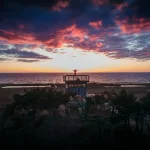
📷 Featured image by Margo Evardson on Unsplash.