On this page
- A Promenade That Actually Earns the Name
- What Makes the Promenade Worth Your Time
- A Walk Through Time — The History Beneath Your Feet
- The Route — What You Actually Walk Past
- The Bishop’s Castle — Ruins With Real Presence
- The African Beach Pavilion — The Promenade’s Eastern Crown
- Where to Eat and Drink Near the Promenade
- How the Promenade Changes With the Seasons
- Getting to the Promenade and Around Haapsalu
- What a Day on the Promenade Costs in 2026
- Practical Tips for Visiting
- Frequently Asked Questions
💰 Click here to see Estonia Budget Breakdown
💰 Prices updated: October, 2026. Budget figures are estimates — always verify before travel.
Exchange Rate: $1 USD = €0.88
Daily Budget (per person)
Shoestring: €40.00 – €70.00 ($45.45 – $79.55)
Mid-range: €120.00 – €250.00 ($136.36 – $284.09)
Comfortable: €300.00 – €900.00 ($340.91 – $1,022.73)
Accommodation (per night)
Hostel/guesthouse: €15.00 – €40.00 ($17.05 – $45.45)
Mid-range hotel: €60.00 – €150.00 ($68.18 – $170.45)
Food (per meal)
Budget meal: €15.00 ($17.05)
Mid-range meal: €35.00 ($39.77)
Upscale meal: €100.00 ($113.64)
Transport
Single metro/bus trip: €2.00 ($2.27)
Monthly transport pass: €30.00 ($34.09)
A Promenade That Actually Earns the Name
Most Estonian coastal towns have a waterfront path. Haapsalu has something rarer — a promenade with a genuine sense of occasion. In 2026, with Rail Baltica construction still reshaping travel patterns across the Baltics and more visitors routing through western Estonia en route to the islands, Haapsalu is fielding more day-trippers than it was three years ago. The promenade is often where they spend most of their time — and most leave wondering why they didn’t stay longer. This guide covers the full walk, what surrounds it, how to reach it, and what it costs to spend a proper day here.
What Makes the Promenade Worth Your Time
The Haapsalu Promenade runs along the edge of a shallow, reed-fringed bay on the western coast of Estonia. It’s roughly 1.2 kilometres of wooden boardwalk, gravel path, and manicured park, connecting the ruins of the Bishop’s Castle at one end to the African Beach and its historic wooden pavilion at the other. What separates it from the average seaside walk is the density of things happening along the way — real things, not tourist installations.
The water here is calm almost always. The bay is so shallow that on overcast days it looks like grey silk pulled flat. On sunny evenings the light comes in low from the west and turns the whole surface amber. That light is partly why Tchaikovsky came here. It’s partly why the town built a dedicated rail line from Tallinn in the 19th century just to bring wealthy Russian spa guests to this exact shoreline. The promenade is a product of that ambition, and you can feel it in the scale of the old park trees, the cast-iron benches, and the general sense that this place was designed for slow, deliberate enjoyment.
In 2026, the promenade is well-maintained by Haapsalu city municipality. The boardwalk sections were last significantly repaired in 2023–2024, and the lighting along the evening path is reliable year-round. It is not commercialised. There are no souvenir kiosks lining the route, no amplified music from seafront bars. It remains, genuinely, a place to walk.
A Walk Through Time — The History Beneath Your Feet
Haapsalu received its town charter in 1279, built around the power of the Bishop of Ösel-Wiek and his fortified complex on the waterfront. For centuries the town existed as an ecclesiastical administrative centre, and the shoreline was functional rather than decorative. The shift came in the early 19th century when the curative properties of Haapsalu’s coastal mud were formally documented by a local physician, Carl Abraham Hunnius, in 1825. Within decades, the town had reinvented itself as a spa resort.

The promenade as a dedicated space for leisure walking was developed through the second half of the 19th century, reaching its most polished form in the 1890s when the Haapsalu-Tallinn railway was completed. Russian aristocracy arrived by train, took mud baths, walked the promenade in the evenings, and listened to concerts at the bandstand. Tchaikovsky visited twice — in 1867 and 1868 — and the town has commemorated this with a dedicated bench that plays his music when you sit on it. The melody that comes from a hidden speaker in the armrest is from his Souvenir de Hapsal suite, composed here.
The Soviet period brought functional decline. The spa culture was dismantled or repurposed for sanatorium use, the old hotels changed hands and character, and the promenade lost much of its curated elegance. After Estonian independence was restored in 1991, restoration work began slowly. The African Beach Pavilion — by then in near-ruin — was reconstructed in the 1990s. The broader park and promenade area has been incrementally improved since then, with the most recent phase of work completed in 2024.
The Route — What You Actually Walk Past
Start at the Bishop’s Castle end, where the promenade meets Lossihoov (Castle Courtyard). From here, facing the bay, the walk heads roughly northwest. The first stretch takes you through the oldest section of the park, where lime trees planted in the 19th century now form a high canopy. In summer, their scent — sweet, almost medicinal — drifts across the path in the evenings. In autumn, the fallen leaves build up on the gravel and no one rushes to clear them, giving this section a deliberately unhurried feel.
About 300 metres along, you reach the Tchaikovsky Bench. It sits on a small elevated point with an open view over the bay. Sit down on the wooden slats and lean back against the armrests for a few seconds — the sensor triggers the music. Some visitors find it charming. Others find it surprising. Either way, it works reliably.
Further along, the path opens out into a wider park area with a bandstand — still used for summer concerts — and a small children’s playground. The municipal café kiosk here operates from late May through August, selling coffee, soft drinks, and basic snacks. This mid-point of the promenade is the most social section, where locals walk dogs, elderly residents occupy the benches, and families spread out on the grass.

The final 400 metres curve gently toward the African Beach, passing a row of old wooden villas on the landward side — some restored, some not — and a section of lower boardwalk that puts you almost at water level. On still days, you can hear the reeds shifting in the shallow water beside you.
The Bishop’s Castle — Ruins With Real Presence
The western anchor of the promenade is the Haapsalu Episcopal Castle, one of the best-preserved medieval fortifications in Estonia. What makes it unusually compelling is that it’s not just ruins — the cathedral within the castle walls is still largely intact, and the castle complex itself hosts a museum, seasonal events, and the town’s most famous legend.
The White Lady is the ghost said to appear in the cathedral’s baptistery window on full moon nights in August. The legend originates from a story about a young woman who disguised herself as a choirboy to be near her lover, a canon of the cathedral — a violation of the strict rule barring women from the fortress. When discovered, she was allegedly bricked alive into the cathedral wall. On the right August night, the light passes through the window and creates a shape that has convinced generations of visitors. The town’s annual White Lady Days festival, held in August, is built around this phenomenon. In 2026, it runs 8–10 August.
Admission to the castle museum costs €7 for adults, €4 for students and pensioners, and is free for children under 7. The courtyard can be entered freely during the day. The views from the tower over the bay and promenade are the best elevated perspective you’ll find of the entire waterfront.
The African Beach Pavilion — The Promenade’s Eastern Crown
At the far end of the promenade sits the Kuursaal, Haapsalu’s historic beach pavilion — commonly called the African Beach Pavilion, after the local name for this stretch of shore. The name “African Beach” reportedly dates from the early 20th century, when bathers here noted that the shallow, sun-warmed water made the bay feel unusually warm in summer — tropical by Estonian standards.

The wooden pavilion, painted white with its distinctive veranda and ornamental detailing, was originally built in the 1890s as part of the spa resort infrastructure. It fell into severe disrepair during the Soviet era and was reconstructed after independence. The current structure reflects the original 19th-century design closely, though the interior has been updated for use as an event and concert venue.
In summer, the pavilion hosts open-air concerts, community events, and the popular Evening Promenade concert series, where local and regional musicians perform on weekend evenings through June and July. The beach itself — sandy, shallow, and calm — is one of the warmest bathing spots on Estonia’s west coast in July and August, when water temperatures can reach 22–24°C.
The area around the pavilion has basic changing facilities and a summer kiosk. There are no entry fees for the beach. The pavilion’s interior event schedule is posted on Haapsalu’s municipal website and updated seasonally.
Where to Eat and Drink Near the Promenade
The promenade itself has minimal food infrastructure by design, but Haapsalu’s small old town is a five-minute walk from almost any point on the route. The town’s food scene is compact but has real quality within it.
Krahv on Posti street is the closest full restaurant to the promenade’s midpoint, a ten-minute walk inland. It does reliable Estonian food — pike-perch, pork, good bread — in a converted old building with a courtyard that fills up on summer evenings. Main courses run €14–22.
Café Georg, near the town hall square, is the default choice for coffee and cake. The cardamom buns here are made in-house, and the coffee is better than you’d expect for a town this size. Expect to pay €3.50–5 for coffee and a pastry.
Haapsalu Dietrich is the town’s most atmospheric spot for an evening meal, set in a vaulted space near the castle. Fish dominates the menu, particularly West Estonian catch. Reserve ahead on summer weekends — the dining room is small and fills early.
For casual eating on the go, a seasonal grill kiosk operates at the African Beach end of the promenade from mid-June through August, selling smoked fish and grilled sausages for €4–7. It is the closest thing to street food the promenade offers, and the smoked sprats wrapped in paper are the thing to get.

How the Promenade Changes With the Seasons
The promenade is genuinely a four-season destination, though what you get from it varies considerably.
Summer (June–August) is the peak, obviously. The evening light is extraordinary — sunset in June comes after 10 PM, and the long dusk turns the whole bay golden. The promenade gets crowded on warm weekends, but rarely unpleasantly so. Concerts, the White Lady festival, and the open beach all coincide with this window.
Autumn (September–October) is the connoisseur’s season. The tourist volume drops sharply after the first week of September, the park trees turn, and the bay takes on a steel-blue colour. Walking here on a calm October morning — with frost still on the grass and the reeds golden at the water’s edge — is one of the quieter pleasures western Estonia offers.
Winter (November–February) is bleak in the best sense. The promenade is largely empty, the bay may partially freeze in hard winters, and the castle ruins in snow look more dramatic than any postcard version of them. The Haapsalu Horror and Fantasy Film Festival (HÕFF) runs in late October, which brings the town alive just as the season turns. In 2026, HÕFF is scheduled for 22–26 October, with screenings in the castle and around town.
Spring (March–May) sees the promenade emerge slowly. Migratory birds arrive early — the bay is an important staging point for waterfowl on the East Atlantic Flyway — and the park begins to colour up from late April. May is an excellent month to visit: low prices, few visitors, and the town starting to stir without the summer crowds.
Getting to the Promenade and Around Haapsalu
Haapsalu is 100 kilometres southwest of Tallinn. The most practical connection in 2026 remains the Lux Express and SEBE bus services from Tallinn’s Ülemiste terminal, with roughly 8–10 departures daily. Journey time is 1 hour 40 minutes to 2 hours depending on the route. A one-way ticket costs €7–12. Book through the Lux Express or SEBE apps.
There is no train connection. The historic Haapsalu railway station — a beautiful wooden structure — still stands and is now a railway museum, but passenger rail to Haapsalu was discontinued in 1995. Rail Baltica’s current 2026 routing does not include a Haapsalu branch, though regional planning discussions for western Estonian rail links continue.

By car from Tallinn, take the E265 motorway west to Keila, then the 5 road to Haapsalu. Parking near the promenade is available at the castle courtyard and along Sadama street, both free. The town is compact enough that a car is unnecessary once you’re there.
The entire promenade is walkable from Haapsalu’s old town in under 10 minutes from any accommodation. Haapsalu has no public transit network beyond taxi service. The taxi app Bolt operates in town — expect €3–6 for any in-town journey. The promenade and old town are flat and accessible; the boardwalk sections are wheelchair-friendly.
What a Day on the Promenade Costs in 2026
Haapsalu runs cheaper than Tallinn across all categories, which makes it an attractive day-trip or overnight even for budget-conscious travellers.
- Budget day (under €35 per person): Bus from Tallinn return (€14–18), castle courtyard free, café coffee and pastry (€5), smoked fish from the beach kiosk (€5–7), afternoon walk on the promenade (free), bus back. You can do this comfortably.
- Mid-range day (€60–90 per person): Bus or shared drive, castle museum entry (€7), lunch at Krahv (€18–22), afternoon concert at the pavilion if scheduled (€5–10), evening meal at Dietrich (€25–35), accommodation in a guesthouse (€55–80 for a double room).
- Comfortable overnight (€120–180 per person): Accommodation at one of Haapsalu’s better-reviewed hotels or boutique guesthouses (€90–130 for a double), full meals, castle entry, spa treatment at a local wellness provider (€35–60 for a mud wrap or massage), car rental from Tallinn for flexibility.
There are no entrance fees for the promenade itself, the African Beach, or the park. The town does not charge for parking. The main costs are food, accommodation if staying overnight, and the castle museum if you go inside.
Practical Tips for Visiting
Timing within the day: The promenade is at its most photogenic in the two hours before sunset. In summer that means 8–10 PM. In autumn, 5–7 PM. Mornings are quieter and better for birdwatching along the reed beds.
What to bring: Comfortable walking shoes — the gravel sections are fine but uneven in places. In shoulder seasons and winter, a windproof layer is essential; the bay is exposed and the west coast breeze is persistent. Mosquitoes are present near the reed beds in July and August — bring repellent if you’re sensitive.
Language: Estonian is the local language. English is understood at all cafés, the castle museum, and guesthouses. Russian was historically common in Haapsalu due to its 19th-century tourism history, but English is now the practical second language for visitors.

Safety: Haapsalu is a small, low-crime town. The promenade is safe at all hours. The only practical hazard in winter is ice on the boardwalk sections — wear shoes with grip.
Connectivity: Mobile coverage (4G and 5G) is reliable throughout the promenade. Estonian SIM cards from Tele2, Elisa, or Telia are available at Tallinn’s Ülemiste terminal before you board the bus. A tourist data SIM costs around €5–10 for 10–30 GB and covers the whole country.
Water: Tap water in Haapsalu is safe to drink. Carry a refillable bottle — there’s a public drinking fountain near the castle courtyard that operates May–September.
Frequently Asked Questions
How long does it take to walk the Haapsalu Promenade?
The full promenade from the Bishop’s Castle to the African Beach Pavilion is approximately 1.2 kilometres and takes 20–25 minutes at a relaxed pace without stopping. Most visitors spend 1–2 hours on the route when including time at the Tchaikovsky Bench, the bandstand area, and the beach end. Add more time if you tour the castle museum.
Is the Haapsalu Promenade suitable for children and pushchairs?
Yes, largely. The main path is flat and the boardwalk sections are smooth enough for pushchairs. The gravel sections can be slightly uneven but are manageable. There’s a children’s playground roughly halfway along. The African Beach’s shallow water makes it a popular spot for families with young children in summer.
When is the best time to visit the Haapsalu Promenade?
Late June to early August for the full summer experience — long evenings, warm water, and concerts at the pavilion. September for autumn colour with minimal crowds. October for the HÕFF film festival atmosphere. Each season offers something distinct; the promenade is genuinely worth visiting year-round, though winter requires warmer clothing.
What is the White Lady of Haapsalu?
The White Lady is a ghost legend tied to the Bishop’s Castle cathedral. According to local tradition, a young woman was hidden in the castle and discovered, then bricked into the cathedral wall. On full moon nights in August, a light effect in the baptistery window creates a pale silhouette. The town’s White Lady Days festival celebrates this each August.
Can you get from Tallinn to the Haapsalu Promenade as a day trip?
Yes, easily. Buses from Tallinn’s Ülemiste terminal depart frequently and take under two hours. First buses leave Tallinn around 7 AM; last buses back from Haapsalu depart around 8–9 PM depending on the day. A full day on the promenade, in the castle, and at a restaurant is comfortable within that window without needing to rush.
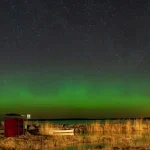
📷 Featured image by Nikita Sergejev on Unsplash.