On this page
- What Makes Setomaa Different from the Rest of Estonia
- The Seto People — Language, Faith, and the Queen Tradition
- Where to Go — Villages, Sacred Sites, and Border Landscapes
- Setomaa’s Food Scene — What to Eat and Where to Find It
- Getting to Setomaa in 2026
- Day Trip or Overnight?
- 2026 Budget Reality
- Frequently Asked Questions
💰 Click here to see Estonia Budget Breakdown
💰 Prices updated: October, 2026. Budget figures are estimates — always verify before travel.
Exchange Rate: $1 USD = €0.88
Daily Budget (per person)
Shoestring: €40.00 – €70.00 ($45.45 – $79.55)
Mid-range: €120.00 – €250.00 ($136.36 – $284.09)
Comfortable: €300.00 – €900.00 ($340.91 – $1,022.73)
Accommodation (per night)
Hostel/guesthouse: €15.00 – €40.00 ($17.05 – $45.45)
Mid-range hotel: €60.00 – €150.00 ($68.18 – $170.45)
Food (per meal)
Budget meal: €15.00 ($17.05)
Mid-range meal: €35.00 ($39.77)
Upscale meal: €100.00 ($113.64)
Transport
Single metro/bus trip: €2.00 ($2.27)
Monthly transport pass: €30.00 ($34.09)
Setomaa sits in Estonia’s southeastern corner, pressed against the Russian border, and most travel apps still treat it like a blank space. In 2026, there are no motorway signs directing you here, no tourist train, and the villages don’t have visitor centres handing out glossy maps. What Setomaa does have is a living culture that has survived Soviet occupation, border redrawings, and decades of rural depopulation — and it remains one of the most genuinely distinctive places in the entire Baltic region. Getting here takes a little planning. Getting under its skin takes a little patience. Both are completely worth it.
What Makes Setomaa Different from the Rest of Estonia
Most of Estonia feels Nordic — restrained, forested, quietly Lutheran. Setomaa feels like somewhere else entirely. The landscape shifts here: the flat plains give way to low hills, scattered farms, and an almost southern European sense of time. The villages are small and spread wide, connected by gravel roads that wind through stands of pine and alongside narrow lakes. The border with Russia runs just kilometres to the east, and you feel it — not in a threatening way, but in the way the region carries a particular historical weight that most of Estonia doesn’t.
Setomaa was never fully absorbed into Estonian mainstream culture the way other regions were. It developed its own visual language: bold geometric patterns on textiles, heavy silver jewellery worn by women at festivals, and a style of wooden farmstead architecture that looks unlike anything you’ll find in Tallinn or Tartu. The region spans parts of Põlva and Võru counties, with the town of Võru often serving as the practical gateway. Since 2021, local municipalities have formally organised under the Setomaa Rural Municipality, which gives the region a unified administrative identity for the first time — a small but meaningful step for cultural preservation funding.
The Seto People — Language, Faith, and the Queen Tradition
The Seto are a distinct indigenous people, not simply Estonians who happen to live near the Russian border. Their language — Seto — is related to Estonian but different enough that an Estonian from Tallinn won’t understand it without exposure. It has its own grammar, its own oral tradition, and its own song form called leelo, a polyphonic choral style that UNESCO added to its Intangible Cultural Heritage list in 2009. You can hear leelo performed at festivals, and occasionally in villages if you arrive at the right moment — it sounds ancient in the best possible sense, layered and cyclical, unlike anything in Western choral music.

Religion is another defining difference. While most Estonians are either Lutheran or non-religious, the Seto practice Russian Orthodox Christianity, mixed with older animist folk beliefs. The result is a spiritual life that feels genuinely syncretic — Orthodox icons hang alongside hand-carved wooden figures, and certain springs and trees still carry ritual significance. The monastery of Petseri (Pechory in Russian) was historically the most sacred Seto site, but it has been on Russian territory since 1945 when the border was redrawn. Many Seto still consider it their spiritual heart, even though visiting it now requires crossing an international border and is effectively impossible for most Western passport holders in 2026.
The Kingdom of Seto is not a political entity but a living cultural institution. Each year, usually in August, the Seto elect their Ülemaaemä — the Queen Mother — at the Seto Kingdom Day (Seto Kuningriigi Päev). This is the single most important festival in the Setomaa calendar. Thousands gather in a village, women wear full traditional dress with silver breastplate ornaments called sõlg, leelo choirs sing, and the kingdom’s symbolic leadership is renewed. If your visit coincides with this event, prioritise it above everything else.
Where to Go — Villages, Sacred Sites, and Border Landscapes
The village of Obinitsa is the cultural centre of Setomaa and the first place to orient yourself. It has a small but well-curated Seto museum (Obinitsa Muuseum) that covers leelo, traditional dress, and the region’s border history without oversimplifying any of it. The staff genuinely know the material — this isn’t a generic regional folklore exhibit.
From Obinitsa, drive or cycle south to Meremäe, a hilltop village with views stretching east toward Russia on clear days. The silence up there on a cool morning — just wind through spruce trees and the faint sound of a tractor somewhere in the distance — is the kind of quiet that resets something in your chest. Stop at the Meremäe observation tower for the full panorama.
Värska, on the western shore of Lake Pihkva (Lake Peipus), is the largest settlement in the region and worth a half-day. The lake here is enormous — more like an inland sea — and the light on the water in late afternoon has a particular gold quality that photographers talk about for good reason. Värska also has a sanatorium tradition going back to Soviet times, when mineral spring water was considered medically significant. Some locals still collect the water from taps near the town centre.

The Piusa River valley, to the southwest, offers short hiking trails through a landscape of sand caves carved out by historic glass-sand mining. Bats roost in the caves in significant numbers — one of Estonia’s largest bat colonies. The site is protected, and access to the caves themselves is restricted to guided visits, but the surrounding forest trails are open year-round.
Setomaa’s Food Scene — What to Eat and Where to Find It
Setomaa’s food culture hasn’t been packaged for tourists, which means you’ll eat better here than at most places marketed as “authentic.” The staple is dark rye bread, baked dense and slightly sour, with a crust that crackles when you press it. Find it at the Obinitsa village shop or at farm stalls during festival season — the earthy, almost caramel smell of a fresh loaf cooling on a wooden board is the scent memory you’ll carry home.
Traditional Seto dishes include verivorst (blood sausage, especially in winter), seto hapukapsasupp (sauerkraut soup with pork), and various preparations of freshwater fish from Lake Peipus — particularly perch and pike. Lake Peipus fish has a clean, mild flavour that bears no resemblance to farmed fish. Smoked versions are sold from wooden stalls along the lakeshore near Värska.
For a sit-down meal, Seto Talumuuseum (Seto Farm Museum) in Värskas occasionally runs catered meals for groups during summer — worth calling ahead. The café at Obinitsa museum serves coffee and local pastries on weekdays. Outside of festival season, dining options are limited, so come prepared. A small cooler bag with provisions from Võru or Põlva before you drive into the villages is a genuinely practical approach.
Getting to Setomaa in 2026
There is no direct rail service into Setomaa. The closest train station on the Tallinn–Tartu–Põlva line is Põlva, roughly 40 kilometres from Obinitsa. From Põlva, you’ll need either a rental car, a taxi, or one of the infrequent regional buses. Lux Express and Ecolines connect Tallinn and Tartu to Võru regularly — the Tartu–Võru leg takes about 90 minutes by bus. From Võru, local buses run to Värska and Obinitsa, but services are limited to two or three departures a day and none on Sundays.

The practical answer in 2026 is a rental car. Pick one up in Tartu (the most convenient base) and drive southeast — Obinitsa is about 100 kilometres from central Tartu, roughly 90 minutes on decent secondary roads. The roads inside Setomaa itself are a mix of paved and gravel, all navigable in a standard hatchback. Google Maps covers the area reliably now, though it will occasionally route you down tracks that are technically roads but barely.
Rail Baltica, the major infrastructure project reshaping travel across the Baltics, does not directly benefit Setomaa. Its corridor runs through western Estonia. For this corner of the country, personal transport remains the only genuinely flexible option.
Day Trip or Overnight?
A day trip from Tartu is feasible — you can cover Obinitsa, Meremäe, and Värska in a long day if you start before 9am. But Setomaa rewards an overnight stay in a way that few Estonian destinations do. The evening light on the lake, the quiet of the villages after day-trippers leave, the chance to catch a leelo rehearsal or a local gathering — none of that is available on a tight day schedule.
Accommodation is genuinely limited. A handful of farmstay guesthouses operate in the region — Pähkli Talu near Värska and a few others bookable through the Visit Estonia platform. Capacity is small; book weeks ahead during festival season. Alternatively, base yourself in Võru (about 35 kilometres away), which has standard hotel and guesthouse options at lower prices, and drive in each day. Võru is a pleasant small town in its own right and offers evening dining options that Setomaa cannot.
For a first visit, one night inside Setomaa and a second night in Võru is a good balance. For anyone interested in Seto culture specifically, two full days in the region is the minimum to feel like you’ve gone beyond the surface.
2026 Budget Reality
Setomaa is one of the most affordable parts of Estonia to visit, largely because the tourism infrastructure is thin. There are no luxury hotels and no overpriced “experience packages.”

- Budget: Camping at designated sites near Värska or staying in a basic farmstay room — around €25–40 per night. Self-catered food from local shops — €10–15 per day. Total daily spend: €35–55.
- Mid-range: A farmstay guesthouse with breakfast included — €55–80 per night. Meals at the museum café plus provisions for lunch — €20–30 per day. Car rental from Tartu — €40–55 per day. Total daily spend: €115–165.
- Comfortable: Basing yourself in Võru at a well-reviewed guesthouse (€70–100 per night) and driving to Setomaa. Adding a guided cultural tour — these exist in 2026 through local operators in Võru and cost €40–70 per person for a half-day. Total daily spend: €150–220.
Museum entry fees are modest — Obinitsa Muuseum charges around €5 per adult. Seto Kingdom Day festival entry in 2026 is free, though some individual events or performances within the festival may have a small charge. Fuel costs from Tartu and back add roughly €15–20 for a standard car.
Frequently Asked Questions
Is Setomaa safe to visit given its proximity to the Russian border?
Yes, completely. The border is a legal international boundary with standard EU controls on the Estonian side. There are no active tensions affecting civilian movement within Setomaa itself. The closest crossing point is at Koidula, used mainly for freight. Tourists travel freely throughout the region without any security concerns.
When is the best time of year to visit Setomaa?
Late June through August covers the main festival season, including Seto Kingdom Day. Spring (May–June) is beautiful and crowd-free, with wildflowers along the river valleys. Winter visits are quiet and atmospheric but require good cold-weather preparation — temperatures regularly drop below −10°C and some guesthouses close seasonally.
Do I need to speak Estonian or Seto to get around?
English works in most practical situations — at museums, guesthouses, and with younger locals. Older residents in smaller villages may only speak Seto, Russian, or Estonian. A few basic Estonian phrases go a long way in terms of goodwill. Translation apps handle Estonian well in 2026 if you need backup.
Can I visit the Petseri monastery from Setomaa?
Not in practice for most visitors in 2026. The monastery is in Pechory, Russia, requiring a Russian visa and border crossing at Koidula. Given current EU travel restrictions and the political situation, this is not a realistic option for citizens of most Western countries. The Seto cultural connection to Petseri is acknowledged and discussed at the Obinitsa museum.
What is leelo and where can I hear it performed?
Leelo is the traditional Seto polyphonic choral singing style, recognised by UNESCO as Intangible Cultural Heritage. It involves multiple voices layering repeating melodic lines without fixed harmony in the Western sense. You can hear it performed at Seto Kingdom Day, at occasional village gatherings, and sometimes at Obinitsa museum events — check the museum’s programme before visiting.
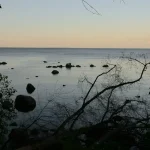
📷 Featured image by Kristiina Klaas on Unsplash.