💰 Click here to see Estonia Budget Breakdown
💰 Prices updated: October, 2026. Budget figures are estimates — always verify before travel.
Exchange Rate: $1 USD = €0.88
Daily Budget (per person)
Shoestring: €40.00 – €70.00 ($45.45 – $79.55)
Mid-range: €120.00 – €250.00 ($136.36 – $284.09)
Comfortable: €300.00 – €900.00 ($340.91 – $1,022.73)
Accommodation (per night)
Hostel/guesthouse: €15.00 – €40.00 ($17.05 – $45.45)
Mid-range hotel: €60.00 – €150.00 ($68.18 – $170.45)
Food (per meal)
Budget meal: €15.00 ($17.05)
Mid-range meal: €35.00 ($39.77)
Upscale meal: €100.00 ($113.64)
Transport
Single metro/bus trip: €2.00 ($2.27)
Monthly transport pass: €30.00 ($34.09)
Plenty of visitors arrive in Tartu expecting a sleepy university town, then find that every club they Googled has a different opening day, a Facebook-only lineup and no clear address. In 2026, most nightlife information is scattered across Instagram stories and event pages. This guide shows you where the dancing actually happens, so you can plan one good night instead of wandering between closed doors.
Where Tartu’s Night Happens
Tartu is small. The nightlife sits in a tight zone around the Old Town, between Town Hall Square, the Emajõgi riverbank and the streets running toward Toome Hill. You can walk between most venues in ten minutes, so you rarely need a taxi to move from one place to the next.
Rüütli and Ülikooli streets hold the densest cluster of bars and small clubs. The riverside area near the Vabaduse bridge is quieter, with terraces that fill up in summer. A little further out, the creative district around Aparaaditehas hosts event nights that feel more like warehouse parties than classic clubbing.
Walk through the centre around midnight on a Friday and you will hear bass leaking from basement doors. Groups in winter coats stand outside in the cold, breath showing under the street lamps. That is the signal that the night has properly started.
Big-Room Dancing: The Mainstream Clubs
If you want a loud dance floor, a DJ booth and a crowd that knows the hits, look for the larger town-centre clubs such as Club Atlantis. These venues usually play pop, house, remixes and Estonian and Russian-language party tracks. The crowd skews young, often university students, and the energy peaks between 1 and 3 a.m.
Expect a dark room, a packed bar and a coat check you will be glad to use in winter. Smoke machines and strobes are standard. Most of these clubs close between 4 and 6 a.m., so “until dawn” is realistic, especially in summer when the sky starts to lighten around 4 a.m.
Programming changes often. Some venues run a full club night only on Friday and Saturday, with themed events on other days.
Alternative Nights: Indie, Electronic and Live Sets

Tartu is also known as a creative city, and its less mainstream venues show it. Genialistide Klubi on Rüütli street is a long-running spot where concerts, DJ nights and quirky themed parties share the same room. The crowd is a mix of students, artists and locals in their thirties who want more than a pop playlist.
Aparaaditehas, the former factory complex turned arts hub, hosts event-based nights. These can range from techno and drum and bass to live bands followed by a DJ. The atmosphere is raw: concrete walls, low lighting and the warm smell of food from nearby stalls on busy event weekends.
Since Tartu’s year as European Capital of Culture in 2024, the independent scene has stayed more active than it used to be. Promoters are still booking regional and international DJs, and the city’s event calendar is worth checking before you decide where to go.
Timing Your Night: Days, Hours and Seasons
Tartu is a student city, so the calendar matters more than in Tallinn. Thursday is often the real start of the weekend, with student-focused nights and cheap drinks. Friday and Saturday are the biggest, with the dance floors filling after midnight.
During the academic year, from September to December and February to May, the clubs are at their liveliest. Student celebrations in spring, especially around late April and May, bring the biggest crowds and extra events. In summer, many students go home and the city feels calmer, but terraces and outdoor parties make up for it.
- Doors open: usually 10 or 11 p.m.
- Best arrival time: around midnight to 12:30 a.m. for a lively floor.
- Peak hours: 1 to 3 a.m.
- Closing time: often 4 to 6 a.m., depending on the venue and the night.
Warm-Up Spots Before the Club
Locals rarely go straight to a club. They start in a bar, eat something and arrive when the dance floor has filled up. This also saves money, because pre-club drinks are cheaper than club bar prices.
Püssirohukelder on Lossi street is a good first stop. It is a vaulted cellar with thick stone walls, and the cool air and candlelight make it feel far from a typical nightclub. Its beer and live music make it a natural meeting point for groups. Around Rüütli street, smaller pubs and cocktail bars stay open late and are easy to hop between.

If you want to eat first, look for places around Town Hall Square that serve until late. A plate of hot food at 10 p.m. makes a long night easier.
2026 Budget Reality
Prices have risen slightly since 2024, mostly because of higher alcohol taxes and staff costs. Tartu is still noticeably cheaper than Tallinn for a night out. These are typical ranges for one person in 2026.
- Budget (€20–€35): pre-drinks at a pub (two beers at €4–€5 each), cover charge of €0–€8 at a student night, one drink at the club, and a shared taxi home.
- Mid-range (€40–€70): a proper dinner (€12–€20), two cocktails at €9–€12 each, club entry of €8–€15, and a few more drinks inside.
- Comfortable (€80–€130): a table at a restaurant, bottle or table service at a larger club where available, cocktails all night, a coat check, and taxis both ways.
Typical club drinks: beer €4–€6, spirits with a mixer €6–€9, cocktails €9–€13. Coat check is usually €1–€2. Most venues accept cards, but keep a little cash for the cloakroom and small cover charges.
Door Rules and Safety
You must be 18 or older, and venues check ID strictly. Carry your passport or national ID card, because a photo of it on your phone is often not accepted. Some clubs set a higher age limit on certain nights, such as 20 or 21 for special events.
The dress code is relaxed. Clean sneakers and a good jacket work almost everywhere. Sports clothing, flip-flops and very casual outfits can be refused at the larger venues. Staff can also deny entry if you look too intoxicated, so pace yourself during pre-drinks.
Tartu is generally safe at night. The usual rules apply: watch your drink, keep your phone in an inside pocket and stay with your group. In winter, the biggest risk is ice, so wear shoes with grip. Pavements near the river can be slippery after midnight.
Getting Home After 3 A.M.
City buses stop running at night, so plan your return before you go out. Taxi apps such as Bolt work well in Tartu, and a ride within the centre usually costs €4–€8. Prices rise at closing time, so booking a few minutes early or walking a block away from the club door often helps.
If your hotel or hostel is in the Old Town, walking is usually the simplest option, and takes 5 to 15 minutes. Tartu’s shared bikes are fine for daytime, but not a good idea after a long night of drinking.

For food after the club, some fast-food places and kebab spots in the centre stay open late on weekends. The smell of hot fries and grilled meat on a cold street at 4 a.m. is a small ritual in Tartu. If you are coming from Tallinn, remember that night buses are limited, so book a bed in Tartu rather than planning to travel back at dawn.
Frequently Asked Questions
What days are best for clubbing in Tartu?
Friday and Saturday are the biggest nights, with full dance floors after midnight. Thursday is popular with students and often has cheaper drinks. During the academic year, you will find more events and bigger crowds than in the summer months, when many students leave the city.
What time do Tartu clubs close?
Most major clubs close between 4 and 6 a.m. on weekends, although this depends on the venue and the event. Smaller bars may close earlier, around 2 or 3 a.m. Always check the venue’s social media on the day, because opening hours can change for special events.
How much does it cost to enter a club in Tartu?
Entry in 2026 is usually between €0 and €15. Student nights and early arrivals are often free or cheap, while guest DJ events and ticketed parties cost more. Some venues sell tickets online in advance, which can be cheaper than paying at the door.
Is Tartu nightlife safe for tourists?
Yes, Tartu is generally safe, and the compact centre makes it easy to get home. Take the usual precautions: watch your drink, keep valuables close and use licensed taxi apps. In winter, be careful of icy pavements. Carry ID, because security staff check it at every club door.
Do I need to speak Estonian to enjoy Tartu’s clubs?
No. Staff and most guests speak English, especially younger people and students. Club music is a mix of international hits, electronic sets and some Estonian and Russian tracks. Menus and event pages are often available in English, and basic politeness is enough to feel welcome.
Explore more
The Ultimate Tartu Food Guide: Where to Eat, Drink, and Indulge
Your Guide to the Best Day Trips from Tartu: Otepää, Setomaa & Beyond
Your Essential Tartu Travel Guide: Top Tips for a Memorable Trip
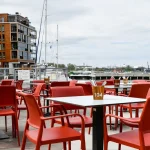
📷 Featured image by Anastasiia R. on Unsplash.