💰 Click here to see Estonia Budget Breakdown
💰 Prices updated: October, 2026. Budget figures are estimates — always verify before travel.
Exchange Rate: $1 USD = €0.88
Daily Budget (per person)
Shoestring: €40.00 – €70.00 ($45.45 – $79.55)
Mid-range: €120.00 – €250.00 ($136.36 – $284.09)
Comfortable: €300.00 – €900.00 ($340.91 – $1,022.73)
Accommodation (per night)
Hostel/guesthouse: €15.00 – €40.00 ($17.05 – $45.45)
Mid-range hotel: €60.00 – €150.00 ($68.18 – $170.45)
Food (per meal)
Budget meal: €15.00 ($17.05)
Mid-range meal: €35.00 ($39.77)
Upscale meal: €100.00 ($113.64)
Transport
Single metro/bus trip: €2.00 ($2.27)
Monthly transport pass: €30.00 ($34.09)
Every summer, the ferries to Saaremaa and Hiiumaa fill up weeks ahead, and the popular spots feel busier than they did a few years ago. If you want an Estonian island without the queues, Vormsi is the answer. It sits just off the west coast, about 45 minutes by ferry from the mainland, and in 2026 it still has fewer than 500 permanent residents, almost no traffic and a lot of space.
Why Vormsi Feels Different
Vormsi is Estonia’s fourth-largest island, but it feels much smaller. The land is flat and covered in pine forest, juniper meadows and farmland, with stone walls running between fields. The coast is rocky and shallow, dotted with boulders left by glaciers.
What sets Vormsi apart is its history. For centuries it was home to Estonian Swedes, who called the island Ormsö. They arrived in the Middle Ages and kept their own dialect, customs and church life until most left in 1944 as the war reached Estonia. Their traces are everywhere: Swedish-style place names such as Sviby and Rumpo, old farmsteads, and a cemetery with distinctive wooden and iron crosses. It is a quiet place where you can feel that history rather than read about it.
Getting to Vormsi
The only way to reach Vormsi is by ferry from Rohuküla, a small port about 10 km from Haapsalu. The ferry docks at Sviby on Vormsi’s eastern side. The crossing takes roughly 45 minutes, and the number of daily departures changes with the season, so check the current timetable before you plan anything.
From Tallinn, Rohuküla is about 100 km away, roughly 1 hour 40 minutes by car. Without a car, take a long-distance bus from Tallinn to Haapsalu, then a local bus to the ferry port. There is no passenger rail to Haapsalu, so buses are the practical option. Allow extra time for the transfer.
If you bring a car, book your ferry space online, especially from June to August and on Friday evenings. Foot passengers and cyclists usually have an easier time, but booking ahead is still smart in peak season.
Getting Around the Island
Vormsi is about 92 square kilometres, and the terrain is nearly flat, which makes cycling the best way to see it. Bike hire is available through guesthouses and local operators, but spaces are limited. Reserve one before you arrive, or bring your own on the ferry.

Many roads are gravel. A sturdy touring or hybrid bike is more comfortable than a thin-tyred road bike. Distances between villages are short, usually 5 to 12 km, so you can reach most places in under an hour.
There is also a small island bus that connects with the ferry. It is useful for reaching your accommodation, though it will not take you to every corner. A car gives you more freedom, but you may not need it. Some guesthouses will pick you up from the port if you ask in advance.
What to See and Do
Hullo and the Old Church
Hullo is the main village and the island’s centre. Start at St Olaf’s Church, a medieval stone church with thick walls and a calm, plain interior. Nearby is the Estonian Swedish cemetery, where the old crosses lean slightly and moss covers much of the stone. The air smells of pine resin and cold stone, and you will often have the place to yourself.
Saxby Lighthouse and the Coast
The Saxby lighthouse is one of Vormsi’s best-known landmarks. It stands near the shore on a stretch of quiet coastline where the sea is shallow and the wind carries a salty, seaweed smell. It makes a good cycling destination and a good spot for photographs near sunset.
Walking and Nature
Vormsi is a strong choice for slow walking. The Rumpo area has coastal meadows and juniper heath, where the ground is springy underfoot and the light is soft in the evening. Birdwatching is excellent in spring and autumn when migrating birds stop on the island. You will also find forest trails, small beaches and RMK campfire sites. Bring insect repellent from late spring through summer.
Swimming and Sauna
Sandy beaches are rare here. Most swimming spots are shallow, with rocks and seaweed, so water shoes help. Many guesthouses have saunas, and a sauna followed by a dip in cold sea water is a very Estonian way to end the day.
Where to Eat and Drink
Vormsi is not a restaurant destination. The food scene is small, seasonal and often run by families. Hullo has the island’s main shop and a few places to eat, but opening hours shrink outside summer, and some places close entirely in winter.

Plan your meals in advance. Many guesthouses serve breakfast and will cook dinner if you ask early. Expect simple, local dishes: smoked or grilled fish, dark rye bread, potatoes, local cheese and berries in season. Some farms sell honey, jam or baked goods from roadside stands, often on an honesty system, so carry a little cash.
Bring snacks and drinks from the mainland if you have specific dietary needs, because the island shop’s selection is limited. Do not count on late-night dining. Most kitchens close early.
Day Trip or Overnight?
You can visit Vormsi as a day trip from Tallinn, but it is a long day. You need to leave early, take the morning ferry, and return on the last boat. That gives you only a few hours on the island, which is enough for a bike ride, Hullo and a lighthouse stop, but not enough to relax.
An overnight stay is much better. You get a slower morning, a chance to see the island after the day visitors leave, and time for a sauna or a long walk. Two nights is ideal if you want to cycle the whole island at an easy pace.
Choose a day trip if you are short on time or travelling with a tight schedule. Choose an overnight stay if you want the quiet that makes Vormsi special.
2026 Budget Reality
Vormsi is not expensive, but small-island logistics add costs. These are typical ranges for 2026 and may vary by season.
- Budget (€45–70 per day): camping or a simple guesthouse room (€15–50), self-catered meals, foot passenger ferry (about €3–6 each way), and your own bike.
- Mid-range (€90–150 per day): private guesthouse room (€60–100), bike hire (€10–20 a day), two meals at local places (€15–30 each), and a car or taxi transfer if needed.
- Comfortable (€170–250+ per day): a well-equipped cottage or boutique stay (€110–180), prepared dinners, a car on the ferry (typically €15–30 each way, more in peak season), and private sauna or guided activities.
Card payments are now common across Estonia, but small farm stands and some island services still prefer cash. Carry €30–50 in small notes.
When to Go
June to August has the warmest weather, the longest days and the most ferry departures. Daytime temperatures usually sit around 18–23°C, and the sea is at its warmest. This is also the busiest time, so book early.

May and September are the sweet spot. The island is quiet, the air is fresh and the birdlife is active. Winter is very still and dark, with frost on the meadows and some businesses closed. Visit then only if you want solitude and have booked your stay and transport carefully.
Frequently Asked Questions
How do I get to Vormsi from Tallinn?
Drive or take a bus to Rohuküla, near Haapsalu, which takes about 1 hour 40 minutes by car. From there, take the ferry to Sviby on Vormsi. The crossing takes roughly 45 minutes. Book car spaces ahead in summer and check the latest timetable.
Do I need a car on Vormsi?
No. Vormsi is flat and compact, so a bike is the best way to explore it. A small island bus connects with the ferry, and many guesthouses can arrange pickups. A car gives more flexibility, but it adds ferry costs and requires advance booking.
Is Vormsi worth visiting for one day?
Yes, but only if you start early. A day trip lets you see Hullo, the church and the lighthouse by bike. It leaves little time to relax. If you can spare a night, you will see a much calmer and more rewarding side of the island.
What is Vormsi known for?
Vormsi is known for its Estonian Swedish heritage, quiet coastline, juniper meadows and peaceful atmosphere. Highlights include St Olaf’s Church, the old cemetery with its distinctive crosses, and Saxby lighthouse. It is popular with cyclists, walkers and visitors looking for a slow trip.
Can I stay on Vormsi in winter?
Yes, but services are limited. Ferries run less often, and many cafés, shops and guesthouses close or reduce hours. If you go, book accommodation and ferries in advance, confirm meal options, and pack warm clothes. Winter suits visitors who want silence, frosty walks and very few people.
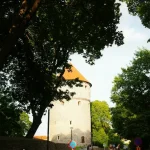
📷 Featured image by Margo Evardson on Unsplash.