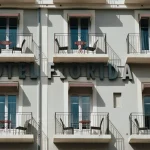
Many travellers skip Estonia in November because they expect grey skies, closed attractions and nothing to do after 4 p.m. The month is darker, yes, but it is also quiet, cheaper and full of local rituals that summer visitors never see. Here is how to plan a November 2026 trip so the short days work for you, not against you.
What November Actually Feels Like
Expect daytime temperatures of roughly 1–5°C in Tallinn and slightly colder inland, with nights around 0°C or below. Rain, wet sleet and strong sea wind are more common than deep snow. The first lasting snow often arrives later, in December or January, though a dusting can come at any time.
Daylight is the real shift. Clocks in Estonia go back on 25 October 2026, so early November sunsets arrive around 4:30 p.m. By the end of the month, daylight shrinks to under seven hours. Plan outdoor activities between about 9 a.m. and 3 p.m., and save museums, cafés and saunas for the dark hours.
The upside is atmosphere. Walk through Tallinn’s Old Town in the late afternoon, when the cobblestones are wet and shine under yellow street lamps, and you will understand why locals call this season hubane, a kind of moody cosiness.
What to Pack for Damp Cold
Estonians say there is no bad weather, only bad clothing. Follow that rule and you will be fine.
- Waterproof shoes with grip. Cobblestones and wet leaves get slippery fast.
- Layers. Wear a thermal base, a wool or fleece mid-layer, and a windproof, waterproof outer jacket.
- Hat, gloves and a scarf. Sea wind in Tallinn and Pärnu cuts through thin clothing.
- Wool socks. Buy a pair of local hand-knitted ones if you forget. Souvenir stalls near Viru Gate and in the Old Town sell them.
- A small headlamp or phone torch for forest and bog trails late in the day.
- Swimwear. You will want it for saunas and spa hotels.
Old Traditions That Fall in November
November is when Estonia’s folk calendar comes alive. These customs are long established and still alive today, especially in schools and rural communities.

Mardipäev (St. Martin’s Day), 10 November
Traditionally the start of the winter season. Children and adults dress up, often in white or in simple costumes, and go from door to door singing and wishing households good luck. Some families cook a festive meal that includes pork or other hearty dishes. In 2026 it falls on a Tuesday, so you are most likely to see events at schools, kindergartens and folk centres.
Kadripäev (St. Catherine’s Day), 25 November
This is the female counterpart to Mardipäev. Costumes tend to be more colourful, and traditionally people dressed in light shades and visited neighbours in the same spirit. In 2026 it falls on a Wednesday.
Isadepäev (Father’s Day), 8 November
Estonia celebrates Father’s Day on the second Sunday of November. Restaurants may be busier than usual with families, so book dinner in advance if you are travelling that weekend.
Tallinn in Early Winter
Tallinn is at its best in November for slow travel. The Old Town is a UNESCO World Heritage site, and the crowds of summer cruise passengers are mostly gone. You can walk Vene Street or climb to the Toompea viewing platforms without queueing for a photo.
Indoor options are strong. Spend an afternoon at Kumu Art Museum, the Estonian Maritime Museum’s Seaplane Harbour, or the Estonian Open Air Museum if you want a quieter outdoor visit among old farmsteads. Check opening hours before you go, as some sites shorten their winter schedule.
Telliskivi Creative City and the Rotermann Quarter are good for cafés, small shops and design stores when the weather turns. Step inside a coffee shop, hang your wet coat by the door, and order something with cardamom or cinnamon. The windows steam up and the room smells of baked buns.
Two seasonal events are worth checking. The Tallinn Black Nights Film Festival (PÖFF) is traditionally held from mid-November into early December, and screenings bring a lively crowd out on dark evenings. Tallinn’s Christmas Market on Town Hall Square usually opens in late November or the first days of December. Confirm exact dates on the official websites before you set your travel days.
Beyond the Capital
Tartu is Estonia’s student city, and November suits it. University life is in full swing, and the cafés, bars and bookshops are busy. Walk along the Emajõgi River in the afternoon, then warm up in the Estonian National Museum, which has a strong exhibition on everyday Estonian life.

Lahemaa National Park is about an hour’s drive east of Tallinn. On a clear morning, frost crunches underfoot on the forest trails, and the manor houses at Palmse and Sagadi are quiet. Bring a flask, and be back at your car before dusk.
Bogs are surprisingly good in late autumn. Boardwalk trails such as those in Viru bog (Lahemaa) pass through rust-brown moss and still pools under low light. Stay on the boardwalks, as ground off the path is wet and unstable.
Spa towns like Pärnu and Haapsalu lean into the off-season. Spa hotels offer pools, treatments and sea views, and many drop prices in November compared to summer. A spa weekend is one of the easiest ways to enjoy early winter without needing good weather.
Sauna and Comfort Food
Sauna is not a luxury in Estonia. It is a weekly habit. In November, a sauna session after a cold walk makes the whole trip feel right. Smoke saunas, a UNESCO-recognised tradition in south-eastern Estonia, smell of birch smoke and warm wood. Many guesthouses and spa hotels across the country also offer private saunas you can book by the hour.
Food is built for cold weather. Look for:
- Dark rye bread (leib), dense and slightly sweet, served with butter or smoked fish.
- Hearty soups, including pea soup and creamy fish soup, at many traditional restaurants.
- Mulled wine (glögi), usually served at seasonal markets and cafés.
- Kama, a fine roasted grain flour mixed into yogurt or kefir, often used in desserts.
- Vana Tallinn, a rum-based liqueur that people add to coffee or hot chocolate.
November 2026 Budget Reality
November is low season, which helps your wallet. The ranges below are estimates for Tallinn, so expect somewhat lower prices in smaller towns and higher ones for premium spa hotels or on peak weekends.
- Budget: hostel dorm €20–35 per night, lunch special €8–12, local transport and free walking €5–10 per day. Total about €45–70 per day.
- Mid-range: 3–4 star hotel or good guesthouse €70–120 per night, dinner with a drink €20–35, a museum or two and a sauna session €15–40. Total about €110–180 per day.
- Comfortable: boutique or spa hotel €150–250 per night, tasting-menu or fine dining €50–90 per person, private sauna, taxis, and spa treatments. Total about €250–400 per day.
Card payments, including contactless and phone payments, are accepted almost everywhere, so you rarely need much cash.

Getting Around When the Days Are Short
Tallinn is compact, and trams, buses and trolleybuses cover the city. Ride-hailing apps such as Bolt, an Estonian company, are common and often cheaper than street taxis. Intercity buses between Tallinn, Tartu and Pärnu run throughout the year and are reliable, and a ferry from Helsinki to Tallinn takes roughly two hours if you are combining the two capitals.
A rental car gives you freedom for Lahemaa or the countryside, but be aware that roads can be wet, icy or slippery in the morning. Winter tyres are required by law during the winter period, and rental cars should come equipped. Confirm this when you book. Plan to drive in daylight where you can, and allow extra time between sights.
Frequently Asked Questions
Is November a good time to visit Estonia?
Yes, if you like quiet streets, cosy cafés, saunas and lower prices. It is not a beach or hiking-in-sunshine month. Days are short and often grey, but cultural events, spa hotels and the first festive lights make it a rewarding, relaxed time to visit.
Will it snow in Estonia in November?
Possibly, but not reliably. Early November is usually wet and cold, with rain or sleet more common than deep snow. Light snow can fall anywhere, especially inland and in the later weeks. Lasting snow cover is more typical in December to February.
How many hours of daylight are there in November?
In Tallinn, roughly eight hours at the start of the month, dropping to under seven by the end. Sunset comes around 4:30 p.m. early on, and earlier by late November. Plan outdoor sightseeing for late morning and early afternoon, and indoor activities for the evening.
When does the Tallinn Christmas Market open?
It usually opens in late November or the first days of December on Town Hall Square. Exact dates change each year, so check the official Tallinn tourism or market website before you book. If seeing it matters to you, plan to arrive in the final days of November or in December.
What should I do in Estonia in November?
Mix city and nature. Visit Tallinn’s Old Town and museums, try a sauna, and spend a night at a spa hotel in Pärnu or Haapsalu. Take a daytime walk in Lahemaa or a bog boardwalk, then warm up with rye bread, soup and mulled wine.
Explore more
Estonian Saunas in November 2026: A Warm Escape from the Cold
Exploring Estonia’s Forests in October 2026: An Autumn Nature Walk
Estonian Folklore and Legends: Spooky Tales for October 2026
📷 Featured image by Maksim Shutov on Unsplash.