💰 Click here to see Estonia Budget Breakdown
💰 Prices updated: November, 2026. Budget figures are estimates — always verify before travel.
Exchange Rate: $1 USD = €0.89
Daily Budget (per person)
Shoestring: €45.00 – €70.00 ($50.56 – $78.65)
Mid-range: €120.00 – €170.00 ($134.83 – $191.01)
Comfortable: €250.00 – €420.00 ($280.90 – $471.91)
Accommodation (per night)
Hostel/guesthouse: €10.00 – €60.00 ($11.24 – $67.42)
Mid-range hotel: €50.00 – €120.00 ($56.18 – $134.83)
Food (per meal)
Budget meal: €8.00 ($8.99)
Mid-range meal: €25.00 ($28.09)
Upscale meal: €60.00 ($67.42)
Transport
Single metro/bus trip: €2.00 ($2.25)
Monthly transport pass: €30.00 ($33.71)
Most visitors in 2026 treat Viljandi as a two-hour stop: walk the castle ruins, cross the suspension bridge, take a photo, and get back on the bus. Or they arrive in late July, when the folk festival fills every bed in town and the hills are packed. Both ways miss the real town. Viljandi is a small place of about 17,000 people with a lake, a strong art and music culture, and an easygoing pace, and it is at its best on an ordinary weekday.
The Lake Loop Most Visitors Skip
The castle hills sit on the edge of Viljandi Lake, and most people only see the lake from above. Walk down instead. A path runs around the water, roughly 8 to 10 km in total, and you can do it in about two and a half hours at an easy pace. The paths are flat and well kept, so you do not need hiking gear.
Start from the castle hill and cross the suspension bridge. It sways a little under your feet, and in the morning you can smell wet grass and lake water rising from below. Then keep going along the shore, past small beaches and fishing spots, until the town fades behind the trees. Locals jog here before work, and in summer they swim from the lakeside beaches. In winter the lake freezes and people walk, skate and cycle on the ice when it is thick enough. Check local conditions first, because safe ice is never guaranteed.
You do not have to do the whole loop. A shorter walk along the near shore and back through the park gives you the same quiet view in under an hour.
Naive Art at the Kondas Centre
The Kondas Centre is dedicated to Paul Kondas and to Estonian naive art, a style of painting that is direct, colourful and made without formal training. It is small, so you can see it in about an hour. The paintings show village life, animals, dreams and strange fantasy scenes in bright, flat colours. They feel more honest than much polished gallery work.
This is the right stop on a rainy day, and it is rarely crowded. Tickets are usually around 5 to 7 EUR. Opening hours change by season, so check before you go, especially on Mondays.
Where Folk Music Lives the Other 360 Days
Viljandi is Estonia’s folk music capital, and the festival is only the loudest part of that. The University of Tartu Viljandi Culture Academy trains musicians, dancers and cultural workers, so the town has a young, creative crowd all year. You will hear it. A student might be practising a kannel (a traditional plucked string instrument) or a fiddle in an open window as you walk by.
The Estonian Traditional Music Centre runs concerts, workshops and events outside the festival. Check its calendar before you plan your trip. Small gigs and dance evenings often cost 5 to 15 EUR, and the audience is a mix of students, locals and visiting musicians. If your dates do not match a concert, you can still stop in to see what is on.
Wooden Streets and Brick Churches
The old town sits on the slopes between the castle hill and the centre. Many of its streets still have older wooden houses with painted trim, tall fences and small gardens. Walk without a plan. The gentle hills make it easy to find quiet corners where you can see the lake between the roofs.
Two landmarks are worth stopping at. St John’s Church and St Paul’s Church are both built in red brick and rise above the town. They are quiet places even in summer, and the stone inside stays cool when the streets are hot. Opening times vary, so do not rely on going in; the outside views are good anyway.
After the walk, climb back up to the castle hill for sunset. The ruins are not very large, but the light on the lake and the sound of people playing music on the grass make it one of the best free evenings in Estonia.
Eating in Viljandi
Viljandi sits in the Mulgi region, which is known for its own food and dialect. The dish to try is mulgipuder, a thick porridge of potatoes and barley, usually served with pork, onions and sour cream. It is heavy, warm and honest, and it tastes best after a long lakeside walk.
For the rest of the day, think small. Bakeries in the centre sell fresh rye bread and cardamom buns early in the morning, and the smell of warm dough hits you before you reach the door. Lunch is cheap at daily-menu cafés, where a soup and a main course often costs 8 to 12 EUR. For dinner, a few restaurants around the town centre serve modern Estonian dishes made from local ingredients. Student cafés near the Culture Academy are good for coffee, cakes and cheap meals.

Opening hours in a town this size can be short, and some places close on Sundays or early on quiet evenings. Look at current hours online before you walk across town.
Day Trip or Overnight?
A day trip works if you only want the castle, the bridge and a lunch. From Tartu it is easy. From Tallinn the bus ride is long enough that the day feels rushed.
Stay overnight if you want to do any of these:
- Walk the full lake loop and still have energy for dinner.
- Visit the Kondas Centre and the old town at a relaxed pace.
- Go to a concert or dance evening, which usually starts after the last convenient bus.
- See the castle hill at sunrise or after sunset, when day visitors have gone.
One night is enough for most travellers. Two nights make sense if you plan a side trip into the countryside of the Mulgi region or toward Soomaa National Park by car.
Getting There and Around in 2026
Viljandi is about 160 km from Tallinn and about 85 km from Tartu. Intercity buses are the practical way to reach it. From Tallinn the trip takes around two hours, and from Tartu about an hour and a quarter. Several operators run the routes, and you can compare timetables and buy tickets on the usual online ticket platforms. Do not plan your trip around a train, since regular passenger rail service to Viljandi is not something to rely on. Rail Baltica, the new Baltic railway, does not serve this town.
Once you are there, walk. The centre, the old town, the castle hill and the lake are all close together. Taxis and ride-hailing apps are available but less frequent than in Tallinn, so book ahead for early departures. If you want to explore the countryside, a rental car from Tartu or Tallinn gives you the most freedom, and the roads are quiet and well maintained.
Viljandi Budget Reality 2026
Viljandi is cheaper than Tallinn, especially outside festival week. These are typical 2026 ranges per person per day, excluding transport to the town:

- Budget: 45–65 EUR. Hostel bed or simple guesthouse (25–40 EUR), bakery breakfast, a daily lunch menu (8–12 EUR), self-catered dinner, free walks and one small museum.
- Mid-range: 90–140 EUR. Private room in a comfortable hotel or guesthouse (60–100 EUR), café lunch, restaurant dinner (18–30 EUR), museum entry and a concert ticket.
- Comfortable: 160–240 EUR. Best-rated hotel or lakeside stay (110–170 EUR), long dinner with drinks, taxis when needed and a rental car for side trips.
Bus tickets from Tallinn or Tartu typically cost between 7 and 18 EUR each way depending on operator and booking time. During festival week, expect accommodation prices to rise sharply and minimum-stay rules to apply.
Frequently Asked Questions
Is Viljandi worth visiting outside the folk festival?
Yes. The lake loop, Kondas Centre, old town and music events run all year, and the town is calmer and cheaper without festival crowds. Visiting on a weekday during university term gives you the best mix of local atmosphere, open venues and easy accommodation.
How long should I spend in Viljandi?
One night is ideal for most travellers. It gives you time for the castle hill, the lake walk, one museum and an evening meal or concert. A day trip is possible but rushed from Tallinn. Choose two nights only if you plan countryside side trips.
How do I get from Tallinn to Viljandi?
Take an intercity bus. The journey is about two hours, and tickets usually cost 7 to 18 EUR each way. Check timetables on ticket platforms, since schedules change by season. Regular train service is not a reliable option, so plan around the bus instead.
When is the Viljandi Folk Music Festival in 2026?
The festival normally takes place in late July, over a long weekend from Thursday to Sunday. Confirm the exact dates on the official festival site. Book accommodation early, because rooms in and near town sell out and prices go up during that week.
Can I swim in Viljandi Lake?
Yes, in summer. The lakeside has public beaches and swimming spots, and locals use them often. Water quality is monitored through the season, so check local notices or the official health board updates before you swim. In winter, never walk on ice unless local conditions clearly show it is safe.
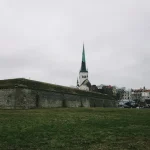
📷 Featured image by Nikita Sergejev on Unsplash.