On this page
- Why Tallinn Rewards Leaving the Old Town
- Neighbourhoods Worth Your Time
- Top Off-the-Beaten-Path Attractions
- Where to Eat and Drink Outside the Walls
- Getting Around Without the Old Town Shuffle
- Day Trips Most Visitors Skip
- Nightlife and Entertainment Beyond Viru Street
- Shopping for Things Locals Actually Buy
- Accommodation Areas by Budget
- Best Time to Visit
- Practical Tips for the Outer Districts
- 2026 Budget Breakdown
- Frequently Asked Questions
💰 Click here to see Estonia Budget Breakdown
💰 Prices updated: November, 2026. Budget figures are estimates — always verify before travel.
Exchange Rate: $1 USD = €0.89
Daily Budget (per person)
Shoestring: €45.00 – €70.00 ($50.56 – $78.65)
Mid-range: €120.00 – €170.00 ($134.83 – $191.01)
Comfortable: €250.00 – €420.00 ($280.90 – $471.91)
Accommodation (per night)
Hostel/guesthouse: €10.00 – €60.00 ($11.24 – $67.42)
Mid-range hotel: €50.00 – €120.00 ($56.18 – $134.83)
Food (per meal)
Budget meal: €8.00 ($8.99)
Mid-range meal: €25.00 ($28.09)
Upscale meal: €60.00 ($67.42)
Transport
Single metro/bus trip: €2.00 ($2.25)
Monthly transport pass: €30.00 ($33.71)
By 2026, the medieval core of Tallinn is busier and pricier than it was two years ago. On summer days, cruise groups fill Raekoja plats by 10:00, and a coffee under the Gothic gables can cost twice what it does ten minutes’ walk away. Many visitors tick off the Old Town in half a day and leave feeling they have seen Tallinn. They have not. The city’s real texture is in its wooden-house suburbs, its Soviet concrete, its old factories turned art spaces and its quiet coastline. This guide takes you there.
Why Tallinn Rewards Leaving the Old Town
Tallinn is two cities sharing one harbour. One is a UNESCO-listed postcard. The other is a creative, slightly rough-edged capital of about 450,000 people. It is full of former industrial land that locals have turned into studios, tap rooms and sauna clubs. The second city is where Estonians spend their weekends.
Its personality is quiet confidence. Nobody here shouts about being “the Silicon Valley of the Baltics”, even though Skype and Bolt started in Estonia and the country runs almost every public service online. You feel it in small ways. A café owner shrugs when you ask for Wi-Fi because of course there is Wi-Fi. A tram ticket is a tap of your bank card. A sauna is not a luxury but a normal Thursday.
Since 2024, the outer districts have changed fastest. Noblessner’s waterfront keeps filling with new restaurants, the tram network keeps growing, and construction at the Ülemiste Rail Baltica terminal is visible from the airport road. Passenger trains on that line are still years away, but the city is clearly being rebuilt around it. The result is a Tallinn that is easy to explore on foot, tram and bike, with each neighbourhood feeling like a different town.
Neighbourhoods Worth Your Time
Kalamaja
Just northwest of the Old Town, Kalamaja (“Fish House”) was once a fishermen’s and sailors’ quarter. Its crooked wooden houses in faded ochre, green and rust are now some of the most expensive homes in the city. Walk Vana-Kalamaja and Kalamaja streets in the early morning. You will hear gulls, bicycle bells and the clink of someone watering window boxes. It suits couples, photographers and anyone who wants a village feel five minutes from the centre.
Telliskivi and Noblessner
Telliskivi Creative City is a former factory complex covered in murals, with studios, bars and a Saturday market. A short walk north brings you to Noblessner, a restored submarine-factory quarter. Noblessner has a marina, modern waterfront restaurants and the Kai Art Center. Telliskivi suits younger travellers and design fans. Noblessner suits people who want sea air with their dinner.

Kopli and Pelgulinn
Kopli is Tallinn at its most unpolished. The “Kopli Lines” are rows of old wooden workers’ houses, some restored and some leaning wearily against each other. Pelgulinn, next door, has the same wooden-house charm with fewer visitors. Come here if you want to see how ordinary Tallinners live, not how the brochures show it.
Nõmme
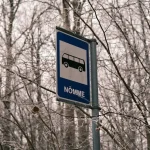
Nõmme is a pine-forest villa suburb about 20 minutes by train from Balti Jaam. It has its own market, wooden Art Nouveau houses, a small waterfall at Nõmme Cliff and trails that feel like deep countryside. It suits families, walkers and anyone tired of cobblestones.
Pirita
Pirita, east of the centre, has a long sandy beach, the ruins of St Bridget’s Convent and a yacht harbour. It is a seaside neighbourhood where Tallinners swim, cycle and sit on the beach with a coffee. The Pirita promenade is flat and pleasant for long walks.
Top Off-the-Beaten-Path Attractions
Linnahall. This huge Soviet-era concrete hall on the waterfront was built for the 1980 Moscow Olympic regatta. It has been closed for years and is slowly being reconsidered by the city. The structure is a brutalist landmark, and the walk across its terraces gives wide views over the Gulf of Finland. Check current access rules before you go, as parts of the site change status.
Kultuurikatel (Culture Cauldron). Next to Linnahall, this former power station is now an event and creative space with exhibitions and, in winter, an outdoor ice rink. The sheer scale of the brick halls and old turbines is the draw. Check the programme before you go, since the schedule changes.
Fotografiska Tallinn. Part of Telliskivi, this photography museum has strong rotating exhibitions and a rooftop with views. Even a quick visit is worth it for the architecture alone.
Maarjamäe Memorial. Many visitors skip this site, which is a mistake. A walk through the Maarjamäe Memorial complex leads past Soviet-era monuments and the manor that houses part of the Estonian History Museum. It gives context to Estonia’s 20th century that the Old Town cannot.
Paljassaare Peninsula. This protected spit of land in the north is a nature reserve for birdwatchers, with reed beds, rocky shore and views of the city skyline from the water. Walking here at dusk, with the wind off the Baltic and nothing but birdsong, is the opposite of Old Town crowds.

Kalamaja shoreline promenade. A paved coastal path stretches from the Kalamaja area towards Noblessner and beyond. It is free, flat and perfect for a late afternoon walk when the light turns golden.
Where to Eat and Drink Outside the Walls
Balti Jaam Market. Beside the railway station, this renovated market hall holds stalls with fresh produce, fish, smoked meats, bakeries and small food counters. It is where locals do their weekly shopping. The air smells of smoked fish and warm bread, and you can eat a proper lunch for under 10 EUR.
Telliskivi Creative City. The streets around it have the densest cluster of casual restaurants, brunch cafés and craft-beer bars. Walk the courtyards and read menus before you commit, since the place changes quickly.
Noblessner. The waterfront restaurants here are better for slow dinners with a sea view. Prices run higher, but the setting justifies it on a calm summer evening. Põhjala Tap Room, run by one of Estonia’s best-known craft breweries, is a good place to try local beer.
Rotermann Quarter. This district of restored industrial buildings between the Old Town and the harbour has many mid-range restaurants. It is more polished than Telliskivi and good for a business-style lunch.
Nõmme Market. A small, local market in the suburban heart of Nõmme with seasonal berries, mushrooms and vegetables. Visit in late summer when the stalls overflow with chanterelles.
Getting Around Without the Old Town Shuffle
Tallinn’s public transport is easy for visitors. Trams, buses and trolleybuses all accept contactless bank cards at the validator, and a single ride costs around 2 EUR, with day passes around 5 EUR. Check the Tallinn transport app or Google Maps for current lines. The tram network has been expanding in recent years, and routes have changed.
From the airport, tram line 4 reaches the centre in about 15 minutes. The airport is only 4 km from the city. A Bolt ride costs roughly 7–10 EUR.
Most off-the-path districts are within 2–5 km of the Old Town. Kalamaja, Telliskivi and Noblessner are walkable. For Pirita or Nõmme, use a bus, a train from Balti Jaam, or a rented e-scooter or city bike. Public transport thins out late at night, so use Bolt after midnight.
Day Trips Most Visitors Skip
Paldiski (about 1 hour by train or bus). This former Soviet naval base town, west of Tallinn, was closed to outsiders for decades. Today you can walk past abandoned military buildings and out to the Pakri cliffs and lighthouse, where the wind comes straight off the sea. Allow a half day. Trains run from Balti Jaam.
Keila-Joa (about 45 minutes by bus). A small manor park with a waterfall that drops into a limestone gorge towards the sea. It is peaceful, green and easy. Allow three hours.
Rummu Quarry (about 1 hour by car). A former prison quarry that flooded, leaving a turquoise lake with the ruins of prison buildings rising out of the water. You can swim or dive in summer. Public transport requires a bus to the nearby area plus a walk or taxi, so a car or shared ride is easier. Allow half a day.
Naissaar Island (about 1 hour by ferry). A car-free island, once a Soviet naval mine depot, with pine forest, old narrow-gauge tracks and empty beaches. Ferries run mainly in the warmer months from the harbour, so check the schedule before you plan. Allow a full day.
Lahemaa National Park (about 1.5 hours by bus or car). Estonia’s largest coastal park has manors, bogs, boulder-strewn beaches and forest trails. In winter, frost crunches underfoot on the paths and the quiet is almost total. A car makes this day trip far easier, but the bus to Palmse works if you plan ahead. Allow a full day.
Nightlife and Entertainment Beyond Viru Street
The Old Town after dark is mostly tourist bars. Locals head to Telliskivi, where courtyards hold bars with DJs, craft-beer lists and live bands that start late and go on later. The area around Balti Jaam has a few small clubs and cocktail bars that suit a relaxed night more than a loud one.
Noblessner is the place for a sunset drink by the marina. In summer, outdoor terraces stay busy until late, with the harbour lights reflecting off the water.
For something completely different, try a public sauna. Kalma Saun in Kalamaja is a classic neighbourhood sauna with separate sessions for men and women, old tiled walls and a plunge after the heat. Evenings here feel as local as it gets. In winter, a night of steam followed by cold air on your face is one of the best things you can do in the city.

Live music is strongest in spring. Tallinn Music Week, usually in late March or April, fills clubs across the city with new bands, and the autumn Black Nights Film Festival (PÖFF) brings late screenings and events to cinemas and venues around town.
Shopping for Things Locals Actually Buy
Skip the Old Town souvenir shops with their machine-made wool. For authentic goods, start at Telliskivi Creative City. Its Saturday flea market in the warmer months sells vintage clothes, ceramics, books and small design items. Several independent shops there carry Estonian designers’ clothing and homeware.
Balti Jaam Market is good for food gifts: smoked fish, rye bread, honey and local sweets. The upper floors hold secondhand stalls and quirky goods. For linen, wool and handmade ceramics, Rotermann Quarter has boutiques with better quality than the tourist stalls.
Estonian chocolate, herbal teas and juniper products make easy, lightweight presents. Look for Estonian-made labels rather than imported goods with Estonian flags on them.
Accommodation Areas by Budget
Budget: Look near Balti Jaam, in Kalamaja and in Kopli. Hostels and simple guesthouses charge about 20–40 EUR for a dorm bed or 50–80 EUR for a private room. Tram and bus links are good, and you are near the market for cheap food.
Mid-range: Telliskivi, Kalamaja and Rotermann have boutique hotels and well-designed apartments from roughly 90 to 160 EUR per night, depending on season. Accommodation prices have crept up since 2024, so book early for summer.
Luxury: Noblessner and the harbour edge offer stylish waterfront hotels and apartment-style stays from around 180–300 EUR. Pirita also has spa hotels with sea views if you want a calmer setting.
Best Time to Visit
Late spring (May–June): Long days, cooler temperatures of 12–20°C and fewer cruise crowds than July. Midsummer on 23–24 June is when Estonians head to the countryside, and the city goes quiet.
Summer (July–August): Warmest at 20–25°C, with beaches, terraces and day trips at their best. Also the busiest and most expensive. Naissaar ferries and outdoor markets run mostly in this window.
Autumn (September–October): Berries and mushrooms at the markets, golden forest trails and temperatures of 8–15°C. PÖFF in November adds indoor culture.

Winter (December–March): Cold, often between -10°C and 2°C, with snow and short days. Saunas, candlelit cafés and the Christmas market make it atmospheric. For off-the-path exploring, shoulder seasons offer the best balance of weather and quiet.
Practical Tips for the Outer Districts
- Safety: Tallinn is very safe. Take normal care around Balti Jaam and quieter Kopli streets late at night.
- Tipping: Not required. Rounding up or leaving 5–10% for good table service is appreciated.
- Language: Estonian is the national language, but most people under 50 speak good English. A simple “aitäh” (thank you) is warmly received.
- SIM and Wi-Fi: Mobile data is fast and cheap. A prepaid tourist SIM or eSIM costs about 10–20 EUR for a few weeks. Free Wi-Fi is common in cafés and public spaces.
- Water: Tap water is safe to drink and good.
- Opening hours: Many small shops and cafés close early on Sundays, and some restaurants close on Mondays. Markets are usually best before noon.
- Sauna etiquette: Shower first, bring a towel and flip-flops if the sauna does not provide them, and follow the posted rules on swimwear.
- Payments: Almost everything accepts contactless cards. Carry a few euros for tiny market stalls and some flea-market sellers.
2026 Budget Breakdown
Prices have risen since 2024, partly because of higher VAT and general inflation. These are realistic daily figures per person, excluding flights.
- Budget (about 50–75 EUR/day): Hostel dorm bed (20–40 EUR), market lunch (7–10 EUR), simple dinner (10–15 EUR), public transport (5 EUR), coffee and a free coastal walk. Add a public sauna session (around 10–15 EUR) if you can.
- Mid-range (about 120–180 EUR/day): Boutique hotel or apartment (90–150 EUR), café breakfast (8–12 EUR), restaurant dinner (25–40 EUR), a craft beer (5–7 EUR), one museum (10–20 EUR) and a couple of taxis (5–10 EUR each).
- Comfortable (about 230+ EUR/day): Waterfront or spa hotel (180–300 EUR), tasting-menu or high-end dinner (60–100 EUR), private day-trip transport and guided experiences.
Day trips add little. A bus or train to Paldiski or Keila-Joa costs a few euros each way, while the Naissaar ferry runs closer to 20 EUR return.
Frequently Asked Questions
Is Tallinn worth visiting beyond the Old Town?
Yes. Much of the city’s best food, art, saunas and nightlife sits outside the medieval walls. Kalamaja, Telliskivi, Noblessner and Nõmme each feel completely different from the Old Town, and all are reachable by tram, bus or a flat walk. Two or three days outside the walls gives a fuller picture.

How do I get from the Old Town to Telliskivi Creative City?
Walk about 15–20 minutes to Balti Jaam station, then follow Telliskivi street for a few minutes. You can also take a tram or bus to Balti Jaam and walk from there. A Bolt taxi from the Old Town usually costs around 4–6 EUR and takes about five minutes.
Is Tallinn safe at night outside the Old Town?
Yes, Tallinn is one of Europe’s safer capitals. Telliskivi, Kalamaja and Noblessner are fine in the evening. Take normal precautions around Balti Jaam and quieter Kopli streets very late. Public transport thins out after midnight, so ride-hailing apps are the easiest way to get home.
How much does a day outside the Old Town cost in 2026?
A budget day runs about 50–75 EUR, mid-range about 120–180 EUR, and a comfortable day from 230 EUR including accommodation, food and transport. Markets, free coastal walks, public saunas and contactless public transport keep costs low, while waterfront dinners and day-trip transport push them up.
What is the best day trip from Tallinn that most tourists skip?
Paldiski is a strong choice. This former Soviet naval base town is about an hour from Balti Jaam by train, with abandoned military sites, the Pakri cliffs and a windswept lighthouse. Rummu Quarry, with its flooded prison ruins, is another unusual option, though it is easier with a car.
📷 Featured image by Denis Shlenduhhov on Unsplash.