On this page
- What Has Changed for Tartu Day Trips Since 2024
- Alatskivi Castle: The Scottish-Style Manor
- Lake Peipus: Kallaste and Kolkja
- Otepää: Forest Trails and Winter Sport
- Viljandi: Castle Ruins and Folk Music
- Haanja and Suur Munamägi: Estonia’s Highest Point
- Getting Around: Bus, Car or Taxi
- 2026 Budget Reality
- Frequently Asked Questions
💰 Click here to see Estonia Budget Breakdown
💰 Prices updated: November, 2026. Budget figures are estimates — always verify before travel.
Exchange Rate: $1 USD = €0.89
Daily Budget (per person)
Shoestring: €45.00 – €70.00 ($50.56 – $78.65)
Mid-range: €120.00 – €170.00 ($134.83 – $191.01)
Comfortable: €250.00 – €420.00 ($280.90 – $471.91)
Accommodation (per night)
Hostel/guesthouse: €10.00 – €60.00 ($11.24 – $67.42)
Mid-range hotel: €50.00 – €120.00 ($56.18 – $134.83)
Food (per meal)
Budget meal: €8.00 ($8.99)
Mid-range meal: €25.00 ($28.09)
Upscale meal: €60.00 ($67.42)
Transport
Single metro/bus trip: €2.00 ($2.25)
Monthly transport pass: €30.00 ($33.71)
Tartu is small, and by day three you may have walked every street twice. The trouble in 2026 is that the countryside around it is easy to see badly. Rural bus timetables are thin, last buses back leave early, and a wrong guess can leave you stuck in a village with no ride home. This guide covers the best day trips from Tartu with real distances, timings and costs, so you can pick one and plan it properly.
What Has Changed for Tartu Day Trips Since 2024
Tartu’s year as European Capital of Culture in 2024 left South Estonia with better signage, more events and a stronger habit of welcoming visitors outside the city. Many rural museums and cafés now take cards and list opening hours online, which was not always true before.
Rail Baltica is still being built and does not run through Tartu, so do not plan around it. For now, regional buses and your own car are what get you into the countryside. Most intercity bus tickets can be bought in an app, and ride-hailing works in Tartu itself, though not reliably in villages.
Alatskivi Castle: The Scottish-Style Manor
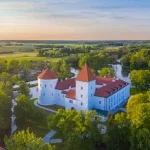
Alatskivi is about 50 km northeast of Tartu, roughly 45 minutes by car. The castle was built in the 1880s and was inspired by Scotland’s Balmoral. It has turrets, a long park and rooms that you can walk through at your own pace. The rebuilt interiors are surprisingly personal, and the park is lovely in the cool, quiet hours after the tour groups leave.
Plan two hours for the castle and park. Entry is usually around €8–10. There is a café on site, and the castle is open year-round, though winter hours are shorter.
Lake Peipus: Kallaste and Kolkja
Alatskivi is only about 15 minutes from the lakeshore, so a lake visit pairs well with it. Kallaste sits under sandy cliffs along Lake Peipus, Europe’s fifth-largest lake by area. Walk the promenade and the beach, then follow the shore south to Kolkja.
Kolkja is the heart of the Old Believers’ community, whose families settled here centuries ago. The long, narrow village is lined with wooden houses and drying nets. You will smell smoked and dried fish before you see the stalls, and vendors sell it alongside pickled cucumbers and the famous local onions. The small Old Believers’ Museum costs about €3–5 to enter.
Bring a warm layer, even in summer. The wind off the lake can be sharp. Allow a full half-day for Kallaste and Kolkja, or a full day if you add Alatskivi.

Otepää: Forest Trails and Winter Sport
Otepää is about 42 km south of Tartu, roughly 45 minutes by road, and it is Estonia’s unofficial winter capital. In snowy months the Tehvandi sports centre opens its ski tracks, and the air smells of pine and cold wood smoke. Cross-country ski rental is typically €15–25 a day.
Snow is not guaranteed anymore, so check conditions before you go. In summer, Otepää turns into a hiking and cycling base. Trails wind around lakes and through hills, and Pühajärv, the “Holy Lake”, has a public beach. Otepää has a good choice of cafés in the small centre, which makes it an easy place for lunch.
Viljandi: Castle Ruins and Folk Music
Viljandi lies about 85 km west of Tartu, around 1 hour 15 minutes by car or bus. It has a calm, creative feel and the town is built around a hilltop with castle ruins, a lake and a pedestrian suspension bridge. All of these are free to visit.
Viljandi is Estonia’s folk music capital. Its Folk Music Festival takes place in late July and is one of the country’s best summer events, so book accommodation early if you plan to stay. On quiet days, walk the lake loop and browse the town’s small craft shops and cafés. A bus from Tartu costs about €6–9 each way.
Haanja and Suur Munamägi: Estonia’s Highest Point
Haanja Nature Park is about 90 km southeast of Tartu, a drive of around 1 hour 20 minutes. Its centrepiece is Suur Munamägi, “Egg Mountain”, which at 318 metres is the highest point in the Baltic states. A viewing tower on top rises above the treetops and gives you a wide view over forests and lakes. Tickets are roughly €8.
The rolling hills here feel different from the flat landscape around Tartu. Autumn is the best season, when the forest turns gold and red. Without a car, this is the hardest trip on this list, so consider renting one or sharing a taxi.

Getting Around: Bus, Car or Taxi
Your transport choice shapes the whole trip. Here is how each option works from Tartu:
- Bus: Best for Otepää and Viljandi, where services are regular. Buy tickets in an app or at the Tartu bus station. Kolkja and Kallaste have limited buses, and Alatskivi has fewer still.
- Rental car: The best option for Alatskivi, Peipus and Haanja. It lets you combine two or three stops in one day. Expect around €35–60 a day, plus fuel.
- Taxi or ride-hailing: Works well for short trips, such as a one-way ride to Alatskivi. Arranging a return ride from a village is harder, so book in advance.
If you rent a car, roads are good and signage is clear. Always keep headlights on and watch for wildlife at dusk, especially elk and deer on forest roads.
2026 Budget Reality
Prices below are per person for a full day, based on typical 2026 costs.
- Budget (€15–30): Return bus to Otepää or Viljandi, a picnic from a Tartu supermarket, free sights like the Viljandi ruins and lakeside walks.
- Mid-range (€40–70): Shared rental car for Alatskivi and Peipus, castle entry, lunch in a local café and a small purchase of smoked fish or onions.
- Comfortable (€90–150): Private driver or full-day car rental, entry to Alatskivi and Suur Munamägi, a sit-down lunch and extra time for a guided stop.
Splitting a rental car between two or three people brings the cost down quickly and gives you more freedom than the bus.
Frequently Asked Questions
What is the best day trip from Tartu?
For first-timers, Alatskivi Castle combined with Kallaste and Kolkja on Lake Peipus gives the best mix of history, scenery and local food. It needs a car for the easiest route. If you rely on buses, Otepää or Viljandi is simpler and just as rewarding.
Can you do a day trip from Tartu without a car?
Yes. Viljandi and Otepää both have regular buses from Tartu. Lake Peipus is possible by bus, but connections are limited, so check return times carefully. Alatskivi and Haanja are difficult without a car, so consider a taxi or shared rental for those.
Is Tallinn a realistic day trip from Tartu?
It is possible, since the bus takes about 2.5 hours each way and trains run on the same corridor. But it uses most of your day on transport. If you only have one day, a closer trip such as Viljandi or Otepää is a better use of your time.

How far is Lake Peipus from Tartu?
The nearest shore at Kallaste is about 60 km from Tartu, roughly an hour by car. Kolkja is a few kilometres farther south along the coast. Buses run to the lake towns, but timetables are limited, so plan your return before you leave.
When is the best time of year for Tartu day trips?
Late May to September is best for lakes, castles and hiking, with long daylight. Autumn is excellent for Haanja’s forest colours. Winter suits Otepää if snow is present, though short daylight hours mean you should start early and check road conditions.
Explore more
How to Get from Tallinn to Tartu: Your Complete Transport Guide
The Ultimate Tartu Food Guide: Where to Eat, Drink, and Indulge
Unforgettable Excursions from Tartu: Your Guide to Estonia’s Countryside
📷 Featured image by Marek Lumi on Unsplash.