On this page
- Why Pärnu’s Food Scene Deserves More Credit
- Estonian Dishes You Must Eat in Pärnu
- Pärnu’s Markets: Where Locals Actually Shop
- Best Restaurants and Eating Areas in Pärnu
- Smoked Fish, Black Bread, and the Harbour Food Trail
- Budget Breakdown: What Food Costs in Pärnu in 2026
- Where to Drink: Craft Beer, Wine Bars, and Summer Terraces
- Food Souvenirs Worth Buying
- Best Time to Visit for Food Lovers
- Practical Tips for Eating in Pärnu
- Frequently Asked Questions
💰 Click here to see Estonia Budget Breakdown
💰 Prices updated: October, 2026. Budget figures are estimates — always verify before travel.
Exchange Rate: $1 USD = €0.88
Daily Budget (per person)
Shoestring: €40.00 – €70.00 ($45.45 – $79.55)
Mid-range: €120.00 – €250.00 ($136.36 – $284.09)
Comfortable: €300.00 – €900.00 ($340.91 – $1,022.73)
Accommodation (per night)
Hostel/guesthouse: €15.00 – €40.00 ($17.05 – $45.45)
Mid-range hotel: €60.00 – €150.00 ($68.18 – $170.45)
Food (per meal)
Budget meal: €15.00 ($17.05)
Mid-range meal: €35.00 ($39.77)
Upscale meal: €100.00 ($113.64)
Transport
Single metro/bus trip: €2.00 ($2.27)
Monthly transport pass: €30.00 ($34.09)
Pärnu has a reputation problem. Most visitors arrive for the beach in July, eat one meal at a hotel buffet, and leave thinking they’ve experienced the city. They haven’t. Pärnu’s food scene in 2026 is quietly one of the most interesting in Estonia — shaped by the sea, the forest, and a growing community of local producers who supply restaurants that punch well above their size. This guide cuts through the tourist-facing menus and gets to what’s actually worth eating, where to find it, and how much it costs.
Why Pärnu’s Food Scene Deserves More Credit
Pärnu is Estonia’s summer capital in the truest sense — the population roughly doubles between June and August as Tallinn residents flood south. For years, the food scene followed the crowd: predictable beach cafés, generic pizza joints, and a handful of hotel restaurants running the same safe menus. That changed noticeably around 2023, and by 2026 the shift is undeniable.
A cluster of chef-led restaurants has opened near the river and along Rüütli tänav, several focused specifically on west Estonian coastal ingredients. The Pärnu River delta and the surrounding wetlands give local suppliers access to freshwater fish, wild herbs, and game that chefs in Tallinn pay a premium to import. In Pärnu, these ingredients are practically next door. Local farms around Tori and Audru supply restaurants directly, cutting middlemen and keeping menus hyperlocal in a way that actually means something.
The 2026 context matters too. Improved road connections following infrastructure updates along the Via Baltica corridor have made producer deliveries faster, and several Tallinn-based food entrepreneurs have opened secondary operations here, raising the overall standard without erasing local character.
Estonian Dishes You Must Eat in Pärnu
Forget the tourist menus listing “traditional Estonian food” with a stock photo of sauerkraut. These are the specific dishes worth seeking out in Pärnu, and where to find them.
Smoked Sprats and Rye
Kilud — small smoked sprats — are Estonia’s most underrated snack. In Pärnu, you’ll find them served on thick slices of dark rye bread at market stalls and in old-school café-style spots near the central market. The bread has a dense, slightly sour chew; the sprats are oily and intensely smoky. Eaten together, it costs almost nothing and tastes like the Baltic coast distilled into two bites.
Mulgipuder
This barley and potato porridge from the Mulgimaa region — which borders Pärnumaa to the east — appears on menus here more than anywhere else outside its home territory. A proper bowl is thick, slightly grey-looking, and deeply savoury when served with pork crackling on top. Stenhus restoran on Hospidali tänav does a reliable version. It’s a dish that sounds unpromising and tastes like something your body needed without knowing it.

Kohuke
Estonia’s iconic curd snack is sold everywhere, but the fresh, locally made versions at Pärnu’s market are worth the small detour. Coated in chocolate or plain, the fresh curd is lighter and less sweet than the vacuum-packed supermarket version. Children eat these daily; so do most adults who grew up in Estonia. At the market, they cost around €0.80–€1.20 each.
Grilled Flounder and Pike-Perch
The Pärnu River and nearby coastal waters supply flounder (lest) and pike-perch (koha) to local restaurants year-round. Pike-perch in particular is a firm, clean-tasting fish that holds up well to pan-frying and is typically served simply — a little butter, dill, boiled potatoes. Raekoha Plats near the town centre runs a seasonal menu that features both. The flounder, when it’s grilled whole over wood, smells like the sea and woodsmoke at the same time — an aroma that trails out of open kitchen windows on Rüütli tänav on summer evenings.
Verivorst (Blood Sausage)
Traditionally a Christmas dish, verivorst has crept onto year-round menus in Pärnu’s more adventurous kitchens. It’s made from barley, pork blood, and spices, and when done well it’s earthy and rich without being heavy. Served with sauerkraut and lingonberry jam, it’s one of those dishes that reads as strange on a menu and lands as completely logical on the plate.
Pärnu’s Markets: Where Locals Actually Shop
Pärnu’s central market — Pärnu Turg on Suur-Sepa tänav — is the most important food stop in the city. This is a working market, not a curated tourist experience, which is exactly what makes it worth visiting.
The covered hall operates Tuesday through Saturday, typically from 8:00 to 15:00 (hours can shift slightly in winter). Inside, permanent stalls sell dairy — local cheeses, sour cream in loose portions, and those fresh kohuke curd snacks. The cheese selection from small Pärnumaa farms is genuinely good; look for the stall run by a family from Tori that brings in unpasteurised varieties on Friday and Saturday mornings.
Outside the hall, the open-air section expands dramatically in summer. June through August sees vendors selling wild strawberries, chanterelle mushrooms, smoked fish from the coast, honey from local hives, and bundles of fresh dill so large they’re practically bouquets. The chanterelle season — July into September — is the best time to be here. A kilo of fresh chanterelles costs €6–€10 depending on the week and how good the forest conditions have been.
In 2026, the market has added a small Saturday pop-up zone near the car park entrance where younger producers and artisan food makers sell items like fermented drinks, small-batch jams, and experimental local charcuterie. It runs from June to August and is worth the extra walk around the building.
A secondary market worth knowing is the Rannapark area informal sellers near the beach promenade in summer. These are mostly unlicensed or semi-formal — older women selling herbs, berries, and homemade pickles from folding tables. Quality varies, but the prices are low and the produce is genuinely local.
Best Restaurants and Eating Areas in Pärnu
Pärnu’s eating geography is compact. Almost everything worth visiting sits within walking distance of the old town grid, with three distinct clusters worth knowing.
Rüütli tänav
The main pedestrian street is Pärnu’s restaurant spine. In summer, terraces open along both sides and the street becomes an outdoor dining strip. Quality varies sharply here — some spots are tourist-facing and ordinary, others are genuinely good. Werneri Juustukoda operates out of this area and focuses on local Estonian cheeses paired with local wines and craft beers. It’s more of a wine-and-cheese bar than a restaurant, but the small plates are carefully sourced.
The River District (Jõe tänav area)
The strip along the Pärnu River, particularly around Jõe tänav and the areas near the old river promenade, has developed into the city’s most interesting food zone. Ammende Villa is the grandest dining option in the city — a Jugendstil mansion turned restaurant where the cooking leans on Estonian ingredients with serious technique. It’s expensive by Pärnu standards but worthwhile for a special meal. Cheaper options in this zone include a handful of casual spots serving open sandwiches and soups that attract local workers at lunch.

The Beach District (Supeluse tänav area)
The stretch of wooden villas and beach cafés along Supeluse tänav and near Rannapark is summer-only territory. Most places here open May and close by September. The cooking is simpler — grilled meats, salads, ice cream — and the draw is the setting rather than the food. That said, Café Grand near the beach park does decent breakfast and cake, and the terrace on a warm June morning is hard to argue with.
Smoked Fish, Black Bread, and the Harbour Food Trail
One of the most satisfying ways to eat in Pärnu costs almost nothing and requires no restaurant reservation. Follow this loose self-guided route along the waterfront and you’ll eat better than most visitors staying at full-board hotels.
- Start at Pärnu Turg — buy smoked sprats, a wedge of local cheese, and rye bread. Budget €3–€5.
- Walk south towards the river mouth — the promenade along the Pärnu River is about 2 kilometres from the market to the sea. On the way, in summer, you’ll pass informal fish sellers with whole smoked bream and pike laid out on wooden boards, sold by the piece.
- Stop at the harbour area — small fishing boats occasionally sell direct from their catch here, though this is more reliable in early morning on weekdays. The harbour itself is compact but atmospheric, smelling of diesel and fish in the way working harbours do.
- Finish at the beach — buy a cold local craft beer from a beach kiosk, find a bench, and eat everything you’ve collected. A full lunch this way costs €6–€10 per person.
This route works best on weekday mornings from June through August. On weekends in peak summer, the promenade gets crowded and the informal sellers move around more.
Budget Breakdown: What Food Costs in Pärnu in 2026
Pärnu is meaningfully cheaper than Tallinn for food, but summer pricing has closed the gap slightly. Here’s a realistic picture of daily food costs by tier.
Budget (under €25/day)
- Coffee at a local café: €2.20–€2.80
- Market lunch (bread, cheese, smoked fish, fresh produce): €4–€7
- Soup and bread at a casual restaurant: €6–€9
- Beer at a bar: €3.50–€4.50
- Fresh kohuke from the market: €0.80–€1.20
Eating at the market for at least one meal a day keeps daily food spend around €18–€22 even in peak summer.

Mid-Range (€40–€70/day)
- Sit-down lunch with a main course and drink: €14–€20
- Dinner at a good restaurant (two courses, drink): €25–€40
- Craft beer at a specialist bar: €5–€7
- Breakfast at a café with eggs and pastries: €8–€12
Comfortable (€80+/day)
- Dinner at Ammende Villa or comparable: €50–€70 per person with wine
- Wine by the glass at a good bar: €7–€12
- Tasting menu at chef-led restaurants: €65–€90 per person
In 2026, summer peak pricing (July–August) adds roughly 10–15% to restaurant bills compared to May or September. The market prices stay stable.
Where to Drink: Craft Beer, Wine Bars, and Summer Terraces
Pärnu’s drinking scene is relaxed rather than rowdy. The student-heavy party energy of Tartu isn’t here; neither is Tallinn’s Old Town tourist-bar circuit. What Pärnu has is a handful of genuinely good places to drink on a warm evening.
Craft Beer
Pärnu Õlleklubi (the Pärnu Beer Club) on Hommiku tänav is the city’s most serious craft beer venue. Around 16 taps rotate through Estonian and Baltic craft breweries, with particular depth in local producers. Põhjala, Õllenaut, and Tanker appear regularly alongside smaller Pärnumaa producers. The space is low-key — wooden tables, no pretension — and the beer knowledge of the staff is genuine.
Wine Bars
Natural wine has arrived in Pärnu later than in Tallinn but is now firmly established. Werneri Juustukoda on Rüütli doubles as the best wine-with-food spot in the city. The list skews towards Georgian and Slovenian naturals with a small Estonian section — yes, Estonian wine exists, and some of it is drinkable. The atmosphere on a summer evening, with the doors open to the pedestrian street, is about as pleasant as Pärnu gets.
Summer Terraces
The beach promenade terraces along Ranna puiestee open from May and are the social heart of the city in summer. These range from proper bar-restaurants to basically a folding table and a parasol. Tervise Paradiis hotel’s outdoor terrace is large and popular but can feel impersonal. The smaller, independently run terraces a few hundred metres up the promenade towards the lighthouse tend to have better atmosphere and slightly lower prices.
Food Souvenirs Worth Buying
Pärnu market and local shops offer genuinely good edible souvenirs — things that are both lightweight to carry and worth giving. Skip the airport gift shops.
- Wild mushroom mixes — dried chanterelles, porcini, and mixed forest mushrooms are sold vacuum-packed at the market from September onwards. A 100g bag costs €4–€8 and keeps for months.
- Local honey — Pärnumaa honey varies from meadow flower to buckwheat depending on the producer. Buckwheat honey (tatramesi) is dark, slightly bitter, and unlike anything sold in western supermarkets. Market price: €5–€9 for a 300–400g jar.
- Smoked sprats in oil — vacuum-packed kilud from local smokehouses are sold at the market and in some local grocery stores. Far better than the canned versions. A pack costs €2.50–€4.
- Estonian dark rye crispbread (rukkileib krõbusad) — easier to transport than fresh bread and genuinely good. Available in supermarkets like Rimi and Prisma, around €1.50–€3 per packet.
- Kama flour — Estonia’s traditional roasted grain flour, used in smoothies, porridge, and desserts. Sell it to food-curious friends back home. Found in any supermarket for around €1.50–€2.50.

Avoid the overpriced “Estonian food gift boxes” sold in tourist-facing shops near the beach. The markup is significant and the products are the same ones available in any supermarket for a fraction of the price.
Best Time to Visit for Food Lovers
The honest answer is that Pärnu’s food scene peaks in two distinct windows, and they suit different kinds of visitors.
July to August: Peak Season
This is when the market is at its most abundant — wild berries, fresh chanterelles, local fish, outdoor vendors, and the Saturday artisan pop-up. Every restaurant is open, terraces are full, and the city has genuine energy. The downside: everything is busier, prices are slightly higher, and the best market stalls sell out fast. Book restaurants in advance for Friday and Saturday evenings; some popular spots are fully booked a week ahead.
Late May to June: The Sweet Spot
The summer crowds haven’t arrived yet, but most restaurants are open and the market is running. Wild strawberry season starts in late June. Prices are lower, service is less rushed, and it’s possible to get a table without planning days ahead. The weather is warm enough for terrace dining from mid-June onward.
September: Mushroom Season
September is genuinely underrated for food visitors. The beach crowd has gone, but the markets are flush with chanterelles, porcini, lingonberries, and late-summer produce. Several restaurants run special autumn menus in September, and the quieter pace means chefs have time to talk about what they’re cooking. Temperatures are still 14–18°C most days.
Winter (November–March)
Honest assessment: this is a thin time for food in Pärnu. Many restaurants reduce hours or close entirely, the market contracts, and the beach area is essentially shut. Ammende Villa stays open and a few spots on Rüütli operate year-round, but a food-focused trip in winter requires low expectations or careful pre-research.

Practical Tips for Eating in Pärnu
- Tipping: Not mandatory, but increasingly common at sit-down restaurants. Rounding up or leaving 10% is appreciated and normal. At cafés and market stalls, no tip is expected.
- Language: Menu items at most restaurants are in Estonian and English. A few older spots near the market are Estonian-only — Google Translate’s camera function handles this fine.
- Payment: Card is accepted almost universally at restaurants and cafés. Market outdoor stalls are cash-preferred, often cash-only. Keep €10–€20 in coins and small notes if you plan to shop at the market.
- Dietary needs: Vegetarian options have improved significantly by 2026. Vegan-specific dishes are still limited at traditional Estonian restaurants, but salads, soups, and vegetable sides are widely available. Gluten-free is understood at most restaurants but the rye-heavy Estonian tradition means cross-contamination risk is real — be explicit when ordering.
- Opening hours: Most restaurants open from 12:00 for lunch and serve until 21:00 or 22:00. Kitchen closing times are often 30–45 minutes before the restaurant closes. Arriving at 21:00 expecting a full menu is a common tourist mistake.
- Supermarkets: The Rimi on Riia maantee and Prisma near the bus station are large, well-stocked, and useful for self-catering. They stock a full range of Estonian dairy, bread, and local products at normal prices.
Frequently Asked Questions
What food is Pärnu known for?
Pärnu is best known for fresh and smoked fish from the local coast and river delta, dark rye bread, and seasonal produce from surrounding farms. The city is close to Mulgimaa, so barley-based dishes like mulgipuder appear on local menus more often than elsewhere in Estonia. The summer market is the best single food experience in the city.
Where is the best place to eat in Pärnu?
For a special meal, Ammende Villa on Mere puiestee is the top option — Estonian ingredients, serious cooking, beautiful setting. For everyday eating, the restaurants along Rüütli tänav and the river district around Jõe tänav offer the most variety. The central market on Suur-Sepa tänav beats any restaurant for a cheap, locally sourced lunch.
Is food expensive in Pärnu compared to Tallinn?

Generally 10–20% cheaper than Tallinn, though the gap narrows in peak summer (July–August) when tourist-facing restaurants adjust their pricing. The market remains affordable year-round. A full market lunch costs €4–€7; a mid-range restaurant dinner runs €20–€35 per person including drinks.
When is Pärnu market open?
Pärnu Turg on Suur-Sepa tänav operates Tuesday through Saturday, approximately 8:00 to 15:00. Saturday mornings are the best visit for variety and fresh produce. The outdoor section expands significantly from June through August, with the Saturday artisan pop-up zone running alongside the main market during summer months.
Are there good vegetarian options in Pärnu?
Vegetarian eating has improved noticeably in Pärnu by 2026. Most restaurants offer at least two or three vegetarian mains, and cafés typically have salads, soups, and egg-based dishes. The market is excellent for vegetarians — fresh produce, cheese, and bread give plenty to work with. Fully vegan dining remains limited but is possible with some research.
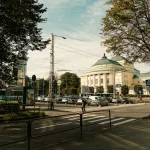
📷 Featured image by Marek Lumi on Unsplash.