On this page
- Why Saaremaa Rewards Budget Travelers
- Getting to Saaremaa Without Overspending
- Free and Almost-Free Sights Worth Your Time
- Cheap Eats and Where to Find Them
- Budget Accommodation: Where to Sleep for Less
- Getting Around the Island Cheaply
- Day Trips from Saaremaa on a Tight Budget
- Free Outdoor Experiences and Nature Access
- What to Skip If Money Is Tight
- 2026 Budget Breakdown for Saaremaa
- Practical Tips for Saving Money on Saaremaa
- Frequently Asked Questions
💰 Click here to see Estonia Budget Breakdown
💰 Prices updated: August, 2026. Budget figures are estimates — always verify before travel.
Exchange Rate: $1 USD = €0.86
Daily Budget (per person)
Shoestring: €45.00 – €70.00 ($52.33 – $81.40)
Mid-range: €120.00 – €170.00 ($139.53 – $197.67)
Comfortable: €250.00 – €420.00 ($290.70 – $488.37)
Accommodation (per night)
Hostel/guesthouse: €10.00 – €40.00 ($11.63 – $46.51)
Mid-range hotel: €50.00 – €140.00 ($58.14 – $162.79)
Food (per meal)
Budget meal: €10.00 ($11.63)
Mid-range meal: €25.00 ($29.07)
Upscale meal: €80.00 ($93.02)
Transport
Single metro/bus trip: €1.50 ($1.74)
Monthly transport pass: €30.00 ($34.88)
In 2026, Saaremaa has firmly landed on the radar of European slow travelers — and ferry prices have crept up enough that some visitors assume the island is out of reach on a tight budget. It isn’t. Saaremaa remains one of the most genuinely affordable destinations in Northern Europe, largely because locals actually live here year-round and the tourist infrastructure hasn’t gone fully upscale. You just need to know where the money traps are and how to sidestep them.
Why Saaremaa Rewards Budget Travelers
Saaremaa is Estonia’s largest island, sitting in the Baltic Sea off the western coast. It has none of Tallinn’s Old Town pricing, none of the cruise-ship crowds, and no entry fees to most of its best landscapes. The island runs on a slower rhythm — juniper meadows, windmills, quiet village roads, and a coast that smells of salt and pine resin when the wind shifts west. That atmosphere costs nothing.
What makes Saaremaa particularly kind to budget travelers is that its appeal is largely natural and architectural. You’re not here to pay for museum entry after museum entry. You’re here to walk a meteor crater rim, cycle past thatched-roof farmhouses, and find a beach that’s empty on a Tuesday. The island’s tourism economy is still rooted in Estonian domestic visitors — families, cyclists, retirees — which keeps prices grounded in local reality rather than international tourist expectations.
In 2026, Kuressaare, the island’s only real town, has a handful of new cafés and a refurbished spa hotel or two, but the budget end of the market has grown alongside the premium end. That’s good news if you’re watching your euros carefully.
Getting to Saaremaa Without Overspending
The only way to reach Saaremaa by land is via ferry from Virtsu on the Estonian mainland to Kuivastu on Muhu island, then crossing the causeway to Saaremaa. In 2026, Praamid (Operail’s ferry service) runs this route continuously throughout the day. The ferry itself is fast — around 25 minutes — and reasonably priced.
- Car + driver (one way): approximately €12–€17 depending on season and vehicle size
- Foot passenger (one way): €4–€5
- Bicycle + rider (one way): around €6–€7
If you’re coming without a car, the cheapest route from Tallinn is the Lux Express or SEBE bus to Virtsu or Kuressaare. Direct buses to Kuressaare run daily, crossing the ferry as part of the ticketed journey. A Tallinn–Kuressaare bus ticket in 2026 runs around €12–€18 one way if booked a few days ahead. Book on the Tpilet or Lux Express websites — prices rise when you book last minute.
Avoid booking a rental car in Kuressaare airport or town center without comparing rates online first — local rental companies like Saareke Rent tend to be cheaper than the major chains, especially for multi-day bookings.
Free and Almost-Free Sights Worth Your Time
Saaremaa’s marquee attraction is Kaali Meteorite Crater, and entry is free. The crater is around 110 metres wide and holds a small lake at its centre — walking the rim takes ten minutes, and standing there in early morning fog has a genuinely eerie quality. The surrounding forest is quiet, and there’s no entry barrier of any kind.
Kuressaare Castle (Kuressaare Kindlus) is different — it houses the Saaremaa Regional Museum inside, which charges around €8 for adults in 2026. The castle grounds and the moat area, however, are free to walk around. The medieval bastion walls make for good evening photos without spending a cent.
Other genuinely free highlights:
- Angla Windmill Hill: Five traditional wooden windmills on a ridge in Leisi parish. No entry fee, accessible by road, striking against a grey sky or sunset light.
- Panga Cliff: The highest coastal cliff in Estonia at around 21 metres — free to walk, dramatic Baltic views, and worth timing for a windy afternoon when the waves pound the limestone base.
- Järve Beach and Mändjala Beach: Two of the island’s best sandy beaches, both fully free and clean. Järve has some facilities; Mändjala is quieter.
- Viidumäe Nature Reserve: Free to enter and walk the marked trails through bog and forest. The observation tower gives wide views across the island’s interior.
Cheap Eats and Where to Find Them
Kuressaare’s central market (the covered market on Tallinna tänav) is the right place to start any morning. Local vendors sell dark rye bread, smoked fish still warm from the smokehouse, and garden vegetables at prices that haven’t been inflated for tourists. A half-loaf of rye costs around €1.50, and a portion of smoked sprat is €2–€3. This is your self-catering foundation.
For cooked food, the best-value lunches in Kuressaare are found at the canteen-style spots and smaller cafés that cater to locals working in town. Kohvik Georg on the main square has lunch specials (soup plus main) for €8–€10 that fill you up properly. Avoid the restaurants directly facing the castle moat — the same food costs 30–40% more with the view premium attached.

The Rimi supermarket in Kuressaare is your friend for budget picnic supplies: local cheese, canned fish, smoked meats, and Estonian dairy products at mainland prices. A solid picnic lunch for two assembled here costs €6–€8 total.
Outside Kuressaare, eating options thin out considerably. In the villages, look for farm shops and roadside stands selling berries, honey, and sometimes smoked meat directly from the producer. These are often cash-only and genuinely cheap — a jar of wildflower honey for €4, a bag of chanterelles in season for €3–€5.
Budget Accommodation: Where to Sleep for Less
Saaremaa has no youth hostel in the traditional backpacker sense, but budget options exist if you know where to look.
Camping
The island has well-maintained camping areas at Mändjala, Järve, and near Vilsandi National Park. Camping fees in 2026 run €8–€14 per night for a tent pitch, usually including access to toilets and basic cooking facilities. Mändjala Camping sits right behind the beach — falling asleep to the sound of the Baltic through canvas costs less than the cheapest guesthouse room.
Guesthouses and Farm Stays
Saaremaa has dozens of small guesthouses (külalistemaja) scattered across the island, and many are genuinely good value. A double room in a rural guesthouse typically runs €40–€65 per night in summer 2026, sometimes including breakfast. Pöide, Orissaare, and Leisi parishes have several options that are significantly cheaper than anything in Kuressaare town center.
Farm stays (talude majutus) add the bonus of sometimes including farm-fresh breakfast. Look on Booking.com or the Visit Saaremaa website, filtering by guesthouse category — you’ll find options that the major hotel chains don’t compete with on price or character.
Kuressaare on a Budget
In town, the most affordable option is usually a room in a small family-run guesthouse on the residential streets east of the town center — Vallimaa tänav and Pargi tänav area. Expect to pay €45–€70 for a double in peak summer. Booking two or three weeks ahead makes a real difference in availability and price.
Getting Around the Island Cheaply
Saaremaa’s public bus network connects Kuressaare to most major villages and the ferry terminal at Kuivastu, but service is infrequent — often just a few buses daily on rural routes. For 2026, bus timetables are available on Saareline.ee. A single ride from Kuressaare to Angla or Panga costs €2–€4 depending on distance.

Cycling is the single best budget transport decision on Saaremaa. The island is flat to gently rolling, distances between sights are manageable, and dedicated cycle paths have expanded significantly since 2024 — including a completed stretch along the western coast toward Kihelkonna. Bike rental in Kuressaare runs €12–€18 per day in 2026, with discounts for multi-day hire.
Hitchhiking exists and works on Saaremaa. Estonian island culture is familiar with it, especially outside the main tourist season. It’s not something to rely on as your only plan, but if you’re standing at an Angla roadside with your thumb out, waits are usually short.
For longer distances or night returns, Bolt operates in Kuressaare. A ride from the town center to Mändjala beach (about 7 km) costs €6–€9.
Day Trips from Saaremaa on a Tight Budget
Muhu Island
Muhu is directly connected to Saaremaa by a causeway — no additional ferry needed. By bicycle or bus, you can reach Liiva village and the Muhu Open Air Museum in under an hour from Kuressaare. The museum charges around €5 entry and gives you genuine insight into traditional island life. The drive or ride through Muhu’s juniper landscape is reward enough on its own.
Vilsandi National Park
On Saaremaa’s western tip, Vilsandi is accessible by bicycle or with a rental car. The park is free to enter and covers a dramatic coastline of alvar meadows, old lighthouses, and bird colonies. The island of Vilsandi itself requires a short boat transfer organized through the National Park visitor center — worth asking about prices, as guided group trips are cheaper per person than private arrangements. Budget around €15–€20 for the boat crossing if organized as part of a group.
Ruhnu Island
Ruhnu sits in the Gulf of Riga, 85 km from Saaremaa’s southern coast. It’s reached by small plane from Kuressaare Airport (around €40–€60 one way in 2026 with Copterline or regional air services) or by seasonal ferry when the service runs. This is the one Saaremaa day trip that isn’t truly budget — but for the right traveler, a tiny island with a wooden church, a lighthouse, and almost no tourists is worth the splurge.
Free Outdoor Experiences and Nature Access

Estonia guarantees public access to nature under its “everyman’s right” (igamehe õigus) law — you can walk, cycle, and camp in the countryside and forest without paying anyone. On Saaremaa, this means the entire coastline, the bog trails at Viidumäe, and the forest roads through Sõrve Peninsula are yours to use freely.
The Sõrve Peninsula in the island’s south is one of the least-visited and most rewarding free experiences on Saaremaa. The narrow strip of land juts into the Baltic with water visible on both sides. At the tip, the Sõrve Lighthouse stands near World War II coastal defence ruins — all free, all accessible, and hauntingly atmospheric when low cloud rolls in off the sea.
Swimming is free at every beach on the island. In summer, the water along the sheltered eastern coast (around Orissaare and Leisi) reaches 18–22°C — genuinely warm for the Baltic. The western coast is colder and rougher, but the beaches are more dramatic.
Mushroom and berry picking in Saaremaa’s forests in late summer and autumn is a practical budget activity — chanterelles, blueberries, and lingonberries are abundant, and what you pick yourself costs nothing. The smell of warm pine forest mixed with damp moss in August is one of those specific sensory experiences the island offers that no restaurant or museum can replicate.
What to Skip If Money Is Tight
Kuressaare has several wellness and spa facilities attached to hotels. Day passes run €25–€50 per person and are aimed primarily at domestic Estonian tourists on short breaks. If relaxation is a priority, the beaches and the free shoreline walking paths deliver the same effect at zero cost.
Guided bus tours of the island, marketed from the ferry terminal and some hotels, typically cost €35–€55 per person and cover ground you can cover independently by bicycle or rental car for the same or lower total cost — with more flexibility.
Restaurant meals in the castle-view zone of Kuressaare consistently run €18–€28 for a main course. The food is often good, but the price premium is pure location. The same quality of cooking exists for less at spots two streets back.
2026 Budget Breakdown for Saaremaa
Budget Tier — €35–€55 per day
- Camping or dorm-style guesthouse room: €10–€15
- Self-catered meals from market and supermarket: €8–€12
- Transport by bicycle (rental amortized over days): €4–€6
- Entry fees (selective — Kaali is free, one paid sight): €5–€8
- Incidentals (coffee, local bus): €5–€8
Mid-Range Tier — €80–€120 per day

- Guesthouse double room (including breakfast): €55–€75
- Lunch at a local café + self-catered dinner: €15–€20
- Bolt rides or occasional car hire contribution: €10–€15
- Two paid attractions or activities: €10–€15
- Coffee, snacks, beer: €8–€12
Comfortable Tier — €150–€200 per day
- Spa hotel or premium guesthouse: €100–€130
- Restaurant lunch and dinner: €35–€50
- Rental car for the day: €35–€45
- Guided experience or spa day access: €25–€40
Practical Tips for Saving Money on Saaremaa
Visit in shoulder season. June and September offer nearly the same weather as peak July–August, with ferry queues that don’t exist and accommodation prices 20–30% lower. September is particularly good — warm enough to swim on the east coast, chanterelles in the forest, and almost no crowds.
Carry cash for village markets and farm shops. Card readers exist, but many rural sellers still prefer cash. Having €30–€50 in small bills keeps you from missing the best cheap food on the island.
Book the ferry in advance for a car. Foot passengers rarely have problems getting on the next sailing, but cars queue long in July and August. Booking a car spot online saves time and occasionally money on peak weekend crossings.
SIM cards: Estonian data SIM cards from Tele2 or Elisa cost around €10–€15 for several gigabytes and work across the island. Coverage gaps exist in deep forest and the Sõrve tip, but most of the island has reliable 4G. Download offline maps before heading into rural areas.
Language: Estonian is the local language. English is widely understood in Kuressaare by anyone under 50. In remote villages, some older residents speak Russian or Finnish more comfortably than English — a translated phrase or two in Estonian goes a long way toward goodwill and sometimes a discount.
Tipping: Not expected or required. In cafés and restaurants, rounding up the bill is appreciated but never obligatory. No one will chase you to the door.
Water: Tap water is safe to drink everywhere on Saaremaa. Buying bottled water is an unnecessary expense.
Frequently Asked Questions
How much does it cost to get to Saaremaa from Tallinn?
In 2026, a budget bus from Tallinn to Kuressaare — including the ferry crossing — costs around €12–€18 one way if booked a few days ahead. With a car, add ferry costs of €12–€17 each way. Driving from Tallinn takes approximately 3.5–4 hours including the ferry wait.
Is Saaremaa expensive compared to mainland Estonia?
Saaremaa is broadly comparable to the Estonian mainland on food and accommodation costs, and cheaper than Tallinn’s Old Town. The main added cost is the ferry crossing. Supermarket prices in Kuressaare match mainland Rimi stores. Tourist-focused restaurants carry a premium, but local cafés and markets stay affordable.

What is the cheapest way to get around Saaremaa?
Cycling is the most cost-effective option — rental runs €12–€18 per day, and the island’s flat terrain makes most sights reachable within 30–60 minutes from Kuressaare. Public buses run to major villages for €2–€4 per ride but are infrequent. Hitchhiking is a known and generally reliable practice on the island.
When is the best time to visit Saaremaa on a budget?
June and September give the best balance of weather and value. Accommodation is 20–30% cheaper than peak July–August, ferry queues are minimal, and the island is quieter. September is ideal for mushroom picking, clear light, and warm sea temperatures on the sheltered eastern coast.
Are there free beaches on Saaremaa?
Yes — all beaches on Saaremaa are free and publicly accessible under Estonian law. Mändjala, Järve, and Pärsamaa beaches are among the most popular, with clean sand and clear Baltic water. Facilities at some beaches include toilets and changing cabins. No beach on the island charges admission of any kind.
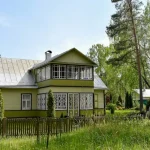
📷 Featured image by Marek Lumi on Unsplash.