On this page
- Where to Find Markets and Craft Sellers in Lahemaa
- What to Buy: The Crafts and Local Products Worth Your Money
- Manor Estate Shops and Farm Stalls: The Hidden Retail Layer
- Seasonal Markets: When to Visit for the Best Selection
- 2026 Budget Reality: What Things Actually Cost
- Practical Tips for Shopping in a Rural National Park
- Frequently Asked Questions
💰 Click here to see Estonia Budget Breakdown
💰 Prices updated: October, 2026. Budget figures are estimates — always verify before travel.
Exchange Rate: $1 USD = €0.88
Daily Budget (per person)
Shoestring: €40.00 – €70.00 ($45.45 – $79.55)
Mid-range: €120.00 – €250.00 ($136.36 – $284.09)
Comfortable: €300.00 – €900.00 ($340.91 – $1,022.73)
Accommodation (per night)
Hostel/guesthouse: €15.00 – €40.00 ($17.05 – $45.45)
Mid-range hotel: €60.00 – €150.00 ($68.18 – $170.45)
Food (per meal)
Budget meal: €15.00 ($17.05)
Mid-range meal: €35.00 ($39.77)
Upscale meal: €100.00 ($113.64)
Transport
Single metro/bus trip: €2.00 ($2.27)
Monthly transport pass: €30.00 ($34.09)
Where to Find Markets and Craft Sellers in Lahemaa
Most visitors to Lahemaa National Park in 2026 arrive expecting forests and manor houses — and are then genuinely surprised to find a scattered but rewarding network of craft markets, farm stalls, and village sellers. The challenge is that Lahemaa has no single market square. The park covers roughly 725 square kilometres, so shopping here means knowing exactly where to stop before you get behind the wheel. This guide maps it out clearly.
Palmse and the Surrounding Village Area
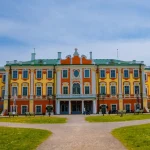
Palmse Manor is the most visited site in the park, and the area around it has developed accordingly. The manor courtyard itself hosts a small but well-curated selection of local craft vendors during summer weekends, typically from late May through August. Sellers set up along the stone walls near the distillery building — you will smell the beeswax candles and linden honey before you see the stalls. Look for handwoven linen goods, locally carved wooden items, and amber pieces from the Estonian coast.
The village of Palmse also has a farm shop operating year-round, stocked with local preserves, smoked fish from the nearby Gulf of Finland coast, and rye products from local bakers. It is small — about the size of a large kitchen — but the turnover is good and the products are genuinely local rather than imported filler.
Käsmu Village: The Captain’s Village Market
Käsmu, the so-called Captain’s Village on the Käsmu Peninsula, runs a low-key but excellent informal market along the main village road on summer weekends. It is less organised than a formal market — residents set up tables outside their homes — but that is exactly what makes it good. You will find hand-knitted wool socks and mittens, maritime-themed woodwork, and sometimes dried herbs gathered from the surrounding forest. The Käsmu Maritime Museum occasionally coordinates with local crafters to host a combined open day, which in 2026 is typically scheduled on the last Saturday of July.
Altja and Võsu: Smaller Stops Worth Making
Altja is a protected fishing village, and its character is deliberately preserved. There is no permanent market here, but the Altja tavern — operating since the 18th century in its current form — sells a small selection of local products alongside its food menu. Pickled fish, local honey, and linen kitchen goods are usually available. Võsu, slightly more developed as a seaside resort village, has a handful of craft and souvenir shops open from June through September, with the highest concentration along the main street near the beach access point.

What to Buy: The Crafts and Local Products Worth Your Money
Lahemaa’s craft output reflects the landscape directly. This is not a tourist trinket zone — the best sellers here are people who actually make what they sell, often in small workshops attached to their homes.
Linen Textiles
Estonian linen is genuinely one of the country’s best craft exports, and Lahemaa has several weavers producing table runners, tea towels, and heavier household textiles. The quality varies, so feel the weight of the fabric before buying. Genuine hand-woven linen has a slight irregularity to the weave that machine-made pieces lack. Expect natural colours — undyed, flax-grey, or soft blue — rather than bright commercial hues.
Amber and Coastal Jewellery
Baltic amber washes up on the Gulf of Finland coastline near Käsmu and Võsu. Local jewellers collect and work it into pendants, rings, and hair pieces. The pieces sold directly by the makers are almost always better value than anything in Tallinn’s Old Town shops, and the amber is more likely to be genuinely local rather than imported from Latvia or Lithuania and rebranded.
Smoked Fish and Forest Products
The Gulf of Finland provides flounder, perch, and Baltic herring, and Lahemaa’s coastal villages have a long tradition of smoking fish on site. Buying a vacuum-sealed pack of smoked flounder from a Käsmu or Altja seller and eating it with dark rye bread on the beach is one of the most honest Estonian food experiences you can have in 2026. Forest products — dried chanterelles, wild blueberry jam, pine needle syrup — are also widely available and travel well.
Knitted Wool Goods
The traditional Estonian knitting patterns from the western islands are well-known, but Lahemaa’s northern coastal knitting tradition produces its own distinct geometric motifs. Mittens and socks in natural grey, white, and black wool are practical, durable, and among the better souvenirs you can bring home from Estonia.
Manor Estate Shops and Farm Stalls: The Hidden Retail Layer
Beyond the obvious markets, Lahemaa has a layer of small estate shops and roadside farm stalls that most visitors drive straight past. These are often the best places to buy.
Sagadi Manor, which operates as a forestry museum and accommodation facility, has a well-stocked estate shop in its outbuilding. It carries books about Estonian nature and the national park, locally produced honey, beeswax products, and a rotating selection of crafts from artisans connected to the manor’s cultural programme. It is open daily during summer and on weekends through autumn.

Vihula Manor, now a resort property, has a small boutique inside the main building selling curated Estonian design goods — slightly more upscale than the village market fare, and priced accordingly. The selection in 2026 includes ceramics from Tallinn designers, Estonian chocolate and spirits, and branded linen goods.
Farm stalls along the roads between Loksa and Võsu operate on the honour-box system in some cases — a table of jars with a price list and a cash tin. These are for local honey, eggs, and seasonal vegetables. They are not craft markets, but they are part of the fabric of shopping in a rural Estonian national park.
Seasonal Markets: When to Visit for the Best Selection
Timing matters significantly in Lahemaa. The park’s market and craft activity is heavily seasonal, and arriving outside the right window means finding shuttered stalls and empty manor courtyards.
June through August is peak season. Village markets, manor courtyard vendors, and farm stalls are all operating at full capacity. Käsmu’s informal street market runs most summer weekends. Palmse hosts craft days on at least two or three weekends per month. The longest days mean you can comfortably combine market visits with forest walks and coastal stops in a single day.
September and October bring a different kind of market energy. The chanterelle and mushroom season peaks in early September, and several villages organise harvest-focused market days. Sagadi Manor typically holds an autumn fair in mid-September. The crowds thin out, prices are often slightly lower, and the amber light through the beech and pine forests makes the whole experience feel quieter and more authentic.
November through April is sparse. Most village sellers close entirely. The manor estate shops at Sagadi and Palmse maintain reduced hours, and Vihula’s boutique stays open for resort guests. If you are visiting in winter — and Lahemaa in snow is genuinely worth experiencing — plan your shopping in Tallinn or Rakvere rather than in the park itself.

2026 Budget Reality: What Things Actually Cost
Prices in Lahemaa’s markets reflect the rural Estonian economy rather than Tallinn’s tourist premium. That said, handmade goods from skilled craftspeople are not cheap, and they should not be. Here is what to expect in 2026.
- Budget tier (under €15): Small jars of local honey (€4–8), a bag of dried chanterelles (€6–12), linen tea towels (€8–14), amber pendants in simple settings (€10–15), smoked fish packs (€5–10).
- Mid-range tier (€15–60): Hand-knitted wool mittens or socks (€18–35), larger amber jewellery pieces (€20–50), hand-woven linen table runners (€25–55), beeswax candle sets (€15–25), illustrated books about Lahemaa and Estonian nature (€18–30).
- Comfortable tier (€60 and above): Full hand-woven linen tablecloths (€65–120), commissioned woodwork pieces (€70–200+), higher-end amber and silver jewellery from studio makers (€60–180), curated Estonian design goods from Vihula Manor boutique (€60–150).
Bargaining is not part of Estonian market culture and will land awkwardly. Prices are generally fair and fixed. If something seems expensive, it almost certainly reflects the time and skill involved rather than tourist markup.
Practical Tips for Shopping in a Rural National Park
Lahemaa requires a car or a well-planned cycling route to shop effectively. The distances between Käsmu, Altja, Palmse, and Sagadi are not walkable in a single day trip from Tallinn. In 2026, there is no dedicated market shuttle within the park, though the RMK (Estonian State Forest Management Centre) has expanded its trail and visitor infrastructure, and some accommodation providers in the park offer guided half-day market tours on request.
The park’s official visitor centre in Palmse is the best first stop — the staff have current information on which sellers are operating and on what days, as the schedule shifts week to week in shoulder season. The visitor centre also stocks a small selection of maps, nature guides, and local products.
Estonian summers can produce sudden afternoon rain, so if you are visiting an outdoor village market, a light jacket and waterproof bag for purchases is sensible. Many linen and wool goods are not individually packaged and can be damaged by a sudden downpour if left in an open basket.
Finally, if you find a craft seller whose work you genuinely like, ask if they take orders or ship. Several Lahemaa weavers and knitters have simple online presences in 2026 and will accept international orders for larger or custom pieces — something worth knowing if the piece you wanted was the last one on the table.

Frequently Asked Questions
Are there any permanent markets or craft shops in Lahemaa National Park?
There is no permanent daily market in Lahemaa. The closest things to permanent retail are the estate shops at Sagadi Manor and Vihula Manor, plus the small farm shop near Palmse village. Most craft selling happens at seasonal weekend markets in Käsmu, Palmse, and Altja from late May through September.
Do sellers in Lahemaa accept card payments?
An increasing number do in 2026, but it is inconsistent. Manor estate shops reliably accept cards. Village market sellers and informal stalls are often cash only. Carry €20–30 in small notes as backup. The nearest ATMs are in Loksa, about 12 kilometres from Käsmu, and in Rakvere, around 35 kilometres from Palmse.
What are the most authentic souvenirs to buy in Lahemaa specifically?
Smoked fish from the Gulf of Finland coast, hand-knitted wool mittens with traditional geometric patterns, locally collected and set Baltic amber, and linen textiles woven by local artisans are the most genuinely regional finds. Forest products like dried chanterelles and pine syrup are also excellent and distinctly Lahemaa.
When is the best time of year to visit Lahemaa for market shopping?
July and August offer the widest selection and the most vendors operating simultaneously. Early September is excellent for harvest-focused markets and mushroom products with smaller crowds. Outside June through October, most village markets and craft stalls are closed, though manor estate shops maintain limited hours through autumn and winter weekends.
Can I get to Lahemaa’s markets without a car?
It is difficult. Public bus connections from Tallinn reach Loksa and Võsu, but movement between villages inside the park requires either a car, a bicycle, or a guided tour. Several Tallinn tour operators run day trips to Lahemaa in 2026 that include market and craft stops, which is a practical option if you do not have access to a vehicle.
Explore more
Top Restaurants in Lahemaa: Your Essential Guide to Dining in the National Park
What to Buy in Lahemaa: Your Essential Estonian Souvenir Guide
Planning Your Perfect Day Trip to Lahemaa from Tallinn
📷 Featured image by Marek Lumi on Unsplash.