On this page
- Why Elva Should Be on Your Estonian Radar
- The Lakes That Define Elva’s Character
- Beaches and Swimming in Estonia’s Interior
- Hiking and Forest Adventures Around Elva
- Where to Eat and Drink in Small-Town Estonia
- Getting to Elva from Major Estonian Cities
- Planning Your Elva Visit
- 2026 Budget Guide for Elva
- Frequently Asked Questions
💰 Click here to see Estonia Budget Breakdown
💰 Prices updated: October, 2026. Budget figures are estimates — always verify before travel.
Exchange Rate: $1 USD = €0.88
Daily Budget (per person)
Shoestring: €40.00 – €70.00 ($45.45 – $79.55)
Mid-range: €120.00 – €250.00 ($136.36 – $284.09)
Comfortable: €300.00 – €900.00 ($340.91 – $1,022.73)
Accommodation (per night)
Hostel/guesthouse: €15.00 – €40.00 ($17.05 – $45.45)
Mid-range hotel: €60.00 – €150.00 ($68.18 – $170.45)
Food (per meal)
Budget meal: €15.00 ($17.05)
Mid-range meal: €35.00 ($39.77)
Upscale meal: €100.00 ($113.64)
Transport
Single metro/bus trip: €2.00 ($2.27)
Monthly transport pass: €30.00 ($34.09)
Estonia’s regional towns often get overshadowed by Tallinn’s medieval charm, but Elva proves that some of the country’s best nature experiences happen far from the capital’s cobblestones. This lakeside town of 5,500 residents sits 25 kilometres south of Tartu, surrounded by pristine lakes, dense forests, and surprisingly good beaches that make you forget you’re in the middle of Estonia rather than on its Baltic coast.
Why Elva Should Be on Your Estonian Radar
Elva earned its reputation as Estonia’s “summer capital” during the Soviet era, when families from across the Baltic states flocked here for lakeside holidays. That legacy lives on today, but with a distinctly Estonian twist. The town wraps around Verevi Lake like a comfortable embrace, with wooden villas and modern eco-lodges tucked between birch groves and pine forests.
What sets Elva apart from other Estonian lake towns is its accessibility combined with genuine wilderness feel. You can catch a direct train from Tallinn and be swimming in crystal-clear lake water within two hours. The town has embraced sustainable tourism since 2024, with new cycling paths connecting all major attractions and a growing network of eco-friendly accommodations.
Local character shines through in unexpected ways. Elva’s weekly farmers market happens year-round in the town square, where you’ll find everything from hand-knitted wool socks to locally smoked fish. The morning mist rising from Verevi Lake creates an almost mystical atmosphere, especially when viewed from the wooden observation tower that locals simply call “the Tower.”
The Lakes That Define Elva’s Character
Verevi Lake dominates Elva’s landscape and daily rhythm. This 12.8-hectare body of water maintains a comfortable swimming temperature from June through August, reaching up to 23°C during peak summer. The lake’s unusual depth – up to 11 metres in some spots – keeps the water remarkably clear, with visibility often extending 3-4 metres down.
The smell of pine needles and wild herbs drifts across the water on warm afternoons, creating an almost therapeutic atmosphere that locals credit with healing properties. While that might sound like marketing speak, the lake’s water quality consistently ranks among Estonia’s cleanest, meeting all EU swimming standards with room to spare.
Beyond Verevi, smaller lakes dot the surrounding countryside like scattered mirrors. Lake Nohipalu, just 3 kilometres northeast, offers total solitude for those seeking escape from even Elva’s gentle crowds. The 15-minute walk there follows a marked nature trail through old-growth forest where you might spot red deer or the occasional lynx track.
Lake Kastjärv presents a different character entirely – darker water surrounded by sphagnum bogs that create an otherworldly landscape. Local guides offer moonlit canoe tours here during summer months, though advance booking through Elva Tourism Centre is essential.
Seasonal Lake Activities
Summer transforms the lakes into recreation centres. Kayak rentals operate from three locations around Verevi Lake, with single kayaks costing €15 per half-day and doubles at €25. The lake’s protected status means motorboats are prohibited, keeping noise levels low and water quality high.
Winter brings different possibilities. When temperatures drop below -10°C for several consecutive days, locals test ice thickness and mark safe skating areas with flags. Ice fishing becomes popular among patient visitors, though you’ll need a permit from the town hall (€5 for day fishing).
Beaches and Swimming in Estonia’s Interior
Elva’s main beach stretches 200 metres along Verevi Lake’s southern shore, complete with lifeguards during peak season (15 June – 15 August) and surprisingly good facilities for a town this size. The sandy bottom slopes gradually, making it ideal for families, while wooden piers extend into deeper water for confident swimmers.

The beach area includes changing rooms, outdoor showers, and a small café that serves proper Estonian beach food – grilled fish, fresh bread, and cold beer. What you won’t find are the crowds that plague Baltic seaside resorts. Even on the busiest July weekends, you can claim a peaceful spot on the beach.
Beach volleyball courts and a children’s playground occupy the area behind the main beach, while rental stands offer paddleboards (€12 per hour), pedal boats (€18 per hour), and fishing equipment. The water quality monitoring station posts daily updates on temperature and safety conditions.
Alternative Swimming Spots
Locals guard their secret swimming spots jealously, but a few have become semi-official alternatives. The wooden platform at Verevi Lake’s northwest corner offers ladder access to deeper water, popular with serious swimmers who want to avoid the beach scene.
For wild swimming enthusiasts, Lake Nohipalu provides the ultimate Estonian lake experience. No facilities, no crowds, just pure water surrounded by untouched forest. The access point requires a 10-minute walk from the nearest parking area, which keeps casual visitors away.
The heated outdoor pool at Elva Gymnasium opens to public use during July and August (weekdays 6-8 PM, weekends 2-6 PM) for €3 per visit. While not exactly natural, it extends swimming season when lake temperatures drop below comfortable levels.
Hiking and Forest Adventures Around Elva
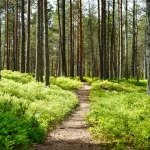
Elva sits at the intersection of several marked hiking trails that showcase different aspects of Estonian forest ecology. The 8-kilometre Elva Nature Trail forms a complete loop around the town, passing through four distinct ecosystem types: pine forest, birch groves, wetland margins, and old agricultural land returning to wilderness.
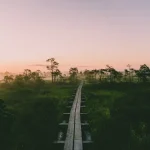
The trail’s wooden boardwalk sections cross sensitive bog areas where carnivorous plants thrive in summer months. Information boards explain the ecology in Estonian, English, and Russian, making this an excellent introduction to Baltic forest systems. The complete loop takes 2-3 hours at a comfortable pace, with several shorter exit points for less ambitious walkers.
More challenging hiking awaits in the Otepää Nature Park, beginning just 15 kilometres south of Elva. The Pühajärve-Kääriku trail connects to Elva via marked forest paths, creating possibilities for multi-day adventures with overnight stops in forest huts or guesthouses.
Wildlife Watching Opportunities
Early morning walks frequently reward visitors with wildlife sightings. Red squirrels are practically guaranteed in the pine forests around town, while roe deer appear regularly in meadow areas during dawn and dusk hours. More elusive residents include pine martens, beavers along stream corridors, and occasionally brown bears passing through during autumn berry season.
Bird watching peaks during spring migration (April-May) and autumn passage (September-October). The mixed forest habitat attracts everything from tiny goldcrests to impressive black storks. Local ornithologist Mart Külm offers guided bird walks by arrangement through Elva Tourism Centre, particularly valuable for identifying species by call.
The crunch of pine needles underfoot and distant calls of cranes create a soundtrack that defines Estonian forest walking. These sensory elements, combined with the clean scent of resin and earth, make hiking around Elva a genuinely restorative experience rather than just exercise.
Where to Eat and Drink in Small-Town Estonia
Elva’s dining scene punches above its weight for a town this size, driven by summer visitors and a surprising number of food-conscious locals. Café Verevi occupies a renovated wooden villa overlooking the lake, serving elevated Estonian comfort food with ingredients sourced from nearby farms.
Their signature dish – slow-cooked pork with barley and forest mushrooms – arrives on wooden boards with the rich aromas of herbs and rendered fat that immediately transport you to an Estonian countryside kitchen. Main courses range €14-22, with generous portions that reflect local expectations rather than tourist pricing.
Restaurant Elva offers more formal dining in a beautifully restored 1920s building on the main square. The menu changes seasonally but always features locally caught pike-perch, venison from nearby forests, and creative interpretations of traditional Estonian dishes. Expect to spend €25-35 per person for a full meal with wine.
Local Specialties and Seasonal Offerings
Summer brings outdoor terraces and expanded menus featuring lake fish, wild berries, and vegetables from local gardens. Smoked fish from Verevi Lake appears on most menus, prepared using traditional methods that create subtle flavours distinct from coastal varieties.
The weekly market (Saturdays 9 AM-2 PM) showcases local producers selling everything from artisanal cheeses to honey, freshly baked black bread, and seasonal preserves. This isn’t a tourist market – locals do their weekly shopping here, ensuring authenticity and reasonable prices.
Elva Brewery, operating since 2023 in a converted grain warehouse, produces small-batch ales using local ingredients including bog cranberries and birch syrup. Their tasting room opens Friday-Sunday, offering flights of four beers for €8 with locally made cheese and bread.
Coffee Culture and Casual Dining
Kohvik Kastike serves arguably Estonia’s best coffee outside major cities, roasting beans on-site and creating a genuinely welcoming atmosphere for both locals and visitors. The warm scent of fresh-ground coffee mingles with homemade pastries in a space that feels more like a friend’s living room than a commercial establishment.
For quick meals, Elva Grill has operated from the same street corner since 1994, serving grilled meats, local sausages, and surprisingly good salads. It’s nothing fancy, but portions are generous and prices reasonable (€6-10 for a complete meal).
Getting to Elva from Major Estonian Cities
Direct trains connect Elva to Tallinn four times daily, with the journey taking 2 hours and 15 minutes through countryside that showcases Estonia’s agricultural heartland. The morning departure (8:47 AM from Tallinn Central) arrives perfectly timed for lunch and afternoon lake activities. Tickets cost €7.20 for standard class, with advance booking available through Elron’s 2026 digital platform.
The train station sits just 800 metres from Verevi Lake, making arrival by rail genuinely convenient. A marked walking path connects the station to the town centre, passing through pine forest that immediately establishes Elva’s natural character.
From Tartu, the options multiply significantly. Trains run hourly during peak season (May-September) with a 25-minute journey time costing €2.40. The Tartu-Elva bus route offers even more frequency – departures every 30 minutes from Tartu bus station for €2.10, though the 35-minute journey includes several intermediate stops.
Driving and Parking
The E263 highway provides direct access from Tallinn via Tartu, with well-maintained roads throughout. Driving time ranges from 90 minutes (from Tallinn) to 20 minutes (from Tartu), depending on starting point and traffic conditions. Free parking exists throughout Elva, including designated areas near the lake and hiking trail access points.
Car rental makes sense for exploring surrounding areas, though Elva itself remains perfectly walkable. Several Tallinn rental companies now offer delivery to Elva train station for an additional €15-25 fee, creating flexibility for visitors arriving by public transport.
The new Rail Baltica connection scheduled for late 2026 will reduce Tallinn-Elva travel time to under 90 minutes, though the service won’t begin operating until the following year.
Planning Your Elva Visit
Elva works beautifully as a day trip from either Tallinn or Tartu, offering enough activities to fill 6-8 hours without feeling rushed. The typical day-trip pattern involves a morning arrival, lunch at a lakeside restaurant, afternoon swimming or hiking, and early evening departure. This approach captures Elva’s essential character while fitting into most travel schedules.
However, staying overnight unlocks different experiences. Early morning mist over Verevi Lake creates photography opportunities impossible during day visits, while evening forest walks reveal wildlife that remains hidden during busier daytime hours. The pace of life slows noticeably after day-trippers depart, allowing genuine connection with local rhythms.
Accommodation Options
Villa Verevi offers the most atmospheric accommodation – a restored 1930s wooden villa directly overlooking the lake. The six rooms feature period furniture and modern amenities, with breakfast served on a terrace where you can watch the lake wake up. Rates start at €75 per night for a standard double room.
For budget-conscious travellers, Elva Hostel provides clean, basic accommodation just 300 metres from the beach. Dormitory beds cost €18 per night, while private doubles start at €45. The hostel organises group activities including guided forest walks and canoe trips.
Camping enthusiasts can use the designated camping area at Verevi Lake’s eastern shore. Facilities include toilets, showers, and picnic tables, with sites costing €8 per tent per night. Wild camping is prohibited within town limits but allowed in surrounding forest areas following standard Estonian guidelines.
Multi-Day Itinerary Suggestions
Two days allows proper exploration of both lake activities and forest hiking, with time for relaxed meals and potential wildlife watching. Three days opens possibilities for day trips to nearby Otepää Nature Park or Tartu, using Elva as a peaceful base away from urban noise.
Weekly visitors often establish routines that mirror local life – morning forest walks, afternoon lake time, evenings at local restaurants or the brewery. This slower pace suits travellers seeking genuine restoration rather than rapid sightseeing.
2026 Budget Guide for Elva
Budget travellers can experience Elva comfortably for €30-40 per day, including accommodation, meals, and activities. This assumes hostel accommodation, self-prepared breakfast and lunch, one restaurant meal, and free activities like hiking and swimming.
Mid-range visitors spending €60-80 daily enjoy private accommodation, all meals at restaurants, equipment rentals, and guided activities. This budget provides genuine comfort while supporting local businesses.
Comfortable travel (€100+ daily) includes villa accommodation, fine dining experiences, private guides, and premium services like spa treatments or speciality tours. Even at this level, Elva remains significantly less expensive than comparable destinations in Western Europe.
Specific 2026 Price Ranges
- Accommodation: Hostel beds €18-25, guesthouses €45-65, villa rooms €75-120 per night
- Meals: Market breakfast €3-5, casual lunch €8-12, restaurant dinner €15-30
- Equipment rentals: Kayaks €15-25/half-day, bikes €12-18/day, hiking gear €5-10/day
- Guided tours: Nature walks €15-20 per person, canoe trips €35-45 per person
- Transport: Train from Tallinn €7.20, bus from Tartu €2.10, local taxi €5-8 within town
Currency exchange isn’t necessary – Estonia uses the euro, and all businesses accept cards. Cash remains useful for market purchases and some equipment rentals.
Frequently Asked Questions
When is the best time to visit Elva for swimming and outdoor activities?
June through August offers warmest lake temperatures and longest daylight hours. July provides peak conditions with average lake temperatures around 20-23°C and minimal rainfall.
Can I visit Elva without speaking Estonian?
English is widely spoken in tourist businesses, restaurants, and accommodation. Many locals also speak Russian or German. Basic services function smoothly for English-speaking visitors.
Are the hiking trails suitable for beginners?
Yes, the main Elva Nature Trail features well-marked paths, boardwalks over difficult terrain, and multiple exit points. Most sections remain accessible year-round with proper footwear.
What should I pack for a lake-focused visit to Elva?
Swimming gear, quick-dry towel, waterproof jacket, comfortable walking shoes, insect repellent, and sun protection. Weather changes quickly, so layers are essential even in summer.
Is Elva suitable for families with young children?
Absolutely. The main beach has lifeguards, shallow water areas, playgrounds, and family-friendly restaurants. Most accommodation options welcome children, and activities suit various age groups.
📷 Featured image by Janek Valdsalu on Unsplash.