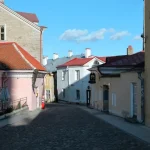
April transforms Tallinn’s UNESCO-listed Old Town into something magical — the medieval cobblestones warm under spring sunshine, café terraces reopen after winter’s hibernation, and the tourist crowds haven’t yet arrived. This creates the perfect window for experiencing one of Europe’s best-preserved medieval cities at its most authentic and accessible.
April Weather and Seasonal Advantages for Medieval Exploration
April in Tallinn brings average temperatures between 2°C and 10°C, with increasingly longer daylight hours reaching nearly 15 hours by month’s end. The medieval stone buildings hold winter’s chill well into spring, making layered clothing essential for comfortable exploration. Pack a windproof jacket — the Baltic breeze can cut through the narrow medieval streets unexpectedly.
The weather creates distinct advantages for Old Town exploration. Medieval buildings look particularly striking against April’s dramatic cloud formations, and the softer spring light enhances the warm tones of limestone walls and red-tiled roofs. Rain occurs on roughly half the days, but brief showers add atmosphere rather than disruption — imagine the echo of raindrops on ancient cobblestones as you duck into a 14th-century merchant house.
Tourist numbers remain manageable in April, meaning you can actually photograph Tallinn’s iconic viewpoints without crowds and enjoy unhurried conversations with locals in Old Town shops and cafés. The medieval atmosphere feels more authentic when you’re not fighting through tour groups to reach the Town Hall Square.
Essential Medieval Landmarks and Their Spring Appeal
Town Hall Square (Raekoja plats) serves as the heart of medieval Tallinn, dominated by the Gothic Town Hall dating to the 13th century. In April, the square’s outdoor café tables begin appearing, though locals still wrap themselves in blankets while sipping coffee. The medieval pharmacy, operating since 1422, displays spring herbs and traditional remedies in its ancient windows.

The 124-meter spire of St. Olaf’s Church pierces April skies dramatically, and climbing its medieval stairs rewards you with panoramic views over red-tiled rooftops stretching to the Baltic Sea. April’s clear air provides exceptional visibility, often revealing ships on the horizon and the forested islands beyond Tallinn Bay.
Toompea Castle represents 800 years of continuous governance, its medieval foundations supporting Estonia’s modern parliament. The pink baroque facade contrasts beautifully with April’s fresh green buds on surrounding trees. The castle’s viewpoints offer sweeping perspectives over the lower Old Town’s medieval street pattern, still following routes established in the 13th century.
Alexander Nevsky Cathedral’s onion domes catch April’s changing light throughout the day, creating striking photographic opportunities against the medieval backdrop. The sweet scent of incense drifts from the cathedral’s open doors, mixing with the crisp spring air.
St. Catherine’s Passage preserves medieval craft traditions in atmospheric workshops where artisans create glassware, ceramics, and textiles using centuries-old techniques. The narrow cobblestone passage feels particularly intimate in April, when soft natural light filters through the medieval archway.
Walking Routes Through the Old Town’s Historic Quarters
The Lower Town encompasses the medieval merchants’ quarter, best explored starting from the Great Guild Hall and following the ancient trade routes through narrow streets like Müürivahe and Sauna. These medieval thoroughfares retain their original width and routing, creating an authentic sense of stepping back centuries. The limestone walls show centuries of wear, and metal plaques mark buildings’ medieval origins.
Begin your exploration at the medieval city gates — Viru Gate’s twin towers frame the Old Town’s entrance dramatically. Follow Viru Street into the heart of the merchants’ quarter, where medieval houses display distinctive architectural features: steep-pitched roofs designed for Northern European winters, small windows reflecting old glass technology, and thick stone walls built for defense.

The Upper Town (Toompea) represents the medieval nobility’s domain, reached via steep cobblestone paths that medieval horses once climbed. Pikk jalg (Long Leg) and Lühike jalg (Short Leg) streets connect the two levels, their medieval gates still controlling access as they did 700 years ago.
For photography enthusiasts, the medieval city walls provide dramatic backdrops throughout April. The 1.9-kilometer remaining section includes 26 defensive towers, each with distinct architectural features. Hellemann Tower and Fat Margaret Tower offer particularly striking compositions against April’s dynamic skies.
Plan 3-4 hours minimum for thorough Old Town exploration, allowing time to enter churches, browse medieval-themed shops, and pause at viewpoints. The cobblestones become slippery when wet, so wear shoes with good grip — leather soles slide dangerously on medieval stones.
Local Spring Traditions and Cultural Events
April marks the beginning of Tallinn’s cultural season, with medieval-themed events taking advantage of milder weather. The Old Town’s courtyards host intimate concerts featuring medieval and Renaissance music, often in candlelit settings that enhance the historical atmosphere.
Local restaurants begin featuring spring ingredients in medieval-inspired dishes. Traditional Estonian bread soup (leivasupp) appears on menus using early spring herbs, while medieval taverns like Olde Hansa recreate historical dining experiences with authentic recipes and costumed servers. The aroma of mulled wine gives way to fresh beer as tavern owners roll out their first outdoor barrels.
Craftspeople in St. Catherine’s Passage expand their outdoor demonstrations as weather permits, showing traditional techniques for medieval crafts. Watch glassblowers create pieces using methods unchanged since the Middle Ages, or observe weavers working on traditional Estonian patterns that decorated medieval textiles.
The medieval Guild system’s legacy continues through specialized shops selling traditional Estonian handicrafts. Sweater patterns dating to medieval times appear in modern designs, while woodworkers create items using techniques passed down through guild traditions.

April’s longer daylight hours allow for evening exploration of the Old Town’s atmospheric lighting. Medieval buildings illuminated against twilight skies create romantic settings, particularly around Town Hall Square where soft lighting emphasizes architectural details invisible during harsh winter months.
Budget Planning for April Visits
April offers excellent value for exploring Tallinn’s Old Town, with accommodation and dining prices remaining at shoulder-season levels before summer’s premium rates begin.
Accommodation (per night):
- Budget hostels near Old Town: €15-25
- Mid-range hotels with medieval themes: €60-90
- Comfortable boutique properties in medieval buildings: €120-180
Dining in medieval settings:
- Traditional Estonian lunch: €8-15
- Medieval tavern dinner experience: €25-40
- Fine dining in historic buildings: €50-80
Activities and attractions:
- Church tower climbs: €3-5
- Medieval museum entries: €5-8
- Walking tour with medieval focus: €15-20
- Traditional craft workshop participation: €20-35
Many medieval attractions offer combination tickets providing better value. The Tallinn Card includes public transport and museum entries, particularly worthwhile for visitors planning multiple attraction visits over 2-3 days.
Self-catering remains budget-friendly, with medieval-era markets like the one near Town Hall Square offering fresh local produce. Traditional Estonian black bread costs around €1-2 per loaf and pairs perfectly with local cheeses and smoked fish for medieval-inspired picnics.
Frequently Asked Questions
What should I wear when exploring Tallinn’s medieval cobblestones in April?
Comfortable walking shoes with good grip are essential — leather soles slip on wet cobblestones. Layer clothing for temperatures ranging from 2°C to 10°C, and pack a windproof jacket for Baltic breezes.
How long does it take to explore the Old Town thoroughly?
Plan a full day minimum for comprehensive exploration, including church visits and museum stops. The medieval area covers roughly 1 square kilometer but contains centuries of history requiring unhurried discovery.

Are medieval attractions open normal hours in April?
Most attractions operate regular hours by April, though some outdoor medieval events wait for May. Church towers and museums maintain consistent schedules, while outdoor craft demonstrations depend on weather conditions.
Can I experience authentic medieval atmosphere in modern Tallinn?
Absolutely — Tallinn preserves Europe’s most complete medieval city center. Many buildings retain original features, craft traditions continue through guild systems, and traditional restaurants serve historical recipes in authentic settings.
Is April a good time for medieval photography in the Old Town?
April offers excellent photography conditions with dramatic spring light, manageable crowds, and atmospheric weather. Early morning and late afternoon provide the best lighting for medieval architecture against changing spring skies.
Explore more
April in Estonia: Where to Experience Spring’s Natural Beauty
Your Packing Guide for Estonia in April: Layers for Spring Weather
Discovering Estonia in April 2026: Making the Most of Longer Daylight Hours
📷 Featured image by Anastasiia R. on Unsplash.