On this page
- Weather and What to Pack for May 2026
- Estonia’s National Parks Come Alive
- Island Hopping Season Begins
- City Parks and Urban Green Spaces
- Cycling Routes and Bike-Friendly Infrastructure
- Coastal Activities and Beach Preparation
- Spring Festivals and Outdoor Events
- Budget Breakdown for May Travel
- Frequently Asked Questions
May 2026 marks Estonia’s true transition into outdoor season, but many visitors still arrive unprepared for the country’s unpredictable spring weather patterns. While social media showcases sunny park picnics and blooming meadows, reality often includes sudden rain showers and surprisingly cool evenings that can derail outdoor plans.
Weather and What to Pack for May 2026
Estonia’s May weather operates on its own schedule. Temperatures typically range from 8°C to 18°C, but daily swings of 10 degrees are common. Morning fog often blankets coastal areas until mid-morning, giving way to bright sunshine that can quickly disappear behind fast-moving clouds.
The scent of lilac blooms fills Tallinn’s streets by mid-May, while birch pollen creates a thin yellow dust on parked cars. Rain arrives without warning, transforming forest trails into muddy paths within minutes. Pack layers: a waterproof jacket, warm fleece, and breathable base layers. Waterproof hiking boots are essential, even for city exploration.
Daylight stretches impressively long, with sunrise around 5:30 AM and sunset past 9:00 PM by month’s end. This extended light creates perfect conditions for late-evening photography and spontaneous outdoor dining, though temperatures drop quickly after sunset.
Estonia’s National Parks Come Alive
Lahemaa National Park transforms dramatically in May as migrant birds return and wildflowers carpet forest floors. The park’s bog boardwalks, which can be treacherous in winter, become accessible hiking routes through unique wetland ecosystems. Viru Bog offers the most dramatic spring awakening, with cotton grass creating white waves across the landscape.
Soomaa National Park experiences its famous “fifth season” flood period that can extend into early May, creating temporary lakes perfect for canoeing through flooded forests. The park’s walking trails emerge from winter conditions gradually, with higher elevation paths drying out first.

Matsalu National Park becomes Estonia’s premier birdwatching destination as thousands of migrating species pass through. May mornings at Matsalu Bay offer symphony-like dawn choruses with over 100 bird species audible simultaneously. The park’s observation towers provide elevated views across reed beds where bitterns boom and marsh harriers patrol.
Entry to all national parks remains free, though some activities require permits. Guided bog walks cost around €15 per person and run weekends throughout May.
Island Hopping Season Begins
Ferry connections to Estonia’s islands increase frequency in May as tourism operators prepare for summer season. Saaremaa’s medieval Kuressaare Castle opens its outdoor courtyards for extended hours, while the island’s windmills begin their maintenance season, creating photogenic scenes of craftsmen working against rural backdrops.
Hiiumaa Island’s lighthouse tours resume full operation, with Kõpu Lighthouse offering panoramic views across the Baltic Sea. The island’s unique alvar landscape displays spring flowers found nowhere else in Estonia. Cycling becomes practical as coastal winds moderate and roads clear of winter debris.
Muhu Island serves as the gateway to Saaremaa but deserves exploration itself. The island’s traditional thatched-roof houses display spring gardens where locals cultivate herbs and vegetables using centuries-old techniques. The distinctive smell of peat smoke from traditional saunas mingles with sea air along coastal villages.
Ferry prices remain consistent year-round: Virtsu to Kuivastu costs €8.80 for cars plus €1.90 per passenger. Reserve vehicles in advance for May weekends as locals begin their island cottage migrations.
Practical Island Considerations
Island accommodation opens gradually through May, with many guesthouses and restaurants maintaining limited schedules until mid-month. Call ahead to confirm operating hours, especially for dining options. Grocery stores operate normal hours, but specialized services like bike rentals may run reduced schedules.

City Parks and Urban Green Spaces
Tallinn’s Kadriorg Park reaches peak spring beauty in May as the baroque palace gardens display carefully planned succession blooms. The Japanese Garden corner offers meditative walking paths lined with flowering cherry trees, while the formal French parterre showcases geometric patterns using seasonal flowers.
Tartu’s Toomemägi Park provides elevated views over the city as leaves unfurl on centuries-old trees. The park’s network of walking paths connects historical ruins with modern playgrounds, creating spaces where university students study outdoors and families enjoy extended daylight hours.
Pärnu’s beach park extends the seaside promenade inland through landscaped areas designed for both active recreation and quiet contemplation. Beach volleyball courts reopen, and outdoor fitness equipment sees increased use as temperatures become comfortable for extended exercise.
Urban parks across Estonia maintain free access and provide public toilets, though these may operate reduced hours early in the season. Most parks offer free WiFi near main entrances.
Cycling Routes and Bike-Friendly Infrastructure
Estonia’s extensive cycling network becomes fully accessible in May as dedicated bike paths clear of winter maintenance equipment. The Tallinn-Haapsalu coastal route offers 100 kilometers of protected cycling through varied landscapes, from urban parkland to traditional fishing villages.
Tartu’s academic atmosphere extends to its cycling culture, with dedicated bike lanes connecting student districts to university campuses. The city’s bike-sharing system operates year-round, with May marking increased availability as tourists join local cyclists.
Rural cycling routes through Setomaa region provide cultural immersion alongside physical activity. Traditional Seto villages maintain spring farming practices visible from designated cycling paths. These routes require standard road bikes rather than specialized equipment.
Bike rental costs average €15-20 per day in cities, with weekly rates offering better value at €70-90. Electric bikes cost approximately double but provide assistance for Estonia’s numerous hills and headwinds.

Safety and Maintenance
Estonian drivers generally respect cyclists, though rural roads require extra caution as agricultural vehicles increase activity during spring planting season. Carry basic repair tools and spare tubes, as bike shops outside major cities operate limited hours. Weather changes quickly, so pack rain gear even for short rides.
Coastal Activities and Beach Preparation
Estonia’s beaches prepare for summer season throughout May, though water temperatures remain around 8-12°C. Pärnu beach workers install seasonal amenities like changing cabins and beach chair rentals, while maintaining the Blue Flag environmental standards that attract international visitors.
Coastal hiking along Lahemaa’s rocky shores becomes particularly rewarding as seabirds return to nesting colonies. The sound of waves against limestone cliffs combines with bird calls to create Estonia’s distinctive coastal soundscape. Proper hiking boots prove essential as coastal rocks remain slippery from spring rain.
Beach towns like Haapsalu and Kärdla begin extending restaurant hours and reopening seasonal cafes. Many establishments offer “soft opening” periods with limited menus while staff prepares for full summer operations.
Swimming requires serious cold-water preparation, though some locals begin their annual Baltic Sea swimming traditions in May. Wetsuits are strongly recommended for any water activities beyond brief dips.
Spring Festivals and Outdoor Events
May brings Estonia’s first major outdoor cultural events as weather becomes reliable enough for extended programming. Traditional folk festivals in smaller towns often feature outdoor performances showcasing regional music and dance traditions.
Local food festivals highlight spring ingredients, particularly wild greens and early herbs that appear in Estonian cuisine. These events typically occur in town squares or park settings, allowing visitors to sample regional specialties while enjoying mild weather.
University towns like Tartu host student festivals that spill into public spaces, creating vibrant street life as academic years conclude. These events provide insight into contemporary Estonian culture beyond tourist-focused programming.

Check local tourism offices for specific dates, as many spring events operate on flexible schedules depending on weather conditions. Most outdoor festivals include covered areas for sudden rain showers.
Budget Breakdown for May Travel
May offers excellent value as shoulder season pricing remains in effect while weather supports outdoor activities. Accommodation costs sit between winter lows and summer peaks.
Budget travelers (€50-70 per day): Hostel beds €15-25, grocery store meals €8-12, public transport day passes €2-4, free park visits and hiking trails.
Mid-range travelers (€80-120 per day): Guesthouse rooms €45-65, restaurant meals €15-25, occasional taxi rides €8-15, paid activities like bog walks €15, bike rentals €20.
Comfortable travelers (€150-200+ per day): Hotel rooms €80-150, fine dining €35-50, private tours €100-150, car rentals €35-45 per day, premium experiences and spa visits.
May pricing generally runs 15-20% below peak summer rates while offering 80% of the outdoor experience. Advance booking for accommodation is recommended but not critical, except for popular island destinations on weekends.
Frequently Asked Questions
Is May too early for camping in Estonia? Camping is possible but requires proper cold-weather gear. Nighttime temperatures can drop to 2-5°C. Many campgrounds operate limited services until mid-May, so confirm facilities beforehand.
Are hiking trails fully accessible in May? Most marked trails are accessible, though muddy conditions are common after rain. Bog boardwalks and coastal paths offer the most reliable footing. Check park websites for trail condition updates.
What outdoor activities should I avoid in May? Swimming without wetsuits, extended camping without proper gear, and cycling in rural areas without rain protection. Some island ferry services run reduced schedules, so verify departure times.
Do I need insect repellent in May? Generally no, though mosquitoes begin appearing in bog areas by late May. Ticks become active in forested areas, so use repellent for hiking and wear long pants in wooded regions.
Are outdoor restaurants and cafes open in May? Many begin opening patios and terraces mid-May, though hours may be limited early in the month. Call ahead for evening dining, as some establishments wait for consistently warm weather before extending hours.
Explore more
Jazzkaar Festival in Tallinn: Your Guide for an April 2026 Visit
Discovering Estonia’s Bogs: A Spring Hike for April 2026 Visitors
Birdwatching in Estonia: Welcoming Spring Migrants in April 2026
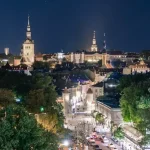
📷 Featured image by Jaanus Jagomägi on Unsplash.