Why September Hits Different in Estonia
A lot of travelers heading to Estonia in 2026 are making the same mistake: they book July because it feels safe, then spend a week fighting crowds in Tallinn’s Old Town and paying peak-season prices for everything. September solves most of those problems at once. The summer rush drains away after the first week of the month, prices drop, and Estonia shifts into a quieter, more honest version of itself. The forests start to turn. The light gets low and golden by late afternoon. The air smells of damp earth and pine resin in a way that simply does not happen in summer. If you have flexibility in your travel dates, September is the month most people who actually live here would choose.
Where the Colors Actually Show First
Estonia’s autumn color change does not arrive uniformly across the country. It starts in the north and east, works through the forests, and reaches the coastal areas last. Knowing this lets you position yourself in the right place at the right time.
Lahemaa National Park
This is the first place to watch. Lahemaa sits roughly 70 kilometres east of Tallinn and contains a dense mix of pine, birch, and alder forests. By the second week of September, the birch trees are already beginning to yellow at their tips. By the final week, whole stands of birch turn a clean, bright gold against the dark backdrop of spruce. The forest floors go rust and copper with fallen leaves and bracken. You can walk for hours here and see almost nobody outside of weekends.
Soomaa National Park
Soomaa in central Estonia is primarily bog and flood plain, and the color palette here is different — darker, more amber and burgundy. The bog sedges and heather shift into deep red by mid-September. The air is still and quiet in a way that feels almost unsettling if you are used to cities. This is one of the few places in Estonia where you can feel genuinely remote, even though you are not far from a paved road.
South Estonia and the Võru Region
The rolling hills and mixed woodland around Võru and Põlva are underrated in autumn. The landscape here has more variety than the flat forests of northern Estonia — small valleys, streams, and farmland create a patchwork effect when the leaves start turning. The colors often peak here a few days later than in Lahemaa, making it worth considering for a trip in the last week of September or even into early October.

September Weather: What to Realistically Expect
September in Estonia is genuinely unpredictable, and that is not a complaint — it is just the truth. The month can produce warm, sunny days that feel like a late summer gift, or it can deliver a week of grey drizzle and 10°C temperatures that makes you wish you had packed better. Most years, early September sits between 14°C and 18°C during the day, cooling to 7°C or 8°C at night. By late September, daytime highs drop toward 10°C to 13°C, and night temperatures can touch 4°C or 5°C.
Rainfall is moderate but frequent — expect some rain on most weeks, though rarely all-day downpours. The bigger issue is that when it rains in an Estonian forest, the trails get muddy fast. Waterproof boots are not optional. A light rain jacket that packs small is worth carrying at all times.
Daylight is a significant change from summer. In early September you have around 14 hours of daylight. By the end of the month that drops to roughly 11 hours. Sunset moves to around 19:30 in early September and closer to 18:45 by late September. The low-angle afternoon light is actually a benefit for photography and for making landscapes look more dramatic, but plan your forest walks to end before dusk.
2026 Budget Reality: What September in Estonia Costs
September sits in the shoulder season, which means prices have already started to fall from the July–August peak. You will not always find dramatic discounts on accommodation in Tallinn’s Old Town, since that area commands high prices year-round, but outside the city center costs become much more reasonable.
Accommodation
- Budget: Hostel dorm beds in Tallinn run around €18–€28 per night in September. Guesthouses in rural areas near Lahemaa or Soomaa can be found from €45–€65 for a private room.
- Mid-range: A solid hotel room in Tallinn’s city center costs €80–€130 per night. Farmstay accommodation (which is excellent in Estonia) runs €70–€110 for a private room or small cottage.
- Comfortable: Design hotels or boutique properties in Tallinn’s Old Town range from €150–€250. Upscale countryside retreats with sauna access sit around €180–€280 per night.

Food and Drink
- Budget: A lunch special at a local Estonian café costs €8–€12 and is often the best value meal of the day — typically a soup, main, and sometimes a drink included. Supermarket groceries for self-catering are cheap.
- Mid-range: Dinner at a decent restaurant in Tallinn or Tartu runs €18–€35 per person without wine.
- Comfortable: A full dinner with drinks at one of Tallinn’s better restaurants — €50–€80 per person.
Transport
Bus travel between major cities remains affordable. Tallinn to Tartu by bus costs around €8–€14 depending on the operator and booking time. Renting a car, which is the most practical way to reach Lahemaa or Soomaa independently, typically costs €40–€70 per day for a standard car in September, excluding fuel. Fuel prices in Estonia in 2026 have remained broadly consistent with other EU countries.
Forest Walks, Bogs, and the Smell of Wet Leaves
There is something specific that happens in an Estonian forest in September that photographs do not fully capture. After rain, the undergrowth releases a smell — wet moss, decomposing leaves, and something faintly mushroom-like — that is dense enough to feel like a physical presence. It is not unpleasant. It is the smell of a forest doing what it does at this time of year, and it becomes a strong sense memory for most visitors.
September is also peak mushroom season in Estonia, and foraging is taken seriously here. Chanterelles are still around in early September, while porcini (known locally as kivipuravik) peak in the middle of the month. Many Estonians spend weekends walking the forest with a basket, and it is a deeply practical tradition rather than a trendy hobby. You are likely to encounter foragers in Lahemaa and around the forests of Harjumaa on any weekend morning.
Tallinn and Tartu in September
The cities do not sit still in September. Tallinn’s Old Town loses its most congested summer crowds after the first ten days of the month, and the narrow cobblestone streets become genuinely pleasant to walk again. The city’s café culture moves indoors gradually — many places keep outdoor seating until the weather turns, and on a warm September afternoon the terraces along Müürivahe Street still fill up.
Tartu, Estonia’s university city, comes back to life in September. The academic year restarts, the streets fill with students, and the city’s bar and café scene picks up noticeably. Tartu has a different energy from Tallinn — more local, less polished for tourists — and September is when that energy is most visible. The town hall square in the early evening, with café lights starting to glow as the temperature drops, is a genuinely pleasant place to spend time.

One practical note: the Tallinn Card, which gives access to public transport and many museums, represents good value in September when you are spending meaningful time in the city. The tram and bus network covers the main areas visitors use, and the public transport system is clean and reliable.
Frequently Asked Questions
Is September a good month to visit Estonia for the first time?
Yes — September is one of the best months for a first visit. Crowds have thinned from summer peaks, prices are lower, and the beginning of autumn color makes landscapes particularly attractive. The weather is variable but manageable. You get a more authentic feel for everyday Estonian life compared to the busiest tourist months.
When exactly do the autumn colors peak in Estonia?
In most years, the first noticeable color change begins in the second week of September in northern forests like Lahemaa. Peak color across central and southern Estonia typically falls between late September and mid-October. September gives you the early, fresh stages of the change rather than the full peak, which arrives in October.
Do I need a car to see autumn colors in Estonia?
For the national parks and rural areas, a car is strongly recommended. Public bus routes reach some towns near Lahemaa and Soomaa, but getting into the forest interiors without a car is difficult and time-consuming. Car rental is straightforward from Tallinn and relatively affordable in the shoulder season.
What should I pack for Estonia in September?
Waterproof ankle boots, a packable rain jacket, and layers you can add or remove are essential. Daytime temperatures can reach 18°C but evenings drop sharply to 6°C–8°C by late September. A light fleece or wool mid-layer, waterproof outer layer, and a warm hat for evening walks cover most conditions you will encounter.
Are tourist attractions in Tallinn less crowded in September?
Noticeably so after the first week of the month. The main lookout points on Toompea Hill and the popular streets of the Old Town are significantly quieter than July or August. Some smaller museums and attractions maintain reduced hours from September onward, so checking opening times before visiting is worthwhile.
Explore more
Discovering Pärnu: Estonia’s Summer Capital in August 2026
Savoring Estonia’s Late Summer Flavors: A Culinary Guide for August 2026
What to Pack for Estonia in August 2026: Late Summer Essentials
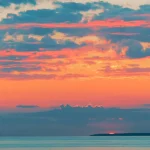
📷 Featured image by Stefan Hiienurm on Unsplash.