On this page
- Why Estonia Works So Well for Families
- Where to Base Yourselves: Regions for Families
- Tallinn and Tartu: City Highlights Kids Remember
- Wild Estonia: Bogs, Rivers and Forests
- Rainy Day and Cold Day Backups
- Island Escapes: Saaremaa, Muhu and Hiiumaa
- Easy Day Trips from Tallinn
- Eating Out with Kids
- Getting Around Estonia with Children
- Best Time to Visit
- Where to Stay by Budget
- Practical Tips for Parents
- 2026 Budget Breakdown
- Frequently Asked Questions
💰 Click here to see Estonia Budget Breakdown
💰 Prices updated: October, 2026. Budget figures are estimates — always verify before travel.
Exchange Rate: $1 USD = €0.88
Daily Budget (per person)
Shoestring: €40.00 – €70.00 ($45.45 – $79.55)
Mid-range: €120.00 – €250.00 ($136.36 – $284.09)
Comfortable: €300.00 – €900.00 ($340.91 – $1,022.73)
Accommodation (per night)
Hostel/guesthouse: €15.00 – €40.00 ($17.05 – $45.45)
Mid-range hotel: €60.00 – €150.00 ($68.18 – $170.45)
Food (per meal)
Budget meal: €15.00 ($17.05)
Mid-range meal: €35.00 ($39.77)
Upscale meal: €100.00 ($113.64)
Transport
Single metro/bus trip: €2.00 ($2.27)
Monthly transport pass: €30.00 ($34.09)
Family trips to Estonia in 2026 go wrong in two ways: parents cram too many towns into a week, or they leave summer ferry and cabin bookings too late. Estonia’s general VAT rose to 24% in mid-2025, so prices at restaurants and attractions have crept up. A little planning matters more than it did in 2024. This guide shows you how to build a trip that stays calm, affordable and fun for both kids and adults.
Why Estonia Works So Well for Families
Estonia is small, safe and surprisingly playful. You can drive from Tallinn’s medieval towers to a boardwalk across a bog in about an hour. Playgrounds appear in almost every town centre, and many restaurants keep a toy corner or a drawing table. Locals are relaxed about children in cafés, museums and even saunas.
The country also rewards curiosity. Children can squelch across a peat bog in wooden snowshoe-style “bog shoes”, climb inside a submarine, paddle a canoe through flooded forest, or run along castle walls that look like they came from a fairy tale. Nothing feels staged. Most of it is simply how Estonians spend their weekends.
Distances help too. Tallinn to Tartu is about 185 km, and Tallinn to Pärnu about 130 km. Few drives top two hours, which means fewer meltdowns in the back seat.
Where to Base Yourselves: Regions for Families
Choose two or three bases and explore outward. Moving every night is the quickest way to tire out small children.
- Tallinn: The best first base. Museums, a zoo, beaches, parks and trams all sit close together. Kalamaja and Kadriorg are the calmest neighbourhoods, with playgrounds and green space.
- Tartu: A student city with a relaxed pace, a hands-on science centre and a big water park. It suits families with school-age kids.
- Pärnu: The classic summer resort. It has a long, shallow, sandy beach that is ideal for toddlers, plus spa hotels and a theme park nearby.
- Lahemaa and North Coast: Manor houses, fishing villages, forests and bogs. Best for families who want nature without long drives.
- Southern Estonia (Otepää, Võru, Haanja): Hills, lakes, canoeing and winter sports. It suits active families with older children.
- Saaremaa: An island with a castle, windmills and a meteorite crater. Plan at least three nights.
Tallinn and Tartu: City Highlights Kids Remember
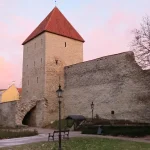
In Tallinn, start with the Old Town walls. Kids can climb towers and walk along sections of the 13th-century fortifications. It feels like a real adventure, though the steep stone steps need close supervision for under-fives. Afterwards, walk up to Toompea hill for the view over red rooftops and the Baltic.

Head to Kadriorg Park for one of the city’s best playgrounds. It is set among swans, ponds and old trees, so you can let the kids run while adults sit with coffee. Tallinn Zoo, on the western edge of the city, is large and hilly, with a strong collection of northern animals. Wear comfortable shoes, because you will walk a lot.
The Estonian Open Air Museum, in a forest by the sea at Rocca al Mare, is a favourite for all ages. Old farmhouses, a windmill and a wooden church are scattered over a big park. In summer there are craft demonstrations and horse-drawn rides. In winter the paths are quiet, and chimney smoke drifts over the snow.
In Tartu, climb Toomemägi hill, a leafy park with trails, bridges and the ruins of a cathedral. Town Hall Square has a fountain of two kissing students and an easy, car-free layout where children can roam. The Estonian National Museum, on the edge of the former airfield, has plenty of interactive exhibits, and the building itself is worth seeing.
Wild Estonia: Bogs, Rivers and Forests
Wild Estonia is the part of the trip most families describe afterwards. Bogs cover large parts of the country, and several have safe, well-built boardwalks. At Viru bog in Lahemaa National Park, a boardwalk of about 3.5 km loops through pine-dotted peatland. A tower offers wide views, and the air smells of resin and wet moss. Several local guides run bog-shoe walks in summer, where you strap on wide wooden frames and walk across the wet surface. Kids find it hilarious.
In Soomaa National Park, the most famous activity is canoeing. In spring, floods turn forest and meadows into water, and locals call it the “fifth season”. Guided canoe trips are suitable for children who can sit still and wear life jackets, and many operators offer family-friendly routes in summer too.
In Southern Estonia, the Ahja River near Taevaskoja is popular for gentle paddling beneath red sandstone cliffs. Nearby, the Piusa sand caves are cool and slightly spooky, with bats hibernating in winter. Parts of the caves close in cold months, so check dates before you go. Suur Munamägi tower, in the highest hills of the Baltics, gives older kids the satisfaction of climbing the “tallest mountain” in the region. At 318 m above sea level, it is more of a big hill, but the view is real.
Rainy Day and Cold Day Backups
Estonian weather changes fast, so keep an indoor plan in your pocket. The good news is that the country’s indoor attractions are excellent.
- Seaplane Harbour, Tallinn: A maritime museum in a vast hall, with a full-size submarine, Lembit, that kids can climb through. Allow three hours.
- Energy Discovery Centre, Tallinn: Hands-on science in a former power station. It suits ages 5 to 14 best.
- AHHAA Science Centre, Tartu: Experiments, a planetarium and a big section for younger children. It is one of the best of its kind in the Baltics.
- Aura Water Centre, Tartu: Pools, slides and a sauna world for the whole family.
- Tervise Paradiis, Pärnu: A large water park with a wave pool and slides, attached to a hotel.
- Tartu Toy Museum: A small, charming museum that is good for a calm hour with younger children.
Island Escapes: Saaremaa, Muhu and Hiiumaa
The islands feel like a different country: juniper meadows, stone fences, thatched roofs and long, empty roads. Saaremaa is the best choice for families because it has enough to do for several days. Kuressaare Castle, a well-preserved bishop’s fortress, has corridors, towers and a moat, and kids love exploring it. Angla windmills are a short stop where children can run around five traditional mills. The Kaali meteorite crater is small, but the story of a space rock hitting the island about 3,500 years ago captures young imaginations.
Muhu, the small island you cross on the way to Saaremaa, has Koguva village, with preserved farmsteads and a quiet shore. Hiiumaa suits families who want even more peace. Climb Kõpu lighthouse, one of the oldest working lighthouses in the world, and let children dig in the soft sand of the Kassari peninsula beaches.
Ferries to the islands run from Virtsu to Kuivastu (for Muhu and Saaremaa) and from Rohuküla to Heltermaa (for Hiiumaa). The crossing takes about 30 to 90 minutes depending on the route. A return car trip with a family costs roughly €40 to €70 in summer.
Easy Day Trips from Tallinn
If you stay in the capital, these trips fit a single day without exhausting anyone.
- Lahemaa National Park (1 hour by car, full day): Combine Viru bog, Palmse manor and a swim at a quiet beach. Public buses run, but a car gives you freedom.
- Rummu Quarry (45 minutes by car, half day): A former prison quarry turned turquoise lake, with ruins rising from the water. Older kids enjoy swimming, paddleboarding and diving. Keep younger children close to the shore, because the water drops off quickly.
- Haapsalu (1.5 hours by car or bus, full day): A seaside town with a castle, a long promenade and the legend of the White Lady. The castle courtyard has fun summer activities.
- Pärnu and Lottemaa (2 hours, full day): Spend the morning on Pärnu’s wide beach and the afternoon at Lottemaa, a theme park inspired by Estonian animated characters, about 20 km outside the city. Entry costs roughly €20 to €26 per person.
- Tartu (2.5 hours by bus or train, full day or overnight): Possible as a day trip, but better with one night. Buses leave frequently from Tallinn Bus Station.
Eating Out with Kids
You will not struggle to feed children in Estonia. Most places offer a children’s menu, and many provide crayons and high chairs without asking.
In Tallinn, Balti Jaama Turg, the market beside the Baltic Station, has food stalls where each family member can choose something different, plus a calm indoor area. Telliskivi Creative City and the streets of Kalamaja have casual cafés with outdoor seating and room for strollers. In the Old Town, Kompressor on Rataskaevu Street is a long-time favourite for filling pancakes and relaxed service.
In Tartu, the Tartu Market Hall (Turuhoone) is a good lunch stop with fresh fruit, pastries and simple hot meals. Cafés around Town Hall Square and Rüütli Street are used to families. Aparaaditehas, a creative quarter in a former factory, has relaxed courtyards where kids can run.
In Pärnu, the streets near the beach promenade, especially Supeluse and Rüütli, have ice cream stands, simple restaurants and beach cafés. In Kuressaare, the cafés around the castle park give you a pleasant place to sit after a day of exploring.

Many farms, guesthouses and country cafés also offer fixed-price lunches. On a rural drive, you may find a village shop with fresh dark bread, local cheese and strawberries in summer, ideal for a picnic by a lake.
Getting Around Estonia with Children
Buses are the backbone of public transport, and long-distance routes between major towns are frequent and comfortable. Operators such as Lux Express and Go Bus have Wi-Fi and power sockets, and children under 7 often travel free without their own seat; check the rules when you book. Trains by Elron serve Tallinn, Tartu and several other towns. Rail Baltica, the new high-speed line, is still under construction in 2026, so do not plan around it yet.
In Tallinn, children under 7 travel free on public transport, and trams are easy with strollers. Visitors pay for tickets by card or app. The tram from the airport reaches the city centre in about 15 minutes, which makes arrival simple.
For the countryside, rent a car. Estonian law requires children under 135 cm to use a suitable child seat or booster. Rental companies supply them for a small daily fee, but reserve in advance in summer. Roads are generally excellent, speed limits are clearly marked, and winter tyres are standard on rental cars in cold months.
Walking in the Old Towns of Tallinn and Tartu is easy, but cobblestones can be rough on small wheels. A baby carrier solves most problems.
Best Time to Visit
Summer (June to August): The best season for beaches, islands and canoeing. In June, nights are very short, with a pale glow even after midnight. Bring eye masks or ask for blackout curtains, because children will not sleep easily otherwise. Midsummer (23 to 24 June) brings bonfires and village celebrations.
Autumn (September to October): Quieter, with golden forests and cooler air. Berry and mushroom picking is a fun family activity, though local rules and safety advice apply.
Winter (December to March): Tallinn’s Christmas Market glows with lights, and the smell of roasted almonds and mulled juice hangs in the cold air. Otepää has ski slopes and sledding hills, and frozen lakes open for ice skating. Temperatures often sit between -10°C and 0°C, so bring warm layers.

Spring (April to May): Unpredictable weather, but fewer crowds and lower prices. The Soomaa flood season often arrives in March or April.
Where to Stay by Budget
- Budget: Family rooms in hostels and guesthouses, simple holiday cottages and RMK campsites. Expect €60 to €100 per night for a family of four. Self-catering saves a lot on food.
- Mid-range: Family rooms in Tallinn and Tartu hotels, farm stays (talu) and holiday houses. Expect €110 to €190 per night. Many include breakfast and some have a sauna.
- Luxury: Spa hotels in Pärnu, Kuressaare and Haapsalu, with water parks, kids’ clubs and family suites. Expect €220 to €380 per night in summer.
A farm stay is a memorable choice. Children feed animals, adults sit by a wood-fired sauna, and the evening air smells of woodsmoke and cut grass. Book farms and holiday houses early for July, as the best ones fill up months ahead.
Practical Tips for Parents
- Safety: Estonia is one of the safest countries in Europe. Normal city precautions apply. The emergency number is 112.
- Ticks: Active from April to October in forests and tall grass. Use repellent, wear long trousers and check children each evening. Ask your doctor about tick-borne encephalitis vaccination if you plan long forest stays.
- Water: Tap water is safe to drink almost everywhere.
- Language: Estonian is the official language, but most people under 40 speak good English. Signs at major attractions are in English.
- Tipping: Not required. Rounding up or leaving 5 to 10% for good service is appreciated.
- SIM cards and eSIMs: Telia, Elisa and Tele2 all offer tourist data plans, and eSIM options are widely available. Public Wi-Fi is common.
- Saunas: Family saunas are normal. Keep children’s sessions short, avoid very high temperatures, and let them cool down gradually.
- Shop hours: Most supermarkets open daily until late. In small villages, shops may close early on Sunday, so stock up on snacks.
- Mosquitoes: Common near water in June and July. Bring repellent suitable for children.
2026 Budget Breakdown
These are approximate daily costs for a family of four, including two adults and two children, excluding flights.
- Budget (€110 to €170 per day): Self-catering apartment or campsite (€60 to €100), market lunches and supermarket meals (€30 to €45), buses and free activities such as playgrounds, forest trails and beaches.
- Mid-range (€220 to €330 per day): Family hotel room or holiday house (€110 to €190), restaurant lunch or dinner (€50 to €80), one paid attraction (family tickets often €35 to €60), local transport or a short car rental.
- Comfortable (€400 to €650 per day): Spa hotel or family suite (€220 to €380), restaurant meals (€90 to €140), car rental with child seats (€50 to €90 per day), two attractions or a guided activity, plus fuel at roughly €1.60 to €1.80 per litre.

Typical kids’ main courses cost €5 to €9, adult mains €12 to €20 in mid-range restaurants, and a market lunch about €6 to €10 per person. Children’s discounts and family tickets are common, so always ask.
Frequently Asked Questions
Is Estonia good for young children?
Yes. Estonia is safe, compact and well equipped, with free playgrounds, baby-changing rooms and children’s menus in most towns. Drives between main destinations rarely top two hours. Museums are hands-on and nature is easy to reach. Old Town cobblestones are hard on strollers, so a baby carrier or a sturdy, big-wheeled buggy works better.
How many days do families need in Estonia?
Plan at least seven days for a balanced trip: three in Tallinn, two in Tartu or Pärnu, and two in nature or on an island. With younger children, fewer bases work better than constant moves. Ten days lets you add Saaremaa without rushing the ferry and long drives.
Do I need a car when travelling Estonia with kids?
A car helps a lot outside the cities. Tallinn, Tartu and Pärnu are fine without one, and buses link them well. But bogs, manors, farm stays and islands are far easier by car. Rental companies provide child seats for a small daily fee; book them in advance in summer.
When is the best time to visit Estonia with kids?
July and early August bring the warmest water, long daylight and open attractions, but also the highest prices. Late May, June and September are quieter and cheaper. For snow, sledding and skiing, aim for late January to early March, when daylight is back and the cold is more manageable.
Is Estonia safe for hiking with kids, and what about ticks?
Yes, with basic care. Ticks are active from April to October, so use long trousers, tick checks and repellent. Tick-borne encephalitis vaccination is recommended for longer forest stays; ask your doctor before travelling. Tap water is safe to drink, and the emergency number is 112.
📷 Featured image by Margo Evardson on Unsplash.