On this page
- Why Narva Deserves Your Attention
- Narva’s Historic Heart
- Where to Base Yourself
- Must-See Attractions and Experiences
- Eating Your Way Through Narva
- Getting Around This Border City
- Day Trips and Excursions
- After Dark in Narva
- Shopping Between Two Worlds
- Timing Your Visit Right
- Essential Practical Know-How
- Your Narva Budget Breakdown
- Frequently Asked Questions
💰 Click here to see Estonia Budget Breakdown
💰 Prices updated: October, 2026. Budget figures are estimates — always verify before travel.
Exchange Rate: $1 USD = €0.88
Daily Budget (per person)
Shoestring: €40.00 – €70.00 ($45.45 – $79.55)
Mid-range: €120.00 – €250.00 ($136.36 – $284.09)
Comfortable: €300.00 – €900.00 ($340.91 – $1,022.73)
Accommodation (per night)
Hostel/guesthouse: €15.00 – €40.00 ($17.05 – $45.45)
Mid-range hotel: €60.00 – €150.00 ($68.18 – $170.45)
Food (per meal)
Budget meal: €15.00 ($17.05)
Mid-range meal: €35.00 ($39.77)
Upscale meal: €100.00 ($113.64)
Transport
Single metro/bus trip: €2.00 ($2.27)
Monthly transport pass: €30.00 ($34.09)
Narva gets written off too quickly. Sitting on Estonia’s eastern border, this city of 55,000 feels worlds away from Tallinn’s medieval charm, yet that’s precisely what makes it fascinating. In 2026, as Rail Baltica construction brings new attention to Estonia’s eastern regions, Narva offers something rare: an authentic glimpse into post-Soviet Estonia where Russian culture thrives alongside Estonian identity, all watched over by one of Northern Europe’s most impressive medieval fortresses.
Why Narva Deserves Your Attention
Narva splits opinion like few Estonian cities can. Critics call it run-down, a relic of Soviet industrial planning. Defenders praise its raw authenticity and unique position as Europe’s last major divided city, where two medieval fortresses face each other across the Narva River. The truth lies somewhere between these extremes.
This city pulses with contradictions that make it compelling. You’ll hear more Russian than Estonian on the streets, yet Estonia’s most spectacular castle dominates the skyline. Soviet-era apartment blocks stretch for kilometres, but the medieval Old Town retains genuine charm. The unemployment rate stays higher than Estonia’s average, but a growing arts scene and cross-border commerce create unexpected pockets of vitality.
What sets Narva apart is its complete lack of pretense. Unlike Estonia’s tourist-polished destinations, Narva shows you Eastern Europe as it actually exists today: complex, sometimes gritty, always genuine. The morning light hitting Hermann Castle while babushkas queue for fresh bread creates scenes you won’t find anywhere else in the Baltics.
For travelers seeking authentic experiences over Instagram perfection, Narva delivers. The city’s Russian majority creates a cultural depth missing from more homogeneous Estonian destinations. Orthodox churches neighbour Lutheran ones, while Soviet monuments stand minutes from medieval walls dating to the 13th century.
Narva’s Historic Heart
Hermann Castle anchors everything worth seeing in Narva. This 14th-century fortress, perched above the Narva River, represents one of Europe’s finest examples of medieval defensive architecture. The castle’s 51-metre Hermann Tower offers panoramic views across the river to Russia’s Ivangorod Fortress, creating a visual dialogue between two nations that has played out for centuries.

Inside the castle complex, the Narva Museum brings local history to life through well-curated exhibits covering everything from medieval times through the Soviet period. The Northern Yard houses temporary exhibitions, while the castle’s defensive walls remain largely intact, allowing visitors to walk the ramparts and imagine life during countless sieges.
Beyond the castle, Narva’s Old Town survived Soviet-era planning better than expected. The Town Hall, rebuilt after World War II bombing, anchors a modest but charming collection of merchant houses and guild buildings. The scale feels intimate compared to Tallinn, with narrow cobblestone streets leading to hidden courtyards and small squares.
The Orthodox Cathedral of the Resurrection of Christ adds another layer to Narva’s architectural story. Built in the 1890s during Russian imperial rule, its golden domes and intricate iconography reflect the city’s Orthodox heritage. The morning light filtering through its stained glass windows creates an almost ethereal atmosphere during early services.
Walking from the castle toward the river, you’ll notice how different architectural periods layer together. Medieval stone foundations support 18th-century baroque facades, while Soviet-era additions peek around corners. This architectural palimpsest tells Narva’s complex story more effectively than any museum display.
Where to Base Yourself
Narva divides into distinct neighborhoods, each offering different experiences. The Old Town provides the most atmospheric base, with cobblestone streets and views of both castles. This area suits travelers prioritizing history and walkability, though accommodation options remain limited.
The Kreenholm district, built around a former textile factory, offers budget-friendly guesthouses amid fascinating industrial architecture. This neighborhood appeals to urban explorers and budget travelers willing to trade convenience for character. The massive 19th-century factory buildings, now largely abandoned, create an almost post-apocalyptic atmosphere that photographers love.

Central Narva, around Pushkin Street and the main shopping areas, provides the most practical base. Here you’ll find the city’s best restaurants, shops, and transport connections. The Soviet-era apartment blocks might lack charm, but they house the city’s most vibrant street life and authentic local culture.
The Joala district, stretching north toward the coast, offers newer accommodation and easier access to Narva-Jõesuu beach resort. This area suits travelers combining city exploration with coastal relaxation, though it requires more planning for restaurant and entertainment access.
Must-See Attractions and Experiences
Hermann Castle dominates any Narva itinerary, but the city offers several other compelling attractions. The Narva Art Gallery, housed in a converted powder magazine within the castle complex, showcases contemporary Estonian and international artists alongside rotating exhibitions exploring the city’s multicultural identity.
The Alexander’s Cathedral provides insight into Narva’s Orthodox heritage. Built in 1884, this cathedral survived Soviet persecution and now serves the city’s large Orthodox community. The interior iconostasis, restored in recent decades, displays intricate religious artwork that contrasts sharply with the city’s industrial surroundings.
For a unique perspective on European division, walk to the Friendship Bridge connecting Estonia and Russia. The actual border crossing requires proper documentation, but even approaching the checkpoint offers fascinating glimpses of two different worlds. The Ivangorod Fortress across the river provides a perfect mirror to Hermann Castle, creating one of Europe’s most dramatic border scenes.
The Narva Beach Promenade, extending north toward Narva-Jõesuu, offers excellent walking and cycling opportunities. This coastal path provides relief from the city’s industrial character while maintaining views back toward the castle complex. Early morning walks here capture the peaceful side of Narva that many visitors miss.

The Town Hall Square hosts a modest but authentic market where local vendors sell everything from fresh produce to Soviet-era memorabilia. The square’s restored baroque architecture creates an elegant backdrop for people-watching and sampling local specialties like fresh rye bread and smoked fish.
Eating Your Way Through Narva
Narva’s dining scene reflects its multicultural character, with Russian, Estonian, and international options clustered around the Old Town and main shopping streets. The aroma of baking bread and hearty stews fills the narrow streets around Pushkin Street, where family-run cafés serve generous portions at reasonable prices.
Café Ro-Ro, located near the castle, specializes in traditional Russian cuisine with an Estonian twist. Their borscht arrives steaming hot with thick sour cream, while the beef stroganoff practically falls off the fork. The cozy interior, decorated with vintage photographs of old Narva, creates perfect atmosphere for long dinners.
For Estonian specialties, head to the restaurants around Town Hall Square, where several establishments focus on local ingredients and traditional preparation methods. The smoked fish here tastes particularly fresh thanks to the nearby coastal location, while local rye bread offers that distinctive sour tang that Estonian bakers perfect.
The Central Market building houses several food stalls selling everything from fresh pastries to prepared Russian salads. The market’s atmospheric interior, with its high ceilings and vintage fixtures, makes browsing for lunch ingredients an experience in itself. Local vendors speak a mix of Estonian and Russian, creating a genuinely multicultural shopping environment.
Narva’s pub scene centers around traditional Estonian taverns and Russian-style beer halls. These establishments serve substantial bar food alongside local and international beers, creating perfect spots for evening meals after castle exploration. The hearty portions and low prices make them particularly appealing for budget-conscious travelers.

Getting Around This Border City
Narva’s compact size makes walking the primary transport method for most attractions. The Old Town, castle, and main shopping areas lie within easy walking distance, while well-maintained sidewalks and pedestrian zones make navigation straightforward even for visitors unfamiliar with the city layout.
Local buses connect outlying neighborhoods to the center, with routes running frequently during daytime hours. Bus #1 connects the train station to the Old Town, while #3 serves the Kreenholm district. Fares cost around €1.50, with tickets available from drivers or at kiosks near major stops.
Taxis operate throughout the city, with several companies offering competitive rates for longer trips or airport transfers. Most drivers speak Russian and basic Estonian, while English remains hit-or-miss. Smartphone translation apps help bridge communication gaps when needed.
Bicycle rental, available from several shops near the castle, provides an excellent way to explore both the city and coastal areas. The flat terrain and dedicated cycling paths make Narva particularly bike-friendly, while rental costs typically run €15-20 per day.
For visitors arriving by car, parking presents few difficulties outside peak summer periods. Street parking costs €1-2 per hour in the city center, while several secure lots offer full-day rates around €8-10. The main challenge involves navigating one-way streets in the Old Town area.
Day Trips and Excursions
Narva’s location opens several compelling day trip possibilities, from coastal resorts to historical sites. Narva-Jõesuu, just 15 kilometres north, offers Estonia’s longest sandy beach alongside elegant 19th-century resort architecture. Regular buses make the 25-minute journey, while the coastal cycling path provides a scenic alternative route.
Sillamäe, 20 kilometres northeast, presents one of the Soviet Union’s most perfectly preserved planned cities. This former uranium processing center remained closed to outsiders until 1991, creating a time capsule of Stalinist architecture. The town’s cultural center and seafront promenade showcase socialist realist art and architecture rarely seen elsewhere in Estonia.

Rakvere, 70 kilometres southwest, makes an excellent full-day excursion combining medieval history with small-town Estonian charm. The massive Rakvere Castle hosts medieval festivals and reenactments, while the town center offers authentic Estonian dining and shopping experiences. Direct buses take 1.5 hours each way.
For nature lovers, Ontika Nature Park provides dramatic coastal cliffs and hiking trails just 45 minutes by car from Narva. The limestone cliffs rise 56 metres above the Baltic Sea, creating Estonia’s most spectacular coastal scenery. Pack lunch and plan for 4-6 hours to fully explore the trail network.
Adventure seekers can arrange guided tours to view Ivangorod Fortress from the Russian side, though this requires advance visa arrangements for most visitors. Several Narva travel agencies offer these specialized tours, handling documentation and border crossing logistics for small groups.
After Dark in Narva
Narva’s nightlife scene remains modest but authentic, centered around traditional pubs, beer gardens, and cultural venues. The evening atmosphere feels relaxed rather than intense, with locals gathering for conversation over beer and traditional snacks rather than high-energy clubbing.
The pubs around Pushkin Street create the city’s main nightlife corridor, where several establishments offer live music on weekends. These venues typically feature local bands playing everything from folk music to rock covers, creating an intimate atmosphere perfect for experiencing local culture firsthand.
Beer gardens near the castle complex provide atmospheric evening drinking with views of the illuminated fortress walls. The outdoor seating allows for long conversations under string lights, while the sound of the Narva River flowing nearby adds natural ambiance to late-night gatherings.

The Narva Cultural Center hosts regular concerts, theater performances, and art exhibitions that showcase both local and international artists. Evening performances often feature multilingual presentations reflecting the city’s diverse population, while ticket prices remain remarkably affordable compared to similar venues in Western Europe.
For a unique nightlife experience, evening walks along the Narva River provide peaceful alternatives to indoor venues. The illuminated castles on both sides of the river create dramatic backdrops for photography, while the riverside paths remain safe and well-lit throughout the evening hours.
Shopping Between Two Worlds
Narva’s shopping scene blends Estonian crafts with Russian goods and Soviet nostalgia, creating unique opportunities for distinctive purchases. The pedestrian zone around Pushkin Street houses the main shopping area, where local boutiques mix with chain stores and specialty shops.
Antique shops scattered throughout the Old Town specialize in Soviet-era memorabilia, from military medals to vintage cameras and propaganda posters. These shops offer genuine artifacts rather than tourist reproductions, making them excellent sources for unique souvenirs and historical curiosities.
The Central Market building provides the best selection of local foods and crafts, with vendors selling everything from hand-knitted woolens to homemade preserves. The honey vendors here offer particularly high-quality products from local beekeepers, while the bread stalls showcase traditional Estonian and Russian baking techniques.
Local craft shops focus on amber jewelry and woodwork, taking advantage of the Baltic region’s natural resources. The quality often exceeds tourist-oriented shops in larger cities, while prices remain reasonable thanks to lower overhead costs and direct artist sales.
Cross-border shopping attracts many visitors, particularly for alcohol and cigarettes that cost significantly less than in Western European countries. Several duty-free shops near the border crossing cater to this trade, though personal import limits apply for most EU visitors.

Timing Your Visit Right
Narva’s continental climate creates distinct seasons with different appeals for travelers. Summer (June-August) brings the warmest weather and longest days, but also peak crowds and highest accommodation prices. The white nights of midsummer provide nearly 19 hours of daylight, perfect for extensive exploration and photography.
Spring (April-May) and autumn (September-October) offer the best balance of pleasant weather and fewer crowds. These shoulder seasons provide comfortable temperatures for walking and outdoor activities, while accommodation costs drop significantly compared to summer peaks. The changing foliage in autumn creates particularly photogenic conditions around the castle complex.
Winter visits (November-March) reveal a different side of Narva, with snow-covered castle walls and frozen river creating dramatic scenery. The Christmas markets and winter festivals add cultural interest, while accommodation prices hit annual lows. Temperatures can drop below -15°C, so proper clothing becomes essential.
Special events worth timing visits around include the Narva Opera Days in summer, featuring performances in the castle courtyard, and the Narva Art Symposium in autumn. The International Medieval Festival in July transforms the castle into a living history demonstration with combat displays and period crafts.
Essential Practical Know-How
Narva operates on Eastern European Time (EET), two hours ahead of Greenwich Mean Time and one hour ahead of most of Estonia. The city uses the euro despite its large Russian population, though many shops and restaurants accept credit cards without issues.
Language poses interesting challenges, as Russian speakers outnumber Estonian speakers significantly. Most younger residents speak some English, while older generations typically communicate in Russian or Estonian. Learning basic Russian phrases helps more than Estonian ones, though both are appreciated by locals.

Safety levels remain comparable to other Estonian cities, with standard precautions sufficient for most travelers. The main concerns involve petty theft around tourist areas and occasional alcohol-related incidents near nightlife venues. Solo female travelers report feeling comfortable during daylight hours, with normal urban precautions recommended after dark.
Internet connectivity reaches Estonian standards throughout the city, with free WiFi available in most cafés, restaurants, and accommodation. Mobile coverage remains excellent, while Estonian SIM cards work normally despite the proximity to Russia’s mobile networks.
Tipping follows Estonian norms, with 10% appreciated but not mandatory in restaurants and cafés. Taxi drivers typically receive rounded-up fares, while hotel staff don’t expect tips beyond exceptional service. Many establishments include service charges in final bills, so check before adding additional gratuities.
Medical facilities include a modern hospital with emergency services and several pharmacies throughout the city center. EU visitors should carry European Health Insurance Cards, while travel insurance remains recommended for all visitors regardless of origin.
Your Narva Budget Breakdown
Budget travelers can explore Narva comfortably on €35-45 per day, covering basic accommodation, meals, and local transport. This tier includes hostel beds or budget guesthouse rooms (€25-35), simple restaurant meals (€8-12), local bus transport (€2-4), and basic attractions entry (€3-8).
Mid-range visitors should budget €60-80 daily for comfortable experiences without luxury. This covers decent hotel rooms (€45-65), restaurant dinners with drinks (€15-25), occasional taxis (€8-15), and museum admissions (€5-12). This budget allows for spontaneous purchases and upgraded meal choices.
Comfortable travelers spending €100-130 daily can enjoy Narva’s best accommodations and dining options. This tier includes upscale hotel rooms (€80-120), fine dining experiences (€25-40), private transport when desired (€20-30), and guided tours or special experiences (€15-25).

Additional costs to consider include day trip transport to Narva-Jõesuu (€6 return), Rakvere excursions (€15 return), and souvenir shopping (€10-30). Border crossing documentation fees apply for non-EU visitors planning Russian side trips, typically costing €35-50 for single-entry visas.
Money-saving strategies include shopping at the Central Market for picnic supplies, walking rather than taking taxis for short distances, and timing visits during shoulder seasons for accommodation savings. Many attractions offer student and senior discounts with proper identification.
Frequently Asked Questions
Do I need a visa to visit Narva if I’m not from the EU? You need the same documentation required for any Estonian destination. EU citizens need only valid ID, while other visitors require visas based on their nationality. Visiting the Russian fortress across the river requires separate Russian visa arrangements.
Is it safe to walk around Narva at night? Narva maintains typical Estonian safety standards with low crime rates. Standard urban precautions apply, especially around bars and the border area late at night. Solo travelers report feeling comfortable with normal awareness and avoiding poorly lit areas.
How long should I spend in Narva to see the main attractions? Two days covers the main attractions comfortably, including the castle, Old Town, and riverside walks. Add a third day for Narva-Jõesuu beach or other day trips. One day provides a rushed but possible overview of highlights.
Can I use my phone normally in Narva given its proximity to Russia? Estonian mobile networks work normally throughout Narva using standard EU roaming agreements. However, phones might occasionally connect to Russian networks near the border, potentially triggering international roaming charges. Check your settings and disable automatic network selection if concerned.
What’s the best way to get to Narva from Tallinn? Direct buses run every 2-3 hours taking approximately 3.5 hours, costing €12-18 depending on the operator. Car rental provides more flexibility for exploring the region, while the journey takes about 2.5 hours via the A1 highway. No direct train service operates between the cities as of 2026.
Explore more
Where to Eat in Narva: The Ultimate Foodie Guide for Travelers
The Ultimate Guide to Day Trips from Narva, Estonia
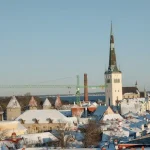
📷 Featured image by Vladislav Smigelski on Unsplash.