On this page
- What Makes Otepää Different From Other Estonian Small Towns
- Winter in Otepää: Why It Earned the Title
- Summer in Otepää: The Underrated Season
- Where to Eat and Drink in Otepää
- Day Trip or Overnight? Making the Call
- Getting to Otepää and Getting Around
- 2026 Budget Reality: What Things Actually Cost
- Practical Tips Before You Go
- Frequently Asked Questions
💰 Click here to see Estonia Budget Breakdown
💰 Prices updated: October, 2026. Budget figures are estimates — always verify before travel.
Exchange Rate: $1 USD = €0.88
Daily Budget (per person)
Shoestring: €40.00 – €70.00 ($45.45 – $79.55)
Mid-range: €120.00 – €250.00 ($136.36 – $284.09)
Comfortable: €300.00 – €900.00 ($340.91 – $1,022.73)
Accommodation (per night)
Hostel/guesthouse: €15.00 – €40.00 ($17.05 – $45.45)
Mid-range hotel: €60.00 – €150.00 ($68.18 – $170.45)
Food (per meal)
Budget meal: €15.00 ($17.05)
Mid-range meal: €35.00 ($39.77)
Upscale meal: €100.00 ($113.64)
Transport
Single metro/bus trip: €2.00 ($2.27)
Monthly transport pass: €30.00 ($34.09)
What Makes Otepää Different From Other Estonian Small Towns
Most visitors to Estonia follow the same trail: Tallinn’s Old Town, maybe Tartu, perhaps a quick detour to Pärnu in summer. Otepää sits quietly off that route, and that’s exactly the point. In 2026, as Estonia’s more popular spots have grown noticeably busier — Tallinn’s medieval streets are genuinely packed from May through September — Otepää offers something increasingly rare: a destination that rewards curiosity without punishing you for arriving without a plan.
Otepää is a small town in southern Estonia’s Valga County, sitting at the heart of the country’s most hilly landscape. Estonia is flat in most places, so the rolling terrain here — forested ridges, glacial lakes, boggy valleys — feels almost foreign. The town itself has fewer than 2,000 permanent residents, but it carries outsized character. It’s the kind of place where the local sports shop doubles as a community hub, where you can go from a ski slope to a sauna to a lakeside terrace in under thirty minutes.
The Estonian flag was consecrated here in 1884, making Otepää a place of quiet national significance. The blue, black, and white colours were blessed at the local St. Mary’s Church by Estonian students who saw this hilltop town as symbolic ground. That history gives Otepää a grounded identity that isn’t performed for tourists.
Winter in Otepää: Why It Earned the Title
The nickname “Winter Capital of Estonia” isn’t marketing fluff — it has a track record. Otepää has hosted Biathlon World Cup events, FIS cross-country skiing competitions, and is home to the Tehvandi Sports Centre, which has been expanded and modernised through 2024 and 2025. By 2026, the centre has new indoor facilities for off-season training and upgraded snowmaking infrastructure that keeps the slopes viable even in the increasingly unpredictable Baltic winters.
When conditions align — usually from late December through February — the skiing here is genuinely good by northern European standards. Not Alpine, but the terrain is varied enough to keep intermediate skiers interested for a full weekend. Cross-country trails wind through pine forests where the silence is broken only by the scrape of your skis and the occasional call of a great tit. Snowshoeing and ice fishing on Lake Pühajärv are popular alternatives for non-skiers. The lake freezes reliably enough in cold winters that locals drill holes in the ice without much debate about safety.
One sensory detail that sticks with first-time winter visitors: stepping out of a warm wooden cabin at dusk, the air sharp with pine resin and woodsmoke, the sky turning a deep violet over the snow-covered hills. It’s the kind of moment that makes you understand why Estonians don’t always rush to explain their love of nature — they just expect you to feel it.

Summer in Otepää: The Underrated Season
This is the part most travel guides miss. Summer transforms Otepää into a completely different place, and arguably a better one for visitors who aren’t committed skiers. Lake Pühajärv — the town’s centrepiece — is warm enough to swim in by late June, typically reaching 20–22°C by July. The lake has a sandy beach, a rowing boat hire station, and a relaxed atmosphere that feels nothing like a resort. People actually swim here. Locals bring their kids. There are no wristbands or entry fees.
Hiking and cycling trails spread out from the town across the Otepää Nature Reserve. The reserve covers around 230 square kilometres of lakes, bogs, and mixed forest. Marked trails are well-maintained, and the 2024 expansion of the cycling network added several new gravel routes connecting villages that were previously only accessible by car. In summer, the light here is extraordinary — Estonia sits far enough north that July evenings stay bright until 11pm, giving you long, warm hours to cover ground.
Mud volleyball tournaments, trail running events, and open-air concerts fill the summer calendar. The Pühajärv Open Air festival, held each July, draws crowds from across southern Estonia without losing its community-scale feel. If you arrive on a Wednesday in August and think Otepää looks quiet, wait until Friday afternoon when Tartu residents arrive in convoy.
Where to Eat and Drink in Otepää
Otepää’s food scene is small but honest. Don’t come expecting a dozen restaurant options — the town works best if you treat meals as part of a slower rhythm rather than a destination in themselves.
Karupesa Hotel Restaurant is the most consistent option year-round. The kitchen focuses on Estonian staples — blood sausage with sauerkraut in winter, grilled pike-perch with new potatoes in summer — and the portions are sized for people who’ve actually been outside all day. The dining room looks out toward the slopes, which is either scenic or melancholy depending on the snow conditions.

Pühajärve Spa & Holiday Resort Restaurant sits right on the lake and has improved noticeably since 2024 renovations. The lakeside terrace in July is genuinely lovely: wood smoke drifting from a nearby grill, the smell of pine and warm water, cold local beer or Põltsamaa wine in hand. The menu leans toward Estonian comfort food with a few international options for families.
Otepää Kohvik, the town’s central café, is the right choice for a quick lunch or a morning coffee with a piece of kringel — Estonia’s braided cardamom pastry. It’s the kind of place where you overhear local conversations about the weather and weekend plans, which tells you something about how embedded it is in daily life here.
For groceries and self-catering, the Rimi and Coop on the main street cover everything you need. Picking up local rye bread, smoked fish, and Valio cheese for a lakeside picnic costs very little and often beats any restaurant meal for atmosphere.
Day Trip or Overnight? Making the Call
Otepää is 185 kilometres from Tallinn and about 45 kilometres from Tartu. From Tartu, it’s an easy day trip — about 45 minutes by car, under an hour by bus. You can genuinely see the highlights, swim in the lake, have lunch, and be back in Tartu by evening.
From Tallinn, a day trip is possible but slightly rushed. The drive is around two hours each way, which eats into your time. If you’re based in Tallinn and Otepää is your main draw for a day, plan around one activity — skiing, hiking, or the lake — rather than trying to do everything.
Overnight stays genuinely change the experience. Arriving the evening before, eating dinner quietly, then waking up to use the trails before the day visitors arrive gives you access to a different, calmer version of the town. Winter weekends especially benefit from at least one overnight stay: the slopes open early, après-ski is modest but warm, and the night sky away from city light pollution is worth staying up for.
Getting to Otepää and Getting Around
There is no train to Otepää. The Rail Baltica project, progressing through 2026 with the main Tallinn-Pärnu-Riga corridor taking shape, does not serve southern inland Estonia — Otepää remains dependent on road transport.

Buses from Tartu run regularly throughout the day, operated by SEBE and Lux Express. The journey takes 45–55 minutes and costs around €4–6 depending on the service. From Tallinn, you typically need to change in Tartu. Direct buses exist but run less frequently — check tpilet.ee for current schedules, as the 2026 timetables added a few more direct services on Friday afternoons to handle the weekend influx.
Once in Otepää, the town centre is walkable. The lake and most accommodation are within a 10–15 minute walk of the bus stop. For the nature reserve trails and outlying areas, a bicycle or car is practical. Taxis and ride-share via Bolt operate here, though response times can be 15–20 minutes in quieter periods.
2026 Budget Reality: What Things Actually Cost
Budget tier (under €60/day per person): Hostel or guesthouse accommodation runs €20–35 per night. Bus transport from Tartu costs under €6 each way. Self-catering from local shops keeps food costs to €10–15 per day. Trail access in the nature reserve is free. Bike hire adds €15–20.
Mid-range tier (€60–130/day per person): A room at Karupesa Hotel or similar mid-range accommodation costs €55–90 per night. Eating two meals at local restaurants adds €20–35. Day ski pass at Tehvandi in winter: €25–35 depending on day of week. Equipment hire for skiing or snowshoeing: €15–25.
Comfortable tier (€130+/day per person): Pühajärve Spa & Holiday Resort rooms start around €110–140 per night in high season. Spa access, guided activities, and restaurant meals bring daily spending to €180–220 per person without difficulty. Private transfers from Tartu cost around €60–80 each way.
Practical Tips Before You Go
- Book ahead in winter weekends: January and February weekends fill up fast, especially around biathlon competition dates. Check the Tehvandi Sports Centre calendar before setting travel dates.
- Summer is genuinely warm: July averages 20–22°C. Bring sunscreen and a light layer for evenings — temperatures drop noticeably after 9pm.
- Ticks are a real concern: The nature reserve has tick populations from April through October. Wear long trousers on forest trails and check carefully after hiking. Tick-borne encephalitis vaccination is available from Estonian family doctors and is worth considering for extended outdoor trips.
- Phone signal is reliable in town but patchy on some remote forest trails. Download offline maps before heading out.
- Language: Estonian is the local language. English is widely understood at hotels, restaurants, and the sports centre. Russian is less commonly used here than in northeastern Estonia.

Frequently Asked Questions
Is Otepää worth visiting in summer if I don’t ski?
Absolutely. Lake Pühajärv swimming, hiking and cycling through the nature reserve, and the relaxed local pace make summer a genuinely good time to visit. The landscape is greener and more varied than you’d expect from a small Estonian town, and the long July evenings give you plenty of daylight to explore.
How do I get from Tallinn to Otepää without a car?
Take a bus from Tallinn to Tartu (roughly 2 hours, €8–15), then a connecting bus from Tartu to Otepää (45–55 minutes, €4–6). Direct Tallinn–Otepää buses exist but run infrequently. Check tpilet.ee for current 2026 timetables and book in advance on popular weekend routes.
What is the best time of year to visit Otepää?
January–February for winter sports when snow conditions are most reliable. July–August for swimming, hiking, and summer events. Late September offers quiet trails and autumn colours with far fewer visitors. Avoid late November and early December — too little snow for skiing and too cold for comfortable outdoor activity.
Is Otepää suitable for families with young children?
Yes, particularly in summer. Lake Pühajärv has a shallow beach area that works well for young swimmers. In winter, beginner ski slopes and snowshoeing are manageable for older children. The Pühajärve Spa resort has family-friendly facilities including an indoor pool, which makes it a practical base for families with mixed interests.
Are there accommodation options in Otepää besides hotels?
Yes. Several holiday cottages and guesthouses operate around Lake Pühajärv and in the surrounding countryside, available through Booking.com and local rental platforms. Self-catering cottages sleeping four to six people typically cost €80–150 per night in summer, often less than the equivalent hotel spend and with more space and privacy.
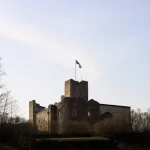
📷 Featured image by Carlos Torres on Unsplash.