On this page
- Getting from Tallinn to Narva by Bus
- Driving to Narva: Routes and Border Crossing Tips
- Train Travel: The Baltic Rail Connection
- Where to Stay in Narva: Neighborhoods and Accommodation
- Getting Around Narva: Local Transportation
- Language and Communication Essentials
- 2026 Budget Breakdown: What Things Cost
- Frequently Asked Questions
Planning a trip to Estonia‘s easternmost city in 2026 means navigating some unique logistics that catch many visitors off guard. Narva sits right on the Russian border, and while the city offers fascinating history and stunning castle views, getting there and moving around requires more preparation than your typical Estonian destination. The good news? Once you understand the transport options and local quirks, Narva becomes surprisingly accessible.
Getting from Tallinn to Narva by Bus
The bus remains your most reliable option for reaching Narva from Estonia’s capital. Lux Express operates the primary route, with departures roughly every two hours during peak times. The journey takes 2 hours and 45 minutes on a direct service, though some routes include stops in Rakvere or Jõhvi that can extend travel time to 3.5 hours.
Tickets cost between €8-15 depending on when you book and travel. The buses feature comfortable reclining seats, free WiFi, and onboard refreshments. You’ll smell the pine forests of Ida-Virumaa county as the landscape shifts from Tallinn’s urban sprawl to the industrial heritage of Estonia’s northeast.
Book online through luxexpress.eu for the best prices, especially during summer months when Russian tourists (with valid visas) increase demand. The buses depart from Tallinn’s main bus terminal at Lastekodu 46, easily reached by tram lines 2 and 4.
Driving to Narva: Routes and Border Crossing Tips
The drive from Tallinn to Narva covers 210 kilometers via the A1 highway, taking roughly 2.5 hours under normal conditions. This route passes through Jõhvi, offering opportunities to break the journey in Estonia’s oil shale region.
Fuel up before leaving Tallinn or in Jõhvi, as petrol stations become sparse in the final 60 kilometers. The road quality is excellent throughout, though winter driving requires extra caution due to frequent ice formation near the coast.

If you’re planning to cross into Russia, ensure you have proper documentation well in advance. EU citizens need a valid passport and Russian visa obtained through official channels. The border crossing at Narva-Ivangorod can involve waits of 1-4 hours depending on the season and current political climate.
Parking in central Narva costs €0.50-1.00 per hour in marked zones. Free parking is available near Narva Castle, though spaces fill quickly during summer weekends. Most hotels offer parking for €5-10 per night.
Train Travel: The Baltic Rail Connection
While Estonia’s passenger rail network remains limited in 2026, the Tallinn-Narva route operates twice daily during summer months. The journey takes 4 hours with stops in Tapa, Rakvere, and Jõhvi, offering a scenic alternative to road transport.
Train tickets cost €12-18 for standard class, with the option to upgrade to business class for €25. The older rolling stock provides a nostalgic experience, and you’ll watch Estonia’s landscape transform from coastal plains to the distinctive geography of the northeast.
The train arrives at Narva station, located 1.5 kilometers from the city center. Local bus line 1 connects the station to the town square, or you can walk through the residential neighborhoods in about 20 minutes.
Check train schedules carefully, as services are reduced during winter months and may be affected by track maintenance related to the ongoing Rail Baltica project preparations.
Where to Stay in Narva: Neighborhoods and Accommodation
Narva’s accommodation centers around three main areas, each offering different advantages for travelers. The Old Town, clustered near the castle, provides atmospheric guesthouses and boutique hotels within walking distance of major sights. Expect to pay €45-80 per night for comfortable rooms with views of either the river or medieval architecture.

The Central district, around Pushkin Street and the town hall, offers the best selection of restaurants and shops. Hotels here range from €35-60 per night and provide easy access to public transport. The area comes alive in the evening with the soft glow of street lamps reflecting off cobblestone squares.
For budget travelers, the Joala neighborhood, about 2 kilometers south of the center, features several hostels and apartment rentals for €15-30 per night. This area houses many of Narva’s Russian-speaking residents and offers authentic insights into daily life in Estonia’s most multicultural city.
Book accommodation well ahead during Narva’s castle days festival in July, when rooms become scarce and prices can double.
Getting Around Narva: Local Transportation
Narva’s compact size makes walking the preferred option for most visitors. The distance from the castle to the town hall measures just 1.2 kilometers, easily covered in 15 minutes on foot. The city center’s flat terrain accommodates all fitness levels, though winter ice can make sidewalks treacherous.
Public buses operate on four main routes covering residential areas and connecting to nearby Narva-Jõesuu beach resort. Single tickets cost €1.50, available from the driver or through the PILET mobile app introduced in 2024. Bus schedules reduce significantly after 8 PM and on Sundays.
Taxi services include both Estonian companies and Russian operators serving cross-border traffic. Expect to pay €3-5 for trips within the city center. Uber operates in Narva as of 2025, though availability can be limited during peak hours.
Bicycle rental became available in 2026 through the Narva Smart City initiative, with stations near the castle, town hall, and main shopping area. Daily rentals cost €8, perfect for exploring the riverside parks and reaching Narva-Jõesuu’s beaches 14 kilometers away.

Language and Communication Essentials
Narva presents Estonia’s most complex linguistic landscape. While Estonian is the official language, approximately 87% of residents speak Russian as their first language. Many locals, particularly older residents, have limited English proficiency.
Young people working in tourism and hospitality typically speak excellent English, and you’ll find English menus at restaurants catering to international visitors. However, learning basic Russian phrases significantly improves your experience when shopping at local markets or seeking directions from residents.
Essential phrases include “Izvините” (excuse me), “Spasibo” (thank you), and “Skolko eto stoit?” (how much does this cost?). Most locals appreciate any effort to communicate in their preferred language.
Download Google Translate with offline Russian language packs before arrival. The camera translation feature works well for restaurant menus and street signs that appear only in Cyrillic script.
2026 Budget Breakdown: What Things Cost
Narva offers excellent value compared to Tallinn, with prices reflecting the city’s distance from Estonia’s economic center. Budget travelers can comfortably explore the city for €40-50 per day, including accommodation, meals, and local transport.
Accommodation:
- Hostel bed: €15-25 per night
- Guesthouse room: €35-55 per night
- Mid-range hotel: €55-85 per night
Food and Drink:
- Coffee at local café: €2-3
- Lunch at casual restaurant: €8-12
- Three-course dinner: €18-28
- Local beer: €3-4
- Grocery shopping per day: €15-20
Transportation:
- Bus from Tallinn: €8-15
- Local bus ticket: €1.50
- Taxi across city center: €3-5
- Bicycle rental per day: €8
Attractions:
- Narva Castle entrance: €6 adults, €3 students
- Town Hall museum: €4
- Guided walking tour: €12-15
Frequently Asked Questions
Do I need special documents to visit Narva?
No special documents are required to visit Narva itself. You need only standard travel documents for Estonia. However, if you plan to cross into Russia, you must have a valid passport and Russian visa obtained in advance through official channels.

Is it safe to travel to Narva given the border situation?
Narva is completely safe for tourists in 2026. The city operates normally with regular police presence. The nearby border has increased security measures, but this doesn’t affect visitors staying within Estonia. Follow standard travel precautions.
Can I use my mobile phone normally in Narva?
Yes, mobile service works normally throughout Narva using Estonian networks. However, near the border, your phone might occasionally connect to Russian towers, potentially triggering expensive roaming charges. Keep roaming disabled if you’re not planning to cross the border.
What’s the best time of year to visit Narva?
May through September offers the warmest weather and longest daylight hours. July brings the castle festival and peak tourist season. Winter visits can be magical with snow-covered castle views, but expect temperatures as low as -15°C and limited daylight hours.
How much Russian do I need to know to get around?
While knowing basic Russian phrases helps, it’s not essential. Younger locals and tourism workers speak English, and Google Translate handles most communication needs. Learning simple greetings and “thank you” in Russian shows respect for local culture and is always appreciated.
Explore more
Narva Food Guide: Best Restaurants, Cafes & Authentic Estonian Eats
Narva Neighborhoods: City Center vs Kreenholm vs Riverside for Your Perfect Stay
Your Ultimate Guide to Shopping in Narva: From Souvenirs to Fama Keskus
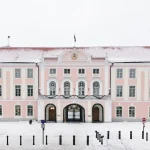
📷 Featured image by Pedro Gandra on Unsplash.