On this page
- What Makes Otepää Worth Visiting in Summer
- The Lakes: Swimming, Paddling, and Doing Nothing Beautifully
- Active Adventures Beyond the Water
- Where to Eat and Drink in Otepää
- Day Trip or Overnight?
- Getting There and Getting Around
- 2026 Budget Reality: What to Expect to Spend
- Practical Tips for a Summer Visit
- Frequently Asked Questions
💰 Click here to see Estonia Budget Breakdown
💰 Prices updated: October, 2026. Budget figures are estimates — always verify before travel.
Exchange Rate: $1 USD = €0.88
Daily Budget (per person)
Shoestring: €40.00 – €70.00 ($45.45 – $79.55)
Mid-range: €120.00 – €250.00 ($136.36 – $284.09)
Comfortable: €300.00 – €900.00 ($340.91 – $1,022.73)
Accommodation (per night)
Hostel/guesthouse: €15.00 – €40.00 ($17.05 – $45.45)
Mid-range hotel: €60.00 – €150.00 ($68.18 – $170.45)
Food (per meal)
Budget meal: €15.00 ($17.05)
Mid-range meal: €35.00 ($39.77)
Upscale meal: €100.00 ($113.64)
Transport
Single metro/bus trip: €2.00 ($2.27)
Monthly transport pass: €30.00 ($34.09)
What Makes Otepää Worth Visiting in Summer
Most people know Otepää as Estonia’s winter sports capital — the place where cross-country ski trails snake through snowy forests and the Estonian flag was consecrated in 1884. Come summer, though, the crowds thin out and something quieter and genuinely lovely takes over. Rolling green hills, more than 50 lakes within easy reach, and a landscape that feels more like a painting than a real place. The 2026 summer season has seen growing interest from Latvian and Finnish visitors who’ve discovered that southern Estonia fills a gap between the Baltic coast and the more touristy parts of Scandinavia. If you’ve been putting Otepää off because you associate it with ski slopes, this guide is for you.
The Lakes: Swimming, Paddling, and Doing Nothing Beautifully
The town sits inside what Estonians call the Otepää Heights — a glacially shaped landscape of ridges and valleys that happen to collect water exceptionally well. The result is a concentration of lakes within a few kilometres of the town centre that would be the envy of most European resort towns.
Pühajärv is the one everyone comes for. It translates roughly as “Holy Lake,” and on a calm July morning when the mist is still lifting off the surface and the surrounding pines are reflected perfectly in the water, you understand why the name stuck. The lake has a proper sandy beach area, clean water (consistently rated excellent in Estonia’s annual bathing water quality reports), and enough space that it never feels overcrowded even on a hot weekend. Water temperatures in July and August typically reach 20–23°C — warm enough for a long swim.
For paddling, several operators along the Pühajärv shore rent kayaks and stand-up paddleboards by the hour. The lake is calm enough for beginners but large enough (about 3.7 km long) that a full circuit by kayak makes for a satisfying couple of hours. In 2026, at least two operators now offer guided sunset paddling sessions that finish with a small campfire on a lakeshore clearing — book a day ahead in peak season.
Beyond Pühajärv, Nõuni Lake and Väike-Pühajärv (Little Holy Lake) offer quieter alternatives if you prefer to spread your towel without neighbours. Neither has organised facilities — you bring your own everything — which is half the appeal.

Active Adventures Beyond the Water
Otepää’s hilly terrain — unusual in a country that’s largely flat — opens up activities that simply aren’t possible in most of Estonia. The same slopes that carry ski lifts in February become mountain bike trails in July.
Mountain biking is the headline summer activity. The Otepää Adventure Centre (operating since before 2024, expanded trail network in 2025) maintains marked trails graded from easy scenic loops to technical descents. Bike rental is available on-site, and the trails are well-signed in Estonian and English. Even a moderate fitness level is enough for the easier routes, which give you sweeping views over the lake valley without requiring any particular skill.
Hiking is lower-key but deeply satisfying. The marked trails around Pühajärv and through the Otepää Nature Reserve pass through mixed forest — mostly pine and birch — where the undergrowth smells sharply of resin on warm afternoons. The 6-kilometre Pühajärv Trail loops around the lake and through the forest, gaining and losing enough elevation to feel like a proper walk rather than a flat path. It takes about two hours at a relaxed pace.
For those travelling with children or wanting something more structured, Tehvandi Adventure Park operates a ropes course and zip line through the forest above the town. It’s properly fun for ages 7 and up, and the views from the higher platforms across the Otepää valley are genuinely worth the climb.
Fishing is also serious here. Pühajärv holds perch, pike, and bream. A fishing permit for the lake costs around €5–8 per day in 2026 and can be bought digitally through the Estonian Fishing Registry app, which was updated in early 2026 to include English-language support for the first time — a small but meaningful improvement for international visitors.
Where to Eat and Drink in Otepää
Otepää is a small town — around 2,100 residents — so don’t expect a sprawling restaurant scene. What’s here is honest and mostly good.
Karupesa Hotel Restaurant on the Pühajärv shore is the most established dining option and the most scenic. The terrace overlooks the lake and in summer it fills up by 7 p.m. on weekends. The menu leans into southern Estonian ingredients: wild mushroom dishes in late summer, locally caught fish, dark rye bread that arrives warm and dense at the table. The rye here has a proper sour depth — it’s a world away from the rubbery supermarket version.

Tehvandi Spordikeskus (the sports centre complex) has a café that’s more casual and considerably cheaper. Soups, open sandwiches, coffee — nothing surprising, but solid and open through the day.
In the town centre, Otepää Kohvik is the local café where you’ll find Estonians having coffee and pastries on weekend mornings. The apple cake is worth ordering. For groceries and picnic supplies — which makes a lot of sense given the lakes — there’s a Maxima supermarket in town.
The small food market that runs on summer weekends near the town hall square is worth a look for local honey, berry preserves, and smoked fish from nearby farms. It’s not huge but it’s authentic.
Day Trip or Overnight?
Otepää is about 190 kilometres from Tallinn and roughly 45 kilometres from Tartu. From Tartu, it’s an easy 45–50 minute drive, which makes a day trip genuinely viable — you can leave Tartu after breakfast, spend a full day at the lake and on the trails, and be back in Tartu for dinner.
From Tallinn, the maths shifts. It’s a 2.5-hour drive, and arriving before noon means an early start. A day trip is doable but rushed. Staying one or two nights transforms the visit — you get the early morning lake, a proper evening at the Karupesa terrace, and time to explore the smaller lakes without watching the clock.
For families with children, or anyone who wants to try multiple activities (kayaking, hiking, and biking, say), at least one overnight stay is genuinely worth the cost. Accommodation options range from the lakeside hotels to simple cottage rentals through the main booking platforms.
Getting There and Getting Around
There is no direct train to Otepää. The nearest rail connection is Tartu, and from there buses run to Otepää several times daily — journey time is around 50–60 minutes. In 2026, the Lux Express and SEBE bus networks both serve the Tartu–Otepää route, with tickets bookable online. The bus drops passengers in the town centre.
From Tallinn, the direct bus (operated by several companies via the national ticket platform at peatus.ee) takes approximately 3–3.5 hours and runs multiple times daily. Prices are reasonable — typically €8–14 one way depending on operator and booking time.

Once in Otepää, a car makes life easier but isn’t essential if you’re based near Pühajärv. The lake beach and most hiking trails are walkable from the main accommodation cluster. For exploring the smaller surrounding lakes, cycling is the practical option — several hire operators in town rent bikes by the day.
Driving from Tartu yourself gives the most flexibility and is the most popular approach among Estonians. Parking at Pühajärv is free but fills up on hot summer weekends by late morning.
2026 Budget Reality: What to Expect to Spend
- Budget: €40–60 per person per day. Hostel or simple guesthouse room (€20–30/night shared), self-catering or café meals, free swimming, hiking without guides.
- Mid-range: €80–120 per person per day. Lake-view guesthouse or smaller hotel (€50–70/night), restaurant dinners, kayak or SUP rental (€10–15/hour), bike hire (€15–25/day).
- Comfortable: €150–200+ per person per day. Lakeside hotel room (€90–130/night), guided activities, meals at Karupesa with wine, private cottage rental for families.
Activity costs to budget for: Tehvandi ropes course €15–20 per person, guided kayak sunset tour €25–35 per person, fishing permit €5–8/day. Most hiking trails are free. Pühajärv beach access is free.
Practical Tips for a Summer Visit
When to go: June through August is the window. Late June and early July tend to have the longest days (nearly 18 hours of daylight in late June in southern Estonia) and the most reliable warmth. August brings slightly cooler evenings but also the best wild berry picking along the forest trails — blueberries grow in abundance here.
What to pack: Even in July, evenings cool down noticeably — a light fleece for lakeside evenings is sensible. Mosquitoes are present near the water, especially in July. A decent insect repellent is not optional.
Connectivity: Mobile coverage is good in town and around Pühajärv. On the more remote forest trails it can drop — download offline maps before you go.
Estonian flag connection: The blue-black-white flag that now represents Estonia was first consecrated at the Otepää church in 1884. A small permanent exhibition inside the church tells this history. It’s worth 20 minutes of your time and free to enter.
Accommodation booking: For summer weekends in July and August, book at least 3–4 weeks ahead. Otepää’s accommodation capacity is limited and popular weekends — especially around Jaanipäev (Midsummer, June 23–24) — fill up fast.

Frequently Asked Questions
Is Otepää worth visiting in summer if I’m not into outdoor sports?
Yes, genuinely. The lakes alone justify the visit — swimming in Pühajärv, sitting on the shore with a book, eating at the lakeside terrace. You don’t need to kayak or bike to have a good time. The landscape and pace are the draw, not just the activity menu.
How far is Otepää from Tartu?
About 45 kilometres by road, roughly 45–50 minutes by car. Regular buses run from Tartu bus station several times daily. It’s close enough for a comfortable day trip without feeling rushed.
Can I swim in the lakes safely?
Yes. Pühajärv’s water quality is monitored and rated excellent under Estonian and EU standards consistently. The designated beach area has clear water and a gentle entry. Children swim here safely.
What’s the best time of year to visit Otepää in summer?
Late June to mid-August for warmth, long daylight hours, and fully operational facilities. August is particularly pleasant — slightly cooler than peak July heat, great for hiking, and wild blueberries are ripe along the forest trails. Avoid major Estonian public holidays unless you’ve booked well in advance.
Is Otepää suitable for families with young children?
Very much so. Pühajärv’s beach has shallow entry points ideal for small children. The ropes course at Tehvandi suits ages 7 and up. Hiking trails are mostly gentle. The overall pace is unhurried, there’s no heavy traffic, and the lake environment is naturally suited to family time outdoors.
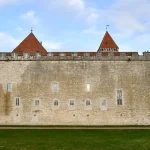
📷 Featured image by Kylli Kittus on Unsplash.