On this page
- A City Built Around One Beautiful Season
- Neighbourhoods: Where to Base Yourself
- What to Actually Do in Pärnu
- Where to Eat and Drink
- Getting Around Pärnu
- Day Trips Worth the Journey
- Evenings Out: Bars, Music, and Night Walks
- Shopping in Pärnu
- Where to Stay by Budget
- When to Come: Seasons and Timing
- Practical Things to Know Before You Arrive
- 2026 Budget Breakdown: What a Day Actually Costs
- Frequently Asked Questions
💰 Click here to see Estonia Budget Breakdown
💰 Prices updated: October, 2026. Budget figures are estimates — always verify before travel.
Exchange Rate: $1 USD = €0.88
Daily Budget (per person)
Shoestring: €40.00 – €70.00 ($45.45 – $79.55)
Mid-range: €120.00 – €250.00 ($136.36 – $284.09)
Comfortable: €300.00 – €900.00 ($340.91 – $1,022.73)
Accommodation (per night)
Hostel/guesthouse: €15.00 – €40.00 ($17.05 – $45.45)
Mid-range hotel: €60.00 – €150.00 ($68.18 – $170.45)
Food (per meal)
Budget meal: €15.00 ($17.05)
Mid-range meal: €35.00 ($39.77)
Upscale meal: €100.00 ($113.64)
Transport
Single metro/bus trip: €2.00 ($2.27)
Monthly transport pass: €30.00 ($34.09)
In summer 2026, Pärnu is busier than it has ever been. Rail Baltica construction has made the drive from Tallinn slightly more complicated near Pärnu junction, and weekend accommodation fills up by Tuesday for July and August arrivals. If you are planning a trip and assuming you can just show up — you cannot. This guide tells you exactly what to expect, where to go, and how to get the most out of Estonia‘s most beloved coastal city without the usual tourist frustrations.
A City Built Around One Beautiful Season
Pärnu (pronounced roughly “PAIR-noo”) sits on Estonia’s southwestern coast where the Pärnu River meets the Baltic Sea. Estonians have been coming here to relax since the 19th century, when Russian aristocrats discovered the therapeutic properties of the local mud and sea air. That wellness tradition never really left — it just got beach bars and paddleboard rentals added on top.
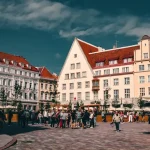
What separates Pärnu from Tallinn is attitude. Tallinn is a capital city doing capital city things: bureaucracy, business, medieval tourism. Pärnu has exactly one gear, and it is slow. Locals cycle barefoot to the beach at 10am with a coffee in hand. Restaurants do not rush you. The city centre is flat and walkable in under 20 minutes. Even the architecture reflects this — wide leafy streets, wooden villas with painted shutters, and long low promenades rather than towers and walls.
In 2026, Pärnu has invested heavily in its cycling infrastructure, adding 12 kilometres of new dedicated bike lanes connecting the Old Town, the beach strip, and the Rääma residential district. The beach promenade itself was repaved in late 2025, making it smoother and more accessible. The city feels polished but not sterile.
Neighbourhoods: Where to Base Yourself
Old Town (Vanalinn)
The compact historic core sits just north of the river. Streets like Rüütli and Nikolai are lined with cafés, boutiques, and pastel-painted merchant houses. This is the best base for first-time visitors who want to walk everywhere. It is lively in the evenings but not loud at night. Hotels here tend to be mid-range to high-end, and parking is limited.
Beach Strip (Rannarajoon)
South of the Old Town, across Supeluse Avenue, the city transitions into a leafy neighbourhood of wooden summer villas that stretches toward the beach. The streets here — Mere, Esplanaadi, Ranna — are quieter, shaded by old linden trees, and lined with guesthouses and small hotels. You can smell sunscreen and pine resin at the same time. This is where you want to be if your priority is waking up and walking to the sand in under five minutes.
Ülejõe
Cross the river east and the city shifts character entirely. Ülejõe is a working residential neighbourhood with Soviet-era apartment blocks, local grocery stores, and a handful of excellent no-nonsense lunch spots that tourists rarely find. Accommodation is cheaper here. It suits budget travellers who want to experience Pärnu as Estonians actually live it, not as a postcard.
Rääma
Further east still, Rääma is mostly residential and not a tourist zone — but it borders the Rääma Bog, a wild wetland that is excellent for early-morning walks. If you are renting a car and want space and quiet, guesthouses here offer the best value in the city.
What to Actually Do in Pärnu
The Beach
Pärnu Beach is the longest and most popular sandy beach in Estonia — 7 kilometres of pale sand running along the southern edge of the city. The water is shallow for a long stretch, which makes it genuinely good for swimming (water temperatures reach 20–22°C in July and August). The central section near the Rannapark has beach volleyball courts, outdoor shower stations, and a long wooden promenade. Arrive before 10am in peak season if you want to claim a good spot on a weekend.
Mud Baths and Spa Hotels
Pärnu’s therapeutic mud (sapropel) has been used medicinally since the 1830s. Several spa hotels still offer proper mud treatments — not the Instagrammable kind, but real physiotherapy-grade peat baths that Estonian doctors prescribe for joint conditions. The Tervise Paradiis and Strand spa hotels are the most established. A standard 30-minute mud treatment costs around €35–45 in 2026.
Red Tower (Punane Torn)
This squat 15th-century defensive tower on Hommiku Street is the oldest standing structure in Pärnu. It is small and easy to miss, but worth a five-minute stop. There is no grand interior — just solid medieval stonework and a small information board. It anchors the Old Town’s eastern edge.
Lydia Koidula Memorial Museum
Estonia’s most celebrated female poet was born in Pärnu, and this quiet museum on Jannseni Street preserves her childhood home. For anyone interested in the Estonian national awakening movement, it offers real context. For those less interested in 19th-century literary history, it can be skipped. Admission is €4 in 2026.
Rannapark
The green park stretching between the city centre and the beach is genuinely lovely — old trees, a small rose garden, open-air stage, and benches along gravel paths. It connects the urban grid to the sand without any jarring transition. The Summer Theatre (Suveater) in Rannapark hosts performances from late June through August; check the programme at the Pärnu Culture House website.
Where to Eat and Drink
Pärnu Market Hall (Pärnu Turg)
The covered market on Suur-Sepa Street is open daily from around 8am to 3pm and is the single best food stop in the city. Local farmers sell smoked fish wrapped in brown paper, fresh strawberries and dill in summer, and jars of forest honey. The indoor section has a handful of hot food counters — look for the one serving homemade black bread soup. It costs about €3 and is remarkable.
Rüütli Street
This is the Old Town’s main restaurant drag. You will find everything from wood-fired pizza to proper Estonian meat-and-potato plates within two blocks. The quality varies, but the outdoor seating in summer makes even average food feel acceptable. Avoid restaurants that have picture menus mounted on easels outside — a reliable sign that the kitchen is coasting. The better spots have handwritten daily specials on chalkboards.
Harbour Area (Sadamarajoon)
Walk north along the riverfront toward the small boat harbour and you hit a cluster of more local restaurants and fish shacks. The smoked eel sold from the small kiosks near the harbour wall is the real thing — intensely smoky, oily in the best way, eaten standing up with brown bread and your fingers. Prices are low: €6–8 for a solid portion.
Beach Kiosks
The kiosks along the beach promenade sell cold beer, ice cream, grilled sausages, and fresh kefir. This is not fine dining. It is exactly what you want after two hours in the sun. Estonian-style sausages (grilled vorst) from the kiosk near the beach volleyball courts cost €2–3.
Getting Around Pärnu
Pärnu is a genuinely easy city to navigate. The Old Town and beach are within comfortable walking distance of each other — about 15 minutes on foot. Most visitors do not need any transport at all if they stay centrally.
Cycling: This is the local mode of choice. Rental shops are found throughout the Old Town, charging €12–18 per day for a standard bike. The new 2025–2026 bike lane network makes cycling safe and logical throughout the city. A bike unlocks the beach strip, Rannapark, and the riverfront paths.
City Buses: Pärnu’s local bus network covers the outer districts. The fare is €1 per ride with a contactless card. Timetables are available on the Pärnu city website or via the Ridango app.
Taxis and Rideshare: Bolt operates in Pärnu. A ride across the city centre costs €4–7. Taxis are not flagged on the street — use the app.
From Tallinn: Lux Express and FlixBus run regular coaches from Tallinn bus station to Pärnu bus station. The journey takes about 2 hours and costs €8–18 depending on booking time. In 2026, Rail Baltica construction near Pärnu is ongoing, so road travel can add 10–15 minutes near the bypass. Check current traffic before travelling on Friday afternoons in summer.
Day Trips Worth the Journey
Kihnu Island
Kihnu is a UNESCO-listed island 40 km offshore with a living matriarchal culture unlike anything else in Europe. Women still wear traditional striped skirts daily. The island has no traffic lights and vehicles are mostly motorbike sidecars. Ferries run from Munalaiu port (45 minutes from Pärnu by car) and take about 75 minutes. Day trips are possible but an overnight stay gives you the real experience. Book the ferry well in advance in summer.
Soomaa National Park
About 60 km northeast of Pärnu, Soomaa is Estonia’s finest bog landscape. In spring it floods into what locals call the “fifth season” — an eerie, beautiful temporary lake across the forest floor. Canoe trails and guided bog walks are available May through September. The park has no direct public transport from Pärnu; renting a car or joining a guided tour from the city is the practical option.
Häädemeeste Dunes
Drive 30 km south on Route 4 and you reach one of Estonia’s most dramatic coastal landscapes — massive sand dunes covered in shore pines dropping straight to the Baltic. There is almost nobody here compared to Pärnu beach. It takes about 35 minutes to drive and requires no entry fee. Bring water; there are no facilities on the dunes themselves.
Viljandi
Estonia’s folk music capital sits 80 km northeast of Pärnu. The ruined Livonian Order castle, the famous Viljandi Folk Music Festival (late July), and a well-preserved town centre make it an excellent day trip. The drive is under an hour. Bus connections are possible but slow.
Evenings Out: Bars, Music, and Night Walks
Pärnu’s nightlife is relaxed by Baltic standards and extremely seasonal. In January, the city is nearly silent after 9pm. In July, it runs until 3am along the beach strip and around the Old Town.
Beach bars: Several open-air bars operate along the promenade from June to August, with DJs starting around 10pm on weekends. The atmosphere is young and casual — flip-flops and sunburned shoulders. Beer costs €4–6. No dress code, ever.
Sunset Club and Club Tallinn: These are the closest thing Pärnu has to proper clubs — both near the beach strip, both operating Friday and Saturday nights in peak season. Entry is typically €5–10. The music leans commercial Baltic pop and house.
Live music: Several Old Town bars host live acoustic sets on weeknights in summer. Check the noticeboards outside bars on Rüütli Street or ask at your accommodation. The Pärnu Concert Hall on Aida Street has a full programme of classical and folk concerts throughout summer.
Evening beach walk: The best free entertainment in Pärnu is a 9pm walk along the beach when the day-trippers have gone. The light in late June and July is extraordinary — the Baltic staying bright until nearly 11pm, the water going flat and silver, the smell of warm sand cooling down.
Shopping in Pärnu
Rüütli Street: The Old Town’s main shopping street has a mix of Estonian design boutiques, linen shops, and amber jewellery stores. Quality varies. The better boutiques stock local ceramic work and hand-knitted wool items that are genuinely made in Estonia, not imported.
Pärnu Market (Pärnu Turg): Beyond the food, the outdoor section of the market sells handmade goods — wooden spoons, woollen mittens, dried herb bundles. Prices are lower here than in any Old Town shop for the same quality of item.
Port Artur Shopping Centre: For practical needs — a pharmacy, supermarket, or clothing chain — Port Artur on Papiniidu Street is the local mall. Not a tourist attraction, but useful.
Amber shops: Pärnu has several amber jewellery shops, particularly on Rüütli and Nikolai. Baltic amber is the real article here — look for certificates of origin on higher-priced pieces. Loose amber pieces start around €5; finished jewellery from €15 upwards.
Where to Stay by Budget
Budget (under €60/night)
Hostels and small guesthouses in Ülejõe and outer Rääma district. Expect basic rooms, shared bathrooms in the cheapest options, and a 20-minute cycle to the beach. Villa Wesset and several unnamed family guesthouses in this range offer clean, simple rooms with kitchen access.
Mid-Range (€60–150/night)
The best value in Pärnu. Small hotels in the beach strip neighbourhood — wooden villa conversions with private bathrooms, sometimes a small garden or terrace. Look along Esplanaadi and Mere streets. The Ammende Villa and similar heritage buildings fall at the top of this bracket and are worth it for the architecture alone.
Comfortable/Luxury (€150+/night)
Pärnu’s spa hotels — Tervise Paradiis, Strand, and the recently renovated Baltic Hotel Pärnu — offer full spa facilities, beach proximity, and polished rooms. Booking six to eight weeks ahead for July and August is not optional; these sell out. In 2026, rates for peak weekend nights at top spa hotels reach €220–280 per night for a double.
When to Come: Seasons and Timing
July and August are peak season without question. Temperatures average 20–25°C, the beach is in full swing, every restaurant and bar is open, and the city has genuine energy. The trade-off: prices are highest, accommodation is tight, and the beach crowds on weekends are real.
June is the sweet spot for 2026. Prices are 20–30% lower than July, the weather is usually excellent (18–23°C), daylight runs past 10pm, and the city is busy but not overwhelming. Midsummer (Jaanipäev, June 23–24) is Estonia’s biggest holiday — Pärnu fills up, beaches have bonfires, and the atmosphere is unlike anything else.
May and September are genuine shoulder season. The beach is cold for swimming (12–16°C) but the town is pleasant, walking is excellent, and prices drop sharply. Several restaurants and beach bars are closed or on reduced hours.
Winter (November–March) is for spa tourism only. The city is quiet, hotels drop rates dramatically, and the spa hotels are genuinely therapeutic in the cold. The beach in February — grey sea, frost on the sand, total silence — has its own bleak beauty that some travellers love.
Practical Things to Know Before You Arrive
- Language: Estonian is the official language, but English is widely spoken in hotels, restaurants, and tourist areas. Older residents may speak Russian or Finnish as a second language.
- Tipping: Not mandatory, but 10% is appreciated in sit-down restaurants. Rounding up the bill is common. Bar staff are not typically tipped for individual drinks.
- Safety: Pärnu is very safe by any European standard. The main issue in summer is petty theft on the beach — do not leave valuables unattended on your towel.
- Water: Tap water is safe and clean. Carry a refillable bottle; there are public water points along the beach promenade.
- SIM cards: Tele2 and Elisa SIM cards are available at the Port Artur shopping centre and at the bus station. A 30-day data plan with 20GB costs around €10–15 in 2026. EU roaming rules still apply for EU residents.
- Pharmacy: There are several pharmacies in the Old Town and at Port Artur. Most are open 9am–8pm on weekdays, reduced hours on weekends.
- Beach rules: Dogs are allowed on the beach outside the designated swimming areas. Glass containers are prohibited on the sand.
2026 Budget Breakdown: What a Day Actually Costs
These figures are for one person per day, including accommodation, food, transport, and one paid attraction.
- Budget traveller (€40–60/day): Hostel or basic guesthouse (€25–35), market lunch and beach kiosk dinner (€10–12), bike rental (€12), one museum or attraction (€4–5). No major splurges.
- Mid-range traveller (€80–130/day): Villa guesthouse or small hotel (€60–90), two restaurant meals (€25–35), bike or occasional Bolt ride (€10–15), spa entry or activity (€20–30).
- Comfortable traveller (€180–280/day): Spa hotel with breakfast (€150–220), two proper restaurant meals with wine (€50–70), guided excursion or mud treatment (€35–50), taxis as needed.
Note that July weekend prices push all tiers upward by roughly 15–25% compared to June or September. Food costs have risen about 8% since 2024 due to continued energy and supply chain pressures across the Baltic region, but Pärnu remains significantly cheaper than equivalent beach destinations in Finland or Sweden.
Frequently Asked Questions
Is Pärnu worth visiting outside of summer?
Yes, but with a specific purpose. The spa hotels are excellent value from October through April, and the city has a quiet, local character that summer crowds erase. The beach is not swimmable, but it is walkable and beautiful in an austere way. Bring warm layers and realistic expectations.
How far is Pärnu from Tallinn, and how do I get there?
Pärnu is about 130 km south of Tallinn — roughly 2 hours by bus or car. Lux Express and FlixBus run frequent daily coaches for €8–18. In 2026, Rail Baltica construction near Pärnu occasionally causes road delays, especially on Friday afternoons heading south. Check traffic before setting out.
Is the water in Pärnu warm enough to swim?
In July and August, sea temperatures typically reach 20–22°C — comfortable for most swimmers. June can be 16–19°C depending on wind and sun. Before June and after August, the water is cold. The beach is still lovely for walking regardless of the season.
What is the best neighbourhood to stay in Pärnu?
For most visitors, the beach strip neighbourhood on Esplanaadi and Mere streets is the ideal base — close to the sand, quiet, and still walkable to Old Town restaurants. Budget travellers get better value in Ülejõe. Spa hotel guests should book directly in the hotel’s district near the southern beach.
Do I need a car to visit Pärnu?
Not for the city itself — Pärnu is entirely manageable on foot and by bike. A car becomes useful for day trips: Soomaa National Park, Häädemeeste dunes, and Viljandi all lack reliable public transport connections. If you plan more than one day trip to rural areas, renting a car for a day (from around €35–50/day in 2026) is worthwhile.
Explore more
Kalamaja Guide: Explore Tallinn’s Trendiest District
📷 Featured image by Dembee Tsogoo on Unsplash.