On this page
- Why Pärnu Works as a Weekend Destination
- Day 1 Morning: The Beach, the Boardwalk, and the Old Town Core
- Day 1 Afternoon: Mud, Wellness, and Soviet Spa Culture
- Day 1 Evening: Where to Eat and Drink on Your First Night
- Day 2 Morning: The Market, the Galleries, and the Quieter Side of Pärnu
- Day 2 Afternoon: Day Trips Worth the Drive
- Getting to Pärnu and Getting Around
- Where to Stay: Accommodation by Budget
- 2026 Budget Breakdown
- Practical Tips for a Smooth Weekend
- Frequently Asked Questions
💰 Click here to see Estonia Budget Breakdown
💰 Prices updated: October, 2026. Budget figures are estimates — always verify before travel.
Exchange Rate: $1 USD = €0.88
Daily Budget (per person)
Shoestring: €40.00 – €70.00 ($45.45 – $79.55)
Mid-range: €120.00 – €250.00 ($136.36 – $284.09)
Comfortable: €300.00 – €900.00 ($340.91 – $1,022.73)
Accommodation (per night)
Hostel/guesthouse: €15.00 – €40.00 ($17.05 – $45.45)
Mid-range hotel: €60.00 – €150.00 ($68.18 – $170.45)
Food (per meal)
Budget meal: €15.00 ($17.05)
Mid-range meal: €35.00 ($39.77)
Upscale meal: €100.00 ($113.64)
Transport
Single metro/bus trip: €2.00 ($2.27)
Monthly transport pass: €30.00 ($34.09)
Most people heading to Pärnu in 2026 face the same problem: they either squeeze it into a single rushed day trip from Tallinn or book a full week and run out of things to do by day four. Two days is genuinely the sweet spot. You get the beach, the spa culture, a proper meal at a decent restaurant, a wander through the old town, and still make it back to Tallinn on Sunday evening without that hollow feeling of having missed something.
Why Pärnu Works as a Weekend Destination
Pärnu sits about 130 kilometres south of Tallinn on Estonia’s western coast, straddling the mouth of the Pärnu River where it empties into the bay. Estonians call it the “summer capital,” which sounds like tourist-brochure language until you actually arrive in July and realise the entire country seems to be here at once. Beach bars are packed by noon. The spa hotels are fully booked. The pedestrian streets smell like sunscreen and grilled corn.
But Pärnu in 2026 isn’t just a summer town anymore. The city has spent the past two years developing its shoulder-season appeal — new wellness offerings that run year-round, a revamped indoor market, and a growing food scene centred on Rüütli Street and the harbour area. Even in October, when the beach is empty and the Baltic wind comes in cold and sharp, there’s something satisfying about walking the boardwalk alone with a coffee.
The city is compact enough to cover on foot or by bicycle. The old town, the beach, the spa district, and the market are all within about three kilometres of each other. That’s what makes a two-day format work so well here.
Day 1 Morning: The Beach, the Boardwalk, and the Old Town Core
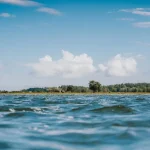
Start at the beach. This isn’t negotiable. Pärnu Beach is one of the finest stretches of sand on the entire Baltic coast — wide, gently sloping, with fine pale sand that stays relatively clean even at the height of summer. The water is shallow and warm by mid-July standards (typically 20–22°C in peak season), which explains why Estonian families have been coming here for generations.

Walk the wooden boardwalk that runs parallel to the shore. In the early morning, before the crowds arrive, you get the full sensory effect: the damp salt air coming off the bay, the sound of small waves, and the occasional runner passing on the path behind you. The beach stretches roughly 3.5 kilometres, but you don’t need to walk all of it — head as far as the Rannahotell (Beach Hotel), the striking modernist building from the 1930s that anchors the western end of the beach strip.
From there, cut inland toward the old town. Pärnu’s historic centre is small but coherent — a few blocks of 18th and 19th century merchant houses, Lutheran and Orthodox churches, and the remains of the old town walls. The Red Tower on Hommiku Street is one of the oldest surviving structures, dating to the 15th century. Tallinn Gate, the baroque archway on Kuninga Street, is the most photogenic spot in the centre and almost always has someone photographing it.
Walk down Rüütli Street — this is the main pedestrian spine of the old town. In summer it’s lined with café terraces. Pick up a pastry and coffee at one of the bakeries near the corner of Rüütli and Nikolai Streets and sit for twenty minutes. That’s the correct pace for a Pärnu morning.

Day 1 Afternoon: Mud, Wellness, and Soviet Spa Culture
Pärnu’s spa identity goes back to the 19th century, when the town became a fashionable mud-cure resort for the Russian and Baltic German aristocracy. The therapeutic mud from the nearby coastal marshes — dark, mineral-rich, with a faintly sulphurous smell that you either find medicinal or deeply unpleasant — was the original draw. That tradition never really went away, and today it sits alongside modern wellness in a way that’s specific to this place.
The spa district clusters around the beach-facing streets between the shore and Supeluse Street. The most atmospheric option is Hedon Spa & Hotel, which offers proper mud treatments alongside its pools and saunas. A 30-minute mud wrap costs around €45–55 in 2026. The Estonia Spa (now rebranded as Estonia Tervise Paradiis after a partial ownership change in 2025) is larger and more family-oriented, with waterslides and a serious thermal pool area. Day passes run €25–35 depending on day of week.
If you want the most authentic version of this experience, book a private sauna cabin at one of the smaller guesthouses near the spa district. Many of these have their own wood-fired saunas available by the hour for hotel guests — ask when you book. Sweating in a cedar-panelled room at 80°C while rain hits the window outside is, objectively, one of the best things you can do in Estonia.
Spend your afternoon here. Don’t try to fit in sightseeing afterward. The mud and sauna combination tends to make people calm to the point of uselessness, which is exactly the point.
Day 1 Evening: Where to Eat and Drink on Your First Night

By evening you’ll be ready to eat properly. Pärnu’s restaurant scene has grown noticeably since 2024, with several new openings on and around Rüütli Street and the harbour strip near the river mouth.
Restoran Port Artur near the yacht harbour is the most reliably good option for Estonian fish — smoked local bream, Baltic herring prepared three different ways, pike-perch with dill sauce. The terrace overlooking the river fills up fast on summer evenings; arrive before 7pm or book ahead. Mains run €18–26.
Steffani Pizza on Nikolai Street is a Pärnu institution that locals recommend without embarrassment. It’s been here for decades, the pizza is genuinely good, and it’s one of the few places where you can eat well for under €15 per person including a drink. Students, families, and beach-worn tourists all end up here eventually.
For drinks after dinner, Rüütli Street is the obvious choice. The strip has several bars with outdoor seating, and on warm evenings in July and August it has real energy — not Tallinn-nightlife energy, but something more relaxed and neighbourly. Bravo Bar and Sunset Club (near the beach end of the street) both get busy after 10pm in summer. If you’d rather avoid the louder spots, the craft beer selection at Pärnu Klooster — a bar and small brewery operating out of a converted building near the old Dominican monastery site — is worth an evening.
Day 2 Morning: The Market, the Galleries, and the Quieter Side of Pärnu
Saturday and Sunday mornings at the Pärnu Central Market (Suur-Sepa Street) are genuinely worth getting up for. This isn’t a tourist market — it’s a working market where local farmers bring produce, and where you can buy smoked fish wrapped in paper, dark rye bread still warm from the oven, and Estonian cheeses you won’t find in Tallinn supermarkets. The market hall was partially renovated in late 2024 and the indoor section is now more navigable, with better lighting and a small café counter near the entrance.
After the market, walk to the Pärnu Museum on Aida Street for a quick survey of the city’s history — the exhibits are well done and not overwhelming, and the section on the interwar resort period (1920s–1930s) explains a lot about the architecture you’ve been walking past. Allow 45–60 minutes.
The Chaplin Centre on Esplanaadi Street is Pärnu’s main contemporary art venue, named after Charlie Chaplin (who visited the city in the 1930s — there’s a small bronze statue nearby). The programming changes regularly; check what’s showing before you go. In 2026 the centre added a courtyard space used for outdoor exhibitions and occasional live performances during summer.
If the weather is good, take Esplanaadi Street — the wide, tree-lined boulevard that runs through the centre — all the way to the river and walk along the embankment. The views across the Pärnu River toward the far bank are quiet and unhurried, and the morning light on the wooden houses along Suur-Jõe Street is the most photographically rewarding part of the city that most visitors miss entirely.
Day 2 Afternoon: Day Trips Worth the Drive
If you have a car — or are willing to rent one for the afternoon — the area around Pärnu offers some genuinely compelling half-day excursions.
Kihnu Island
The most memorable option. Kihnu is a small island about 40 kilometres offshore in the Gulf of Riga, inhabited by a UNESCO-recognised traditional community with its own distinct culture, craft traditions, and dialect. The ferry from Munalaiu Harbour (about 30km south of Pärnu) takes roughly 1.5 hours. Day trips are feasible but tight — you’d want to take the morning ferry and return on the late afternoon crossing. The island has no traffic lights, almost no cars, and women still wear traditional striped skirts for daily activities. It’s one of the strangest and most affecting places in Estonia. Book ferry tickets in advance through the TS Laevad website.
Lavassaare Railway Museum
About 20 kilometres northeast of Pärnu, this narrow-gauge railway museum lets you ride a restored peat railway through flat Estonian countryside. It sounds niche and it is niche, but it’s genuinely fun — especially with children. The ride itself is only about 45 minutes, but the museum grounds and old locomotives are worth another hour. Open weekends from May to September.
Häädemeeste Sand Dunes
Drive 45 kilometres south along the coast road to reach the Tolkuse Nature Reserve near Häädemeeste, where coastal dunes rise to 6–8 metres above the beach. The surrounding pine forest is wild and quiet, the beach is almost always empty, and the light in the afternoon has a quality that photographers come specifically for. Pack food and water — there are no facilities.
Getting to Pärnu and Getting Around
The most practical way to reach Pärnu from Tallinn is by bus. Lux Express and FlixBus both run frequent services on the Tallinn–Pärnu route in 2026, with journey times of 1 hour 50 minutes to 2 hours 15 minutes depending on stops. Tickets booked in advance cost €7–14 one way. The Pärnu bus station is central and walkable to most accommodation.
Rail Baltica’s Pärnu station — part of the broader Rail Baltica infrastructure project — is still under construction as of early 2026, with the Tallinn–Pärnu high-speed rail connection expected to begin test operations in late 2027. For now, bus remains the default.
Within Pärnu, walking covers most of what you need. The beach, old town, spa district, and market are all within a comfortable walking radius. City buses run on several routes for longer distances, and fares are €1–2 per journey. Bicycle rentals are widely available near the beach (€8–12 per day) and the flat terrain makes cycling genuinely pleasant. Taxis and Bolt rides within the city are typically €4–8 for most journeys.
If you’re driving from Tallinn, the E67 motorway is straightforward. Parking near the beach is charged in summer (June–August) at around €2–3/hour, but free parking is available a few streets back from the beachfront.
Where to Stay: Accommodation by Budget
Budget (under €60/night)
The Pärnu Backpackers Hostel on Uus Street is the best-value option in the centre — clean, well-managed, with good common areas. Private rooms from around €40–50/night. Several guesthouses (külalistemaja) around the spa district offer simple double rooms for €45–60, particularly on side streets off Seedri and Metsavahi.
Mid-Range (€60–130/night)
The Ammende Villa is the most characterful choice in this range — a stunning Art Nouveau mansion turned hotel, set in its own garden near the spa district. Rooms from around €95–120/night. The Georg Ots Spa Hotel (named after the famous Estonian baritone) combines comfortable rooms with good pool access and costs €80–110/night. Both fill quickly on summer weekends; book at least two weeks ahead.
Comfortable/Luxury (€130+/night)
Hedon Spa & Hotel is the premium option, with proper spa facilities, a good restaurant, and rooms from €140–180/night in peak season. The Strand Hotel is large and beachfront, popular with families and conference groups, running €110–160/night. For something more private, several high-end villa rentals along Ranna Street (directly facing the beach) run €180–250/night for the whole property.
2026 Budget Breakdown
Here’s what a realistic two-day weekend in Pärnu costs per person in 2026, across three spending levels:
- Budget tier (hostel bed, self-catering breakfast, market lunch, one restaurant dinner, bus transport): approximately €80–110 per person for the full weekend
- Mid-range tier (guesthouse or mid-range hotel, café breakfasts, two restaurant meals per day, one spa session, bike rental): approximately €180–260 per person for the full weekend
- Comfortable tier (spa hotel, full restaurant meals, premium spa treatments, car rental for day trip, cocktails in the evening): approximately €350–500 per person for the full weekend
A single spa day pass runs €25–35. A sit-down restaurant lunch averages €12–18. A pint of local beer at a bar costs €4–5.50. The Pärnu Museum entry is €5. Ferry to Kihnu and back is around €18–22 per person. These figures reflect 2026 pricing — Estonian tourism costs have risen roughly 8–10% since 2024 in line with broader Eurozone inflation.
Practical Tips for a Smooth Weekend
Weather: Pärnu’s best weather runs June through August, with July being warmest (average 22–25°C). May and September are excellent for shoulder-season visits — fewer crowds, fully open businesses, and still warm enough for the spa and beach in good spells. Winter visits (November–March) are quieter but the spas stay open and the town has a very different, more intimate atmosphere.
Book spa treatments in advance: The main spa hotels take online bookings and fill their treatment slots quickly on summer weekends. Booking three to five days ahead is the minimum; two weeks ahead for July and August.
Language: Estonian is the official language. Most service staff in Pärnu’s tourism sector speak English well. Russian is less common in service contexts than it was five years ago. Finnish visitors are common (Pärnu has long been popular with Finnish tourists), so Finnish is sometimes spoken in hotels.
Water: Tap water in Pärnu is safe to drink. No need to buy bottled water.
Tipping: Not mandatory, but rounding up or leaving 10% is appreciated in restaurants. At spas and for taxi drivers, rounding up is standard.
SIM cards and connectivity: Estonian mobile coverage is excellent throughout Pärnu and the surrounding area. Pick up a prepaid SIM at the bus station or any R-kiosk — Tele2 and Elisa are the most reliable networks. A 30-day data package costs €8–15.
What to pack: Even in summer, bring a light jacket — sea breezes off the bay can be sharp in the evening. Flip-flops or sandals for the beach and spa areas. Comfortable walking shoes for the old town cobblestones.
Frequently Asked Questions
How far is Pärnu from Tallinn?
Pärnu is about 130 kilometres south of Tallinn by road. By bus (Lux Express or FlixBus), the journey takes roughly 1 hour 50 minutes to 2 hours 15 minutes depending on the service. By car on the E67 motorway, it’s around 1 hour 30 minutes in normal traffic. Rail Baltica service to Pärnu is not yet operational as of 2026.
Is Pärnu worth visiting outside of summer?
Yes, particularly for spa and wellness travel. The spa hotels run full programmes year-round. Autumn and spring bring quieter conditions, lower prices, and a more local atmosphere. Winter visits are niche but rewarding — the beaches are dramatic in cold weather, and the wood-fired sauna culture is very much alive. The beach resort atmosphere, however, is strictly a June-to-August phenomenon.
What is the best beach in Pärnu?
The main Pärnu Beach — the central stretch between the beach pavilion and Rannahotell — is the most developed and popular. It has lifeguard coverage in summer, beach volleyball courts, and rental facilities. For a quieter experience, walk 1–2 kilometres in either direction from the central area and the crowds thin considerably. The beach at Valgerand, slightly north of the main strip, is calmer and popular with families.
Do I need a car to visit Pärnu for a weekend?
No. The town centre, beach, spa district, and market are all walkable or easily reached by bicycle. Buses connect the bus station to most parts of the city. A car is only necessary if you plan to take a day trip to Kihnu ferry port, Lavassaare, or the Häädemeeste dunes — for those, renting a car for one day is a reasonable option, available from major rental companies at the bus station area.
When should I book accommodation for a summer weekend in Pärnu?
For July and early August weekends, book at least four to six weeks in advance — the good mid-range and spa hotels sell out fast. Late June and late August are slightly easier to book at three to four weeks notice. For shoulder-season weekends (May, September, October), one to two weeks ahead is usually sufficient, and you’ll find better rates with more availability.
Explore more
Which Pärnu District is Right for Your Estonia Getaway?
📷 Featured image by Margo Evardson on Unsplash.