On this page
- Why Haapsalu Catches People Off Guard
- Where to Base Yourself in Haapsalu
- The Unmissable Sights — What Actually Surprises Visitors
- Where to Eat and Drink in Haapsalu
- Getting to Haapsalu and Around Town
- Best Day Trips from Haapsalu
- Evenings in Haapsalu — What the Town Does After Dark
- Shopping and Local Finds
- Where to Stay in Haapsalu
- When to Come — Seasons, Festivals, and Mud Therapy Timing
- Practical Tips for First-Timers
- Daily Budget Breakdown — Real 2026 Costs
- Frequently Asked Questions
💰 Click here to see Estonia Budget Breakdown
💰 Prices updated: October, 2026. Budget figures are estimates — always verify before travel.
Exchange Rate: $1 USD = €0.88
Daily Budget (per person)
Shoestring: €40.00 – €70.00 ($45.45 – $79.55)
Mid-range: €120.00 – €250.00 ($136.36 – $284.09)
Comfortable: €300.00 – €900.00 ($340.91 – $1,022.73)
Accommodation (per night)
Hostel/guesthouse: €15.00 – €40.00 ($17.05 – $45.45)
Mid-range hotel: €60.00 – €150.00 ($68.18 – $170.45)
Food (per meal)
Budget meal: €15.00 ($17.05)
Mid-range meal: €35.00 ($39.77)
Upscale meal: €100.00 ($113.64)
Transport
Single metro/bus trip: €2.00 ($2.27)
Monthly transport pass: €30.00 ($34.09)
Haapsalu has a reputation problem — not a bad one, just an incomplete one. Most first-time visitors to Estonia fly into Tallinn and never make it the 100 kilometres west to this quiet spa town on the coast. In 2026, that’s slowly changing: with Rail Baltica construction pushing renewed interest in western Estonia’s transport links, and a growing number of travellers actively seeking slower alternatives to Tallinn’s Old Town crowds, Haapsalu is finally getting the attention it earned a century ago when Russian tsars came here for the mud. This guide is for those making the trip for the first time.
Why Haapsalu Catches People Off Guard
Haapsalu does not try to impress you immediately. You arrive, the streets are quiet, the sea appears between the buildings without warning, and within an hour you realise the town has completely changed your pace. That is its personality: a 13th-century bishop’s castle on one end, a wooden promenade on the other, and about 10,000 residents living in between who seem entirely unbothered by the concept of rush.
The town was a fashionable health resort from the mid-1800s onward. The mud baths drew aristocrats, composers, and writers — Tchaikovsky famously spent a summer here. That spa-town DNA still shows in the wide promenade, the painted wooden villas along the seafront, and a general sense that the correct speed for doing anything here is slightly slower than you planned.
What genuinely surprises first-timers is how compact and navigable the town centre is. You can walk from the train station ruins to the castle to the beach in under 30 minutes. There is no chaos, no hard sell. In summer, the wooden houses glow amber in the long evening light — the sun sets well past 10 p.m. in June and July — and the smell of the sea mixes with wild roses growing over garden fences along Lossiplats. It is exactly the kind of place you extend your stay by a day without planning to.

Where to Base Yourself in Haapsalu
Haapsalu is small enough that location choices are less about convenience and more about atmosphere.
The Old Town Core
The streets immediately surrounding the Bishop’s Castle — Lossi, Kooli, and Karja — put you within five minutes of the main sights on foot. Most of the guesthouses and smaller hotels here are in restored wooden buildings. This suits travellers who want to step outside and be immediately inside the town’s history. It gets slightly busier in peak summer but never approaches Tallinn-level crowds.
The Promenade Area
Staying near the Kuursaal (the 19th-century spa hall) and the seafront promenade gives you the longest evening walks and the best views of the bay. A few boutique guesthouses sit along Sadama and the adjacent streets. Slightly further from restaurants, but the trade-off is waking up to water views.
The Residential Outskirts
If you’re travelling by car and want more space for less money, the quiet residential streets east of the centre — around Ehte and Veski — have rental apartments at noticeably lower rates. You’ll need to drive or cycle to the main sights, but parking is free and plentiful.
The Unmissable Sights — What Actually Surprises Visitors
Haapsalu Episcopal Castle
The castle is the anchor of the town and it earns that status. Built in the 13th century by the Livonian Order of Teutonic Knights, it contains one of the only fully enclosed cathedral courtyards in the Baltic region. The walls are in excellent condition, and you can climb sections for views over the bay and the town’s wooden rooftops. Entry in 2026 is around €6 for adults. Budget at least 90 minutes.

The White Lady legend is embedded in the castle’s story: on August full moon nights, the ghost of a young woman is said to appear in the cathedral window. The town has built an entire late-summer festival around this — but more on that in the seasons section.
The Promenade and Kuursaal
The wooden promenade stretching along the bay is about 1.2 kilometres long. In summer, local families walk it in the evenings, kids fish off the small jetties, and the old Kuursaal building at the end hosts concerts and events. The structure itself — white painted wood, ornate 19th-century Baltic style — is visually striking even when nothing is scheduled inside.
African Beach (Aafrika rand)
The name sounds absurd for a town this far north, but Aafrika rand is a genuine local favourite. It’s a small sandy beach on the southern edge of the peninsula, sheltered and shallow, with water temperatures reaching 20–22°C in July and August. In early morning before other visitors arrive, the surface of the bay is completely flat and reflects the birch trees on the far shore. It is quieter than you expect and better than the name suggests.
The ESTS Railway Museum
Haapsalu’s old train station — a beautiful, melancholy wooden building with the longest station canopy in the Baltic states — now houses a railway museum. The story of the narrow-gauge line that connected Haapsalu to Tallinn (and fell into disuse) is presented here with surprising depth. For anyone interested in Soviet infrastructure or Baltic history, it’s worth an hour.
Where to Eat and Drink in Haapsalu
Haapsalu’s food scene is small but consistent. There are no Michelin stars here, and no need for them — the focus is fresh local seafood, Estonian comfort food, and a handful of cafés doing very good pastries.

The Central Market Area
The Haapsalu market near Karja tänav runs on weekend mornings and is the right place to pick up smoked fish, local honey, and rye bread still warm from someone’s home oven. The vendors are mostly locals selling surplus from their gardens and boats. In summer, wild chanterelles appear from July onward — buy a bag and ask your guesthouse if you can use the kitchen.
Restaurants and Cafés Worth Finding
Hapsal Dietrich on Karja tänav serves solid Estonian mains — pike-perch, pork, local vegetables — in a relaxed setting. For lighter meals and excellent coffee, Kohvik August near the promenade draws the local morning crowd and does open-face sandwiches on thick dark rye that are genuinely filling. The smell inside — roasted coffee, cardamom from the pastry case — hits you before you open the door properly.
Along the waterfront in summer, small seasonal kiosks sell grilled fish and smoked shrimp. This is the right move for a lunch with a sea view. Prices are modest: a plate of smoked Baltic herring with bread runs around €7–9.
Getting to Haapsalu and Around Town
From Tallinn by Bus
The most practical connection in 2026 is the Lux Express or SEBE bus from Tallinn’s Ülemiste bus terminal. Journey time is 1 hour 45 minutes to 2 hours depending on the service. Tickets booked in advance cost €6–10 one way. Buses run multiple times daily and drop you at Haapsalu’s small bus station, a short walk from the castle.
Rail Baltica and the Railway Question
The original narrow-gauge railway to Haapsalu has been a topic of revival discussions connected to broader Rail Baltica planning, but as of 2026 there is no operational passenger rail service to the town. If this changes — and the Estonian Transport Administration has flagged western Estonian connections in longer-term planning documents — it would transform access significantly. For now, the bus is your train.

Getting Around Town
Walk everywhere in the centre. The main sights are within a 15-minute radius on foot. For the beach and some of the outlying areas, bikes are the obvious choice — several guesthouses offer them for free or for €5–8 per day. Taxis exist but feel unnecessary for most visitors. There is a small local bus service, but you are unlikely to need it unless you are staying well outside the centre.
Best Day Trips from Haapsalu
Vormsi Island
Estonia’s fourth-largest island sits about 5 kilometres off the coast from Rohuküla harbour, 15 kilometres west of Haapsalu. The ferry crossing takes around 30 minutes. Vormsi has roughly 400 permanent residents, dense juniper forest, Swedish cultural heritage (Swedes lived here until WWII), and roads so quiet that cycling them feels slightly unreal. Bring your own food — the island has limited services. A day here is best described as a full reset.
Noarootsi Peninsula
This thin strip of land north of Haapsalu has a similar Swedish heritage to Vormsi and some of the most peaceful coastal scenery in western Estonia. The village of Pürksi has a Swedish heritage museum, and the roads along the coast offer good cycling. Reachable by car in 20 minutes from Haapsalu, or by bike if you enjoy a longer route.
Rohuküla and the Coastal Wetlands

Rohuküla itself is mainly a ferry port, but the wetlands between Haapsalu and the coast are an important bird migration area. In spring (April–May) and autumn (August–September), thousands of wading birds stop here. The Haapsalu-Noarootsi hiking trail passes through sections of this landscape. Even without binoculars, the flat, reedy shoreline has a cinematic quality in morning light.
Lihula and Matsalu National Park
About 45 kilometres southeast of Haapsalu, Matsalu is one of Europe’s most important wetland reserves. It protects floodplain meadows, reedbeds, and coastal areas used by over 270 bird species. The park’s visitor centre in Penijõe is a good starting point. Reachable by car in under an hour; accessible by bus to Lihula with some planning. Allow a full day.
Evenings in Haapsalu — What the Town Does After Dark
Haapsalu is not a nightlife destination, and embracing that fact makes the evenings here excellent. The town shifts into a different, slower mode after 7 p.m. The promenade fills up, the castle walls catch the last of the light, and the pace drops another notch below what it already was.
The Kuursaal hosts live concerts through summer — classical programmes, local folk acts, and occasional jazz evenings. Check the Haapsalu culture centre website for the current schedule; tickets typically run €8–15. The acoustic quality inside the old wooden hall is remarkable, and the walk home along the illuminated promenade afterward is the kind of evening you write in a journal.
For a drink, the bar attached to Hapsal Dietrich is the most reliable option for a late evening beer or a glass of local Viru Õlu. There are a couple of small wine bars that have opened in recent years catering to the slow-tourism crowd, usually closing by midnight. This is a town that turns in early — which suits the kind of traveller Haapsalu tends to attract.

The White Lady ghost walk around the castle walls runs on summer evenings as an informal tradition. Several local guides offer this as a private tour; it is not overly touristy and the castle after dark genuinely has atmosphere.
Shopping and Local Finds
Haapsalu lace is the town’s signature craft and one of the finest examples of traditional Estonian textile work. The lace — called Haapsalu sall (Haapsalu shawl) — is so fine it can be pulled through a wedding ring. It is handmade by a diminishing number of practitioners and genuinely rare. The Haapsalu Lace Centre on Karja tänav sells authentic pieces and also runs occasional workshops. A small shawl starts around €40–80; larger pieces run considerably more and are worth every cent as a meaningful souvenir.
Beyond lace, a small number of design boutiques have appeared in the town centre in the last two years, selling Estonian ceramics, natural skincare products, and local photography prints. If you want Estonian spirits or liqueur to take home, ask at any grocery about local producers — a couple of small-batch Estonian gin producers have found their way onto Haapsalu’s shelves since 2024.
Where to Stay in Haapsalu
Budget (under €60/night)
Haapsalu has a handful of guesthouses in renovated wooden houses where a clean double room with breakfast runs €45–60. These are typically family-run, friendly, and short on frills — which is fine because the town itself is the amenity. Look on Booking.com under “Haapsalu guesthouses” rather than hotels for the best options in this tier.
Mid-Range (€60–120/night)
The town’s mid-range sits in small boutique hotels and well-equipped apartments near the promenade. Expect private bathrooms, decent beds, and sometimes a sauna (an Estonian baseline expectation). The Fra Mare Thalasso Spa is the most established property in this range and offers actual mud therapy and spa treatments — aligned with the town’s historic identity. Rooms here start around €85–100 in summer.

Comfortable/Splurge (€120+/night)
True luxury is limited in Haapsalu. The upper end of Fra Mare and a few renovated villa rentals through Airbnb represent the top tier. If you want spa treatments bundled with accommodation and are coming specifically for the mud therapy or thalassotherapy, budget €130–160 per night for a package arrangement.
When to Come — Seasons, Festivals, and Mud Therapy Timing
The honest answer is that Haapsalu works in every season, just differently.
June and July are the peak months — long days, warm water at African Beach, the promenade at full life, and the Kuursaal schedule at its busiest. This is also the period for mud therapy treatment programmes, which run from late May through August when the therapeutic mud is warmest and most effective.
The White Lady Days festival happens in August around the full moon — typically a long weekend of outdoor concerts, theatrical performances at the castle, ghost walks, and markets. It draws visitors from across Estonia and some from Latvia and Finland. Book accommodation weeks in advance for this period.
September and October are genuinely underrated. The summer crowds disappear, the birch forests around the bay turn gold, and the town settles back into itself. Prices drop, guesthouses have vacancies, and the light on the water in October is extraordinary.
Winter is quiet but not lifeless. Haapsalu decorates heavily for Christmas, and the castle looks severe and beautiful under snow. The mud spa stays open year-round. The town has between 5 and 6 hours of daylight in December, so come prepared — but the experience of a nearly empty Estonian coastal town in winter is unlike anything in the busy summer season.

Practical Tips for First-Timers
- Cash vs card: Cards are accepted almost everywhere, but carry some cash for the weekend market and smaller kiosks near the beach.
- Language: Estonian is the local language. English is widely understood by anyone under 50 in the service industry. Some older residents speak Russian or German as a second language. A few words of Estonian — aitäh (thank you), tere (hello) — are always appreciated.
- Tap water: Fully safe to drink everywhere in Estonia, including Haapsalu.
- Tipping: Not obligatory but rounding up or leaving 10% in sit-down restaurants is normal practice and well-received.
- SIM cards: Buy an Estonian SIM at the Tallinn bus terminal or airport before heading west. Telia and Elisa offer good prepaid options from around €5–10 with generous data allowances. Coverage in Haapsalu and on Vormsi is generally solid.
- Packing: Even in summer, bring a layer for evenings — sea breezes on the promenade after 9 p.m. in June still drop to 12–15°C. In any other season, waterproof outerwear is non-negotiable.
- Pharmacies and medical: There is a pharmacy on Karja tänav. For anything beyond minor needs, the nearest hospital is in Tallinn or Pärnu.
Daily Budget Breakdown — Real 2026 Costs
Haapsalu is one of the more affordable destinations in Estonia. Compared to Tallinn’s Old Town pricing, you will consistently spend less here for equivalent quality.
- Budget traveller (€50–75/day): Guesthouse bed (€45–60), market breakfast and self-catered lunch, one sit-down dinner at a local café (€12–18 for a main and a drink), castle entry (€6), bus ticket from Tallinn (€8–10). This is very achievable.
- Mid-range traveller (€100–150/day): Boutique guesthouse or spa hotel (€85–110), coffee and pastry breakfast, proper lunches and dinners at Dietrich or equivalent (€15–25 per meal), a Kuursaal concert (€10–15), day trip ferry to Vormsi (€8–12 return). Comfortable and unhurried.
- Comfortable/splurge (€160–220/day): Top-end accommodation with spa package (€130–160), three meals at the best local options, guided castle tour, chartered boat trip on the bay, local gin and wine in the evenings. This tier is genuinely luxurious by Haapsalu standards without approaching Tallinn luxury pricing.

Frequently Asked Questions
How do I get from Tallinn to Haapsalu without a car?
The bus is your best option. Lux Express and SEBE both operate direct services from Tallinn’s Ülemiste bus terminal multiple times daily. The journey takes roughly 1 hour 45 minutes to 2 hours depending on the service. Book in advance on weekends — the Friday evening buses fill quickly. Tickets cost €6–10 one way.
Is Haapsalu worth visiting for just one day?
One day is enough to see the main sights — the castle, the promenade, the beach — but two days is the sweet spot. Staying overnight lets you experience the town’s evening atmosphere and the long summer light, which is genuinely the best version of Haapsalu. A day trip from Tallinn works but feels slightly rushed.
What is Haapsalu most famous for?
Historically, therapeutic mud baths and its status as a 19th-century resort town — Tchaikovsky and other notable figures came here for the cure. Today it is known for its medieval Bishop’s Castle, the White Lady ghost legend, traditional Haapsalu lace, and its relaxed coastal atmosphere that draws slow-travel visitors from across northern Europe.
When is the best time to visit Haapsalu?
June through August offers the warmest weather and the most activity, including the White Lady Days festival in August. September and October are excellent for avoiding crowds while still getting decent weather. Winter is quiet and cold but atmospheric — the spa stays open and accommodation prices drop significantly. Spring is pleasant but the bay area can be muddy and windy through May.
Is Haapsalu safe for solo travellers?
Haapsalu is one of the safest small towns in Estonia, which is already a low-crime country. Solo travellers — including solo women — report feeling completely comfortable here. The town is small enough that you are rarely far from people, and the general atmosphere is calm rather than isolated. Standard common-sense precautions apply, but there are no specific concerns for this destination.
Explore more
Haapsalu Travel Guide 2024: Essential Tips for First-Timers
Top Bars in Haapsalu: Where to Drink in This Estonian Town
Exploring Haapsalu: A Perfect One-Day Itinerary for First-Timers
Haapsalu Food Guide: From Local Delights to Fine Dining
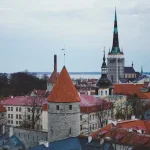
📷 Featured image by Pille R. Priske on Unsplash.