On this page
- The Creative Quarter: Rakvere’s Artistic Renaissance
- Local Food Culture: Where Rakverians Actually Eat
- Industrial Heritage and the Shale Oil Story
- Getting Around Rakvere Without a Car
- Outdoor Adventures in Vallimäe Hills
- Day Trip or Overnight? Planning Your Rakvere Visit
- 2026 Budget Breakdown
- Frequently Asked Questions
💰 Click here to see Estonia Budget Breakdown
💰 Prices updated: October, 2026. Budget figures are estimates — always verify before travel.
Exchange Rate: $1 USD = €0.88
Daily Budget (per person)
Shoestring: €40.00 – €70.00 ($45.45 – $79.55)
Mid-range: €120.00 – €250.00 ($136.36 – $284.09)
Comfortable: €300.00 – €900.00 ($340.91 – $1,022.73)
Accommodation (per night)
Hostel/guesthouse: €15.00 – €40.00 ($17.05 – $45.45)
Mid-range hotel: €60.00 – €150.00 ($68.18 – $170.45)
Food (per meal)
Budget meal: €15.00 ($17.05)
Mid-range meal: €35.00 ($39.77)
Upscale meal: €100.00 ($113.64)
Transport
Single metro/bus trip: €2.00 ($2.27)
Monthly transport pass: €30.00 ($34.09)
Most visitors to Rakvere snap a photo at the massive bronze aurochs statue near the 13th-century castle and consider the job done. But this approach misses the real Rakvere—a working town of 15,000 where Estonia’s industrial heritage meets a surprising creative energy, set among rolling hills just an hour from Tallinn.
The Creative Quarter: Rakvere’s Artistic Renaissance
The area around Lai Street has transformed into Rakvere’s unofficial creative hub, anchored by the Rakvere Theatre—one of Estonia’s most experimental stages outside the capital. The theatre’s 2026 season features bold interpretations of Estonian classics alongside contemporary European works, with most performances offering English subtitles on tablets.
Just behind the theatre, the former Soviet-era cultural center has been reimagined as Kultuurikeskus, housing artist studios, a pottery workshop, and a small gallery showcasing northern Estonian painters. The building’s brutalist exterior contrasts sharply with the warm wood-paneled studios inside, where you can watch glassblowers and textile artists at work on weekday afternoons.
The weekly Saturday art market in Keskväljak (Central Square) draws creators from across Lääne-Viru County. Local ceramicist Mari Kask sells her distinctive blue-glazed pieces here, inspired by the region’s limestone cliffs. The market runs from 10am to 3pm, May through September, with a smaller indoor version continuing through winter months.
For a deeper dive into local creativity, book a workshop at Savi ja Sõna (Clay and Word), where potter Jaan Tamm teaches traditional Estonian ceramic techniques in his converted barn studio, 3km south of town center. Sessions cost €35 and include all materials plus coffee brewed in Jaan’s own ceramic mugs.
Local Food Culture: Where Rakverians Actually Eat
Forget the tourist restaurants near the castle. Real Rakvere dining happens along Pikk Street, where the aroma of fresh-baked leib (Estonian rye bread) wafts from Rakvere Pagariäri every morning before 8am. Owner Kristel Mets uses her grandmother’s starter, creating dense, tangy loaves with a crackling crust that locals queue for daily.

Kohvik Katariina occupies a converted pharmacy building with original 1930s wood cabinets now displaying local honey and preserves. Their hearty soups—especially the rich pork and barley version served Thursdays—attract construction workers, teachers, and retirees who gather around mismatched tables for long conversations over steaming bowls.
The most authentic dining experience happens at Vallimäe Talu, a working farm 8km east of Rakvere that opens its doors Friday and Saturday evenings for family-style dinners. Farmer Toivo Rebane serves whatever’s in season: roasted pork from his own pigs, potatoes from the field behind the barn, and vegetables pickled by his wife Aino. Reservations essential; dinners cost €25 per person.
For craft beer, head to Rakvere Pruulikoda, where brewer Marko Veinla creates small batches inspired by old Estonian recipes. His juniper beer, made with berries foraged from local forests, tastes simultaneously ancient and completely modern. The taproom, built into a former grain warehouse, serves simple snacks alongside five rotating taps.
Industrial Heritage and the Shale Oil Story
Rakvere sits at the heart of Estonia’s oil shale region, and this industrial heritage shapes the town’s character more than any medieval castle. The massive Eesti Energia power plant, visible from kilometers away, employs nearly a quarter of local residents and powers much of northern Estonia.
The Rakvere Museum’s industrial wing, opened in 2025, tells the story of shale oil extraction through interactive exhibits and artifacts from the Soviet era. The most compelling display features recordings of local workers describing the transformation from agricultural community to industrial center in the 1960s.

For a hands-on experience, join the monthly tours of the Estonia Mine Museum, 15km southeast in Kohtla-Nõmme. Former miners guide visitors through restored underground tunnels, explaining extraction techniques while the sound of distant machinery echoes through limestone chambers. Tours run in Estonian and Russian, with English summaries provided.
The legacy of rapid industrialization appears throughout Rakvere’s architecture. Soviet-era apartment blocks dominate the skyline, but many have been renovated with colorful facades and efficient heating systems. The contrast between these practical buildings and the medieval old town creates an uniquely Estonian urban landscape.
Getting Around Rakvere Without a Car
Rakvere’s compact size makes walking the primary transport method for most visitors. The distance from the train station to the furthest attraction—Vallimäe Park—measures just 2.5km. Most streets feature sidewalks and bicycle paths, though winter ice can make walking treacherous from December through March.
Local buses operate two routes connecting residential areas with the center, but service is limited and mainly useful for reaching accommodation in newer districts. The more practical option for longer distances is cycling. Rakvere Rattad rents basic bikes for €12 per day from their shop near the bus station, with route maps highlighting safe paths to nearby attractions.
Taxis remain expensive but reliable, particularly for evening returns from restaurants outside town. Estonian ride-sharing apps Bolt operates in Rakvere with typical journeys costing €8-15. Most drivers speak basic English and accept both cash and cards.
For reaching Rakvere itself, the hourly train from Tallinn takes 1 hour 45 minutes and costs €7.50. The rebuilt train station, completed in 2025, features modern facilities and clear signage in Estonian, Russian, and English. Buses from Tallinn run more frequently but take slightly longer, costing €6-8 depending on the operator.

Outdoor Adventures in Vallimäe Hills
The rolling Vallimäe Hills surrounding Rakvere offer some of northern Estonia’s best hiking without the crowds of Lahemaa National Park. These ancient limestone formations, shaped by glacial activity, create a landscape of gentle ridges, hidden valleys, and spring-fed streams perfect for day-long exploration.
The 8km Vallimäe Loop Trail begins at the eastern edge of Rakvere and climbs through mixed forest to the region’s highest point at 166 meters. The route passes three small lakes where locals fish for perch and pike, and several clearings offer views across the oil shale mining region to the Gulf of Finland on clear days.
Winter transforms these hills into cross-country skiing terrain, with groomed tracks maintained by the local ski club from December through March. Equipment rental is available at Vallimäe Spordibaas for €15 per day, including skis, poles, and boots. The facility also offers lessons for beginners every Saturday morning.
The area’s limestone geology creates numerous caves and sinkholes, though most require local knowledge to find safely. Experienced guide Tõnu Kask leads monthly cave tours, revealing underground chambers decorated with calcite formations and pools of crystal-clear water. These adventures cost €40 per person and require advance booking through the tourist information center.
Day Trip or Overnight? Planning Your Rakvere Visit
Most travelers can explore Rakvere’s main attractions in a single day, making it an excellent excursion from Tallinn or a stop on the way to other northern destinations. The morning train arrives at 10:15am, allowing time to visit the castle, wander the creative quarter, and enjoy lunch before catching the 4:30pm return service.
However, staying overnight reveals Rakvere’s quieter pleasures: evening performances at the theatre, dinner at farm restaurants, and morning hikes in Vallimäe Hills before day-trippers arrive. The town’s accommodation options have improved significantly since 2024, with three new guesthouses offering comfortable rooms for €45-70 per night.

Wesenbergh Guesthouse, occupying a restored 1920s merchant’s house, provides the most atmospheric lodging. Rooms feature period furniture and modern bathrooms, while the breakfast includes local specialties like blood sausage and homemade jam. The central location puts restaurants and attractions within easy walking distance.
For budget travelers, Rakvere Hostel offers clean dormitory beds for €18 per night in a converted school building. Private rooms cost €35-45 and include access to a shared kitchen and common area where guests from across Europe gather for evening conversations.
2026 Budget Breakdown
Budget Day (under €40): Train from Tallinn (€7.50), lunch at Kohvik Katariina (€8), castle admission (€5), coffee and pastry (€4), dinner at local pub (€12). Total: €36.50
Mid-Range Day (€40-80): Includes budget costs plus bike rental (€12), craft beer tasting (€15), museum admission (€6), better dinner (€25). Total: €74.50
Comfortable Day (€80+): Taxi transfers (€20), guided cave tour (€40), workshop at pottery studio (€35), farm dinner at Vallimäe Talu (€25), accommodation upgrade. Total: €156.50
Overnight Budget (add to day costs): Hostel bed (€18), breakfast (€6). Mid-range: Guesthouse room (€55), breakfast included. Comfortable: Hotel room with amenities (€85), restaurant breakfast (€15).
Weekly farmers market prices: Fresh bread (€2-3), local cheese (€8 per kg), smoked fish (€15 per kg), seasonal vegetables (€1-3 per kg), craft honey (€6 per jar).
Frequently Asked Questions
Do I need to speak Estonian to enjoy Rakvere? Not necessarily. Most younger locals speak English, especially in restaurants and shops. Older residents often know Russian or German. Simple phrases and gestures work well for basic interactions, and people are generally patient with visitors.
Is Rakvere worth visiting if I’ve already seen Tallinn’s Old Town? Absolutely. Rakvere offers authentic Estonian small-town life without tourist crowds. The industrial heritage, local food scene, and outdoor activities provide completely different experiences from the medieval attractions in Tallinn.

Can I visit Rakvere Castle and the creative quarter in one day? Yes, easily. The castle takes 1-2 hours to explore thoroughly, while the creative quarter’s galleries and studios can be covered in another 2-3 hours. This leaves time for meals and casual exploration.
What’s the best time of year to visit Rakvere? May through September offers the warmest weather and longest daylight hours. Winter visits can be magical with snow-covered hills and cozy indoor venues, though some outdoor activities are limited. April and October provide pleasant conditions with fewer crowds.
Are there any festivals or special events in Rakvere? The Rakvere Theatre Festival in July features performances by Estonian and international companies. The autumn Harvest Festival in September celebrates local food and crafts. Both events offer unique insights into regional culture and attract visitors from across Estonia.
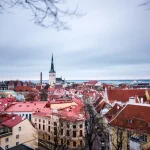
📷 Featured image by Jaanus Jagomägi on Unsplash.