On this page
- Why Saaremaa Works So Well for Families
- Best Family-Friendly Attractions on the Island
- Outdoor Adventures Kids Actually Love
- Where to Eat with Children in Saaremaa
- Getting to Saaremaa and Around the Island with Kids
- Rainy Day Activities for Families
- Accommodation for Families in Saaremaa
- Seasonal Guide: When to Visit Saaremaa with Kids
- 2026 Budget Breakdown for Families
- Practical Family Tips for Saaremaa
- Frequently Asked Questions
💰 Click here to see Estonia Budget Breakdown
💰 Prices updated: October, 2026. Budget figures are estimates — always verify before travel.
Exchange Rate: $1 USD = €0.88
Daily Budget (per person)
Shoestring: €40.00 – €70.00 ($45.45 – $79.55)
Mid-range: €120.00 – €250.00 ($136.36 – $284.09)
Comfortable: €300.00 – €900.00 ($340.91 – $1,022.73)
Accommodation (per night)
Hostel/guesthouse: €15.00 – €40.00 ($17.05 – $45.45)
Mid-range hotel: €60.00 – €150.00 ($68.18 – $170.45)
Food (per meal)
Budget meal: €15.00 ($17.05)
Mid-range meal: €35.00 ($39.77)
Upscale meal: €100.00 ($113.64)
Transport
Single metro/bus trip: €2.00 ($2.27)
Monthly transport pass: €30.00 ($34.09)
Most families visiting Estonia in 2026 are still defaulting to Tallinn for a day or two and calling it done. That’s a shame, because Saaremaa — Estonia’s largest island — is quietly one of the best family destinations in the entire Baltic region. The island has no motorway chaos, no crowds competing for the same selfie spot, and an almost absurd amount of space for kids to run around in. If you’re planning a trip with children and wondering whether the ferry crossing and rural pace are worth the effort, the short answer is yes, without hesitation.
Why Saaremaa Works So Well for Families
Saaremaa has a fundamentally different rhythm from mainland Estonia. The island covers about 2,673 square kilometres but has a population of only around 31,000 people. That ratio means your family will have beaches, forests, and castle grounds largely to yourselves — especially outside July and August.
The island is exceptionally safe by any European standard. Children can cycle on quiet country roads, wade in shallow bays without strong currents in most spots, and roam farm grounds with a freedom that feels increasingly rare in 2026. Local drivers are patient with cyclists and pedestrians, which matters enormously when you’re travelling with young children.
The pace is deliberate. Shops close earlier than in Tallinn, locals stop to chat, and the whole atmosphere encourages families to slow down rather than tick off a list. For parents exhausted by over-scheduled urban trips, that’s genuinely refreshing. Saaremaa also introduced expanded family discount schemes at most state-run attractions in 2025, so children under 7 enter free almost everywhere, and children aged 7–14 get at least 50% off standard admission.
Best Family-Friendly Attractions on the Island
Kaali Meteor Crater
This is the one that gets children genuinely excited. Around 3,500 years ago, a meteorite hit Saaremaa and left behind a crater lake roughly 110 metres wide. Today it sits in a quiet field near the village of Kaali, surrounded by a low stone wall, and the water inside is still and slightly eerie in the best possible way. Kids tend to go quiet when they stand at the rim and absorb the scale of what they’re looking at. The small exhibition building next to the site explains the impact in simple, visual terms. Entry is around €3 for adults, free for children under 7.
Kuressaare Castle
The 14th-century Bishop’s Castle in Kuressaare is one of the best-preserved medieval castles in the entire Baltic region, and it’s built on a small moated island of its own. The thick stone walls, dark spiral staircases, and cannon-filled bastions are exactly what children imagine when they hear the word “castle.” The Saaremaa Museum inside runs interactive displays for younger visitors, and the grounds outside the moat are free to walk — a good spot for a picnic after exploring the interior. Admission to the castle museum is €8 for adults, €4 for children aged 7–14.

Angla Windmill Hill
Five traditional wooden windmills stand in a row on a gentle hill near Leisi in northern Saaremaa. It’s one of the most photographed spots on the island and takes about 20 minutes to explore, which is precisely the right amount of time for children who are done standing still. The surrounding area is open farmland where kids can stretch their legs properly. A small café near the site sells local pastries and coffee. Entry to the windmill area is free.
Saaremaa Zoo
Located near Kuressaare, Saaremaa Zoo is a small but well-run facility that focuses on animals native to the region — deer, wild boar, wolves, lynx, and various birds of prey. It won’t compete with a major European zoo for scale, but for children aged 3–10 it’s genuinely captivating because you’re close to the animals and the enclosures feel natural rather than clinical. In 2026 the zoo expanded its guided family trail, which takes about 90 minutes and includes animal feeding times. Admission is €7 for adults, €4 for children.
Panga Cliffs
The northern coast of Saaremaa has the highest sea cliffs in Estonia — about 21 metres of pale limestone dropping straight to the Baltic. There’s a viewing platform with a safety rail, and on a clear day you can see for miles across the open sea. Children old enough to understand heights find this genuinely thrilling. The walk along the cliff path takes about 30 minutes and is mostly flat. Keep a firm hand on younger children near the unrailed sections of the cliff edge. Entry is free.
Outdoor Adventures Kids Actually Love
Saaremaa’s real strength for families is its outdoor space. The island has over 1,500 kilometres of marked cycling routes, many of them running along quiet back roads through juniper meadows and coastal pine forests. Bike rental is widely available in Kuressaare from around €10–15 per day for an adult bike, €8 for a child’s bike. Several guesthouses and holiday villages also include bikes in their accommodation packages.
The beaches on the western and southern coasts — particularly around Järve and Mändjala — have shallow, sandy entry points ideal for young children. The water temperature in July and August reaches around 18–22°C, warm enough for swimming by Baltic standards. The beaches are rarely crowded outside peak weekends, and the sea floor is sandy and gradual rather than rocky.

Vilsandi National Park, on the western tip of the island, has easy walking trails through coastal meadows and reed beds where children can spot wading birds, seals hauled out on offshore islets (with binoculars), and wild orchids in late May and June. The park rangers at the visitor centre near Loona Manor are used to families and can suggest routes by age and energy level.
For something more active, the Ohessaare Cape area in southwestern Saaremaa has a striking walking trail across a narrow limestone peninsula jutting into the sea — the path takes about an hour return and feels genuinely adventurous for children aged 6 and up.
Where to Eat with Children in Saaremaa
Kuressaare is the main town and the best base for eating out. The central area around the Town Hall Square and Lossi Street has the highest concentration of family-friendly restaurants. Veski Tavern (Pika 2, Kuressaare) is housed in a converted windmill and serves Estonian comfort food — pork dishes, roast potatoes, thick soups — at portions that satisfy hungry children and adults equally. It’s loud enough that a noisy table fits right in.
For a lighter meal or a mid-afternoon break, Kohvik Retro on the main square does excellent open-faced sandwiches, fresh pastries, and proper hot chocolate. It’s a small space, so arrive before noon or after 2pm to avoid the lunchtime squeeze.
The Kuressaare Market Hall (open Tuesday–Saturday mornings) is the best place to pick up farm produce, smoked fish, local honey, and fresh bread for a picnic. Children who are picky eaters tend to do well with picnic-style meals, and Saaremaa’s parks and castle grounds are ideal picnic spots.

Further from town, Mändjala Beach area has a seasonal café that operates from late May through August, serving grilled fish, sandwiches, and ice cream directly beside the beach. It’s basic but perfectly placed for families spending the day at the water.
Farm stops are common across Saaremaa and worth seeking out. Several farms along the Leisi and Laimjala roads sell fresh eggs, homemade jams, and smoked meats from roadside stalls on an honesty-box system — a small, memorable experience for children who’ve never encountered that level of trust.
Getting to Saaremaa and Around the Island with Kids
The standard route from Tallinn is to drive or take a bus to Virtsu on the mainland, then catch the Saaremaa ferry to Kuivastu on Muhu Island. From Kuivastu, a causeway connects Muhu to Saaremaa — so the final part of the journey is by road. The ferry crossing itself takes about 25 minutes and is genuinely enjoyable for children. There are indoor seating areas, a small café on board, and the deck views of the Estonian coast are worth seeing. Ferries run frequently, roughly every 30–60 minutes depending on the season.
In 2026, TS Laevad continues to operate the Virtsu–Kuivastu route. Booking online in advance is strongly recommended in July and August, when car spaces fill up days ahead. A standard car with up to 5 passengers costs around €18–24 for the crossing depending on the season. Foot passengers pay approximately €4 per adult.
There is also a direct bus service from Tallinn bus station to Kuressaare (the main town on Saaremaa) that runs several times daily and includes the ferry crossing as part of the ticket. Journey time is around 3.5–4 hours. Tickets cost approximately €12–18 per adult.
On the island, a car is essentially necessary for families who want to explore beyond Kuressaare. The bus network covers the main routes but runs infrequently. Most families either bring their own car on the ferry or rent one in Kuressaare. Several local rental companies operate in town, with prices starting around €45–60 per day for a compact car. Roads on the island are in good condition in 2026 following a significant resurfacing programme completed in late 2024.
Rainy Day Activities for Families
Saaremaa has a maritime climate, which means rain is always possible even in summer. Having a plan for wet days is practical rather than pessimistic.
Kuressaare Castle Museum easily fills two to three hours on a rainy afternoon. The castle interior is atmospheric and slightly dark in the way that children find exciting — narrow corridors, thick walls, rooms dedicated to medieval history and island life. The museum has improved its interactive elements considerably since 2024.

Arensburg Spa & Hotel in Kuressaare has a public pool and waterpark section that’s popular with families. Entry for a family of four costs around €40–50 for a half-day session. It’s a reliable fallback when outdoor plans collapse.
The Saaremaa Local History Museum near Kuressaare covers island geology, traditional crafts, and the meteor impact in more depth than the Kaali site itself. It’s modest in scale but well-curated, and children who’ve already visited the crater tend to engage with the exhibits more actively.
Several pottery and craft workshops in and around Kuressaare accept family bookings and offer hands-on sessions making traditional Estonian ceramic pieces. These typically run 90 minutes and cost around €15–20 per person. Check local tourist information in Kuressaare for current providers as these change seasonally.
Accommodation for Families in Saaremaa
Farm stays and holiday villages are the most popular accommodation choice for families on the island, and for good reason. Properties in rural areas typically offer self-catering cottages with outdoor space, sometimes including animals, a sauna (a non-negotiable feature in any serious Estonian guesthouse), and access to forests or meadows directly from the property. These suit families with young children particularly well because there’s immediate space to play without needing to get in a car.
In and around Kuressaare, hotels like Mändjala Holiday Village (about 8km from town on the coast) offer cabin-style accommodation with beach access. It’s well-suited to families with children of all ages and books out quickly in July. Prices run around €90–150 per night for a family cabin in high season.
For families who prefer a hotel with services, Arensburg Boutique Hotel & Spa in central Kuressaare is the premium option at €150–220 per night. It’s comfortable and centrally located but doesn’t have the outdoor roaming space of a rural property.
Budget-conscious families can find perfectly adequate guesthouses across the island for €50–80 per night, many of which include a sauna and basic breakfast. The village of Leisi in the north and the Salme area in the south both have good options at this price point.
Seasonal Guide: When to Visit Saaremaa with Kids
June and August are the sweet spot for most families. School holidays align with the warmest weather, sea temperatures are swimmable, and all attractions and seasonal restaurants are fully open. July is peak season — everything works, but accommodation books out far in advance and prices are at their highest. Book at least 3–4 months ahead for July 2026.

Late May and early September are excellent shoulder options for families with flexible school schedules. The island is quieter, prices drop significantly, and the weather is still reliably mild (15–20°C). The juniper meadows and coastal wildflowers are at their best in late May, and the autumn light in September is striking for family photos.
Winter is genuinely beautiful but limited in scope for young children. Most outdoor sites remain accessible, the castle is open year-round, and a midwinter sauna session on a snowy farm property is an experience children remember for years. However, most farm stays and beach cafés close from October through April, which restricts options significantly.
2026 Budget Breakdown for Families
The following figures assume two adults and two children (one aged under 7, one aged 8–12) for a full day on the island, excluding accommodation.
- Budget tier (€60–90/day total): Self-catering meals from the market, free attractions (Panga Cliffs, Angla windmills, beaches), Kaali crater entry, bike hire for the family. This is entirely achievable and covers a full, varied day.
- Mid-range tier (€120–160/day total): Lunch at a sit-down restaurant in Kuressaare, Kuressaare Castle admission, zoo entry, ice cream and snacks, fuel for the car. A comfortable day with no compromises.
- Comfortable tier (€200–280/day total): Restaurant dinner, spa entry for the family, guided tour, craft workshop, and premium accommodation upgrade. This tier covers every available experience in a single day.
Accommodation is the biggest variable. Expect to add €50–80 per night for budget guesthouses, €90–150 for family cottages, and €150–220 for hotel stays. Grocery costs on the island are comparable to mainland Estonia — a full day’s picnic supplies for a family of four costs around €15–20 from the market or local shop.
Practical Family Tips for Saaremaa
Packing: The weather in Saaremaa shifts quickly regardless of season. Even in summer, bring a waterproof layer for every member of the family. Mosquitoes are active near forests and marshes from June through August — pack repellent and reapply it regularly for children.
Language: Estonian is the local language, but English is spoken confidently in hotels, restaurants, and tourist sites in Kuressaare. In more rural areas, older locals may only speak Estonian or Russian. A simple phrase of thanks in Estonian — aitäh (eye-tah) — is always warmly received.

Safety: Saaremaa is extremely safe. Traffic on back roads is minimal, and locals are watchful and helpful towards families. Tick awareness is the one real health consideration — check children for ticks after any time in forest or tall grass, particularly from May through September. Tick removal tools are sold at every pharmacy on the island.
Water: Tap water in Saaremaa is clean and safe to drink everywhere.
SIM cards: Estonian mobile coverage (Telia, Elisa, Tele2) is reliable across the island including rural areas. An Estonian prepaid SIM with data costs around €5–10 and can be purchased at the ferry terminal in Virtsu or in Kuressaare.
Pharmacies and medical care: Kuressaare Hospital has a 24-hour emergency department. There are several pharmacies in Kuressaare and a limited number of rural dispensaries. For longer stays, bring sufficient supplies of any regular medications for children.
Frequently Asked Questions
How do you get to Saaremaa from Tallinn with children?
Drive or take a bus to the Virtsu ferry terminal, then catch the 25-minute ferry to Kuivastu on Muhu Island. A causeway connects Muhu to Saaremaa. The total journey from Tallinn takes about 3.5–4 hours. Direct buses from Tallinn to Kuressaare include the ferry crossing in the ticket price.
What age group is Saaremaa best suited to?
Saaremaa works well for children of all ages, but families with children between 4 and 14 tend to get the most from it. Toddlers enjoy the beaches and open space. Older children engage strongly with the castle, meteor crater, zoo, and cycling routes. Teenagers often respond well to the island’s independence and natural scale.
Is Saaremaa safe for young children?
Yes — it’s one of the safest family destinations in the Baltic region. Traffic is light, beaches are shallow and calm on most of the coastline, and crime is essentially negligible. The main practical hazard is ticks in forested areas during summer — check children after any outdoor activity from May through September.
When is the best time to visit Saaremaa with kids?
Late June through August is peak family season — all attractions are open, the sea is swimmable, and the weather is warmest. July is the busiest month, so book accommodation early. Late May and early September offer quieter conditions with lower prices, and the island remains beautiful in both shoulder months.
Do you need a car to visit Saaremaa with children?
For families, a car makes the trip significantly easier. Saaremaa’s attractions are spread across the island and the bus network is infrequent. You can bring your own car on the ferry or rent one in Kuressaare from around €45–60 per day. Families based entirely in Kuressaare can manage without a car for the first day or two but will find their options limited without one.
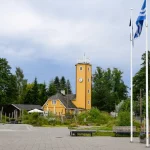
📷 Featured image by Marek Lumi on Unsplash.