On this page
- University Quarter: Where Students Own the Night
- Raekoja Plats and Old Town: Historic Bars with Character
- Karlova and Supilinn: Bohemian Drinking Spots
- Late-Night Eats and After-Hours Venues
- Craft Beer Scene and Local Breweries
- Seasonal Nightlife: From Terrace Season to Winter Coziness
- Budget Breakdown: What You’ll Actually Spend
- Frequently Asked Questions
💰 Click here to see Estonia Budget Breakdown
💰 Prices updated: October, 2026. Budget figures are estimates — always verify before travel.
Exchange Rate: $1 USD = €0.88
Daily Budget (per person)
Shoestring: €40.00 – €70.00 ($45.45 – $79.55)
Mid-range: €120.00 – €250.00 ($136.36 – $284.09)
Comfortable: €300.00 – €900.00 ($340.91 – $1,022.73)
Accommodation (per night)
Hostel/guesthouse: €15.00 – €40.00 ($17.05 – $45.45)
Mid-range hotel: €60.00 – €150.00 ($68.18 – $170.45)
Food (per meal)
Budget meal: €15.00 ($17.05)
Mid-range meal: €35.00 ($39.77)
Upscale meal: €100.00 ($113.64)
Transport
Single metro/bus trip: €2.00 ($2.27)
Monthly transport pass: €30.00 ($34.09)
Tartu‘s nightlife in 2026 revolves around one simple truth: this is Estonia’s ultimate student city, and the drinking scene reflects that energy. With over 13,000 university students flooding bars that stay buzzing until 3am on weekends, you’ll find a refreshingly unpretentious scene where craft beer flows as freely as philosophical debates. The challenge isn’t finding a good time — it’s choosing between cozy pub crawls around Raekoja Plats or diving into the alternative hangouts scattered through Karlova’s residential streets.
University Quarter: Where Students Own the Night
The heart of Tartu’s student nightlife beats strongest around Ülikooli and Lossi streets, where university buildings mix seamlessly with bars that have perfected the art of cheap drinks and late hours. Zavood on Lossi Street anchors this scene as the city’s premier club, occupying a converted factory space where techno and house music pound through exposed brick walls until sunrise. Entry costs €5-8, with student discounts bringing it down to €3 on weeknights.
Walk two blocks toward the river and you’ll hit Möku, a deliberately scruffy bar where philosophy students argue over €2.50 beers while indie bands set up equipment in the corner. The wooden floors creak authentically, and the bathroom graffiti includes discussions of Kant in three languages. Thursday nights here buzz with the energy of weekend anticipation, as groups merge and plans crystallize over shared pitchers.
For a slightly more upscale student experience, Krempel on Rüütli Street offers craft cocktails (€6-9) in a space that feels like someone’s really cool apartment. The bartenders know their regulars by name and drink preference, creating an atmosphere where first-year international students quickly become part of the furniture.

University District Bar Crawl Route
Start at Illegaard (Ülikooli 5) for €3 local beers and board games, then move to Shooters (Ülikooli 8) for shot specials, and finish at Zavood if you’re still standing. This triangle covers about 400 meters and represents the core of student drinking culture.
Raekoja Plats and Old Town: Historic Bars with Character
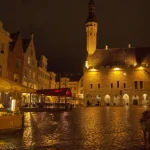
Tartu’s medieval town square transforms after dark into a sophisticated drinking circuit where local professionals mix with tourists seeking atmosphere over pure student energy. Püssirohukelder, literally “Gunpowder Cellar,” occupies 14th-century vaulted cellars beneath the square where the stone walls sweat slightly and candle wax drips onto rough wooden tables. Their medieval-themed cocktails (€8-12) include house-made herbal liqueurs, and the acoustics turn every conversation into an intimate whisper.
Above ground, Wilde Irish Pub anchors the square’s northwest corner with reliable Guinness on tap and live music three nights a week. The crowd skews older than the university quarter — think visiting professors, local government workers, and tourists who stumbled into what might be Estonia’s most authentic Irish pub outside Tallinn. Fish and chips arrive perfectly crispy at €14, ideal for soaking up an evening’s worth of proper pints.
Café Wilde next door operates as a wine bar after 9pm, offering Estonian wines that most visitors don’t know exist alongside French and Italian standards. The terrace provides prime people-watching over the square, particularly during Tartu’s endless summer evenings when darkness doesn’t fall until nearly midnight.
Two blocks toward the river, Atlantis represents old-school Tartu nightlife — a two-level club where the upstairs plays Estonian pop and Russian hits while the basement pounds out house music. It’s not trendy, but it’s where local twenty-somethings go to dance without pretense. Entry costs €5 on weekends, and the crowd includes everyone from bank tellers to bus drivers.

Karlova and Supilinn: Bohemian Drinking Spots
Cross the Emajõgi River into Karlova and Supilinn neighborhoods, and Tartu’s nightlife shifts toward artsy hangouts where conversations run deeper and the music plays quieter. These wooden house districts, still recovering from decades of Soviet neglect, now harbor some of the city’s most interesting drinking spots.
Tavern on Kalevi Street occupies a restored 1920s wooden house where each room feels like a different era. The front room serves natural wines and craft cocktails to gallery owners and freelance journalists, while the back room hosts intimate acoustic sets most Thursday nights. The garden stays open until midnight during summer, lit by string lights that reflect off mason jars filled with house-made kombucha cocktails.
Further into Supilinn, Labor operates as a coffee shop by day and transforms into a neighborhood bar after 6pm. The crowd includes artists, writers, and the kind of locals who moved to this district specifically to avoid crowds. Beer selection focuses on Estonian microbreweries, and the small food menu changes based on what’s seasonal. Expect to pay €4-6 for excellent local brews in an atmosphere where bringing a book doesn’t seem odd.
Naiiv, hidden on a residential street that GPS struggles to locate, functions as Tartu’s answer to Berlin’s underground bar scene. Ring the unmarked doorbell, descend into a basement that feels like someone’s rec room, and discover craft cocktails (€7-10) made with ingredients foraged from Estonian forests. The bartender might explain the story behind each drink while indie electronic music plays just loud enough to create atmosphere without drowning conversation.
Getting Around the Alternative Scene
These neighborhoods require either walking or biking — Tartu’s new bike-share system launched in 2025 includes stations throughout Karlova. Most venues cluster within a 15-minute walk of each other, connected by quiet streets where the journey becomes part of the experience.

Late-Night Eats and After-Hours Venues
Tartu’s post-midnight dining options have expanded significantly since 2025, when the city recognized that students need more than kebab shops to fuel late-night adventures. Kohvik Gustav now stays open until 2am Friday through Sunday, serving Estonian comfort food like blood sausage and sauerkraut (€8) alongside surprisingly good late-night cocktails.
The undisputed champion of after-hours eating remains Genialistide Klubi on Magasini Street, where the kitchen operates until 4am serving what locals call “drunk food done right.” Their €6 burger combines local beef with house-made pickles and enough grease to restore your faith in humanity after a long night. The portions could feed two people, which often becomes the point as bar crawlers share plates and debate where to go next.
Rõõm Baar deserves special mention as Tartu’s primary after-hours drinking spot, operating with a license that extends until 5am on weekends. Located in a basement on Rüütli Street, it attracts everyone from clubbers extending their night to shift workers grabbing drinks before heading home. The atmosphere skews industrial, with metal furniture and exposed pipes, but the crowd maintains the friendly energy that defines Tartu nightlife.
For those seeking something between dinner and full late-night chaos, Hõlm serves small plates until 1am alongside natural wines and craft beers. Their Estonian tapas concept includes items like smoked fish with dark bread (€5) and seasonal vegetables prepared with techniques that surprise in their sophistication.
Craft Beer Scene and Local Breweries
Tartu’s beer culture has exploded since 2024, when several microbreweries opened taprooms alongside established favorites. Õllenaut leads this revolution from their location on Kalda Tee, offering 16 rotating taps featuring everything from traditional Estonian farmhouse ales to experimental sour beers aged in wine barrels. Their tasting flights (€12 for four 150ml pours) provide education alongside entertainment, and the industrial-chic taproom buzzes with conversations about hop varieties and fermentation techniques.

Downtown, Brewery Tap represents a collaboration between local brewers and international beer importers, creating a space where Estonian craft beers share tap space with Belgian sours and American IPAs. The knowledgeable staff can guide beginners through flavor profiles while satisfying beer geeks hunting for limited releases. Expect to pay €3-5 for local beers, €6-8 for imports.
Pühaste Brewery, technically located 20 minutes outside Tartu, runs a shuttle bus from the town square on Saturday evenings, turning brewery visits into social events. Their farmhouse location includes a restaurant serving locally-sourced food designed to pair with their beers, plus tours that explain how they incorporate Estonian ingredients like sea buckthorn and juniper into traditional brewing processes.
The craft beer revolution extends to traditional bars as well. Even Püssirohukelder now offers Estonian craft options alongside their medieval-themed cocktails, while student hangouts like Möku pride themselves on rotating local taps that introduce newcomers to breweries they’ve never heard of.
Seasonal Nightlife: From Terrace Season to Winter Coziness
Tartu’s nightlife personality shifts dramatically with Estonia’s extreme seasonal changes, and understanding these rhythms helps visitors time their arrival for maximum enjoyment. Summer terrace season, running roughly from May through September, transforms the city into an outdoor drinking paradise where every bar extends onto sidewalks, courtyards, and rooftops.
During these bright months when darkness arrives after 11pm, Raekoja Plats becomes one giant outdoor party as restaurants and bars spill onto the medieval square. The atmosphere peaks during Hansapäevad (Hanseatic Days) in July, when medieval reenactors drink alongside university students and the entire square pulses with energy until sunrise. Beer gardens pop up in unexpected locations, including the courtyard behind the university’s main building where students gather around picnic tables sharing stories in a dozen languages.

Winter transforms Tartu into a completely different drinking city. From November through March, the focus shifts indoors to cozy spaces where fireplaces crackle and mulled wine steams in ceramic mugs. Püssirohukelder becomes particularly atmospheric when snow covers the square above and candlelight flickers off stone walls that have witnessed centuries of Estonian winters.
Kroon Baar emerges as a winter favorite, occupying a restored 19th-century merchant’s house where each room features different seating arrangements around heat sources. Their winter cocktail menu includes warming drinks made with Estonian honey and herbs, perfect for sipping while watching snow fall past frosted windows. The warmth inside makes the cold outside feel like an adventure rather than an ordeal.
Spring and autumn provide transitional experiences where indoor and outdoor drinking merge unpredictably. April evenings might start on a heated terrace and migrate indoors as temperatures drop, while September nights stretch outdoor season into the early weeks of the academic year when new students discover Tartu’s drinking culture.
Budget Breakdown: What You’ll Actually Spend
Understanding Tartu’s nightlife costs in 2026 helps budget-conscious visitors and students plan their evenings without morning-after financial regret. The city’s student-driven economy keeps prices reasonable compared to Tallinn, though recent inflation has pushed everything upward from pre-2024 levels.
Budget Night (€20-30)
Start with happy hour beers at Illegaard (€2.50 during 5-7pm student specials), grab dinner at Genialistide Klubi (€6-8 for substantial portions), then stick to local beers and student venues like Möku or Shooters. Skip cocktails and focus on draft beer or house wines. This budget covers 4-5 drinks plus food, assuming you pre-drink at your accommodation and utilize student discounts where available.
Mid-Range Night (€40-60)

Mix student bars with more upscale venues, including a few craft cocktails at Krempel (€7-9) or wine at Café Wilde (€6-8 per glass). Include a proper dinner at Hõlm or Kohvik Gustav (€12-16 for mains) and allow for taxi rides between neighborhoods (€3-5 per trip within the city). This budget supports a diverse evening that samples different aspects of Tartu’s scene without financial stress.
Comfortable Night (€70-100+)
Enjoy craft cocktails at Naiiv or Püssirohukelder (€8-12), include wine pairings with dinner, and don’t worry about cover charges at Zavood or Atlantis. This budget allows for spontaneous decisions like bottle service at upscale venues or expensive imported beers at Brewery Tap. Transportation becomes negligible, and you can tip generously while exploring Tartu’s full nightlife spectrum.
Additional Costs to Consider
Cover charges range from €3-8 for clubs on weekends, with student discounts reducing most fees. Taxi rides between neighborhoods cost €3-7, while the new bike-share system charges €1.50 per 30-minute ride. Late-night food runs €5-12 depending on ambition levels, and hangover breakfast the next morning adds another €8-15 to the total experience.
Frequently Asked Questions
What time do bars close in Tartu?
Most bars close at 2am Sunday through Thursday, extending to 3am on Friday and Saturday nights. Zavood and a few other clubs operate until 5am on weekends, while Rõõm Baar holds the latest license until 5am nightly.
Do I need student ID for discounts?
Any valid student ID from any university worldwide qualifies for discounts at most venues. International student cards work perfectly, and some bars accept digital student verification through apps like UNiDAYS or StudentBeans.
Is Tartu nightlife safe for solo travelers?
Very safe. Tartu maintains low crime rates, and the student-heavy nightlife creates a welcoming atmosphere where solo travelers quickly meet groups. Late-night streets stay reasonably busy, and venues maintain good security without feeling oppressive.
Which neighborhoods have the best nightlife?
University Quarter offers the most energetic student scene, while Old Town provides sophisticated options with historic atmosphere. Karlova and Supilinn cater to alternative crowds seeking quieter, more intimate venues with local character.
Can I bar hop without speaking Estonian?
Absolutely. English works everywhere, particularly in student areas where international exchange students create naturally multilingual environments. Many bartenders speak excellent English, and menus typically include English translations or visual descriptions.
Explore more
Your Essential Tartu Travel Guide: Top Tips for a Memorable Trip
Tartu City Center vs. Supilinn vs. Karlova: Where to Stay in Estonia’s Student City?
Your Guide to the Best Day Trips from Tartu: Otepää, Setomaa & Beyond
📷 Featured image by Maksim Shutov on Unsplash.