On this page
- Estonia’s Digital Payment Revolution: Why Cash is Becoming Obsolete
- The Euro in Estonia: Understanding Your Money
- Mastering Estonian Payment Systems: Cards, Apps, and Contactless
- ATMs and Cash Access: When and Where You’ll Need Euros
- Estonian Tipping Culture: A No-Pressure Approach
- 2026 Travel Cost Breakdown: Real Budgets for Every Style
- Smart Money-Saving Strategies for Estonian Travel
- Common Payment Mistakes Tourists Make (And How to Avoid Them)
- Frequently Asked Questions
💰 Click here to see Estonia Budget Breakdown
💰 Prices updated: October, 2026. Budget figures are estimates — always verify before travel.
Exchange Rate: $1 USD = €0.88
Daily Budget (per person)
Shoestring: €40.00 – €70.00 ($45.45 – $79.55)
Mid-range: €120.00 – €250.00 ($136.36 – $284.09)
Comfortable: €300.00 – €900.00 ($340.91 – $1,022.73)
Accommodation (per night)
Hostel/guesthouse: €15.00 – €40.00 ($17.05 – $45.45)
Mid-range hotel: €60.00 – €150.00 ($68.18 – $170.45)
Food (per meal)
Budget meal: €15.00 ($17.05)
Mid-range meal: €35.00 ($39.77)
Upscale meal: €100.00 ($113.64)
Transport
Single metro/bus trip: €2.00 ($2.27)
Monthly transport pass: €30.00 ($34.09)
Planning a trip to Estonia in 2026? You’re probably wondering whether to pack euros, download payment apps, or figure out how much to tip your tour guide. Estonia’s rapid digital transformation means the payment landscape has shifted dramatically since even 2024, with contactless becoming so dominant that some visitors arrive over-prepared with cash they’ll struggle to spend. The crisp sound of a card tapping against a payment terminal now echoes through Tallinn’s cobblestone streets more often than the rustle of banknotes.
Estonia’s Digital Payment Revolution: Why Cash is Becoming Obsolete
Estonia didn’t just embrace digital payments — it revolutionized them. By 2026, this Baltic nation has become one of Europe’s most cashless societies, with contactless transactions accounting for over 90% of all retail payments. Walk through Tallinn’s Old Town and you’ll witness something remarkable: medieval architecture paired with 21st-century payment technology.
The transformation accelerated dramatically after 2024. Small vendors who previously operated cash-only businesses — from flower sellers in Raekoja Plats to honey producers at weekend markets — now sport sleek contactless terminals. Even the traditional Christmas market stalls accept tap-to-pay, making Estonia’s festive season remarkably convenient for international visitors.
This shift reflects Estonia’s broader digital-first philosophy. The same country that gave birth to Skype and pioneered e-residency has made physical money feel almost quaint. You’ll find payment terminals embedded in park benches for tourist information downloads, integrated into ferry boarding processes, and built into museum exhibits for instant audio guide access.
The practical implications for travelers are profound. You can now complete an entire Estonian vacation using only your smartphone and a backup card. Public transport, restaurants, attractions, parking, and even street performers (many now use QR codes for tips) operate seamlessly in this digital ecosystem.

What changed since 2024? The European Union’s revised Payment Services Directive made cross-border digital payments even smoother, while Estonia’s own Digital Estonia 2030 strategy eliminated the last bureaucratic barriers for small businesses to adopt contactless systems. The result is a travel experience where payment friction has essentially disappeared.
The Euro in Estonia: Understanding Your Money
Estonia adopted the euro on January 1, 2011, becoming the 17th member of the Eurozone. For travelers, this means familiar currency denominations and no exchange rate calculations within the broader European context. The euro symbol (€) appears on price tags throughout the country, from the upmarket boutiques of Rotermann Quarter to the budget-friendly canteens near Tartu University.
Euro banknotes come in seven denominations: €5, €10, €20, €50, €100, €200, and €500. However, larger notes present practical challenges in Estonia. The €200 and €500 notes are rarely encountered and many businesses decline them due to security concerns and limited change-making capability. Even €100 notes can raise eyebrows at smaller establishments.
For optimal acceptance, stick to €5, €10, €20, and €50 notes when you need cash. The sweet spot is €20 notes — universally accepted and perfect for the rare cash-only situation. Estonian businesses appreciate exact change when possible, as the digital payment preference means many keep minimal cash registers.
Euro coins include 1, 2, 5, 10, 20, and 50 cent pieces, plus €1 and €2 coins. Estonian-minted euros feature distinctive national symbols: the country’s coat of arms on smaller denominations and the outline of Estonia on the €1 coin. These make interesting souvenirs while remaining perfectly functional throughout the Eurozone.
The euro’s stability benefits travelers significantly. Unlike countries with volatile currencies, Estonia offers predictable pricing throughout your stay. Restaurant menus, hotel rates, and attraction tickets maintain consistent values, simplifying budget planning. Exchange rate fluctuations only affect you at your home currency’s conversion point, not within Estonia itself.

Currency security in Estonia follows EU standards with sophisticated anti-counterfeiting features. Estonian banks and businesses are well-trained in authenticity verification, though counterfeit incidents remain extremely rare due to the country’s digital payment preference.
Physical Money Handling
When handling euros in Estonia, remember that coins accumulate quickly. Estonian shops often round total prices to convenient amounts when paying by card, but cash transactions may result in multiple small coins. Most locals use dedicated coin purses or simply deposit excess coins into charity boxes found at many supermarket checkouts.
The metallic clink of Estonian euro coins against the stone floors of medieval churches creates a uniquely atmospheric sound during tourist visits — one of the few remaining audio signatures of physical currency in this increasingly digital nation.
Mastering Estonian Payment Systems: Cards, Apps, and Contactless
Estonian payment systems in 2026 represent the cutting edge of financial technology, seamlessly blending international standards with local innovation. Understanding these systems transforms your travel experience from potentially frustrating to effortlessly smooth.
Contactless card payments dominate the Estonian landscape. Every payment terminal — from Tallinn Airport coffee shops to remote island ferry services — accepts tap-to-pay transactions. The standard contactless limit remains €50 for PIN-free transactions, though many terminals now support tap-and-PIN for unlimited amounts, effectively removing spending restrictions for contactless payments.
Visa and Mastercard enjoy universal acceptance across Estonia. Whether you’re purchasing traditional kama flour at a health food store or booking a last-minute spa treatment in Pärnu, these cards work everywhere. Maestro, particularly popular among European travelers, functions equally well at all terminals.
American Express faces more limited acceptance, primarily at international hotel chains, upscale restaurants, and tourist-focused businesses. While coverage has expanded since 2024, carrying a Visa or Mastercard backup remains essential for AmEx users. Discover and Diners Club cards are rarely accepted outside major hotels.

Mobile Payment Integration
Apple Pay, Google Pay, and Samsung Pay have achieved remarkable penetration in Estonia. These services work anywhere contactless cards are accepted — which means virtually everywhere. Estonian payment terminals often process mobile payments slightly faster than physical cards, making them the preferred choice for quick transactions.
The integration goes beyond simple payments. Estonian businesses increasingly offer loyalty programs and promotional discounts through mobile payment apps. Some Tallinn restaurants provide instant receipt delivery to your phone when paying via mobile wallet, reducing paper waste and providing automatic expense tracking.
For public transport, mobile payments have revolutionized the experience. Tallinn’s buses, trams, and trolleybuses accept direct contactless payments through validators, eliminating the need for separate transport cards. Simply tap your phone or card against the green validator when boarding — the distinctive beep confirms your payment.
Estonia-Specific Payment Apps
Several Estonian apps enhance the payment experience for travelers. Pilet.ee handles public transport ticketing across Estonia, allowing advance purchase of single journeys, day passes, or longer-term tickets. The app accepts international cards and provides English-language support.
Bolt, Estonia’s homegrown success story, manages ride-sharing, food delivery, and electric scooter rentals. Payment integration within Bolt is seamless — add your international card once and pay automatically for all services. The app’s expansion across Estonian cities means consistent payment experience whether you’re in Tallinn, Tartu, or Pärnu.
Parking apps like Pargi.ee eliminate the frustration of finding exact change for street meters. Register your vehicle, add your payment card, and pay per minute from your phone. The warm satisfaction of avoiding parking fines while exploring Tallinn’s narrow Old Town streets makes this app invaluable.
Security and Authentication
Estonian payment security follows strict EU regulations with additional local enhancements. Two-factor authentication is standard for larger online purchases, typically involving SMS verification to your registered phone number. Some banks now offer biometric authentication through mobile banking apps for enhanced security.

Contactless payment fraud remains minimal in Estonia due to sophisticated monitoring systems and the €50 transaction limit for PIN-free payments. Lost or stolen cards can be blocked immediately through your bank’s mobile app or 24-hour hotlines, with emergency replacement cards often available within 24 hours in Tallinn.
ATMs and Cash Access: When and Where You’ll Need Euros
Despite Estonia’s digital payment dominance, ATMs remain strategically important for specific situations. Understanding when you’ll need cash and how to access it efficiently can save money and prevent inconvenient surprises during your travels.
ATM availability across Estonia is extensive but strategically concentrated. Major cities like Tallinn, Tartu, Pärnu, and Narva offer abundant ATM access through Estonia’s primary banks: Swedbank, SEB, LHV, and Luminor. These institutions maintain networks of modern, multilingual ATMs outside bank branches, in shopping centers, and at transportation hubs.
The distinctive blue and yellow Swedbank ATMs are particularly common, often found at major tourist attractions and ferry terminals. SEB’s red-branded machines cluster around business districts and universities. LHV and Luminor ATMs, while less numerous, provide reliable service with competitive withdrawal terms.
ATM Usage Strategy
Successful ATM usage in Estonia requires understanding both the machines and the fees involved. Modern Estonian ATMs offer intuitive multilingual interfaces with clear English instructions. The step-by-step process remains standardized across all major banks:
Insert your card and select English from the language menu. Enter your PIN when prompted, then choose “Withdrawal” or “Cash Withdrawal” from the main menu. Select your desired amount — most ATMs offer preset amounts of €20, €50, €100, and €200, with custom amount options available.
The critical moment comes with Dynamic Currency Conversion (DCC) options. When asked whether to be charged in euros or your home currency, always select euros. This ensures you receive your bank’s exchange rate rather than the ATM operator’s typically unfavorable conversion rate. The screen often makes the home currency option appear more convenient, but choosing euros almost always saves money.

ATM Fees and Costs
Estonian bank ATMs generally don’t charge direct withdrawal fees for foreign cards, making them more affordable than many European destinations. Swedbank, SEB, LHV, and Luminor maintain this fee-free policy as of 2026, though this could change with economic conditions.
However, independent ATMs — often found in convenience stores, tourist areas, or smaller towns — may charge €2 to €5 per transaction. These machines clearly display any fees before you confirm the withdrawal, allowing you to cancel if the cost seems excessive.
Your home bank’s fees present the primary cost consideration. International withdrawal fees vary dramatically between institutions, ranging from zero (premium accounts) to 3% of the withdrawal amount plus fixed fees. Check your bank’s international fee structure before traveling and consider opening a travel-friendly account if your current fees are high.
When Cash Becomes Necessary
Specific situations in Estonia still require cash, though these are increasingly rare. Some traditional markets, particularly weekend farmers’ markets in smaller towns, may have vendors who prefer cash transactions. Church donations typically involve cash collection plates, though many Estonian churches now offer contactless donation options.
Emergency situations represent the most compelling reason to carry cash. If your card is lost, stolen, or temporarily blocked, having €50-€100 in reserve provides crucial flexibility. Power outages, though rare in Estonia’s robust electrical grid, could temporarily disable payment terminals.
Public toilets occasionally require coins, particularly in older buildings or remote areas. However, most Estonian public facilities now offer contactless payment options or are completely free, reducing this concern significantly.

Strategic Cash Management
Optimal cash management in Estonia involves carrying minimal amounts while knowing where to access more when needed. €20-€50 provides adequate emergency coverage for most travelers, while €100 offers comfort for those preferring larger reserves.
Store cash securely using multiple locations — some in your wallet, some in luggage, and perhaps some in a money belt. Estonian crime rates are low, but basic precautions prevent problems if items are lost or stolen.
Consider the timing of withdrawals. ATMs can run low on cash during major festivals or holidays when banks are closed and demand increases. Withdrawing cash on weekdays when banks are open ensures maximum availability and immediate problem resolution if issues arise.
Estonian Tipping Culture: A No-Pressure Approach
Estonian tipping culture reflects the nation’s practical, egalitarian values — service charges aren’t expected, but genuine appreciation for exceptional service is warmly received. This no-pressure approach creates a refreshing contrast to countries where tipping calculations dominate every transaction.
The fundamental principle is simple: tips acknowledge great service rather than subsidizing low wages. Estonian service workers earn living wages, eliminating the economic necessity that drives tipping culture in other countries. This foundation creates authentic interactions where extra payments truly represent gratitude rather than obligation.
Restaurant Tipping Practices
Estonian restaurants rarely include service charges, leaving tipping entirely discretionary. For average service, no tip is expected or required. When service exceeds expectations — attentive waitstaff, personalized recommendations, or problem resolution — a 5-10% tip shows appreciation appropriately.
The mechanics of restaurant tipping have evolved with digital payments. When paying by card, you can request to add a tip before processing the payment, or simply round up the total to a convenient amount. For a €27 meal, leaving €30 represents a generous but not excessive tip. For a €45 dinner, €50 acknowledges excellent service without cultural obligation.

Estonian restaurants with tourist focuses may display subtle tipping guidance, but this reflects international visitor expectations rather than local custom. Feel free to ignore these suggestions if service didn’t warrant additional payment.
The aromatic steam rising from traditional Estonian black bread served at restaurant tables comes with no tipping expectations — the bread, like the basic service, is included in menu prices and represents Estonian hospitality rather than an opportunity for additional charges.
Hotel and Accommodation Tipping
Hotel tipping follows similarly relaxed guidelines. Porters and bellhops appreciate €1-€2 per bag when providing helpful service, particularly for heavy luggage or special assistance. However, many Estonian hotels offer self-service luggage carts, reducing porter interactions entirely.
Housekeeping tips remain uncommon but appreciated. Leaving €1-€2 per night on the pillow or bedside table acknowledges exceptional room preparation or special requests fulfilled. Many Estonian hotel rooms include small chocolates or local treats as standard amenities — these don’t require reciprocal tipping.
Front desk staff don’t expect tips for standard services like check-in, directions, or general information. However, concierges who arrange difficult reservations, secure tickets to sold-out events, or provide extensive personalized recommendations might receive €5-€10 for significant efforts.
Transportation Tipping Guidelines
Taxi tipping involves simple rounding to convenient amounts. For a €7 ride, leaving €8 is standard. For a €23 journey, €25 works perfectly. Estonian taxi drivers appreciate this gesture but don’t depend on tips for their income, creating comfortable interactions without financial pressure.
Bolt ride-sharing offers in-app tipping options after each journey. The suggested amounts (typically 10%, 15%, or 20%) reflect international standards rather than Estonian customs. Estonian Bolt drivers are pleased to receive any tip but don’t expect specific percentages. The app’s convenience makes small tips easy to add.
Public transport operators never expect tips. Bus and tram drivers are government employees with fixed salaries, making tip offers inappropriate and potentially awkward.

Tour Guide and Activity Tipping
Tour guide tipping represents the most structured aspect of Estonian tip culture. Professional guides providing excellent private tours typically receive €10-€20 for full-day experiences or €5-€10 for half-day tours. Group tour participants might contribute €5-€10 per person for exceptional guides.
Free walking tours operate differently, as tips constitute the guide’s primary compensation. Contributing €5-€10 per person supports these services while acknowledging the quality of information provided. The distinctive red umbrellas carried by Tallinn’s free walking tour guides have become symbols of this tip-supported tourism model.
Activity instructors — whether teaching traditional Estonian crafts, leading forest foraging expeditions, or guiding bog walking tours — don’t expect tips but appreciate recognition for outstanding instruction. €5-€15 per person for specialized, personal attention reflects appropriate gratitude.
Special Situations and Service Recognition
Spa and wellness service tipping follows Estonian restraint principles. Massage therapists and spa attendants receive tips occasionally but don’t expect them routinely. For exceptional therapeutic treatments or personalized attention, €5-€10 acknowledges superior service appropriately.
Hair salon and beauty service providers appreciate tips for great results but operate successfully without them. Rounding up the service price or adding €5-€10 for complex styling shows satisfaction without creating obligation.
Street performers and musicians in Estonian cities increasingly use contactless payment options alongside traditional hat collections. QR codes linking to payment apps appear beside guitar cases and art displays, modernizing busking while maintaining its voluntary nature.
2026 Travel Cost Breakdown: Real Budgets for Every Style
Understanding Estonia’s 2026 cost structure helps create realistic budgets and avoid financial surprises. Price levels have stabilized after post-pandemic adjustments, with Estonia positioning itself as a premium-but-accessible destination within Northern Europe’s price range.
Budget Travel: €40-€60 per day
Budget-conscious travelers can experience Estonia’s highlights while maintaining strict spending discipline. This category assumes hostel accommodations, self-prepared meals, public transport usage, and selective paid attraction visits.

Accommodation costs dominate budget calculations. Hostel beds in Tallinn range from €15-€25 per night, with private rooms in budget guesthouses reaching €30-€40. Tartu and Pärnu offer slightly lower prices, often €12-€20 for dorm beds. Rural areas provide the most affordable options, with farm stays and countryside hostels starting around €10-€15 per night.
Food represents the most controllable expense category. Estonian supermarkets offer excellent value — Rimi, Selver, and Coop provide international product selections at reasonable prices. Daily grocery spending of €10-€15 covers breakfast materials, lunch ingredients, and snacks. Occasional restaurant meals during weekend lunch specials cost €6-€10, including hearty traditional dishes like hearty pea soup or Baltic herring plates.
Transportation expenses stay minimal with advance planning. Tallinn’s daily public transport pass costs €5, covering unlimited bus, tram, and trolleybus travel. Intercity bus tickets between major cities range from €8-€15 when booked online. Elron train tickets from Tallinn to Tartu cost approximately €12-€15, offering comfortable travel at budget-friendly prices.
Attraction admission fees require careful selection. Many Estonian experiences cost nothing — Tallinn’s Old Town exploration, Lahemaa National Park hiking trails, and beach visits provide exceptional value. Paid attractions like Toompea Castle or Tartu’s Estonian National Museum charge €8-€12 for adult admission. Budget travelers might visit 2-3 paid attractions weekly while maximizing free experiences.
Mid-Range Travel: €80-€120 per day
Mid-range budgets unlock significantly enhanced Estonian experiences through comfortable accommodations, diverse dining options, convenient transportation, and comprehensive attraction access.

Accommodation upgrades provide substantial comfort improvements. Three-star hotels in Tallinn cost €60-€90 per night, featuring private bathrooms, breakfast options, and central locations. Boutique guesthouses in Tartu or Pärnu range from €50-€80, often including locally-sourced breakfast and personalized service. Rural resort hotels offer €45-€70 rates with spa access and natural settings.
Dining becomes a highlight rather than a necessity. Estonian restaurants offer excellent lunch specials (“päevapakkumine”) for €8-€12, featuring seasonal ingredients and traditional preparations. Dinner at mid-range restaurants costs €18-€30 per person including drinks. Traditional Estonian cuisine — roasted elk, seasonal mushroom dishes, or Baltic Sea fish preparations — provides authentic cultural experiences within this budget range.
Transportation choices expand significantly. Rental cars for day trips cost €35-€50 daily, enabling flexible exploration of Estonian islands, forests, and coastal areas. Bolt ride-sharing for convenience costs €8-€15 for cross-city travel. Ferry trips to Saaremaa or Hiiumaa islands add €15-€25 per person but provide access to Estonia’s most distinctive landscapes.
Attraction access becomes comprehensive. The Tallinn Card (€35 for 24 hours) provides free public transport plus admission to over 50 attractions, delivering excellent value for active sightseers. Museum admissions, castle visits, and cultural experiences fit comfortably within mid-range budgets without requiring difficult choices.
Comfortable Travel: €150-€250 per day
Comfortable travel budgets eliminate financial constraints while maintaining reasonable spending discipline. This level provides premium accommodations, gourmet dining experiences, private transportation options, and exclusive activity access.
Premium accommodations showcase Estonian hospitality at its finest. Four and five-star hotels in Tallinn charge €120-€200 per night, featuring spa facilities, gourmet restaurants, and concierge services. Luxury manor houses in the countryside cost €100-€180, providing historical settings with modern amenities. Seaside resorts in Pärnu range from €90-€160, combining wellness treatments with coastal beauty.
Culinary experiences become travel highlights. Fine dining restaurants featuring modern Estonian cuisine cost €50-€80 per person for multi-course tasting menus. Wine pairings add €25-€40 to meals but showcase Estonian and Baltic wine regions. Private dining experiences with local chefs cost €80-€120 per person, including market visits and hands-on cooking instruction.
Private transportation provides ultimate flexibility. Chauffeur services for day trips cost €150-€250, including knowledgeable guides and customized itineraries. Private boat charters for island exploration range from €200-€400 for full-day experiences. Helicopter tours over Tallinn and surrounding areas cost €120-€200 per person for 30-minute flights.
Exclusive experiences justify premium pricing. Private museum tours with curators cost €100-€150 per group. Personal shopping experiences with Estonian design consultants range from €150-€250 per day. Wellness retreats combining traditional Baltic treatments with modern spa techniques cost €80-€150 per session.
Luxury Travel: €300+ per day
Luxury travel in Estonia emphasizes exclusivity, personalization, and access to experiences unavailable through standard tourism channels. This budget level transforms Estonia from a destination to be seen into a culture to be intimately experienced.
Ultra-premium accommodations include private mansion rentals (€300-€600 per night), exclusive castle hotels (€250-€400), and luxury yacht charters with onboard accommodation (€400-€800 per night). These options provide complete privacy and personalized service levels.
Gastronomic experiences reach artistic levels. Private chef services for in-accommodation dining cost €200-€400 per meal for 4-6 people. Exclusive restaurant buyouts for intimate groups range from €500-€1,200 per evening. Foraging expeditions followed by gourmet preparation sessions cost €300-€500 per person.
Transportation becomes seamless and luxurious. Private jet access to Estonian islands costs €2,000-€4,000 per flight. Luxury car services with multi-lingual guides charge €300-€500 per day. Private yacht charters for Baltic Sea exploration range from €1,000-€3,000 per day depending on vessel size and amenities.
Smart Money-Saving Strategies for Estonian Travel
Estonian travel costs respond well to strategic planning and local knowledge. Understanding when to spend and when to save maximizes your travel value while experiencing the country’s best offerings.
Seasonal Pricing Strategies
Estonian tourism follows distinct seasonal patterns affecting prices across all categories. Summer (June-August) brings peak pricing but also peak experiences — white nights, festival seasons, and optimal weather for outdoor activities. Accommodation prices increase 40-60% during this period, while restaurant demand necessitates advance reservations.
Shoulder seasons (April-May and September-October) offer exceptional value. Accommodation costs drop 25-40% while maintaining good weather for sightseeing. The golden autumn light filtering through Lahemaa National Park’s forests creates photography opportunities rivaling summer visits at significantly reduced costs.
Winter travel (November-March) provides maximum savings alongside unique experiences. Hotel prices plummet 50-70% below summer rates. Restaurant lunch specials become more generous as establishments compete for local clientele. Winter activities like cross-country skiing, ice fishing, or traditional sauna experiences offer authentic Estonian culture unavailable during warmer months.
Timing within weeks also affects costs. Estonian domestic tourism peaks on weekends, increasing accommodation and restaurant prices in tourist areas. Midweek travel often provides 20-30% savings on hotels while accessing the same attractions with smaller crowds.
Accommodation Optimization
Estonian accommodation savings require understanding local patterns and alternatives. Booking directly with smaller hotels or guesthouses often provides better rates than online travel agencies, plus upgrades or local recommendations unavailable through third parties.
Alternative accommodation types offer significant savings. Farm stays (“talumajutus”) provide authentic rural experiences for €25-€40 per night including breakfast. University dormitories in Tartu offer summer accommodation for €15-€25 per night. Camping facilities throughout Estonia cost €8-€15 per night while providing access to pristine natural areas.
Location strategies balance convenience with cost. Staying in Tallinn’s Kalamaja district instead of Old Town saves 30-40% on accommodation while maintaining easy public transport access. Choosing Tartu as a base for southern Estonia exploration provides lower costs than staying in multiple towns.
Food and Dining Economics
Estonian food costs vary dramatically based on choices and timing. Supermarket shopping provides exceptional value — Estonian dairy products, bread, and seasonal produce cost significantly less than restaurant equivalents while often featuring superior quality.
Lunch timing optimization saves substantial money. Most Estonian restaurants offer “päevapakkumine” (daily specials) between 11 AM and 3 PM, providing full meals for €6-€10. The same portions cost €15-€25 during dinner hours. Business lunch menus in Tallinn’s financial district offer particularly good value as restaurants compete for office worker loyalty.
Market shopping combines savings with cultural experiences. Tallinn’s Balti Jaama Turg (Baltic Station Market) offers fresh produce, local specialties, and prepared foods at prices 40-60% below restaurant equivalents. The rich aroma of freshly baked Estonian rye bread wafting through the market halls provides sensory experiences that complement financial savings.
Self-catering strategies extend accommodation value. Properties with kitchen facilities enable breakfast preparation, lunch packing, and occasional dinner cooking. Estonian supermarkets stock excellent international ingredients alongside local specialties, making self-catering enjoyable rather than restrictive.
Transport Cost Management
Estonian transportation costs respond well to advance planning and system understanding. Public transport provides exceptional value when used strategically. Tallinn’s public transport system operates on efficient routes connecting major attractions, often faster than driving due to dedicated bus lanes and tram tracks.
Multi-day transport passes offer significant savings for active travelers. Tallinn’s 72-hour public transport pass costs €10, providing unlimited access while eliminating individual ticket purchases. The pass includes airport connections, saving €2 per journey compared to individual tickets.
Intercity travel becomes affordable with advance booking. Elron trains between major cities cost €12-€15 when booked online but €18-€22 when purchased from conductors. Lux Express buses offer similar savings for advance online purchases, plus comfortable seating and Wi-Fi access.
Car rental optimization involves comparing total costs including fuel, parking, and insurance. Estonian fuel prices align with EU averages (€1.45-€1.55 per liter in 2026), while parking in Tallinn’s Old Town costs €1-€2 per hour. Rural exploration justifies rental costs through access to locations inaccessible by public transport.
Attraction and Activity Value Maximization
Estonian attraction costs benefit from bundling and strategic timing. The Tallinn Card provides free admission to over 50 attractions plus unlimited public transport. Calculate the break-even point based on your planned activities — typically 3-4 paid attractions make the card worthwhile.
Free experiences often provide Estonia’s most memorable moments. Tallinn’s Old Town exploration costs nothing while offering UNESCO World Heritage architecture. Lahemaa National Park provides free hiking trails through pristine forests and coastal landscapes. Estonian beaches along the Baltic Sea coast offer swimming, sunbathing, and scenic walking without admission charges.
Cultural events provide exceptional value during Estonia’s festival seasons. The Estonian Song Festival (every five years) offers world-class cultural experiences for modest ticket prices. Winter jazz festivals, summer folk celebrations, and autumn harvest festivals provide authentic Estonian culture at community prices rather than tourist rates.
Museum optimization involves understanding discount policies. Many Estonian museums offer reduced admission after 3 PM on weekdays. Student discounts apply to international students with valid ID cards. Group discounts (usually 10+ people) can be arranged through tour operators or directly with venues.
Common Payment Mistakes Tourists Make (And How to Avoid Them)
Even experienced travelers can stumble into payment pitfalls when visiting Estonia’s highly digital society. Understanding these common mistakes prevents frustration and saves money while ensuring smooth transactions throughout your journey.
Currency Exchange Blunders
The most expensive mistake visitors make involves unnecessary currency exchange. Some travelers arrive in Tallinn Airport and immediately exchange their home currency for euros at airport kiosks, losing 8-12% to unfavorable rates and commissions. Airport exchange services prey on convenience, offering rates significantly worse than ATM withdrawals or direct card payments.
A related error involves exchanging too much cash upfront. Visitors accustomed to cash-heavy societies often exchange €300-€500 expecting to need substantial euro reserves. In Estonia’s contactless environment, this cash often remains unspent, requiring re-exchange at journey’s end with additional losses.
The solution is simple: skip currency exchange entirely. Use ATMs for minimal cash needs (€50-€100 maximum) and rely on contactless payments for everything else. Your bank’s exchange rate almost always beats commercial exchange services, while Estonian ATMs provide convenient access without advance planning requirements.
Dynamic Currency Conversion Traps
Dynamic Currency Conversion (DCC) represents a subtle but costly trap affecting many international visitors. When paying by card, terminals often ask whether you’d prefer to be charged in euros or your home currency. The home currency option appears convenient but typically costs 3-6% more through inflated exchange rates.
ATMs present similar DCC choices during withdrawal processes. The screen might display your home currency equivalent alongside a message like “for your convenience, we can charge you in [home currency].” This “convenience” costs money through poor exchange rates applied by the ATM operator rather than your bank.
Restaurant payment terminals sometimes default to DCC for foreign cards, requiring active rejection to receive euro pricing. Servers may even recommend the home currency option, believing they’re being helpful. Always insist on euro charges for optimal rates.
The crisp beep of payment terminals accepting your transaction in euros signals you’ve avoided DCC traps and received your bank’s competitive exchange rate instead of inflated tourist rates.
Contactless Confusion
Contactless payment confusion creates awkward situations for visitors unfamiliar with Estonia’s digital systems. Some tourists repeatedly tap their cards on payment terminals without realizing they need to hold the card steady for 2-3 seconds until the confirmation beep sounds. Quick tapping often fails to register, leading to multiple attempt confusion.
Mobile payment positioning represents another common challenge. Estonian terminals read mobile wallets through specific areas of payment devices, usually marked with contactless symbols. Holding phones incorrectly or using protective cases that interfere with NFC signals can prevent successful transactions.
PIN requirement thresholds sometimes surprise visitors. While most contactless payments work without PINs up to €50, some terminals request PIN verification for any amount. Having your PIN readily available prevents delays and frustration when unexpected verification requests occur.
Public Transport Payment Errors
Public transport payment mistakes create unnecessary complications in Estonia’s efficient transit systems. Many visitors purchase single paper tickets from bus drivers at €2 each, unaware that contactless card payments on validators cost only €1.50-€1.70 for the same journey.
Tallinn’s public transport system allows transfers within 90 minutes using the same contactless payment method. However, tourists often pay separately for each vehicle, doubling their transport costs. Understanding transfer rules saves significant money during multi-stop journeys.
Tourist card confusion also affects public transport economics. Some visitors purchase expensive tourist transport cards designed for short-term use instead of standard Tallinn Cards that include transport plus attraction admissions. Calculating total costs prevents overpaying for transportation privileges.
Validator confusion represents the most common public transport mistake. Estonian buses and trams require tapping your card on green validators when boarding, not when exiting. Forgetting to validate or tapping exit sensors can result in fines from transport inspectors.
Tipping Calculation Confusion
Tipping mistakes stem from applying foreign cultural norms to Estonia’s relaxed tipping environment. American visitors often calculate 15-20% tips automatically, overpaying significantly compared to Estonian customs. This generosity might be appreciated but isn’t expected or necessary.
Restaurant bill confusion occurs when visitors assume service charges are included in Estonian menu prices, leading to double-tipping. Estonian restaurants rarely include service charges, but the stated menu prices represent fair total costs without additional obligations.
Digital payment tipping creates technical confusion for some visitors. When restaurant terminals offer tip options, the suggested percentages often reflect international standards rather than Estonian norms. Declining tip prompts doesn’t offend Estonian service workers who understand cultural differences.
Taxi and ride-sharing tip confusion affects visitors using different services. Traditional taxi drivers appreciate simple rounding, while Bolt’s app-based tipping uses percentage options. Understanding each system’s norms prevents under-tipping or over-tipping based on service type.
ATM Security and Selection Errors
ATM selection mistakes cost money and create security risks. Tourists often use the first ATM they encounter, frequently independent machines in tourist areas that charge €3-€5 fees. Bank-operated ATMs typically offer fee-free withdrawals with better security features.
Withdrawal timing represents another common error. Using ATMs during evenings or weekends when banks are closed eliminates immediate support if problems occur. Card retention or technical issues become significantly more complicated without bank staff availability.
Security protocol mistakes include using obviously compromised ATMs, not shielding PIN entry, or accepting help from strangers. Estonian ATM crime is rare, but basic precautions prevent the few incidents that do occur.
Withdrawal amount optimization helps avoid multiple transactions and fees. Taking €100-€150 in a single withdrawal typically provides sufficient cash reserves while minimizing transaction costs compared to frequent smaller withdrawals.
Frequently Asked Questions
Do I need to notify my bank before traveling to Estonia?
Yes, inform your bank about Estonian travel dates to prevent automatic fraud protection from blocking your cards. Many banks allow online travel notifications or mobile app settings for international usage. Estonian payment security systems might flag unusual foreign transactions without proper advance notification.
Can I use my contactless card everywhere in Estonia?
Nearly everywhere. Contactless payments work in virtually all Estonian businesses including small shops, restaurants, public transport, and even many street vendors. The rare exceptions might include very small rural businesses or emergency situations when power systems fail.
How much cash should I bring to Estonia?
Bring minimal cash — €50-€100 maximum for emergency situations. Estonia’s digital payment systems handle almost all transactions efficiently. Carrying large cash amounts is unnecessary and potentially risky since most businesses prefer contactless payments over cash handling.
Are there fees for using foreign cards in Estonia?
Estonian businesses rarely charge foreign card fees, but your home bank might impose international transaction fees ranging from 0-3%. Check your bank’s foreign transaction policies before traveling and consider travel-friendly cards that waive international fees.
What happens if my payment card stops working in Estonia?
Contact your bank immediately using their 24-hour international helpline. Major Estonian cities have bank branches that can assist with emergency card replacement, typically within 24-48 hours. Carry backup payment methods and small cash reserves for emergencies.
Explore more
What Currency Does Estonia Use? Your Essential Guide to the Euro (EUR)
Cash vs Card in Estonia: Which Payment Method Reigns Supreme for Travelers?
Paying in Estonia: A Practical Guide to Credit Cards, Debit Cards & Contactless
Do You Need Cash in Estonia? Understanding When & Where to Use Euros
Using ATMs in Estonia: Where to Find Them & How to Avoid Fees
The Wise Card in Estonia: Is It the Best Way to Pay for Your Trip?
Estonia Travel Money: How Much Cash Should You Carry for Your Trip?
Exchange Rates in Estonia: Understanding Your Euros & Getting the Best Value
Tipping in Estonia: Cash or Card? A Guide for Travelers
Is Estonia a Cashless Society? What Travelers Need to Know About Digital Payments
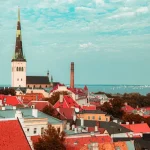
📷 Featured image by Jevgeni Fil on Unsplash.