On this page
- Getting to Haapsalu in 2026
- The Old Town and Episcopal Castle
- The Haapsalu Promenade and Läänemere Waterfront
- The White Lady Legend and African Beach
- Where to Eat in Haapsalu
- Activities Beyond the Castle: Spas, Cycling, and Birdwatching
- 2026 Budget Reality: What Things Actually Cost in Haapsalu
- Where to Stay in Haapsalu
- Frequently Asked Questions
💰 Click here to see Estonia Budget Breakdown
💰 Prices updated: October, 2026. Budget figures are estimates — always verify before travel.
Exchange Rate: $1 USD = €0.88
Daily Budget (per person)
Shoestring: €40.00 – €70.00 ($45.45 – $79.55)
Mid-range: €120.00 – €250.00 ($136.36 – $284.09)
Comfortable: €300.00 – €900.00 ($340.91 – $1,022.73)
Accommodation (per night)
Hostel/guesthouse: €15.00 – €40.00 ($17.05 – $45.45)
Mid-range hotel: €60.00 – €150.00 ($68.18 – $170.45)
Food (per meal)
Budget meal: €15.00 ($17.05)
Mid-range meal: €35.00 ($39.77)
Upscale meal: €100.00 ($113.64)
Transport
Single metro/bus trip: €2.00 ($2.27)
Monthly transport pass: €30.00 ($34.09)
Haapsalu has quietly become one of Estonia’s most searched small-town destinations in 2026, largely because travellers burned out on Tallinn’s Old Town crowds are looking for something slower, more genuine, and still beautiful. The challenge is that Haapsalu’s peak summer weekends — particularly July and August — are now noticeably busier than even three years ago. Getting your timing right, and knowing exactly where to spend your limited hours, makes the difference between a frustrating day trip and one of the best stops on any Estonia itinerary.
Getting to Haapsalu in 2026
Haapsalu sits roughly 100 kilometres southwest of Tallinn, and the most practical option for most visitors remains the bus. Lux Express and Ecolines do not serve this route — it is handled by regional carriers, primarily Lääne Liinid and SEBE, operating under the national timetable at peatus.ee. As of 2026, buses depart Tallinn’s Ülemiste and Tallinn Bus Station several times daily, with journey times between 1 hour 40 minutes and 2 hours depending on stops. Return tickets run approximately €7–€11 per person.
If you are driving, take Highway 8 (Tallinn–Haapsalu road) westward. The road is in good condition and the drive takes around 90 minutes without traffic. Parking in Haapsalu town centre is free in most areas outside the peak summer months. During July and August, paid zones apply near the castle and promenade — expect to pay around €1–€2 per hour at blue-zone meters.
Rail Baltica, the high-speed rail project that dominates transport conversations across the Baltics, does not directly benefit Haapsalu on its current route alignment. However, the broader upgrade of rail infrastructure around Tallinn by 2026 has made Ülemiste a more seamless transit hub, which slightly improves connections for visitors flying in and continuing west by bus. There is no passenger train service to Haapsalu itself — the historic railway line was discontinued decades ago, though the old station building still stands as a heritage site worth a glance.
The Old Town and Episcopal Castle
Haapsalu’s Episcopal Castle is the centrepiece of any visit, and it earns that status. Built in the 13th century by the Ösel-Wiek diocese, the complex is one of the best-preserved medieval castle ruins in Estonia. The enclosed cathedral within the castle walls is particularly striking — the walls are thick limestone, and on overcast days the interior takes on a cool, grey stillness that feels genuinely medieval rather than museum-staged.
The castle hosts the Haapsalu Horror and Fantasy Film Festival each August, which has grown considerably in profile since 2023. If you visit during this period, the moat and tower area are lit with atmospheric installations after dark. Outside festival season, the castle is open for self-guided visits. The entrance fee in 2026 is €6 for adults, with reduced rates for students and seniors. A combined ticket with the Haapsalu and Läänemaa Museum costs €9.
The Old Town surrounding the castle is compact — you can walk the main streets in under 30 minutes — but it rewards slower exploration. Look for the wooden architecture along Karja and Posti streets, where 19th-century merchant houses have been preserved in various states of faded elegance. Some are freshly painted in pale yellows and greens; others are authentically weathered, with sagging porches and overgrown gardens that tell a more honest story of the town’s quieter decades.
Allow at least 2–3 hours for the castle and Old Town combined if you want to go inside the museum. A quick walk-through visit works in 90 minutes.

The Haapsalu Promenade and Läänemere Waterfront
Haapsalu’s relationship with its waterfront is the thing that separates it from most Estonian small towns. The promenade runs along the eastern edge of Haapsalu Bay, a shallow, calm inlet of the Baltic Sea, and on a clear summer evening the light here is extraordinary — the kind of low, golden Baltic light that turns the water into something that looks painted rather than real.
The promenade itself is a wide, well-maintained path lined with old wooden villas that date from the town’s 19th-century spa heyday, when Russian aristocrats — including Tchaikovsky, who visited in 1867 — came here for the therapeutic mud treatments. The composer’s visit is still celebrated locally, and you will find a small bench memorial dedicated to him near the waterfront. The bench plays a melody when you sit on it, which is either charming or unexpected depending on whether you know about it in advance.
Walking the full promenade from the castle area south toward the train station and African Beach takes about 25 minutes at a relaxed pace. The route passes the Kursaal, a restored wooden pavilion that functions as a cultural venue and occasional café space in summer. The smell of the mudflats at low tide is distinctly mineral and briny — not unpleasant, but unmistakably coastal and specific to this kind of sheltered bay environment.
The White Lady Legend and African Beach
Haapsalu has a ghost. The White Lady — Valge Daami — is said to appear in the cathedral window during the full moon in August, and the legend has been part of local identity for over a century. The story goes that a young woman disguised herself as a choir boy to be close to a monk she loved, was discovered, and was walled up alive inside the castle as punishment. Whether or not you find ghost stories compelling, the August full moon event at the castle draws a genuine crowd and is worth planning around if you happen to be in Haapsalu at the right time. The 2026 event is scheduled for the evening of August 9th.
African Beach — Aafrika rand — sits at the southern tip of the promenade and is Haapsalu’s main swimming spot. The name is local humour: the shallow bay warms up faster than open sea, making it noticeably warmer than typical Estonian coastal water by mid-July, sometimes reaching 22–24°C on good summers. The beach is sandy, relatively clean, and has basic facilities including changing rooms and a small kiosk. It is family-friendly and fills up on hot July weekends, but even then it is not overcrowded by European beach standards.
The water is calm here due to the bay’s sheltered position, which makes it suitable for paddleboarding and kayaking. Several local operators offer rentals near the beach from June through August, with hourly rates around €10–€15 for a single kayak and €18–€25 for a stand-up paddleboard.
Where to Eat in Haapsalu
Haapsalu’s food scene is small but has improved meaningfully since 2023. The town is not a destination for serious dining, but you can eat very well if you know where to go.
Central Restaurants and Cafés
Ammende Villa Restaurant operates out of the grand Art Nouveau hotel of the same name on Wiedemanni Street. It is the most formal option in town, with a menu focused on Estonian-Nordic cuisine — think smoked fish, local lamb, and seasonal foraged ingredients. A two-course lunch here costs around €18–€24. It is not cheap for a small Estonian town, but the setting inside the villa is genuinely impressive.
Krahv, situated close to the castle, is a more casual option with a terrace that fills up fast in summer. The menu covers Estonian staples — roast pork, potato dishes, herring — with some pasta and burger options for less adventurous eaters. Mains average €12–€17. The service can be slow on busy weekend afternoons, so order drinks immediately.
Café Georg on the main square is the go-to for coffee and pastries. The cardamom rolls here are legitimately good — dense, sticky, and spiced correctly — and the coffee is a cut above what you might expect in a town this size. A coffee and pastry costs around €4–€6.
Local Market and Casual Eating
Haapsalu’s small market area near the bus station operates on weekday mornings and Saturday mornings. In summer, local vendors sell smoked fish, fresh berries, cucumbers, and occasional homemade preserves. This is the cheapest and most authentic eating option — a paper bag of smoked sprats costs around €2–€3 and makes an excellent promenade snack.
For a quick lunch, the bakery inside the Grossi Toidukaubad supermarket on Karja Street sells freshly made sandwiches and warm pastries at grocery-store prices — budget around €3–€5 for a filling, practical meal with no waiting for service.
Activities Beyond the Castle: Spas, Cycling, and Birdwatching
Haapsalu’s identity as a spa town is not purely historical. The therapeutic mud — extracted from the bay’s floor — is still used in treatments today, and several wellness operators in town offer mud wraps and physiotherapy-adjacent treatments. Haapsalu Kuursaal and the Laine Hotel spa both offer day-use access to mud treatments. A 45-minute mud wrap costs approximately €35–€55 depending on the operator and session type. These are popular with Estonian domestic tourists, especially in the shoulder seasons of May and September.
Cycling is an underused way to explore the Haapsalu peninsula. The flat coastal terrain is well-suited to bikes, and the route south along the bay toward Paralepa Forest is one of the better short rides in western Estonia. The forest sits right at the water’s edge, with pine trees that come almost to the shoreline and a small beach area that is considerably quieter than African Beach. Bike rentals are available in the town centre for around €12–€18 per day.
Haapsalu is also the practical base for visiting Matsalu National Park, one of Europe’s most important bird migration sites. The park lies about 20 kilometres southeast of town and is particularly rewarding in May (spring migration) and September–October (autumn migration). Over 280 bird species have been recorded here. Without a car, getting to the best observation points is difficult — consider joining an organised birdwatching tour if you do not have your own transport. Several local guides offer half-day tours starting from around €40–€60 per person.
2026 Budget Reality: What Things Actually Cost in Haapsalu
Haapsalu is noticeably cheaper than Tallinn across almost every category, which is part of its growing appeal for budget-conscious travellers.
Budget Traveller (under €60/day)
- Accommodation in a guesthouse or hostel dormitory: €18–€30 per night
- Meals at the market, supermarket bakery, and one sit-down lunch: €12–€18
- Castle entrance: €6
- Bus from Tallinn return: €14–€22 total
Mid-Range Traveller (€60–€130/day)
- Accommodation in a private room at a mid-range guesthouse or small hotel: €55–€85 per night
- Meals at Krahv or similar for lunch and dinner, plus café coffee: €30–€45
- Kayak rental, castle entry, and one activity: €25–€35
Comfortable Traveller (€130–€220/day)
- Accommodation at Ammende Villa or equivalent boutique hotel: €120–€180 per night
- Dinner at Ammende Villa restaurant plus breakfast included: €35–€55
- Spa mud treatment: €35–€55
- Private birdwatching or cycling tour: €50–€80
One practical note for 2026: card payment is accepted virtually everywhere in Haapsalu, including market stalls and the castle ticket booth. You do not need cash, though carrying €10–€20 in coins and small notes is useful for the morning market vendors who occasionally prefer it.
Where to Stay in Haapsalu
Haapsalu is a small town, and all accommodation options are within walking distance of the main sights. The choice is really about atmosphere and budget rather than location.
Ammende Villa on Wiedemanni Street is the prestige option — an Art Nouveau mansion turned boutique hotel with genuine character. Rooms vary significantly in size and décor; book directly through their website to see room-specific photos rather than relying on third-party platforms.
Laine Hotel, close to the promenade, is the largest hotel in town and the most consistently reliable mid-range option. It has the spa facilities mentioned above, and the seafront-facing rooms have good views of the bay. Rooms run €70–€110 per night depending on season and room type.
For budget accommodation, several private guesthouses and apartments operate around the Old Town area. Booking.com and Airbnb both list options in the €30–€65 range for private rooms. Quality varies, so check recent reviews carefully — standards in smaller Estonian guesthouses can be inconsistent.
If you are visiting in July or August, book at least 4–6 weeks in advance. Haapsalu’s accommodation stock is limited, and the better options fill quickly during summer weekends and the film festival period.
Frequently Asked Questions
Is Haapsalu worth visiting as a day trip from Tallinn?
Yes, comfortably. The bus journey is under two hours each way, and a full day gives you enough time to see the castle, walk the promenade, swim at African Beach, and have a proper lunch. Arrive early to avoid the midday crowds in summer. An overnight stay adds significantly to the experience but is not essential.
What is the best time of year to visit Haapsalu?
June and early September offer the best balance of weather, fewer crowds, and full access to all attractions. July is warmest for swimming but busiest. The White Lady event in August is atmospheric and worth planning around. Winter visits are quiet and the spa culture makes them viable for the right traveller.
Does Haapsalu have good swimming beaches?
African Beach is the main swimming spot, with shallow, calm, and relatively warm water by Estonian standards. The bay environment means no waves and a sandy bottom. Water temperatures in July typically reach 20–24°C. For a quieter swim, the Paralepa Forest beach south of town is a good alternative.
Is Haapsalu accessible for visitors without a car?
The town itself is fully walkable and no car is needed to visit the main sights. Getting there from Tallinn by bus is straightforward. However, reaching nearby Matsalu National Park or more remote coastal areas without a car is difficult. Consider renting a bike for local exploration or booking a guided tour for outlying destinations.
What language is spoken in Haapsalu, and will English work?
Estonian is the local language, and Russian was historically spoken by a portion of older residents. In 2026, English is widely understood in hotels, restaurants, and tourist sites. Outside of tourist contexts — local shops, the market, some guesthouses — you may encounter less English, but basic communication is manageable and locals are generally patient with visitors.
Explore more
Haapsalu Travel Essentials: Your Guide to Getting There, Getting Around & Top Tips
Haapsalu Shopping Guide: Where to Buy Authentic Shawls, Handicrafts & Souvenirs
Haapsalu Food Guide: The Best Restaurants, Cafes & Seaside Dining
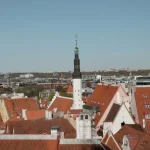
📷 Featured image by Kazuki Taira on Unsplash.